Managed sourcing from Bangladesh, for export and for buyers at home
Get it sourced

Apparel and textiles

Glove manufacturer in Bangladesh

Need a glove manufacturer in Bangladesh for coated work, cut-resistant, winter or fashion gloves? Send the task or hazard, liner, coating, sizes and quantity. We source from verified factories, check test reports and certificates, inspect the bulk and ship FOB Chattogram or deliver locally.

  • Verified sellers
  • Checked before it ships
  • Delivered by Roptan

Get gloves sourced

Prefer to deal with suppliers yourself? Post it on the requirement board

Glove products

Pick a product and we source it for you, or send one requirement that covers several.

Buying gloves in Bangladesh

Gloves fall into two groups. Work gloves are protective equipment sold on test results: knitted liners dipped in nitrile, latex or PU, and cut-resistant knits, bought by the dozen pairs by distributors and factories, many in Bangladesh. Winter and fashion gloves are clothing, sold on warmth, feel and look. A glove manufacturer in Bangladesh may knit, dip or cut and sew, and not every unit does all three.

Roptan runs the sourcing. Tell us the use by form or chat. We match it to verified units with the right knitting gauge, coating line or cut-and-sew set-up, compare quotes per dozen pairs on the same liner, coating and certificate, check that each report names the exact glove model, inspect the bulk and deliver. You deal with Roptan only.

Gloves we source

Coated work gloves

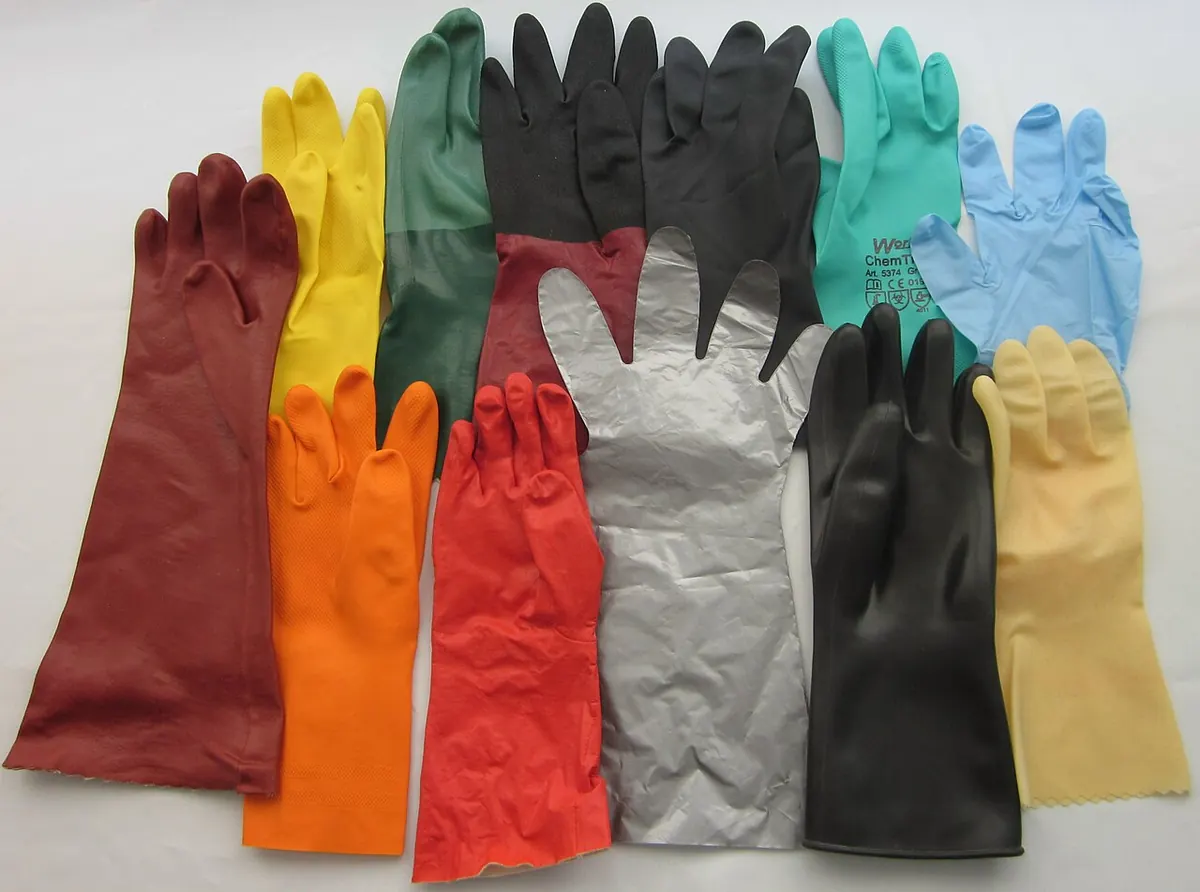
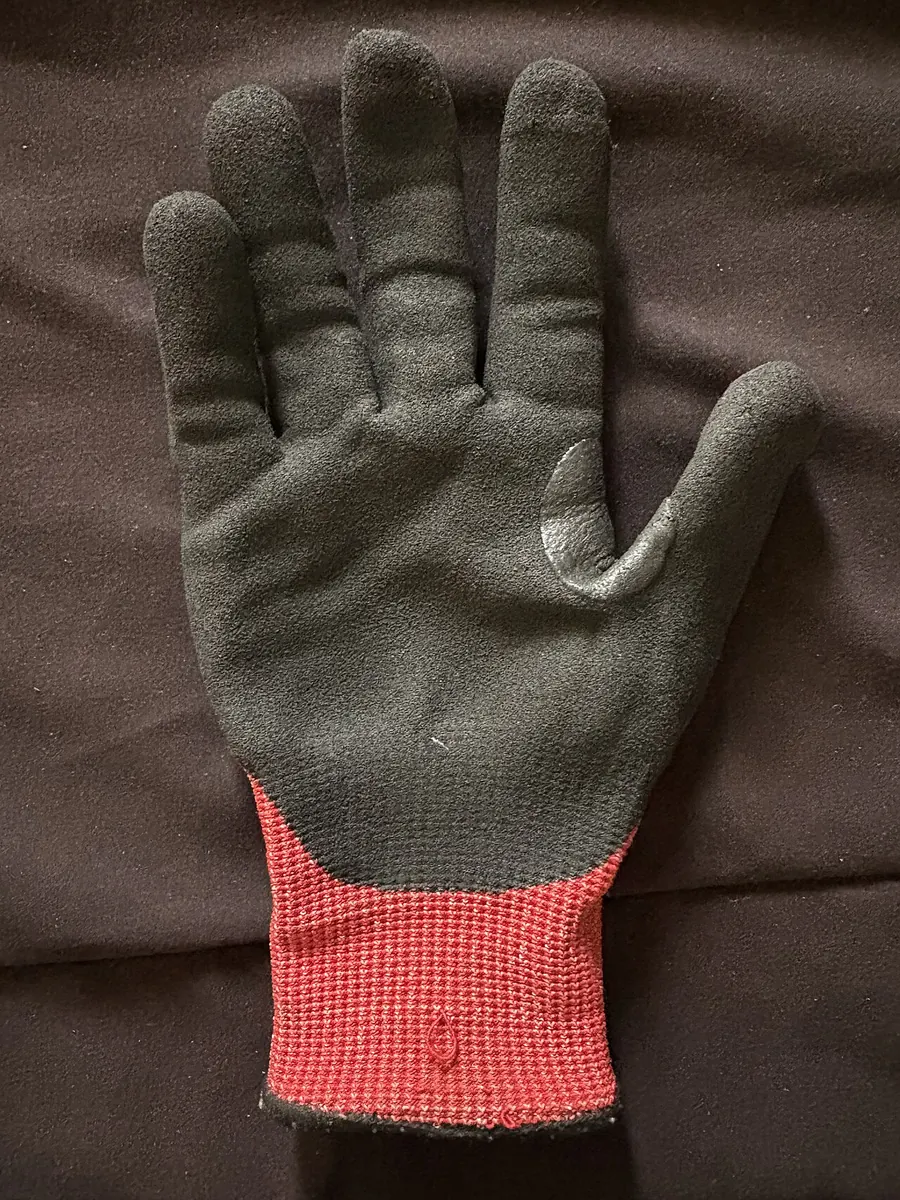
A knitted polyester or nylon liner, often 13 or 15 gauge, dipped on the palm or the whole hand. Nitrile suits oily parts, natural latex grips well in wet work but can trigger allergy, and PU gives a thin coat for dry, precise assembly.

Knitted work gloves

String-knit gloves in cotton or poly-cotton, usually 7 or 10 gauge, plain or with PVC dots for grip. They are specified by gauge and weight per dozen pairs. Choose them for light handling, not cuts or chemicals.

Winter gloves

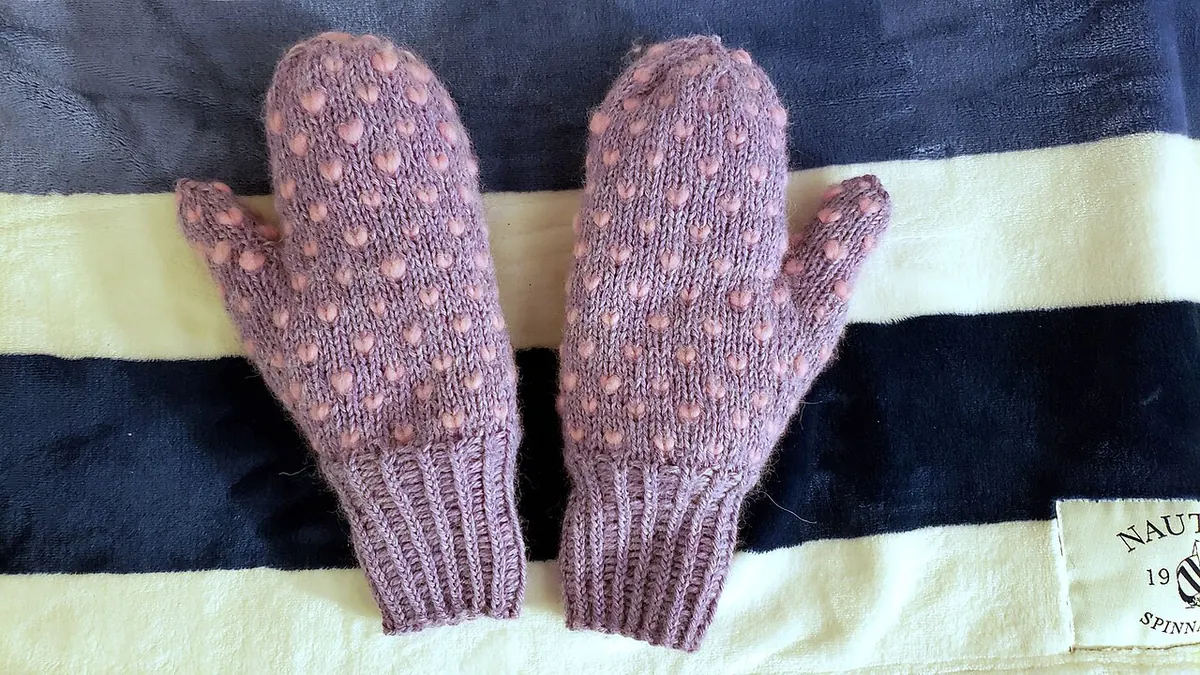
Knitted acrylic or wool-blend gloves, fleece and insulated gloves, and mittens, some with touchscreen fingertips knitted from conductive yarn. For everyday wear they are clothing; EN 511 applies only when they are sold as protection against cold.

Fashion gloves

Dress and driving gloves in soft goat or sheep leather, suede or fine knit, lined with fleece, knit or polyester. Sizes follow hand circumference, pairs must match in colour and grain, and leather in skin contact needs chromium VI below 3 mg/kg for the EU.

Cut-resistant gloves

Liners knitted from HPPE (high-performance polyethylene) with glass-fibre or steel cores, usually with a PU or nitrile palm. Cut is rated A to F under EN 388 or A1 to A9 under ANSI/ISEA 105; choose the level the task needs.

Kitchen gloves

Quilted cotton oven gloves and mitts with wadding or a heat-resistant layer, often with a silicone print for grip. In the EU, oven gloves sold to protect against heat count as protective equipment under Regulation (EU) 2016/425; ask for the EN 407 contact heat report.

What to tell a glove manufacturer in Bangladesh

Task and hazard
What the wearer handles: oily parts, sheet metal, glass, cartons, cold stores or hot trays. The hazard decides liner, coating, cut level and standard.
Liner yarn and gauge
Yarn (polyester, nylon, cotton or HPPE blends), gauge and weight per dozen pairs. A higher gauge knits a thinner liner with more feel and usually costs more.
Coating and coverage
Nitrile, latex, PU or PVC; smooth, foam or sandy finish; palm, three-quarter or full dip. In hot, humid factories, foam coatings and an open back reduce sweat; full dips are hotter.
Protection levels
EN 388 scores and cut letter, EN 407 for heat, EN 511 for cold, or ANSI/ISEA 105 for the US, with a certificate or report naming that exact model.
Sizes
Hand sizes by number, which EN ISO 21420 ties to hand circumference and length, for example 7 (S) to 10 (XL), with the split per size.
Branding, marking and packing
Cuff print, woven label or hem colour for size; the marking protective gloves need (size, pictogram, levels); pairs per bag, often 12, or single-pair retail packs with barcodes.

Glove standards, certificates and PPE rules

EN 388
Protective gloves against mechanical risks: scores for abrasion, blade cut, tear and puncture, a cut letter from the ISO 13997 test, and P where impact protection passes.
EN ISO 21420
General requirements for protective gloves: sizing, dexterity, marking and innocuousness, including pH and chromium VI limits for leather.
Regulation (EU) 2016/425
The EU PPE Regulation. Minimal-risk gloves are self-assessed by the maker; gloves for other mechanical risks usually need an EU type-examination certificate from a notified body. All need a declaration of conformity and CE marking.
ANSI/ISEA 105
The US classification for hand protection, with cut levels A1 to A9 tested to ASTM F2992. US buyers often ask for it, alongside or instead of EN 388.

What moves the price of gloves

  • Yarn: HPPE, glass-fibre and steel-core cut yarns cost well above polyester or cotton, and higher cut levels cost more again.
  • Gauge and weight: finer gauges knit slower, and heavier gloves use more yarn per dozen pairs.
  • Coating: foam and sandy nitrile and full dips use more compound than a smooth PU palm or PVC dots.
  • Certification: EU type-examination and lab tests are paid per model and carried in its price.
  • Packing and colours: header cards cost more than bags of 12, and small colour splits cost more on a dipping line.

Lead times and delivery

Typical ranges: samples of an existing model take one to two weeks. Bulk usually runs 45 to 90 days from sample approval: stock models in standard colours at the shorter end, custom colours, printed cuffs, cut-resistant yarns and leather gloves at the longer end. A new EU type-examination certificate can add weeks. Roptan confirms dates in the quote.

Inside Bangladesh we deliver gloves by the dozen pairs to your factory, warehouse, site or hotel in Dhaka, Gazipur, Narayanganj, Chattogram or any other city, packed by size, with the packing list, test reports or certificates and a VAT invoice (Mushak 6.3). Regular users can take monthly call-offs against an agreed order.

Buying gloves for export

For importers we quote FOB Chattogram (Chittagong) per dozen pairs, or FCA Dhaka for air freight from Hazrat Shahjalal International Airport. Knitted gloves, coated or not, fall under HS heading 6116 and leather gloves under 4203. Documents: commercial invoice, packing list, bill of lading or air waybill, origin paperwork (a REX statement for EU GSP, UK DCTS), EN 388 or ANSI reports, the EU type-examination certificate and declaration of conformity where needed, and the final inspection report.

What we check for this order

  • Audit valid on the quote dateamfori BSCI, Sedex SMETA or WRAP report not expired on the day we quote, for the unit that knits, dips or sews your gloves.
  • RSC or Accord statusBuilding and fire safety status where the unit is covered, or an equivalent inspection where it is not, including the store for coating compounds.
  • Certificate matches the modelThe EU type-examination certificate and EN 388 or ANSI report name the exact glove model, checked with the issuer; OEKO-TEX number and expiry where needed.
  • A visit before the first bulk orderWe see knitting machines in your gauge, the coating and curing line, and in-house cut or abrasion testing before bulk.

Questions buyers ask

What do the EN 388 numbers on a glove mean?

Four digits give abrasion (0 to 4), blade cut by the coupe test (0 to 5, or X if not tested), tear (0 to 4) and puncture (0 to 4). A letter from A to F gives cut resistance by the ISO 13997 test, and a final P shows impact protection. Where the yarn dulls the coupe blade, compare the letter.

What mistakes do first-time glove buyers make?

Choosing a cut level far above the task, which costs more and reduces feel, or below it, which leaves hands at risk. Buying latex coatings for users with a latex allergy. Ordering one size for everyone. And selling work gloves in the EU without CE marking and a declaration of conformity.

Are winter and fashion gloves protective equipment?

Not usually. Under Regulation (EU) 2016/425, gloves designed for private use against weather that is not extreme fall outside the PPE rules and sell as clothing, with fibre and care labels. Gloves sold for protection against cold, heat or cuts are PPE and need the standard, marking and certificate.

What is the minimum order for work gloves?

Work gloves are priced and ordered by the dozen pairs. Units often start at a few thousand pairs per model and colour, split across sizes; stock models are the easiest route, while custom colours, coatings and printed cuffs carry their own minimums. The quote states the minimum and the price per dozen.

Can you supply work gloves to factories in Bangladesh?

Yes. Tell us the tasks, such as sheet metal or oily parts, the headcount by hand size and the monthly use. We match each task to a coating and cut level, arrange a wear trial, then deliver by size with test reports and a VAT invoice.

How soon will I hear back about gloves?

Within 48 hours of a complete requirement, with a price and a delivery date. A requirement is complete when it has the quantity, where it is needed and by when.

Who do I deal with?

With Roptan, when Roptan manages the order: we buy from the verified seller and deliver to you. With the supplier directly, when you post on the requirement board and choose a quote yourself.