Managed sourcing from Bangladesh, for export and for buyers at home
Get it sourced

Apparel and textiles

Fabric supplier in Bangladesh

Looking for a fabric supplier in Bangladesh? Give us the construction, GSM, width, shade and quantity per colour. We source knit, woven, denim and non woven fabric from verified mills and importers, test it and deliver to your factory or FOB Chattogram.

  • Verified sellers
  • Checked before it ships
  • Delivered by Roptan

Get fabric sourced

Prefer to deal with suppliers yourself? Post it on the requirement board

Fabric products

Pick a product and we source it for you, or send one requirement that covers several.

Buying fabric in Bangladesh

Bangladesh knits and dyes most of the jersey and fleece its garment factories use, around Gazipur, Narayanganj, Savar and Ashulia, while much woven fabric is imported, mainly from China and India, and traded through Dhaka. Buyers who need a fabric supplier in Bangladesh are export factories booking fabric against a back-to-back LC, local brands, uniform and bag makers, and foreign importers of roll goods.

Roptan sources the fabric for you. Send the specification or a swatch; we match it to verified mills, or to importers holding the right stock, get a lab dip approved, convert quotes to one unit, test the first lot against your numbers and deliver. You deal with Roptan only.

Fabric we source

Single jersey knit

The plain knit for T-shirts and tops, usually 120 to 220 GSM, open-width or tubular. Specify yarn count and type (combed, carded or slub), GSM, width and finish such as compacting, and ask for spirality results after washing.

Cotton twill

Diagonal-weave cotton or polycotton for chinos, workwear and uniforms, priced by the metre or yard. Quote the construction as yarn counts and ends and picks per inch, for example 20 x 16 / 128 x 60, with width, finish and shrinkage limits.

Denim fabric

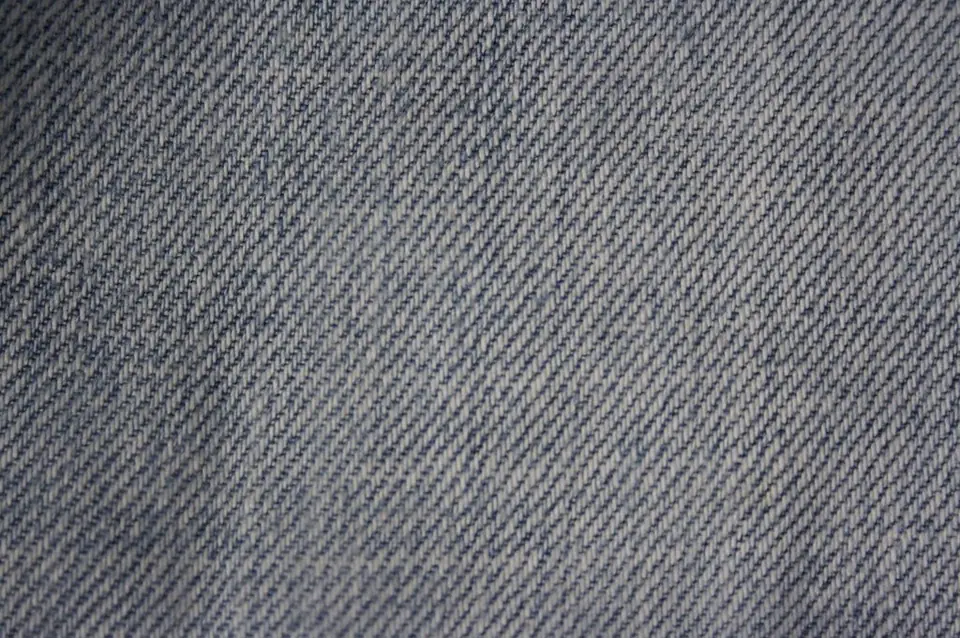
Usually 3/1 twill with an indigo warp and white weft, 8 to 14 oz per square yard, rigid or with elastane; multiply ounces by about 34 for GSM. State weight after washing, stretch and recovery, skew and shrinkage limits.

Polyester woven

Filament or spun polyester and polyester-cotton blends for linings, jackets and pocketing. Specify denier or count, weave, GSM, width and any coating; for water repellent fabric name the test: spray rating to ISO 4920 or hydrostatic head to ISO 811.

Non woven fabric

Fibres bonded by heat or needling, usually spunbond polypropylene, sold by GSM, width, colour and roll length. Heavier grades make shopping bags; lighter grades serve interlining and disposables. Ask for tensile strength both ways and a UV stabiliser for outdoor use.

Fleece fabric

Two- or three-thread fleece for hoodies and sweatshirts, brushed or loop back, priced by the kilogram. Specify face and fleece yarns, cotton share, GSM, width and any anti-pilling finish, and ask for the pilling grade to ISO 12945-2.

What a fabric supplier in Bangladesh needs from you

Composition and construction
Fibre percentages, yarn count and type (combed, carded, slub or filament), knit type or weave, and ends and picks or stitch length. Two fabrics at one GSM can wear very differently.
Weight and width
GSM or oz with a tolerance, often plus or minus 5%, and cuttable width. Weigh after conditioning at 20 °C and 65% RH (ISO 139); humid rolls weigh more.
Unit of sale
Knit is sold by the kilogram, woven by the metre or yard. Convert every quote to one unit, then to cost per garment, since a narrower roll uses more per piece.
Shade approval
Approve the lab dip under daylight D65 and your store light; accept bulk within a CMC 2:1 colour difference, often 1.0 or less, with a shade band per lot.
Shrinkage and skew
Dimensional change to ISO 5077 after a named ISO 6330 wash, often within 5% for knits and 3% for wovens, plus limits for skew or spirality.
Quantity per colour and duty status
Mills set minimums per colour by dye batch, so several small colours cost more than one large one. For export orders, say whether the fabric enters under your bond.
Roll inspection and lots
The four-point system (ASTM D5430) with your limit, often 40 points per 100 square yards, and a lot number on every roll so shades stay together.

Tests, standards and certificates for fabric

ASTM D5430 four-point system
Visual inspection and grading of rolls; each defect scores 1 to 4 points by length. Agree the points limit and the share of rolls inspected.
ISO 105 series and ISO 105-J03
Colour fastness to washing (C06) and rubbing (X12), graded 1 to 5 on the A02 and A03 grey scales; J03 gives the CMC colour difference for instrumental shade approval.
ISO 13934-1, ISO 13937, ISO 13938-1
Tensile (strip method), tear and bursting strength. State minimums in newtons or kilopascals for the end use; workwear and bag fabric need them.
ISO 5077 and ISO 6330
Dimensional change after a named domestic wash. Ask for results on bulk fabric, not only the sample.
OEKO-TEX Standard 100, GOTS and GRS
Product and chain-of-custody certificates. Check number, scope and expiry, and ask for a transaction certificate when a GOTS or GRS claim travels with the fabric.

What moves the price of fabric

  • Fibre and yarn: cotton market prices, combed or carded yarn, count and blend set the base cost.
  • Weight and width: a heavier GSM costs more per metre, and a narrower roll uses more per garment.
  • Dyeing and finishing: yarn-dyed, printed, brushed, coated or stretch fabric costs more than solid dyed.
  • Quantity per colour: a lot smaller than one dyeing batch carries the same set-up cost as a full one.
  • Origin and duty: local mill, imported under bond for export, or duty-paid for local sale; freight and exchange rates move imported prices.

Lead times and delivery

Typical ranges: stock fabric from Dhaka traders can move within days. Knit fabric from a mill usually takes two to five weeks after yarn and shade approval; woven and denim made to order usually six to ten weeks, more for yarn-dyed or special finishes, and imported fabric adds sea freight and customs clearance at Chattogram. Lab dips add about a week. Roptan confirms the dates in the quote.

We deliver rolls by covered truck to your factory or warehouse in Dhaka, Gazipur, Narayanganj, Savar or Chattogram, each roll labelled with lot, length or weight and shade, with a roll-by-roll packing list, the test report and a VAT invoice (Mushak 6.3). Export factories can be supplied as a deemed export against a back-to-back LC.

Buying fabric for export

For buyers outside Bangladesh we quote FOB Chattogram (Chittagong), with rolls wrapped, numbered and packed by shade lot. Documents: commercial invoice, roll-by-roll packing list, bill of lading, certificate of origin, test reports, and OEKO-TEX, GOTS or GRS certificate copies with transaction certificates where they apply. Tell us the destination, because origin rules in some duty schemes depend on where the fabric was made.

What we check for this order

  • Mill audit and RSC statusamfori BSCI, Sedex SMETA or WRAP report not expired on the quote date, and RSC building and fire safety status for covered textile units.
  • Certificate numbers and scopeOEKO-TEX, GOTS or GRS number, scope and expiry checked with the issuer, and that it names this mill and fabric.
  • Shade and rolls checked before dispatchBulk shade matched to the approved lab dip, and a share of rolls checked for GSM, width and defects at the seller.
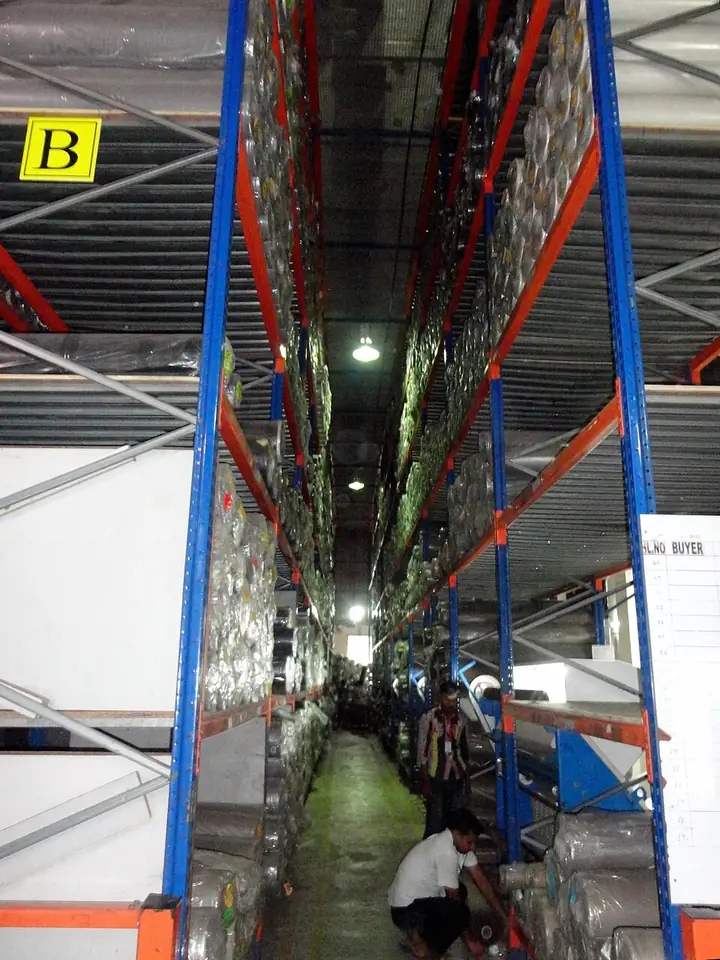
  • A visit before the first bulk orderThe mill or importer's warehouse seen in person, with the fabric on the roll, before bulk and not after something goes wrong.

Questions buyers ask

Can you source China fabric in Bangladesh?

Yes. Much of the woven, polyester and fashion fabric used here comes from China, held in stock by importers in Dhaka or ordered to your sample. Stock lots are faster but fixed in colour and quantity, so we check the actual lot against your swatch for GSM, width and shade.

Is knit fabric sold by the kilo or by the metre?

Knit fabric is usually sold by the kilogram, woven by the metre or yard. To convert, divide 1,000 by the GSM times the width in metres: at 180 GSM and 1.8 m wide, one kilogram gives about 3.1 metres. Agree how weight is measured, because damp monsoon rolls weigh more.

Can you match denim fabric to a weight after washing?

Yes. State the weight before and after the garment wash, since shrinkage changes it. The mill washes sample yardage first; we check weight, shrinkage, stretch and skew before the bulk is woven. Send your wash recipe so the trial matches production.

What is the minimum order for fabric?

It depends on the process. Stock fabric can be bought by the roll. A new dyed knit lot often starts at a few hundred kilograms per colour, set by the dyeing batch, and a new woven or denim construction at a few thousand metres. We state the minimum in the quote.

Do you supply pocketing fabric?

Yes. Pocketing is the plain or twill fabric inside trouser pockets, usually a polyester-cotton blend such as 65/35, and widely stocked. Specify construction, width, colour and fastness to washing, because weak dye can stain a light garment; we test a sample with the shell fabric before bulk.

How soon will I hear back about fabric?

Within 48 hours of a complete requirement, with a price and a delivery date. A requirement is complete when it has the quantity, where it is needed and by when.

Who do I deal with?

With Roptan, when Roptan manages the order: we buy from the verified seller and deliver to you. With the supplier directly, when you post on the requirement board and choose a quote yourself.