Managed sourcing from Bangladesh, for export and for buyers at home
Get it sourced

Footwear and leather

Leather footwear manufacturer in Bangladesh

Looking for a leather footwear manufacturer in Bangladesh for formal shoes, boots, sandals or safety shoes? Send the design, leather, sole, size run and pairs per style. We source from verified makers, check leather and chemical tests, inspect the bulk and ship FOB Chattogram.

  • Verified sellers
  • Checked before it ships
  • Delivered by Roptan

Get leather footwear sourced

Prefer to deal with suppliers yourself? Post it on the requirement board

Leather footwear products

Pick a product and we source it for you, or send one requirement that covers several.

Buying leather footwear in Bangladesh

A leather shoe is built on a last, a foot-shaped form that sets its fit, with a sole joined to the upper by glue, stitching or a welt. Bangladesh tans its own cow, buffalo and goat leather, mostly at the BSCIC leather estate in Savar. Importers and brands buy formal and casual shoes, boots and sandals, and factories in Gazipur and Chattogram buy safety shoes. Choosing a leather footwear manufacturer in Bangladesh starts with construction.

Roptan runs the sourcing. Send a sample or design by form or chat. We match it to verified makers with the construction, lasts and sole sources your shoe needs, compare quotes per pair with tooling shown separately, check the tannery and the test reports, approve fit across the size run, inspect the bulk and deliver. You deal with Roptan only.

Leather footwear we source

Men's formal shoes

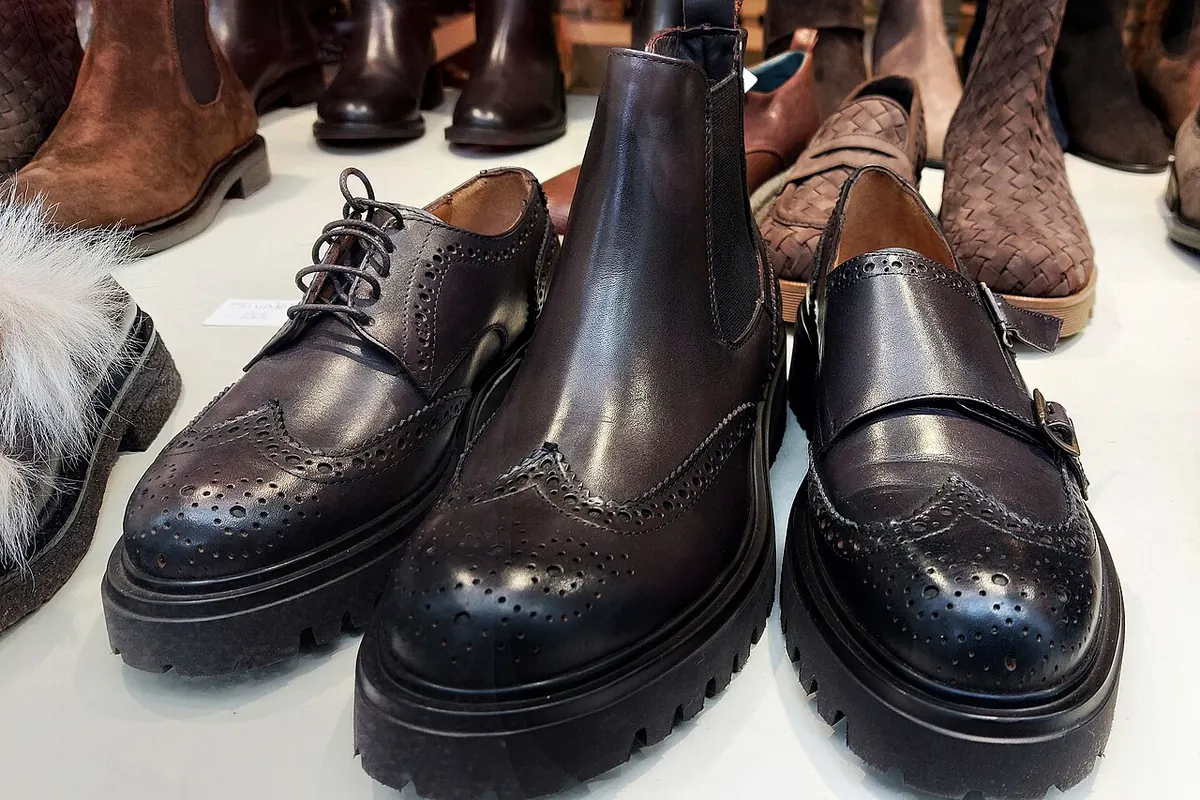
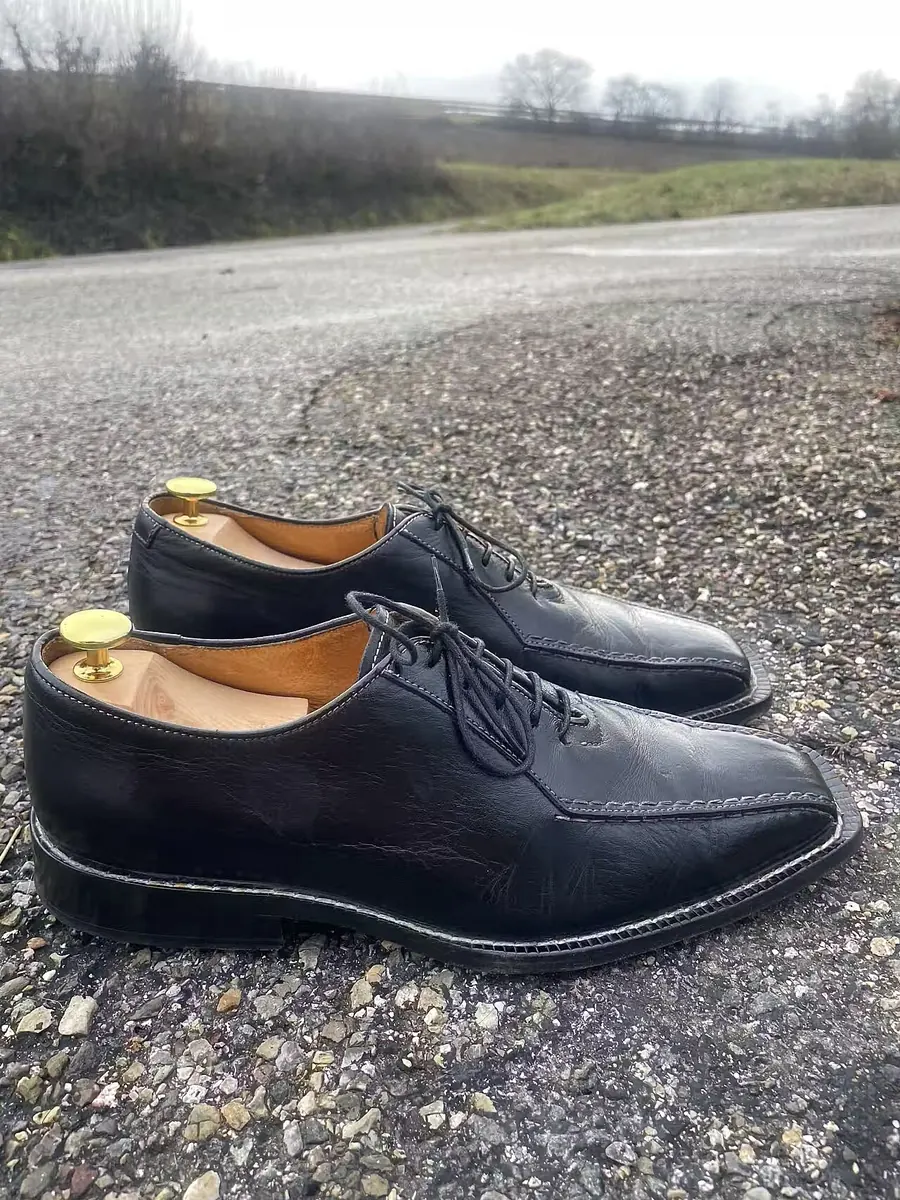
Oxfords (closed lacing, sleek), Derbys (open lacing, roomier), monk straps and brogues in full grain or corrected grain calf, on leather or rubber soles. State the finish, such as burnished or polished.

Casual leather shoes

Lace-up and slip-on casuals, leather trainers and boat shoes, usually cemented to rubber, TPR (thermoplastic rubber) or PU soles. Nubuck and suede mark easily and can stain socks, so ask for a protective finish and a rub fastness test (ISO 11640).

Boots

Chelsea boots (elastic side panels), chukkas (ankle boots with two or three pairs of eyelets) and lace-up work or fashion boots, often in thicker leather on rubber lug soles. Boots use more leather per pair, so leather price moves the quote more.

Leather sandals

Strap sandals and slides with leather uppers and a leather, cork or EVA footbed on rubber or EVA soles. Bare, damp feet test the leather, so ask for colour fastness to perspiration on footbeds and nickel release results (EN 1811) for EU buckles.

Loafers and moccasins

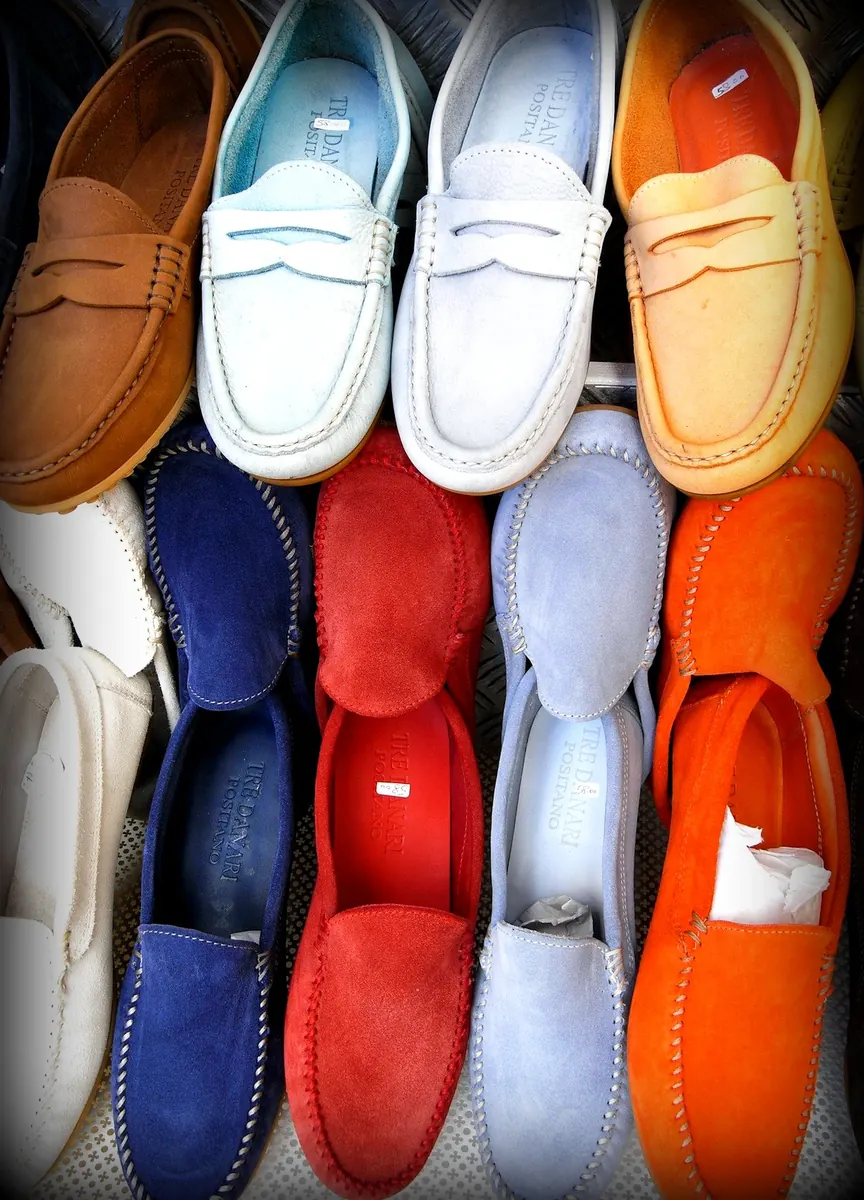
Penny and tassel loafers, and moccasins whose upper wraps under the foot and is stitched to an apron on top. The apron seam takes longer than a cemented sole, and a slip-on must grip the heel, so approve fit on your last.

Safety shoes

Leather safety shoes and boots with steel or composite toe caps tested to 200 J impact and 15 kN compression under EN ISO 20345, often with a penetration-resistant midsole and an oil-resistant sole. Name the category, such as S1P or S3.

What to send a leather footwear manufacturer in Bangladesh

Last and size run
A sample shoe that fits or a last reference, the size system (EU, UK or US), width fitting and run, for example EU 40 to 46, with pairs per size.
Upper leather
Animal, tannage, grade (full grain, corrected grain, nubuck or suede), finish, colour and thickness in mm per part. 'Genuine leather' is not a grade; ask for a swatch.
Lining and insole
Leather or textile lining, sock lining, fixed or removable insole and cushioning. Linings touch the foot, so they need the same chemical tests as the upper.
Construction
Cemented, welted, stitchdown or direct-injected PU. Each suits a price point and use, and not every unit runs all four, so name it in the request.
Sole and heel
Leather, rubber, TPR, PU or EVA, with hardness, pattern, colour and any oil or heat resistance. An existing sole avoids tooling; a new design needs a mould in every size.
Physical tests
Sole adhesion (ISO 17708), outsole flex (ISO 17707) and rubber abrasion (ISO 4649), or the SATRA methods your buyer names, with pass values for your use.

Standards, tests and paperwork for leather footwear

REACH chromium VI limit
Leather in contact with the skin must contain less than 3 mg/kg chromium VI, tested to ISO 17075. Ask for results on upper and lining leather in each colour.
REACH PAHs and dimethyl fumarate
Eight PAHs are limited to 1 mg/kg each in rubber or plastic parts in skin contact, and dimethyl fumarate, once used in anti-mould sachets, is banned.
Directive 94/11/EC
EU labelling of footwear materials by pictograms or words for the upper, the lining and sock, and the outer sole. The label must match the shoe.
LWG certification
Leather Working Group environmental audit of the tannery, rated Gold, Silver, Bronze or Audited. Check that the tannery name and expiry match your leather.

What moves the price of leather shoes

  • Leather: animal, grade and finish, bought by the square foot; full grain calf costs well above corrected grain or split.
  • Construction: welted and moccasin-stitched shoes take more steps than cemented or direct-injected ones.
  • Tooling: new lasts, cutting dies and sole moulds in every size are one-time costs spread over the order.
  • Sole and components: leather soles, toe caps and penetration-resistant midsoles each add cost per pair.
  • Size run and tests: wide runs, width fittings, chemical tests and safety certification add to the price per pair.

Lead times and delivery

Typical ranges: a first sample takes two to four weeks on an existing last and sole, longer with new lasts or sole moulds. Bulk usually runs 60 to 90 days from sample approval. A custom leather colour needs a tannery batch, and tanneries are busy after Eid ul-Adha, the main rawhide season. Roptan confirms dates in the quote.

Inside Bangladesh we deliver safety shoes and staff footwear to your factory, site or office in Dhaka, Gazipur, Narayanganj, Chattogram or any other city, boxed with silica gel and marked by size or per person, with the packing list, the test report or certificate, the inspection report and a VAT invoice (Mushak 6.3). Staff orders start with a size trial.

Buying leather footwear for export

For importers we quote FOB Chattogram (Chittagong) per pair, with pairs per carton stated, or FCA Dhaka for air freight from Hazrat Shahjalal International Airport. Leather-upper footwear falls under HS heading 6403. Documents: commercial invoice, packing list, bill of lading or air waybill, origin paperwork (a REX statement for EU GSP, UK DCTS), chemical and physical test reports, the tannery's LWG certificate where required, EN ISO 20345 certificates for safety shoes and the final inspection report.

What we check for this order

  • Trade licence and ERCCurrent, and in the name on the quote, so export documents and any letter of credit match the maker we checked.
  • Audits and certificates with datesamfori BSCI or Sedex for the shoe unit and LWG for the tannery, each in date; a certificate without a date does not count.
  • Restricted substances testedChromium VI, azo dyes and PAHs tested to your list, for example REACH limits for the EU, on the actual leathers and colours.
  • A visit before the first bulk orderCutting, stitching, lasting and sole attaching for your construction seen in person, with your lasts, dies and moulds on site.

Questions buyers ask

Cemented, stitched or welted: what is the difference?

Cemented soles are glued to the lasted upper: light, flexible and lower in cost, but rarely resoled. Stitched soles are sewn through for strength. Welted shoes have a strip of leather stitched around the upper and the sole stitched to that strip, so they are heavier and cost more but can be resoled.

Who pays for lasts, dies and sole moulds?

The buyer, usually, as a one-time tooling charge shown apart from the price per pair; some sellers refund it after an agreed volume. Using the seller's existing last and sole avoids most of it. Agree in the order who owns the tooling and whether it can be moved.

Which safety shoe category should a factory order?

Start from the floor and the hazard. S1P suits dry indoor work with a risk of nails or sharp scrap underfoot; S3 adds a water-resistant upper and a cleated sole for wet or outdoor sites. Give us sizes by headcount, and the seller supplies the EN ISO 20345 certificate for that model.

What is the minimum order for leather shoes?

It is set per style and colour across a size run. Makers often start at a few hundred pairs per style on an existing last and sole with stock leather; a custom leather colour needs a full tannery batch and a new sole needs moulds, which raise it. The quote states the minimum per colour.

What mistakes do first-time footwear buyers make?

Approving one sample size, then finding large sizes fit differently. Designing a new sole without budgeting for a mould in every size. Ignoring mould growth in the monsoon, or allowing anti-mould sachets with dimethyl fumarate, which the EU bans. And accepting 'genuine leather' as a grade, which it is not.

How soon will I hear back about leather footwear?

Within 48 hours of a complete requirement, with a price and a delivery date. A requirement is complete when it has the quantity, where it is needed and by when.

Who do I deal with?

With Roptan, when Roptan manages the order: we buy from the verified seller and deliver to you. With the supplier directly, when you post on the requirement board and choose a quote yourself.