Buying rubber products in Bangladesh
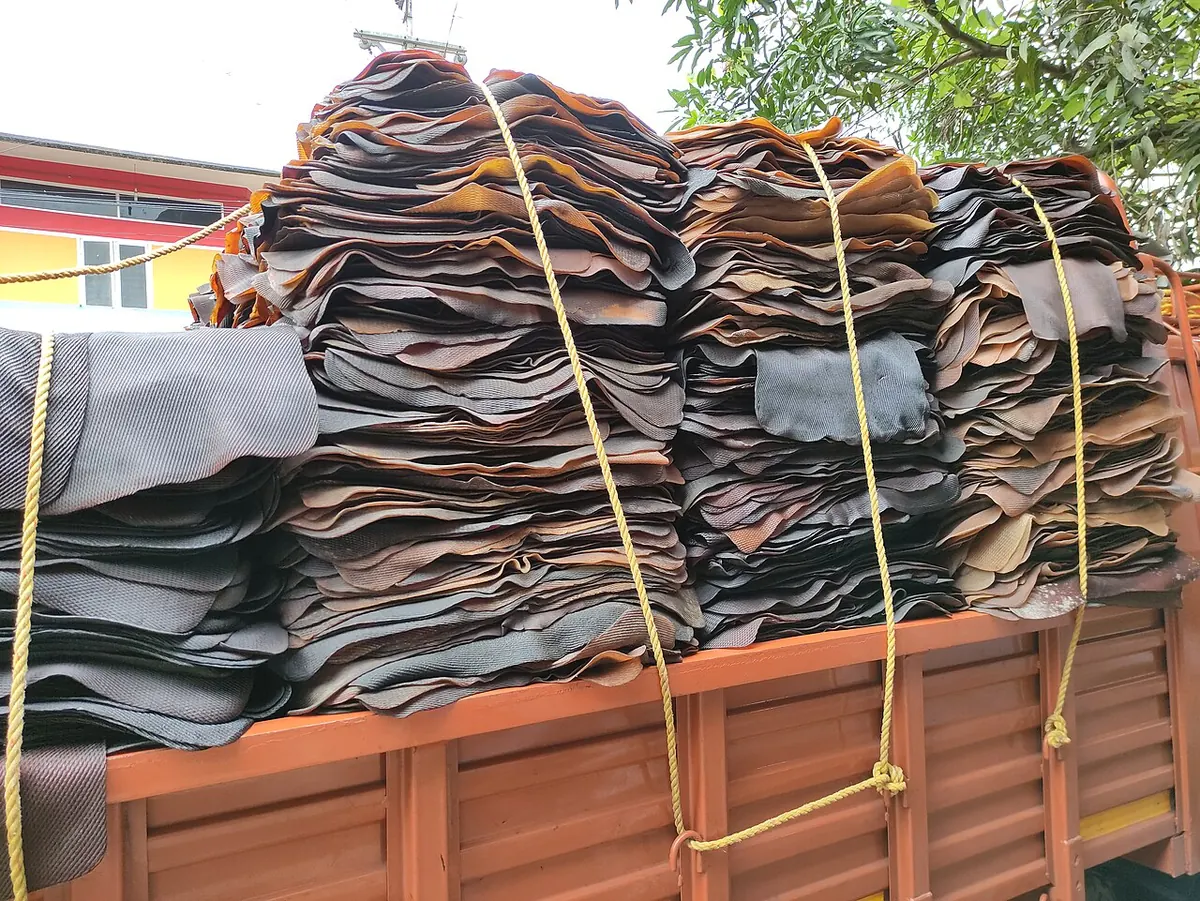
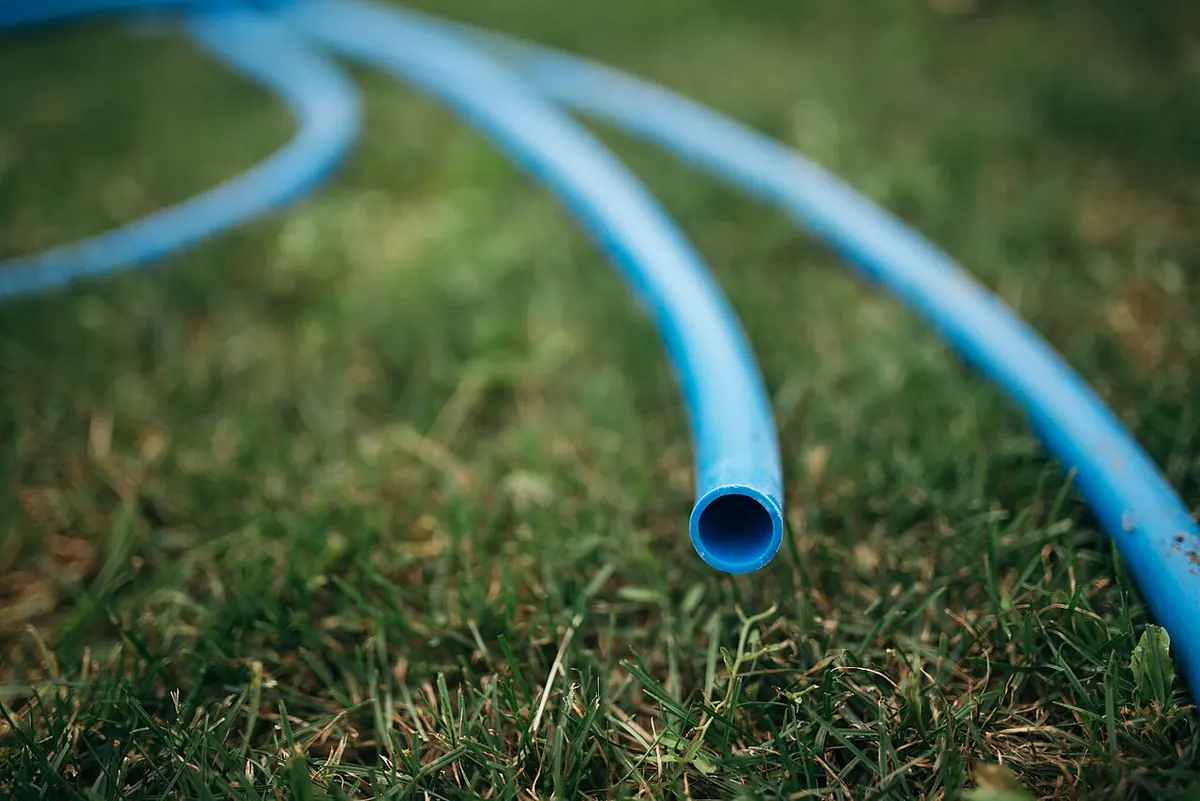
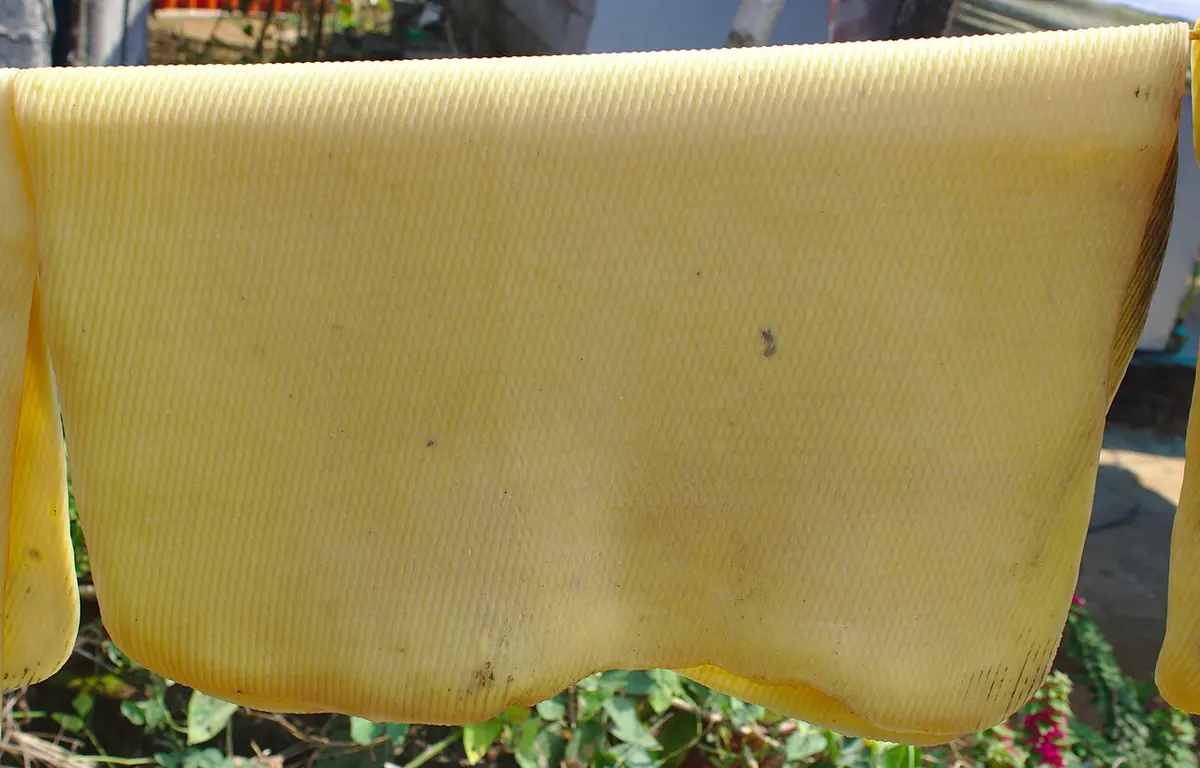
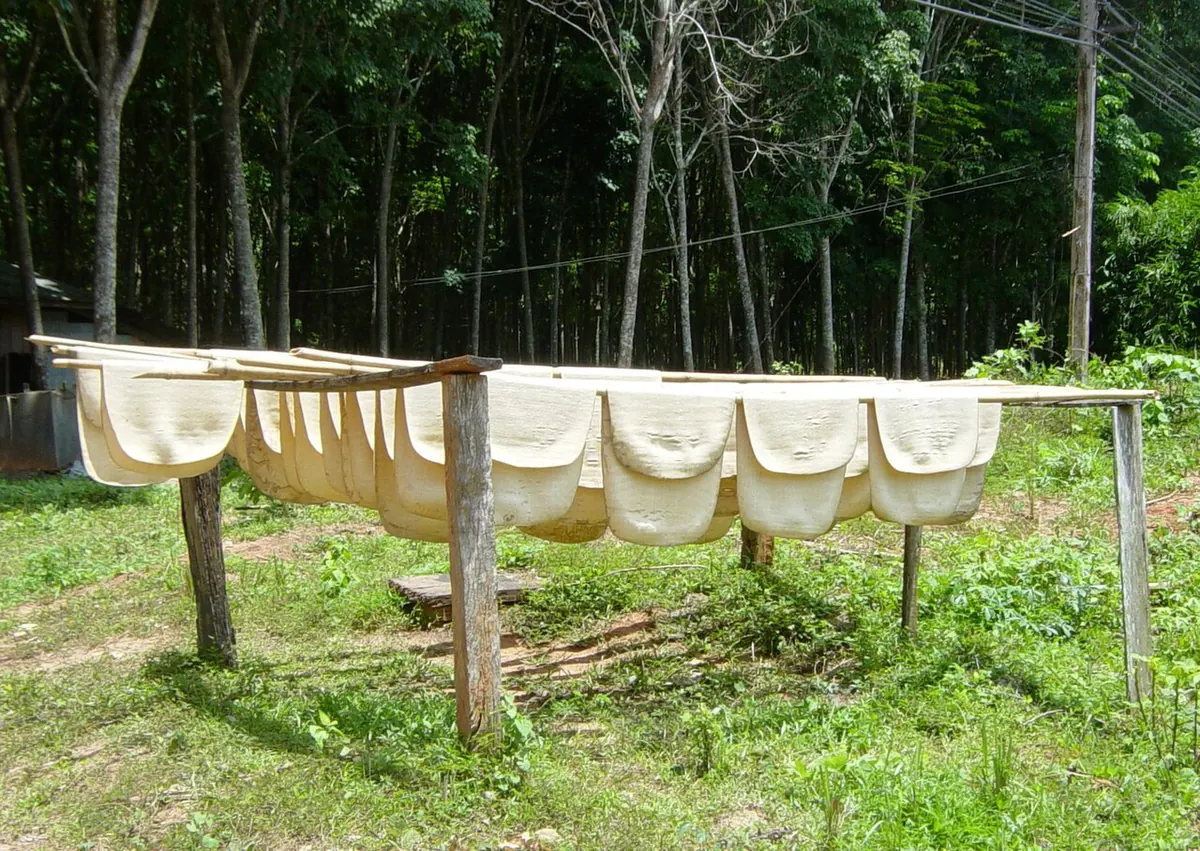
Bangladesh grows natural rubber, mainly in the Chattogram and Sylhet regions, and much of it is processed into ribbed smoked sheet. Makers around Dhaka, Gazipur, Narayanganj and Chattogram turn local and imported rubber into gloves, compound, sheets, mats, hoses, and tyres and tubes for bicycles, rickshaws and motorcycles, for buyers at home and abroad. A rubber product manufacturer in Bangladesh is chosen on compound, cure and test results, because two black parts can look alike and age very differently.
Roptan sources for you. Send a drawing, sample or data sheet with the polymer, hardness and quantity; we match it to verified makers, put quotes on one basis of grade or compound, dimensions, tests and packing, approve a sample, arrange lab tests and inspect the lot. You deal with Roptan only.
What to tell a rubber product manufacturer in Bangladesh
- Polymer and use
- Say what the rubber will touch: NR or SBR for general use, NBR for oil and fuel, EPDM for weather and hot water, CR for moderate oil and weather, silicone for heat.
- Hardness and strength
- Shore A hardness (ISO 7619-1), usually between about 40 and 90, tensile strength and elongation at break (ISO 37) and compression set (ISO 815-1), with tolerances measured on the bulk batch.
- Ageing and weather
- Results after heat ageing (ISO 188) and ozone exposure (ISO 1431-1) for outdoor parts. Sun and heat age unprotected natural rubber quickly; EPDM lasts longer outdoors.
- Fluids and temperature
- Every fluid the part touches and its temperature. Volume change after immersion to ISO 1817 shows whether the compound suits the fluid.
- Dimensions and tolerances
- A drawing with tolerances, or a tolerance class from ISO 3302-1 for moulded and extruded parts; thickness, width and roll length for sheet; inside diameter for hose.
- Food and water contact
- For food handling or drinking water, the compliance route for your market, such as US FDA 21 CFR 177.2600 for rubber articles in repeated use, with a migration report.
- Cure, colour and storage
- Black is standard because carbon black reinforces; other colours use different fillers. Uncured compound scorches in storage, faster in heat, so state storage time and temperature.
Standards and tests for rubber products
- Green Book RSS grades
- The International Standards of Quality and Packing for Natural Rubber Grades defines RSS 1X to RSS 5 by visual inspection. Put the grade, bale weight and marking in the contract.
- ISO 7619-1, ISO 37, ISO 188
- Hardness, tensile properties and heat ageing of vulcanised rubber. Ask for results on the bulk batch at the stated cure, not a data sheet.
- EN 388, EN ISO 374-1, EN ISO 21420
- Protective gloves for mechanical risks, chemical protection (types A, B and C) and general requirements. Gloves sold in the EU as protective equipment need certification under Regulation (EU) 2016/425.
- IEC 61111
- Electrical insulating matting for live working, in classes 0 to 4 by voltage. Ask for the test certificate that covers the matting delivered, not a similar product.
- REACH limits on PAHs
- The EU restricts PAHs in rubber parts that touch the skin and in tyre extender oils. Ask for an accredited lab report on your compound.
Lead times and delivery
Typical ranges: RSS and stock sheet, mats or hoses in one to two weeks; compound, moulded parts, gloves and hoses made to order usually four to eight weeks, longer with new moulds or dies. Latex supply falls in the wintering season, when rubber trees shed their leaves, and imported polymers add time. Roptan confirms the dates in the quote.
Inside Bangladesh we deliver to your factory, substation, farm or workshop in Dhaka, Gazipur, Narayanganj, Chattogram or elsewhere, with the packing list, test reports and a VAT invoice (Mushak 6.3). Compound travels covered and cool with batch labels, sheet goes rolled with the thickness marked, and stock is kept out of sun and away from electric motors, whose ozone cracks rubber.
Buying rubber products for export
For importers we quote FOB Chattogram (Chittagong). RSS ships in bales marked with grade and lot, and rubber goods are dense, so a container often reaches its weight limit before it is full. Documents: commercial invoice, packing list with gross and net weights, bill of lading, certificate of origin, the seller's ERC, test reports per batch, glove certificates where needed and an AQL inspection report to ISO 2859-1.
Questions buyers ask
What do the RSS grades mean?
They describe ribbed smoked sheet by appearance. RSS 1X is the cleanest grade, and each step down to RSS 5 allows more bubbles, specks, mould and dirt. Grading is visual, not a lab test, so inspect sample bales against the Green Book descriptions before the lot is loaded.
Which rubber resists oil, weather or heat?
NBR resists mineral oil and fuel. EPDM resists sun, ozone, hot water and steam, but not oil. CR sits between the two, and silicone takes the highest temperatures. Natural rubber has high strength and flex life but swells in oil and ages outdoors unless protected. Name the fluid and temperature and let the compound follow.
Can you supply electrical insulating mats for a switch room?
Yes. State the IEC 61111 class for your switchgear voltage, the area and thickness, and whether you want anti-slip ribs. The maker supplies a test certificate for the class, and we deliver the matting rolled, with the class marked on it and the certificate in your handover papers.
How do I compare quotes for rubber sheet or compound?
Put them on one basis: polymer, hardness, tensile strength, elongation, specific gravity, thickness and tolerance, packing and Incoterm. A lower price per kilogram often means more filler, which shows as higher specific gravity and lower tensile strength. We test samples before you choose.
Can rubber gloves be used for food handling?
Some can. Ask for the food-contact declaration for your market, for example under Regulation (EC) 1935/2004 in the EU or FDA 21 CFR 177.2600 in the US, with a migration report. Industrial chemical gloves are not food-contact gloves unless their papers say so.
How soon will I hear back about rubber products?
Within 48 hours of a complete requirement, with a price and a delivery date. A requirement is complete when it has the quantity, where it is needed and by when.
Who do I deal with?
With Roptan, when Roptan manages the order: we buy from the verified seller and deliver to you. With the supplier directly, when you post on the requirement board and choose a quote yourself.