Managed sourcing from Bangladesh, for export and for buyers at home
Get it sourced

Apparel and textiles

Sweater manufacturer in Bangladesh

Looking for a sweater manufacturer in Bangladesh? Send a sample or tech pack with the yarn, gauge, weight per piece and quantity per colour. We source from verified knitting units, approve the knit-down and sample, inspect the bulk and ship FOB Chattogram or deliver locally.

  • Verified sellers
  • Checked before it ships
  • Delivered by Roptan

Get sweaters and knitwear sourced

Prefer to deal with suppliers yourself? Post it on the requirement board

Sweater products

Pick a product and we source it for you, or send one requirement that covers several.

Buying sweaters and knitwear in Bangladesh

Sweaters are not cut from fabric like a T-shirt: panels are knitted to shape on flat knitting machines and joined loop to loop by linking, so yarn, gauge and weight decide the product. Buyers who look for a sweater manufacturer in Bangladesh are importers and brands placing autumn and winter ranges, and schools and companies at home ordering uniform knitwear for the cool season.

Roptan runs the sourcing. Send a sample or tech pack by form or chat. We match it to verified units running your gauge around Dhaka, Gazipur, Narayanganj and Chattogram, compare quotes on the same yarn and weight, approve shade and stitch on a knit-down before sampling, inspect the bulk and deliver. You deal with Roptan only.

Sweaters and knitwear we source

Pullovers

The core sweater, in jersey, rib, cable or jacquard. It is the easiest style to price: the variables are yarn, gauge, stitch and weight per piece in grams for a named size, since weight follows the yarn you pay for.

Cardigans

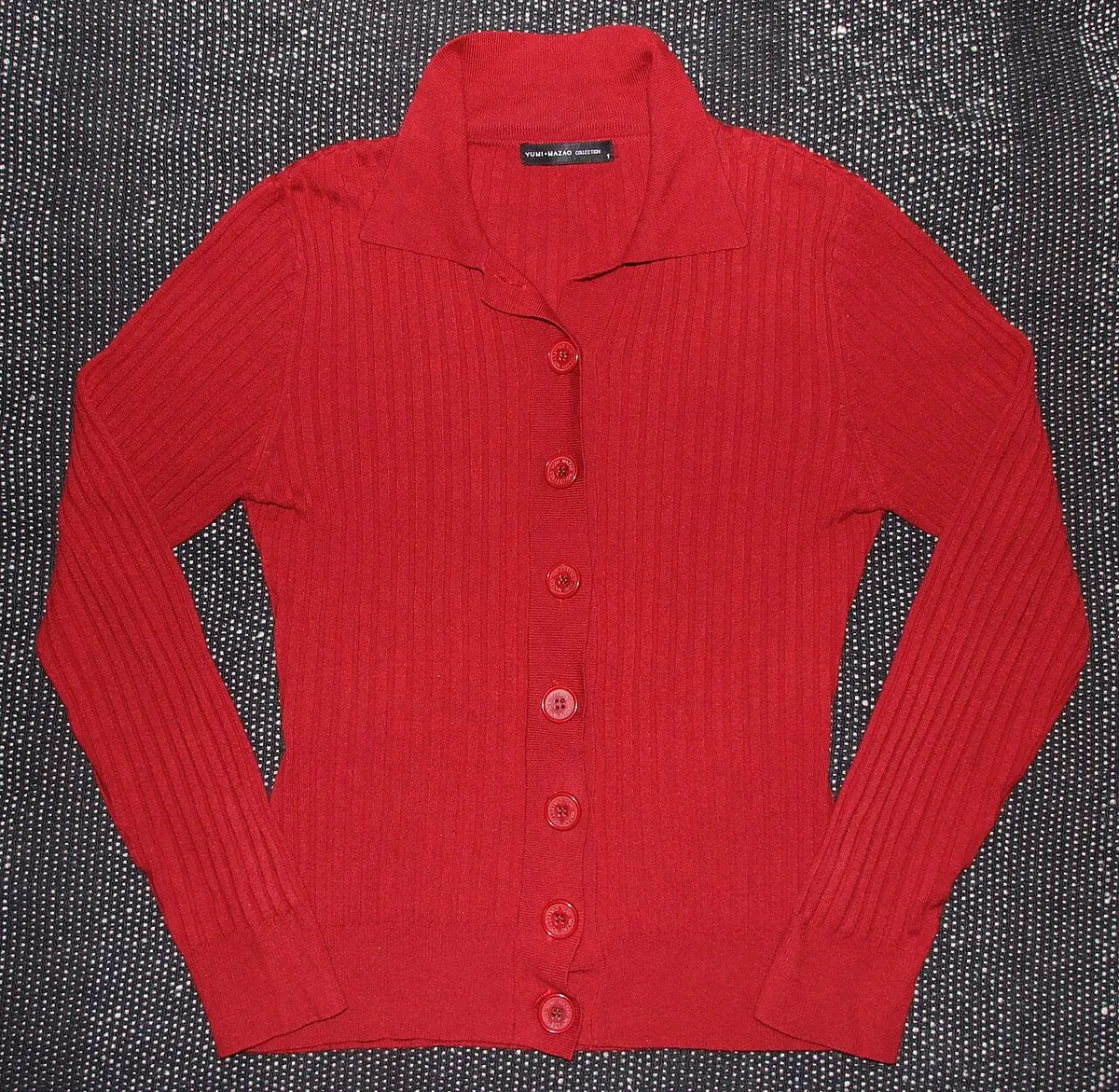
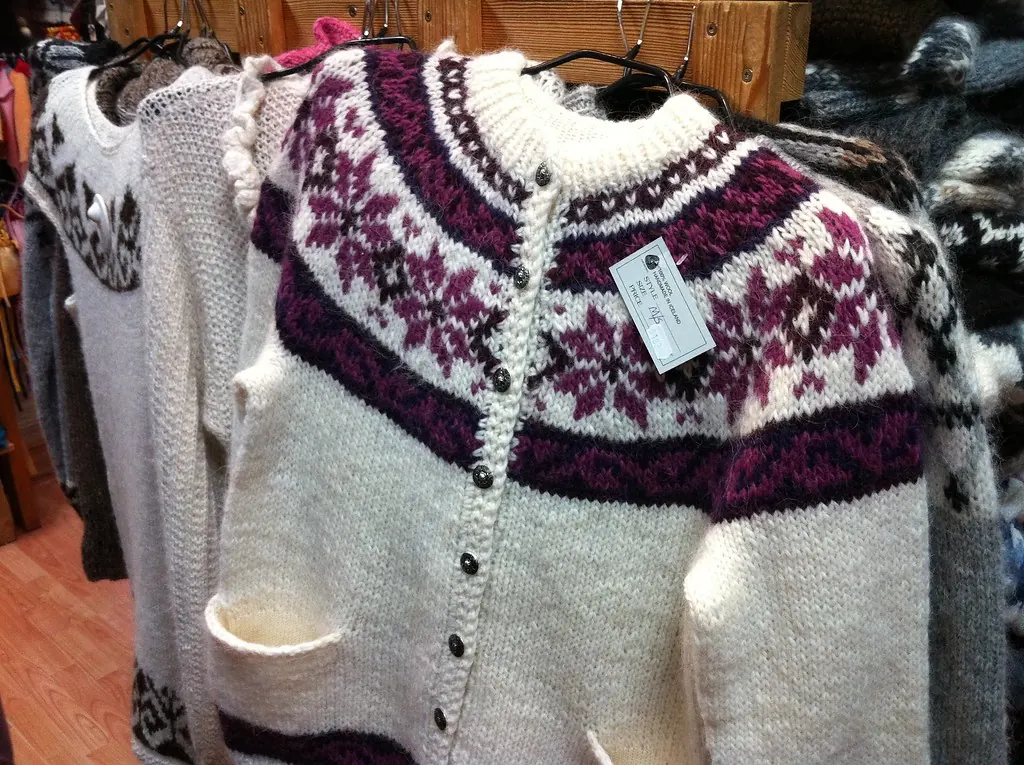
Button or zip front with a knitted rib placket, which must stay flat and not twist after washing. Buttons, buttonholes and placket linking add steps, so a cardigan costs more than the same pullover; ask for a button pull test on kids' sizes.

Turtlenecks

A tall folded rib collar that must stretch over the head and recover, often in fine-gauge wool or viscose blends for layering. The neck opening is a common fault, so state it relaxed and stretched and check it at sampling.

Sweater vests

Sleeveless knits with rib trims at neck and armholes, often in cable or argyle, common in school uniforms. They use less yarn than a pullover, but the trims still need linking, so the saving is smaller than the yarn suggests.

Flat-knit jumpers

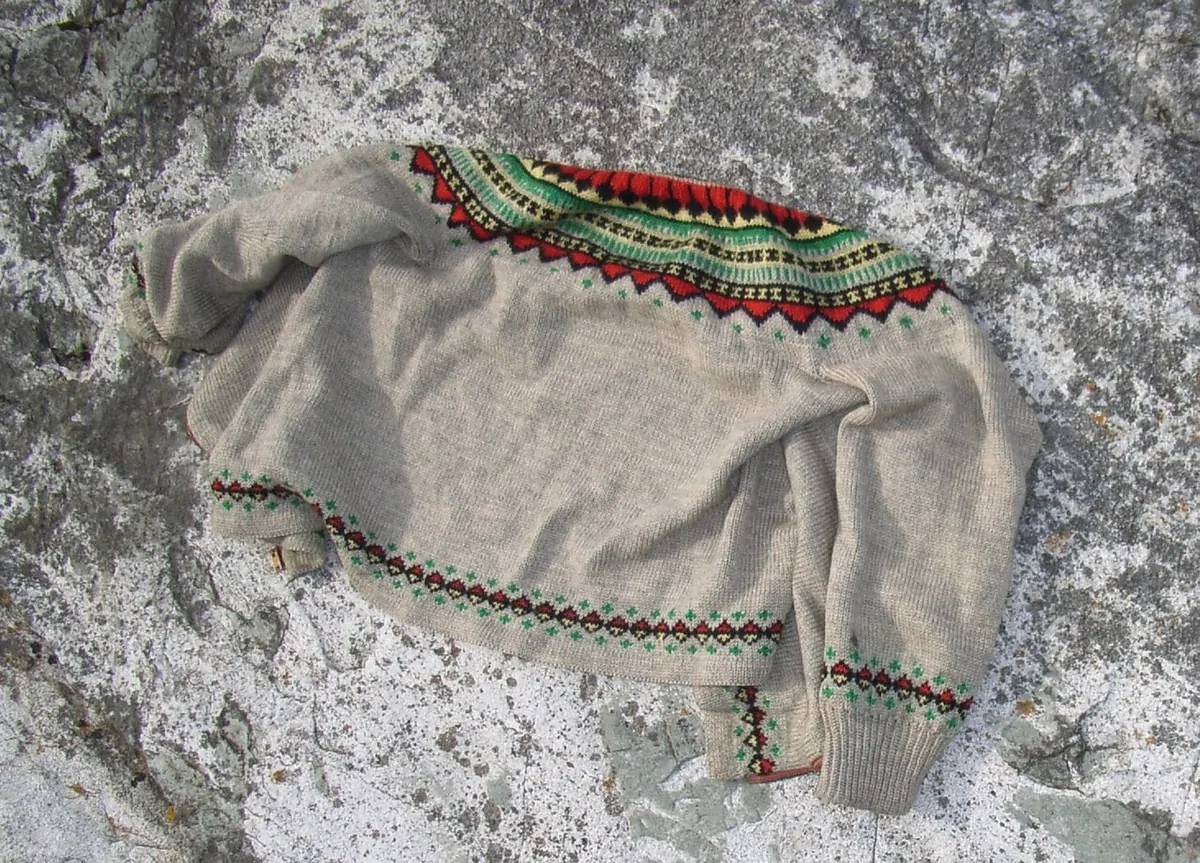
Fully fashioned panels are shaped on the machine, with visible fashioning marks and little waste; cut-and-sew panels are knitted as blanks and cut, which wastes yarn and leaves overlocked edges. State which you want, and whether seams are linked or overlocked.

Kids' sweaters

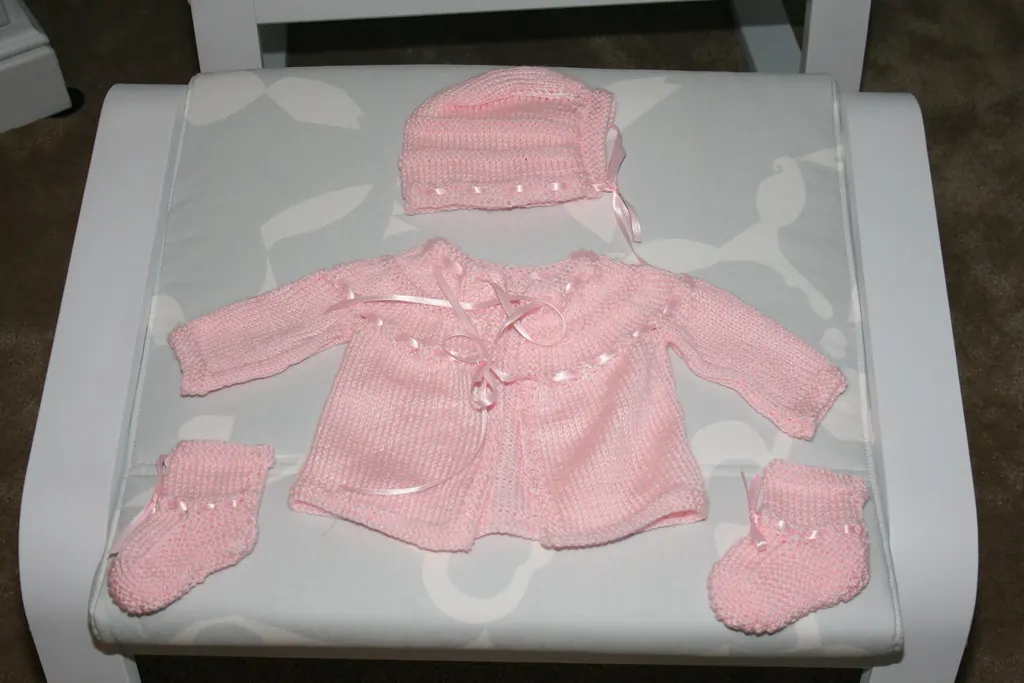
Soft acrylic, cotton or washable wool blends, with fewer trims. Buttons need a pull test, EN 14682 bars drawstrings and functional cords in the hood and neck area for young children, and baby sizes usually need OEKO-TEX product class I.

How to specify knitwear for a sweater manufacturer in Bangladesh

Yarn by fibre, count and ply
Composition and count in Nm with ply, for example 2/28 Nm (two plies of a 28 Nm yarn). Say whether the shade is stock or dyed to order; stock yarn is quicker.
Gauge and stitch
Machine gauge in GG, needles per inch: about 3GG to 5GG for chunky knits, 7GG mid-weight, 12GG and finer for light knits. Name the stitch: jersey, rib, cable, jacquard or intarsia.
Weight and measurements, relaxed
Target grams for a named size with a tolerance, often plus or minus 5%, since yarn is bought by weight and the number makes quotes comparable. Measure flat and relaxed, never stretched, and fix after washing.
Wash, handle and care claim
Softener, enzyme or garment wash, approved on a washed swatch. Hand wash, machine wash or dry clean: the care label must match the yarn and its treatment.
Linking and trims
Linked or overlocked joins at shoulders, collar and cuffs, plus buttons, zips, labels and patches. Linked seams are flatter and stretch with the knit.
Colours, sizes and packing
Pieces per colour and the size ratio, since yarn is dyed in lots per colour. Pack dry with silica gel in sealed poly bags: monsoon damp brings mould, and wool draws moths.

Tests, labels and standards for sweaters

ISO 12945-1 and ISO 12945-2
Pilling by the pilling box or modified Martindale method, graded 1 to 5, where 5 means no pilling. Acrylic and low-twist yarns pill more; set the method and minimum grade.
ISO 1833 and fibre labelling
Fibre composition by chemical analysis, labelled under Regulation (EU) 1007/2011 or the US Textile and Wool Acts. Test the bulk yarn lot, not the yarn spec sheet.
ISO 6330 and ISO 5077
Dimensional change after the wash programme on your care label. Ask for length and width results: knitwear that passes in width can still grow in length when hung.
RWS, GRS and OEKO-TEX
Responsible Wool Standard for wool claims and GRS for recycled yarn, each with a transaction certificate per shipment; OEKO-TEX Standard 100 for harmful substances.
EN 14682
Cords and drawstrings on children's clothing, strictest at the hood and neck. It applies to kids' knits with ties, cords or hoods sold in Europe.

What moves the price of a sweater

  • Yarn: wool costs several times more per kilogram than acrylic, blends sit between, and dyed-to-order shades cost more than stock.
  • Weight per piece: more grams means more yarn, so a chunky pullover carries more yarn cost than a fine-gauge one.
  • Gauge and stitch: fine gauges, cable, jacquard and intarsia take longer to knit than plain jersey or rib.
  • Finishing and trims: linking, garment wash, shrink-resist treatment, buttons, zips and labels each add a line.
  • Quantity per colour: each shade needs its own yarn lot, and small lots cost more per kilogram.

Lead times and delivery

Typical ranges: a knit-down for yarn and stitch approval takes about a week, and a first sample two to three weeks. Bulk usually runs 60 to 90 days from sample and yarn approval, longer with dyed-to-order or imported yarn and jacquards. Knitting capacity fills early for autumn and winter. Roptan confirms dates in the quote.

Inside Bangladesh we deliver to your warehouse, shops or school in Dhaka, Gazipur, Chattogram or any other city, folded and bagged by size and colour, with the packing list, the inspection report and a VAT invoice (Mushak 6.3). School and corporate sweaters can be packed per class, branch or person.

Buying sweaters and knitwear for export

For importers we quote FOB Chattogram (Chittagong), or FCA Dhaka for air freight from Hazrat Shahjalal International Airport. Sweaters fall under HS heading 6110, where fibre sets the subheading, so the invoice states composition. Documents: commercial invoice, packing list, bill of lading or air waybill, origin paperwork (a REX statement for EU GSP, UK DCTS), fibre and pilling reports and the final inspection report. Payment: commonly a letter of credit, or a deposit with the balance against documents.

What we check for this order

  • Audit valid on the quote dateamfori BSCI, Sedex SMETA or WRAP report for the knitting and linking unit, not expired on the day we quote.
  • RSC or Accord statusBuilding and fire safety status of that unit and of any unit that links or washes for it.
  • Certificate covers the sweaterOEKO-TEX, GOTS, RWS or GRS number, scope and expiry checked with the issuer; a yarn certificate alone does not cover the garment.
  • A visit before the first bulk orderWe see machines in your gauge, your yarn in stock and booked knitting capacity before bulk.

Questions buyers ask

What gauge should I choose for a sweater?

Choose by weight and look. Around 3GG to 5GG gives a chunky outer sweater, 7GG a mid-weight everyday knit, and 12GG or finer a light layering piece. Finer gauges need finer yarn and more knitting time. Tell us the look and we match units that run that gauge.

Why does sweater weight matter in the quote?

Because yarn is usually the largest cost and weight shows how much yarn is in the garment. Two quotes can differ only because one is 380 g and the other 320 g, so a far lower price often means a lighter garment. We state weight per piece and check it at inspection.

Can you source machine-washable wool sweaters?

Yes, if the wool is shrink-resist treated and the care label says machine wash on a wool programme; untreated wool felts and shrinks in a machine. Wool, merino and cashmere blend yarns are usually imported, which adds cost and weeks. Ask for dimensional change results after the labelled wash.

What is the minimum order per colour?

It depends on the yarn. On stock-colour yarn, knitwear units often accept a few hundred pieces per colour; yarn dyed to your shade needs a full dye lot, which raises it, and jacquards need more. Many colours in one style raise the price per piece. The quote states each minimum.

Can you make school or company sweaters for use in Bangladesh?

Yes. Schools, companies and security firms order V-neck pullovers, cardigans and vests in uniform colours, often with an embroidered logo. Tell us the headcount by size and the colour; we arrange a size set for trial, then deliver by branch or class with a VAT invoice before the cold season.

How soon will I hear back about sweaters and knitwear?

Within 48 hours of a complete requirement, with a price and a delivery date. A requirement is complete when it has the quantity, where it is needed and by when.

Who do I deal with?

With Roptan, when Roptan manages the order: we buy from the verified seller and deliver to you. With the supplier directly, when you post on the requirement board and choose a quote yourself.