Managed sourcing from Bangladesh, for export and for buyers at home
Get it sourced

Medical and lab

Medical equipment supplier in Bangladesh

Roptan acts as your medical equipment supplier in Bangladesh. Tell us the device, the ward and the quantity, and we source monitors, ECG and ultrasound machines, oxygen concentrators, infusion pumps and hospital furniture from verified, authorised sellers, with registration, warranty and installation checked.

  • Verified sellers
  • Checked before it ships
  • Delivered by Roptan

Get medical equipment sourced

Prefer to deal with suppliers yourself? Post it on the requirement board

Medical equipment products

Pick a product and we source it for you, or send one requirement that covers several.

Buying medical equipment in Bangladesh

Hospitals, clinics and diagnostic centres, from Dhaka and Chattogram (Chittagong) to district towns, equip ICUs, operating theatres, wards and outpatient rooms with monitors, ECG and ultrasound machines, infusion pumps and oxygen concentrators. Buyers are hospital procurement and biomedical teams, clinic owners, NGOs and tender committees. Most equipment is imported, and the purchase price is only part of the cost: consumables, service and uptime decide what a device costs over its life.

As your medical equipment supplier in Bangladesh, Roptan takes your specification or tender schedule, sources from sellers we have verified who hold the maker's authorisation, checks DGDA registration where required, and puts warranty, consumables and service terms in writing. The seller installs, commissions and trains your staff. You deal with Roptan only, or post the requirement on the board.

Medical equipment we source

Patient monitors

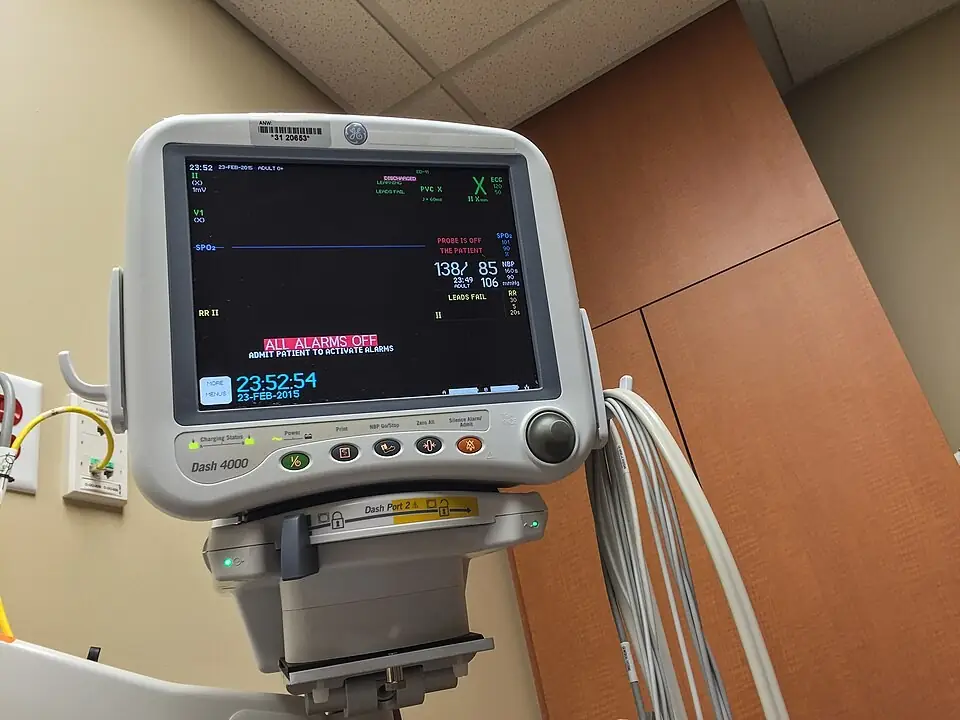
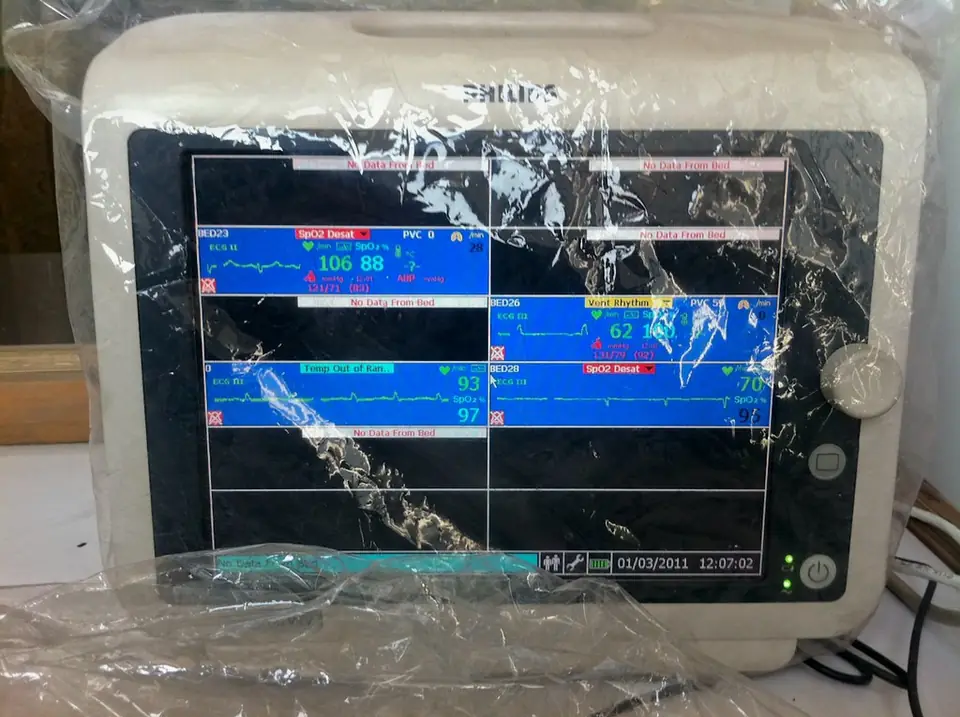
Monitors for ECG, SpO2, non-invasive blood pressure, temperature and respiration, with invasive pressure and EtCO2 options for ICU and theatre. Every added parameter raises the price and the consumables, so specify what the ward uses.

ECG machines

Resting electrocardiographs that print or store 12-lead traces in 3, 6 or 12 channel formats, with interpretation software. Specify channels, print width and data export. Paper and electrodes are the running cost, so check they are available locally.

Ultrasound machines

Cart-based systems for busy departments and portable units for clinics and bedside use. Each exam type needs its own probe (convex, linear, phased array, endocavity), and probes are the costly spare, so list each one and ask for its warranty separately.

Oxygen concentrators

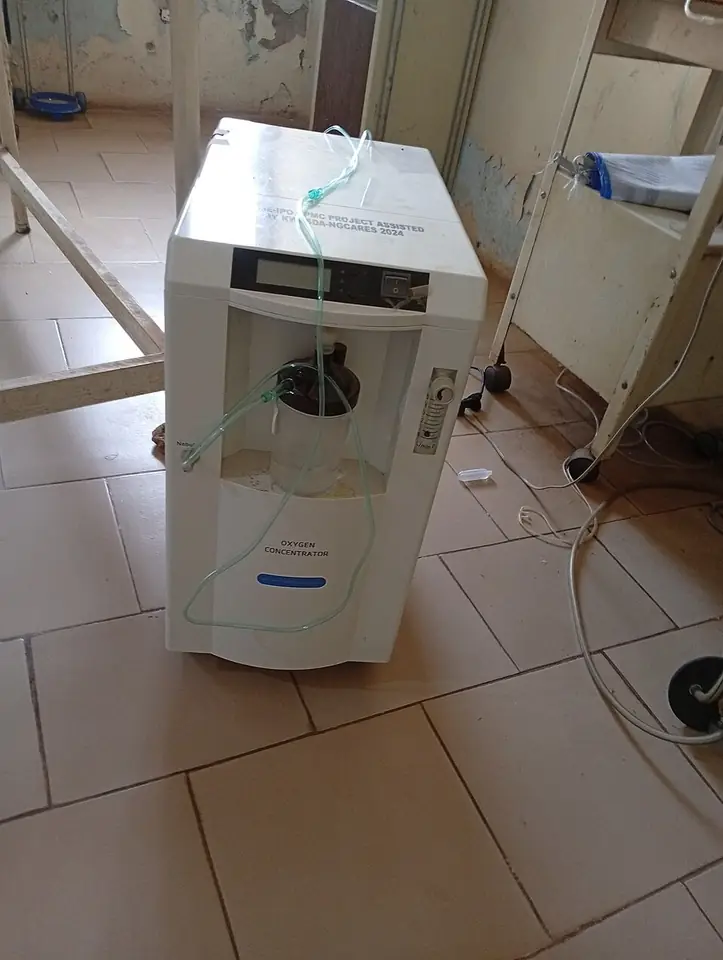
Units that separate oxygen from room air for wards, clinics and homes, commonly rated at 5 or 10 litres per minute. Specify oxygen purity at full flow, alarms, noise level, power draw and the operating temperature range for rooms without air conditioning.

Infusion pumps

Volumetric pumps run from IV bags; syringe pumps give small, precise doses in ICUs and neonatal units. Specify accuracy, occlusion alarms and drug library needs, and check whether the pump needs the maker's own sets, because that decides the running cost.

Hospital furniture

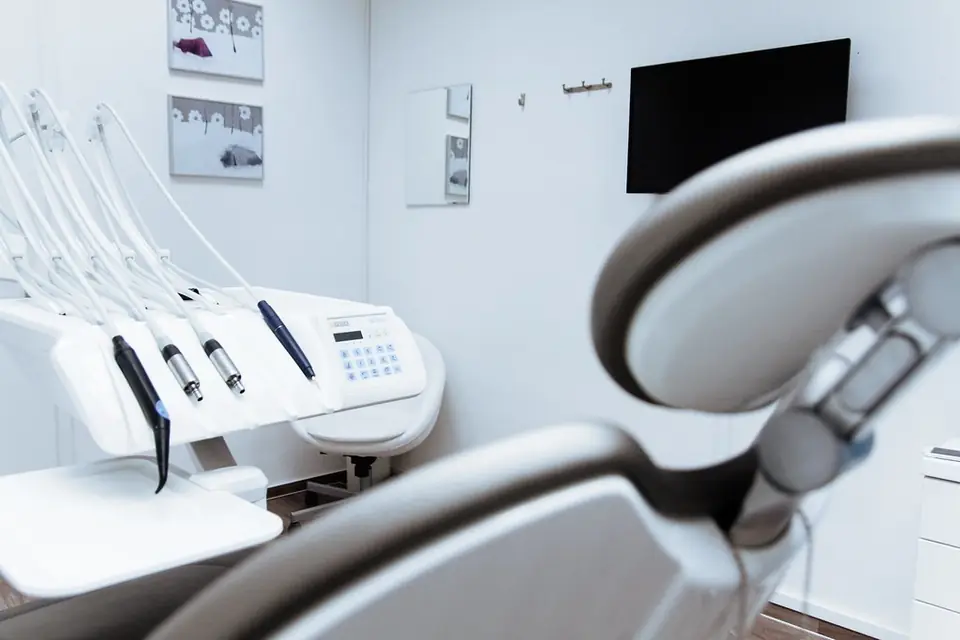
Beds, patient trolleys, bedside lockers, overbed tables, IV stands and examination couches in powder-coated or stainless steel. Compare frame material, load rating, castor brakes and how the finish stands up to daily disinfectant.

What to tell a medical equipment supplier in Bangladesh

Clinical setting
Say where it goes: ICU, theatre, ward, emergency, clinic or home. The setting decides parameters, alarms, portability and whether units link to a central station.
Specification, not a model
List parameters, ranges, probes, channels and software options rather than a model name, so sellers quote comparable equipment and you can compare quotes line by line.
Power and room
Mains is 220 to 230 V at 50 Hz. Describe voltage swings and load shedding, ask for battery backup time and an online UPS (IEC 62040-3) where needed, and give room temperature and humidity.
Consumables and accessories
List probes, sensors, cuffs, cables, electrodes, paper, sets and filters for the first year, and ask whether compatible consumables from other makers are allowed. Running cost sits here.
Registration and approvals
Ask for DGDA registration where required, CE marking or US FDA clearance for the exact model, the maker's ISO 13485 certificate and IEC 60601-1 test reports.
Service support
Ask where service engineers are based, the response time in writing, loan units, preventive maintenance visits, how long spare parts stay available and the price of a service contract after warranty.
Installation, training and data
Say whether installation and clinical and biomedical training must be included, for how many staff, and state any data link needed, such as HL7 for monitors or DICOM for ultrasound images.

Standards, registration and acceptance tests

DGDA registration
The Directorate General of Drug Administration registers medical devices where required. Ask for the registration, or its status, for the exact model quoted before ordering.
IEC 60601-1 and IEC 60601-1-2
Basic safety and essential performance of medical electrical equipment, and its electromagnetic compatibility. Ask for test reports for the exact model from an accredited lab.
IEC 60601-2 particular standards
Device-specific parts: 2-25 for electrocardiographs, 2-27 for ECG monitoring, 2-37 for ultrasound, 2-24 for infusion pumps, and ISO 80601-2-69 for oxygen concentrators.
ISO 13485
Quality management for device makers. Ask for the current certificate and check that its scope covers the product in the quote.
IEC 62353
Electrical safety tests at acceptance and after repair: protective earth resistance and leakage currents. Ask for the test record at commissioning, with a calibration report from an ISO/IEC 17025 accredited lab for monitors and pumps.

What moves the price of medical equipment

  • Configuration: each extra parameter, probe, channel or software option adds a large share to the base unit price.
  • Origin and approvals: European, US and Japanese models usually cost more than Korean, Chinese or Indian ones, as do CE or FDA-cleared models.
  • Service package: longer warranty, faster response and a service contract add cost now and cut downtime later.
  • Consumables, accessories, installation and training: included in the offer or left out.
  • Quantity and terms: bundles, such as monitors with a central station, earn better terms; imports move with the exchange rate.

Lead times and delivery

Common monitors, ECG machines, concentrators and pumps held by importers in Dhaka usually deliver within one to two weeks. Specific configurations, ultrasound systems with chosen probes and tender quantities are imported to order and typically take six to twelve weeks; a model that still needs registration takes longer. Roptan confirms delivery, installation and training dates in the quote.

Quotes are for delivery to your hospital or clinic in Dhaka, Chattogram, Sylhet, Khulna or a district town. The seller's engineer installs and commissions each device, runs acceptance and electrical safety tests, and trains your clinical and biomedical staff. Handover includes the installation and test report signed by your staff, user and service manuals, a warranty certificate listing serial numbers and a VAT invoice (Mushak 6.3). Roptan checks serial numbers and accessories against the order before sign-off.

What we check for this order

  • Trade licence and DGDA registrationThe seller's trade licence and, where required, the DGDA registration or its status for the exact model in the quote.
  • Brand authorisationA letter from the maker authorising the seller to supply and service this equipment in Bangladesh, so warranty and parts are honoured.
  • Warranty and service termsWarranty years, response time, loan units, spare parts and preventive maintenance written into the quote, not promised verbally.
  • Installation and trainingWho installs and commissions, which acceptance tests run and how many staff are trained: included or priced as separate lines.

Questions buyers ask

Do medical devices need DGDA registration in Bangladesh?

Many do, and the requirement differs by device category. We ask the seller for the registration, or its status, for each item in your quote and flag any unregistered item before you order. Where a category does not need it, the seller confirms that in writing.

What does brand authorisation mean?

A letter from the maker saying the seller may sell and service that equipment in Bangladesh. Without it, the maker may refuse warranty claims and parts can be hard to get. Ask for it with the quote and check the models and dates it covers.

How do I compare two quotes for the same monitor?

Line them up on the same configuration: parameters, screen size, accessories, battery, warranty years, response time, consumable prices and the cost of a service contract after warranty. A lower base price often hides dedicated consumables or a one-year warranty.

What should I check when an oxygen concentrator is delivered?

Check flow and oxygen purity with an oxygen analyser at the rated flow, and test the low-purity and power failure alarms. Purity is usually quoted as about 93% ± 3%. Keep the unit ventilated and clean its intake filter often in dusty conditions.

Should I buy new or refurbished medical equipment?

New equipment carries the maker's warranty and full parts support. Refurbished units cost less and can suit tight budgets and non-critical uses, but ask who refurbished them, what was replaced, whether parts are still available, and for a written warranty. For ICU and theatre equipment, most buyers choose new.

How soon will I hear back about medical equipment?

Within 48 hours of a complete requirement, with a price and a delivery date. A requirement is complete when it has the quantity, where it is needed and by when.

Who do I deal with?

With Roptan, when Roptan manages the order: we buy from the verified seller and deliver to you. With the supplier directly, when you post on the requirement board and choose a quote yourself.