Managed sourcing from Bangladesh, for export and for buyers at home
Get it sourced

Apparel and textiles

Textile testing equipment supplier in Bangladesh

Need a textile testing equipment supplier in Bangladesh? Tell us the tests you run and the methods your buyers name. We source colour matching cabinets, grey scales, crockmeters, spectrophotometers and lab consumables from verified sellers, check calibration and deliver to your lab.

  • Verified sellers
  • Checked before it ships
  • Delivered by Roptan

Get textile testing and colour lab sourced

Prefer to deal with suppliers yourself? Post it on the requirement board

Textile testing equipment products

Pick a product and we source it for you, or send one requirement that covers several.

Buying textile testing and colour lab in Bangladesh

Dyeing, knitting and garment units in Gazipur, Narayanganj, Savar, Ashulia and Chattogram run in-house labs to approve lab dips and pass buyers' fastness tests before goods reach a third-party lab, and buying houses in Dhaka need the same tools for shade approval. The wrong lamp or a worn grey scale gives the wrong answer, so a textile testing equipment supplier in Bangladesh has to match the exact methods your buyers name, not just the instrument type.

Roptan sources the equipment and consumables for you. Send the test methods and your buyers' manuals; we source from verified sellers and authorised importers, compare quotes on the same scope of supply, warranty and service, check the model against the method, the calibration certificates and the 50 Hz rating, and arrange installation and training through the seller. You deal with Roptan only.

Textile testing and colour lab we source

Colour matching cabinets

Light boxes with a neutral grey interior for visual shade and metamerism checks. Specify D65 daylight, illuminant A, the store light your buyers use (cool white or narrow band fluorescent, or LED), UV for brighteners and an hours meter per lamp.

Shade guides

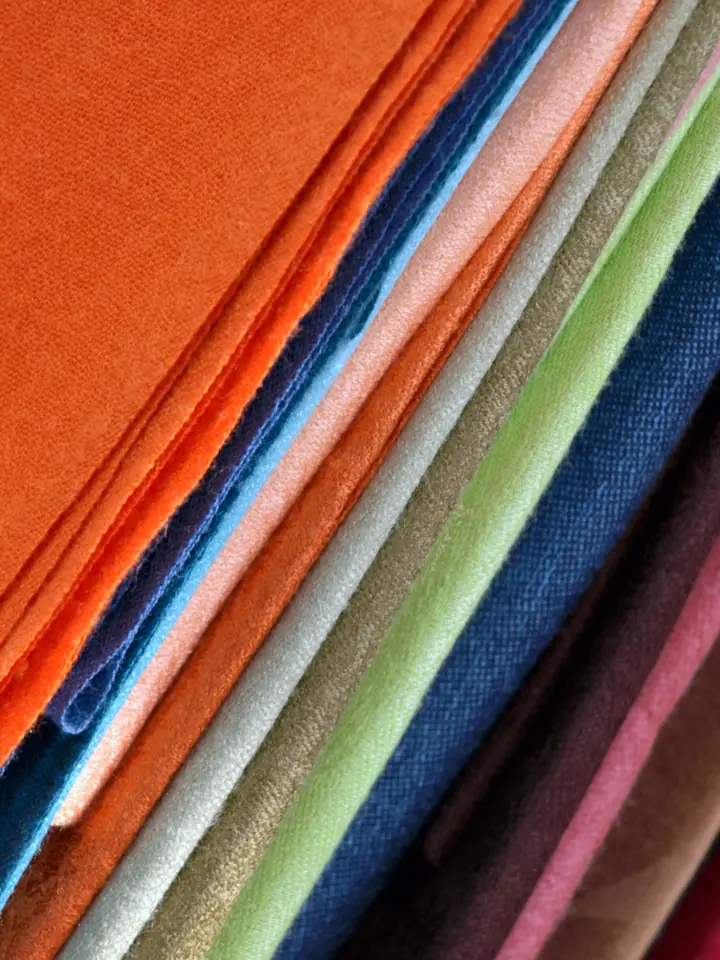
Colour system books and swatch cards used to set and approve shades with buyers; cotton swatches show a colour on fabric better than paper. Order the edition your buyer names and replace worn or faded copies, since swatches shift with light and handling.

Grey scales

Grey scales for change in colour (A02) and for staining (A03), each with five grades and half steps, where 5 means no change. Buy both, keep them in their covers away from light, and replace any scale that is soiled or scratched.

Lab dip consumables

Standard materials the methods name: multifibre adjacent fabric to ISO 105-F10, reference detergent and steel balls for ISO 105-C06, crock cloth, perspiration reagents, and beakers and dyeing tubes for lab dips. Buy exactly what the method names; a substitute changes results.

Crockmeters

Rub testers for colour fastness to rubbing to ISO 105-X12 or AATCC 8, both using a 16 mm finger at 9 N. Manual models suit most labs; motorised units give more even strokes. Check the supply of spare fingers and cloth.

Spectrophotometers

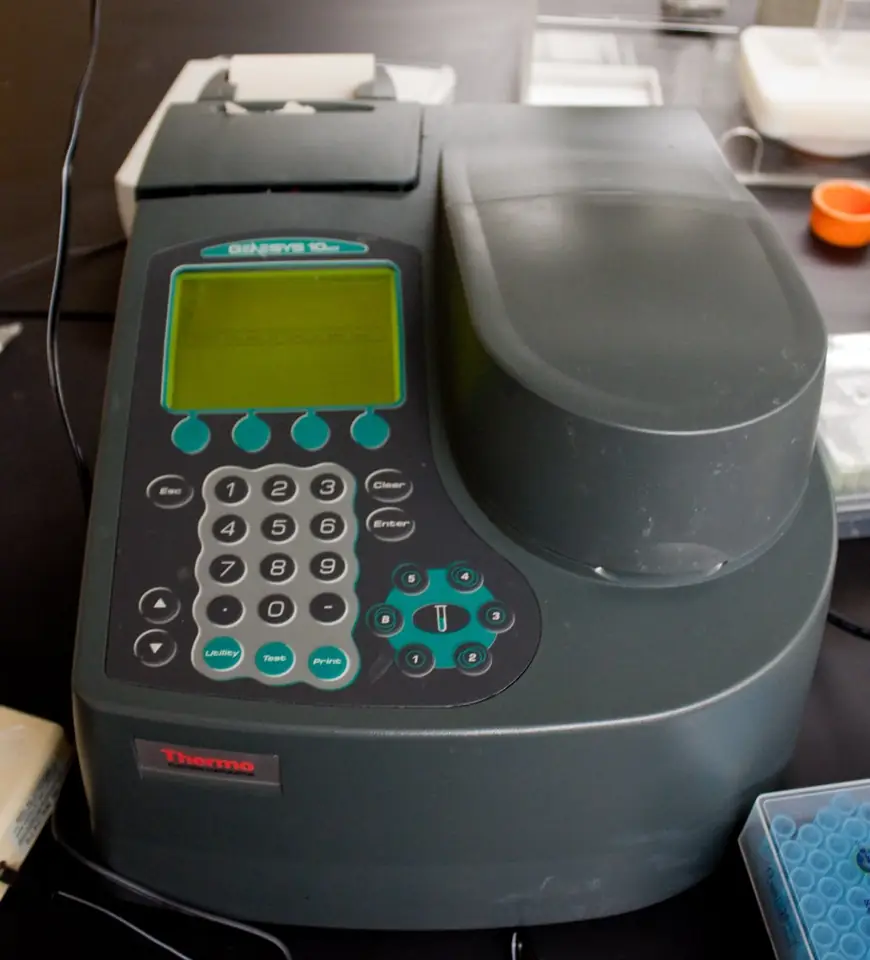
Instruments that measure colour as numbers, so a shade passes or fails against a set tolerance, commonly CMC 2:1 for textiles. Benchtop sphere units suit lab pass or fail; portable units suit the floor. Specify apertures, specular included and excluded, UV control and software.

What to tell a textile testing equipment supplier in Bangladesh

Test methods first
List each ISO 105 or AATCC method your buyers name, such as C06, X12 and E04. Equipment, consumables and settings follow from the methods, not the reverse.
Light sources
Every source your buyers assess under: D65 daylight near 6500 K, illuminant A near 2856 K, the store light and UV. A missing source means failed shade approvals.
Instrument geometry and software
For a spectrophotometer: sphere or 45/0 geometry, aperture sizes, the data formats your buyers accept, and software seats and licence terms in writing.
Power supply
Rated for 50 Hz. Voltage swings and load shedding shift lamp output and harm electronics, so put instruments on an online UPS or a stabiliser.
Room conditions
Samples are conditioned at 20 °C and 65% RH to ISO 139 before testing, and cabinets need a room without stray daylight. Dust on a sphere or booth diffuser shifts readings.
Calibration and service
Calibration tiles with certificates, recalibration, usually yearly, traceable through an ISO/IEC 17025 accredited lab, and a service engineer, spare lamps and parts in Bangladesh.
Consumables stock
Lot numbers and expiry dates for detergent and perspiration reagents, and monthly use of multifibre and crock cloth, so reorders arrive before an audit finds an empty shelf.

Standards the equipment must meet

ISO 105-A02 and ISO 105-A03
Grey scales for assessing change in colour and staining. Check the standard named on the box and the scale's own conformity certificate and batch number.
ISO 105-X12 and AATCC 8
Rubbing fastness methods. The crockmeter's finger size, load and stroke must match the method you report; ISO 105 and AATCC tests differ in detail.
ISO 105-C06 and ISO 105-F10
Laundering fastness, which sets the reference detergent, steel balls and multifibre fabric; F10 specifies the multifibre, type DW with wool and TV without.
ISO 105-J03 and CMC 2:1
The colour difference calculation used for instrumental pass or fail in textiles. Confirm the instrument software applies it and reports your buyer's tolerance.
ISO/IEC 17025 calibration
Certificates from an accredited lab, listing serial numbers, reference standards and uncertainty, give your in-house results standing with buyers and third-party labs.

What moves the price of textile testing equipment

  • Instrument class: benchtop sphere spectrophotometers cost more than portable units; geometry and apertures set the band.
  • Cabinet build: the number of light sources, LED or fluorescent lamps, viewing size and hour meters.
  • Software: licences, seats, buyer data formats and update fees, which recur after the purchase.
  • Service: calibration certificates, installation, training, spare lamps and a local service contract.
  • Origin and import route: European, Japanese, American, Chinese and Indian makes differ in price, freight, duty and local support.

Lead times and delivery

Typical ranges: grey scales, crock cloth, multifibre and detergent held in stock in Dhaka can arrive within days. Cabinets and crockmeters usually take one to four weeks from stock, longer when imported to order. Spectrophotometers with software, usually imported to order, take about four to eight weeks plus installation. Customs clearance and calibration visits add time. Roptan confirms delivery and installation dates in the quote.

We deliver to your lab in Dhaka, Gazipur, Narayanganj, Savar, Ashulia or Chattogram. The seller installs and calibrates cabinets and instruments on site, trains your staff and hands over the calibration certificate, manuals, commissioning test sheet and warranty card, with a VAT invoice (Mushak 6.3). Keep the certificates on file: buyers' auditors ask for them. Consumables can come on a schedule so stock never runs out.

Buying textile testing and colour lab for export

Brands and buying offices abroad order matched kits for their Bangladesh vendors' labs, so both sides judge colour under the same lamps and methods; we deliver to each mill with calibration and batch certificates and report models and serial numbers to your quality team. Goods that must leave Bangladesh, such as consumables for a regional lab, go FOB Chattogram or by air from Dhaka with a commercial invoice, packing list and certificate copies.

What we check for this order

  • Model matches the methodThe quoted model, lamps and consumables checked against the test methods and light sources your buyers name, before the order.
  • Calibration certificatesCurrent certificates for tiles, instruments and grey scales, traceable through an accredited lab, matching the serial numbers delivered.
  • Genuine goods and in-date consumablesSerial numbers, origin and warranty terms checked with the seller; batch numbers and expiry dates checked on consumables.
  • Service support in BangladeshThe seller's engineer, spare lamps, calibration tiles and response time confirmed before you buy, not after a breakdown.

Questions buyers ask

Which light sources should my colour cabinet have?

The ones your buyers assess under. Most textile buyers name D65 daylight as the primary source, with a store fluorescent or LED and illuminant A as secondary sources, plus UV to show optical brighteners. Match each buyer's manual exactly, or a shade will pass in your lab and fail in theirs.

Do I need a spectrophotometer, or will a cabinet do?

Start with a cabinet: visual checks under standard light are the base of shade approval. A spectrophotometer adds numbers, so shades pass against a set tolerance and recipes are corrected faster. Dyeing labs usually need both; a garment unit is often covered by a cabinet, grey scales and a crockmeter.

Can you supply standard test consumables in Bangladesh?

Yes. Multifibre adjacent fabric, reference detergent, steel balls, crock cloth and perspiration reagents come with batch certificates, sourced to the named method rather than look-alikes. Tell us your monthly test count so orders are used within their expiry dates.

Do spectrophotometers cope with load shedding?

Yes, with protection. Use an online UPS or voltage stabiliser, let the lamp warm up, and calibrate on the white tile at the start of each shift. Unstable supply causes drift and harms electronics, so check the power range on the nameplate.

Can you arrange calibration of our existing equipment?

Yes, through the seller's service or an ISO/IEC 17025 accredited lab. The certificate should list serial numbers, reference standards, results and uncertainty, and the quote says whether the work happens on site or at the lab. Keep it with the instrument record for buyer audits.

How soon will I hear back about textile testing and colour lab?

Within 48 hours of a complete requirement, with a price and a delivery date. A requirement is complete when it has the quantity, where it is needed and by when.

Who do I deal with?

With Roptan, when Roptan manages the order: we buy from the verified seller and deliver to you. With the supplier directly, when you post on the requirement board and choose a quote yourself.