Managed sourcing from Bangladesh, for export and for buyers at home
Get it sourced

Apparel and textiles

Babywear manufacturer in Bangladesh

Need a babywear manufacturer in Bangladesh for bodysuits, rompers or sleepsuits? Send the styles, size range, fabric and target market. We source from verified factories, book the safety tests your market needs, inspect the bulk and ship FOB Chattogram or deliver locally.

  • Verified sellers
  • Checked before it ships
  • Delivered by Roptan

Get babywear and kidswear sourced

Prefer to deal with suppliers yourself? Post it on the requirement board

Babywear products

Pick a product and we source it for you, or send one requirement that covers several.

Buying babywear and kidswear in Bangladesh

Babywear carries stricter rules than adult clothing: snaps, prints, cords and dyes are all tested, and sleepwear has fire rules. Importers, retailers and baby brands buy bodysuits, rompers, sleepsuits and sets in conventional or organic cotton, and Bangladeshi retailers stock them all year. A babywear manufacturer in Bangladesh has to pass those tests on every order, not only the first.

Roptan runs the sourcing. Send a sample or tech pack by form or chat. We match it to verified knit units around Narayanganj, Gazipur, Ashulia and Chattogram that make babywear, set the test plan with you, compare quotes line by line including lab fees, inspect the bulk and deliver. You deal with Roptan only.

Babywear and kidswear we source

Rompers

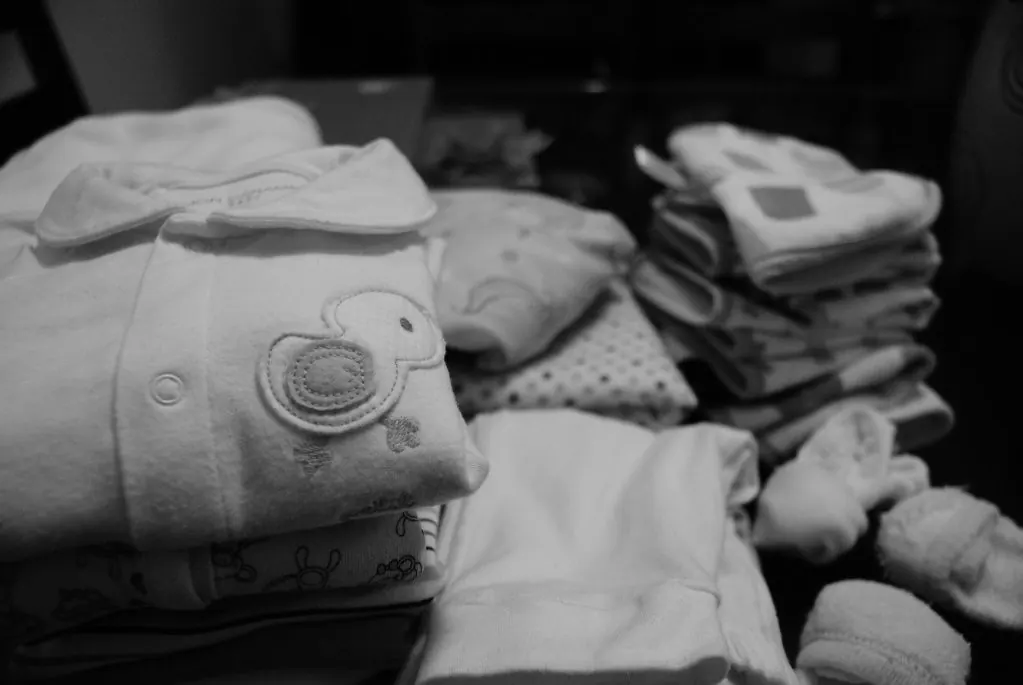
One-piece outfits with short or long legs, in knit or light woven cotton, opening with snaps at the crotch or a zip with a chin guard. Count the snaps per garment: each is a part to buy, attach and pull-test.

Bodysuits

The core basic: envelope shoulders that stretch over the head or pull down over the body, and snaps at the crotch. Specify fabric (single jersey, interlock or rib), GSM, snap metal and coating, and the stretched neck opening per size, since babies' heads are large.

Baby sets

A top with trousers or shorts, sometimes a hat or bib, sold as one unit or boxed as a gift. Shade matching across pieces cut from different lots is the main risk, so ask for one dye lot per set.

Sleepsuits

Full-length sleepsuits, footed or footless, with a zip and fabric chin guard or a row of snaps. No loose threads inside the feet, which can wrap round toes. In the US, sleepwear above nine months must be flame resistant or tight-fitting.

Bibs and accessories

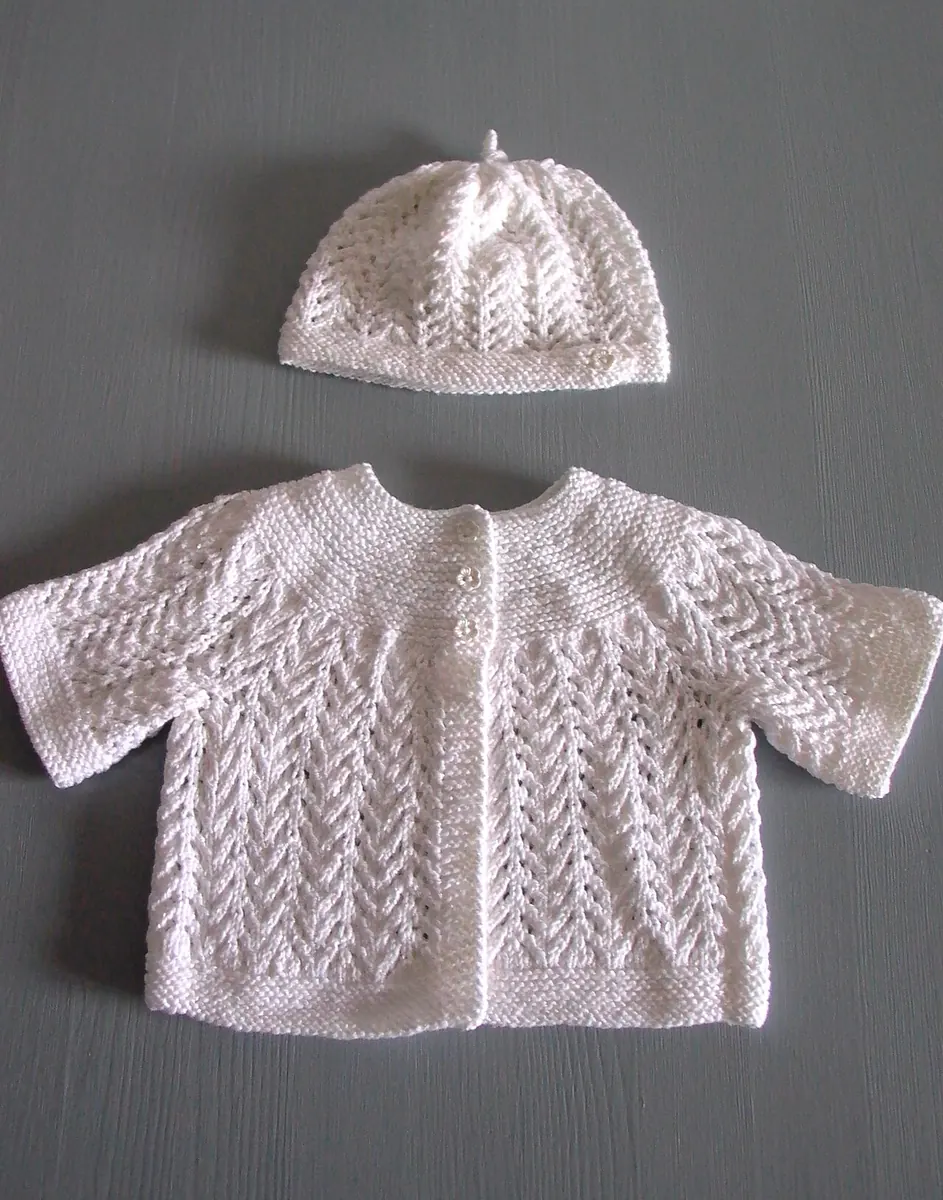
Terry or jersey bibs with a waterproof backing, plus hats, scratch mittens, booties and swaddles. Prefer snaps or hook and loop to neck ties, and test plastic backings for phthalates, limited under REACH and CPSIA.

Kids' dresses

Cotton poplin, voile, jersey or muslin dresses with frills, smocking or prints for toddlers and older girls. Keep trims sewn, not glued, pull test buttons, bows and sequins, and keep cords, ties and sashes within EN 14682.

How to brief a babywear manufacturer in Bangladesh

Sizes by height or age
EU sizes follow body length in centimetres (50, 56, 62, 68 and up); UK and US use age bands. Send your own chart with body measurements, since sizes differ between brands.
Fabric and softness
Cotton, organic cotton or viscose; single jersey, interlock or rib, with GSM. Interlock is thicker and more stable, jersey lighter and cheaper; approve softness on a washed sample.
Snaps and buttons
Snap type, metal or plastic, and count per style; the pull test force your buyer applies; non-ferrous metal if goods pass a needle detector; nickel release results for the EU.
Prints and trims
Water-based or phthalate-free inks, since baby clothes are mouthed, with a strike-off to fix shade. Appliqués and embroidery sewn, not glued; many buyers ban sequins, beads and loose pom-poms under three.
Market and tests
Name the market so the right tests are booked: OEKO-TEX product class I, CPSIA for the US, EN 14682 for cords in Europe, and flammability for sleepwear.
Labels and packing
Printed neck labels or soft side-seam labels with no scratchy edges. Multi-packs, hangers or gift boxes, poly bag warnings in the buyer's language, and silica gel against monsoon damp.

Safety standards and tests for babywear

OEKO-TEX Standard 100, class I
The product class for babies and toddlers up to 36 months, with the strictest limits and a colour fastness to saliva test. Check that it covers the finished garment, not only the fabric.
EN 14682
Cords and drawstrings on children's clothing: none in the hood and neck area for young children, and limits on cords, ties and sashes elsewhere, including the waist.
CPSIA (US)
Children's products need tests at a CPSC-accepted lab for lead in prints, snaps and other non-textile parts (100 ppm in materials, 90 ppm in coatings), a Children's Product Certificate and tracking labels.
16 CFR 1615 and 1616 (US)
Flammability of children's sleepwear. Garments sized nine months or younger and tight-fitting sleepwear that meets set measurements are outside them; other sleepwear must pass the burn test.
GOTS for organic claims
An 'organic' label needs GOTS certification of each processing step, at least 95% certified organic fibre and a transaction certificate per shipment; 'made with organic' needs at least 70%.

What moves the price of babywear

  • Fabric: GOTS organic cotton costs more than conventional, and interlock more than single jersey.
  • Snaps and zips: each press stud is bought, fixed and pull-tested; zips with chin guards cost more.
  • Prints: all-over prints and many colours cost more than one placement print, and each shade needs a strike-off.
  • Tests: CPSIA and OEKO-TEX reports per fabric, colour and trim are a fixed cost that weighs on small runs.
  • Packing and size spread: multi-packs, gift boxes and hangers add parts, and many small sizes shorten each run.

Lead times and delivery

Typical ranges: strike-offs and a first sample take two to three weeks, and lab tests on bulk fabric and trims about a week more. Bulk usually runs 60 to 90 days from sample approval; GOTS fabric, all-over prints and gift packing push it longer, and a failed safety test means rework and a retest. Roptan confirms dates in the quote.

Inside Bangladesh we deliver to your warehouse or shops in Dhaka, Chattogram or any other city, packed per piece, per multi-pack or in gift boxes and cartoned by size, with the packing list, lab reports, the inspection report and a VAT invoice (Mushak 6.3). Gift retailers and hospitals can order newborn sets packed one set per box.

Buying babywear and kidswear for export

For importers we quote FOB Chattogram (Chittagong), or FCA Dhaka for air freight from Hazrat Shahjalal International Airport. Babies' garments have their own HS headings, 6111 knitted and 6209 woven. Documents: commercial invoice, packing list, bill of lading or air waybill, origin paperwork (a REX statement for EU GSP, UK DCTS), lab reports per style, GOTS transaction certificates where claimed, and the final inspection report. For the US, the importer issues the Children's Product Certificate from those reports.

What we check for this order

  • Audit valid on the quote dateamfori BSCI, Sedex SMETA or WRAP report not expired on the day we quote, for the unit making your babywear.
  • RSC or Accord statusBuilding and fire safety status of that unit and of any print or embroidery unit it uses.
  • Class I or GOTS certificateOEKO-TEX product class I or GOTS number, scope and expiry checked with the issuer, covering finished babywear, plus the GOTS transaction certificate for your lot.
  • A visit before the first bulk orderWe see the snap attaching and pull test routine, needle control records and the needle detector before bulk.

Questions buyers ask

What tests does babywear need before shipping?

It depends on the market. For the EU: EN 14682 for cords, REACH chemical limits and nickel release for metal snaps. For the US: CPSIA lead tests at a CPSC-accepted lab, a Children's Product Certificate and the sleepwear flammability rules where they apply. Buyers usually add snap pull tests and saliva fastness.

How strong must snaps be on baby clothes?

Strong enough to pass the pull test your buyer sets: a force in newtons held for a set time on attached snaps, from bulk as well as samples. Failures usually come from a snap that does not suit the fabric thickness or from poor setting, so we check the setting routine too.

Is organic cotton babywear worth certifying?

Only if you will claim it. An 'organic' label needs GOTS at every step from spinning to the garment unit and a transaction certificate for each shipment. Certified fabric costs more and takes longer. If you only need safe chemistry, OEKO-TEX class I on conventional cotton may be enough.

What is the minimum order for babywear?

It is set per style and colour and split across sizes. On stock fabric with a placement print, knit units often accept a few hundred pieces per colour; organic fabric knitted and dyed to order, or all-over prints, usually need more. We state the minimum in the quote.

Who pays for babywear lab tests?

The quote shows lab fees as their own line, per style and colour, at an accredited lab your market accepts. Costs fall when styles share fabric and prints. Retests after a failure are at the seller's cost, and the order says so.

How soon will I hear back about babywear and kidswear?

Within 48 hours of a complete requirement, with a price and a delivery date. A requirement is complete when it has the quantity, where it is needed and by when.

Who do I deal with?

With Roptan, when Roptan manages the order: we buy from the verified seller and deliver to you. With the supplier directly, when you post on the requirement board and choose a quote yourself.