Managed sourcing from Bangladesh, for export and for buyers at home
Get it sourced

Apparel and textiles

Garments supplier in Bangladesh

Need a garments supplier in Bangladesh for knit, woven or denim styles? Send the tech pack, fabric and quantity. We source from verified factories, test and inspect the goods, and deliver in Bangladesh or ship FOB Chattogram.

  • Verified sellers
  • Checked before it ships
  • Delivered by Roptan

Get garments sourced

Prefer to deal with suppliers yourself? Post it on the requirement board

Garments products

Pick a product and we source it for you, or send one requirement that covers several.

Buying garments in Bangladesh

Bangladesh makes knit, woven and denim garments at export scale, mostly around Dhaka, Gazipur, Narayanganj, Savar, Ashulia and Chattogram. Buyers who look for a garments supplier in Bangladesh are importers placing a private label order, brands adding a second source, and local companies ordering uniforms, branded T-shirts or stock garments from surplus export runs.

Roptan runs the sourcing. Send a tech pack or a sample by form or chat; we match it to verified factories with the right machines and audits, put their quotes on one basis, manage lab dips and the pre-production sample, inspect the bulk to your AQL and deliver. You deal with Roptan only.

Garments we source

Knit polo shirts

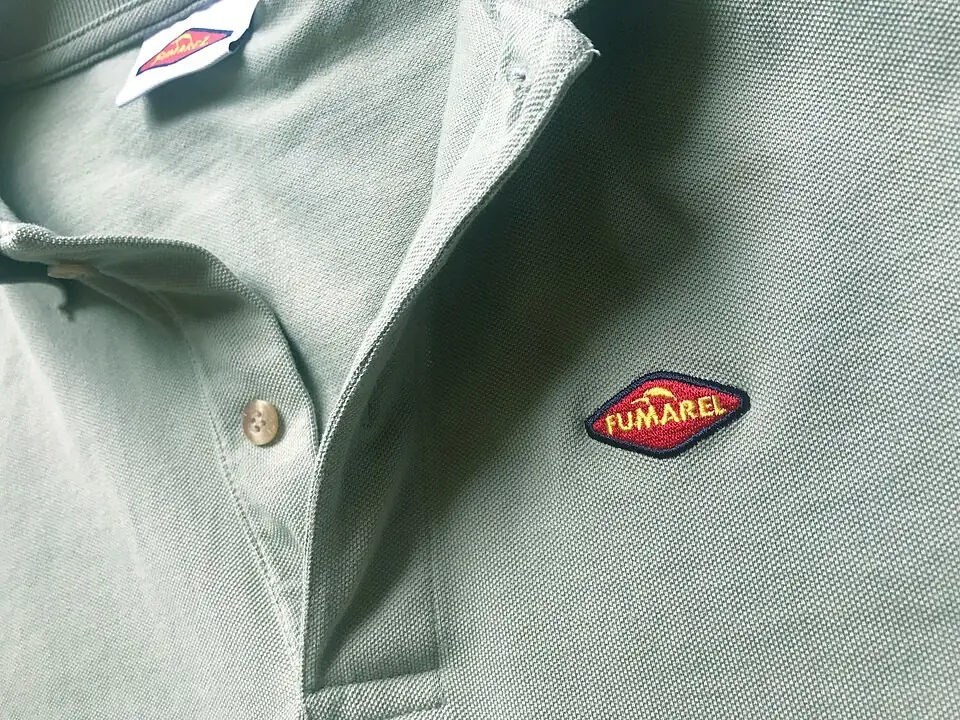
Pique knit, a textured fabric that breathes, with a collar and short placket. State GSM, yarn count, collar type (flat knit or self fabric) and button, and ask for collar curl and shrinkage checks after washing.

Basic T-shirts

Single jersey in cotton, cotton-polyester or with elastane: 140 to 160 GSM suits promotions, 160 to 200 GSM retail basics. Give the yarn count, for example 30/1 combed, and ask for spirality after washing in the test report.

Denim jeans

Five-pocket jeans in rigid or stretch denim, usually 10 to 14 oz per square yard. The wash (enzyme, stone, bleach or laser) is a large cost line and sets the shade band. State shrinkage and stretch limits.

Woven shirts

Shirts, solid, printed or yarn-dyed. Poplin is smooth, oxford has a small basket texture, twill a fine diagonal. Give yarn count and density, fusing and stitches per inch; much shirting is imported, so yarn-dyed checks take longer.

Hoodies and sweatshirts

Brushed fleece or French terry, pullover or zip-through, with rib cuffs and hem. Specify GSM and the print or embroidery method; ask for the pilling grade to ISO 12945-2 and, for children's sizes, hood cords to EN 14682.

Workwear and uniforms

Work shirts, trousers, coveralls and hospital, school or security uniforms, usually 65/35 polyester-cotton twill, which survives industrial laundering. For protective wear name the standard: EN ISO 20471 for high visibility, EN ISO 11612 for heat and flame.

What to send a garments supplier in Bangladesh

Tech pack or sample
Sketch, points of measure for every size with a tolerance in centimetres, fabric, trims and packing. No tech pack? Send a garment you like and list the changes.
Fabric by numbers
Composition, construction, GSM with a tolerance (often plus or minus 5%), width and finish. Knit fabric is bought by the kilogram, so heavier GSM raises cost in proportion.
Shrinkage and spirality limits
Name the wash programme (ISO 6330) and the dimensional change you accept, measured to ISO 5077; buyers often allow 5% for knits and 3% for wovens.
Colour fastness grades
Grey scale grades for washing (ISO 105-C06), rubbing (ISO 105-X12) and perspiration (ISO 105-E04), and a light fastness grade to ISO 105-B02. Dark shades usually fail wet rubbing first.
Trims, artwork and metal parts
Buttons, zips, labels and thread by code; artwork with size and position, approved on a strike-off. If goods pass a needle detector, every metal part must be non-ferrous.
Chemical limits
Your restricted substances list, or the certificate you need: an OEKO-TEX Standard 100 product class, or GOTS for organic claims.
Quantity, packing and the monsoon
Pieces per colour and the size ratio, since minimums are set per colour; carton grade, poly bag thickness and silica gel, because cotton packed damp in the rainy season can grow mould at sea.

Standards, tests and paperwork for garments

ISO 2859-1 (AQL sampling)
The sampling plan for final inspection. AQL 2.5 for major and 4.0 for minor defects is common in apparel; agree the AQL and inspection level before the order.
ISO 105 colour fastness series
C06 washing, X12 rubbing and E04 perspiration, rated 1 to 5 on the A02 and A03 grey scales, where 5 means no change; B02 light fastness uses its own scale. Ask for the lab report.
ISO 5077 and ISO 6330
Dimensional change after washing and drying on a named domestic programme, with measurements before and after.
OEKO-TEX Standard 100, GOTS and GRS
Product certificates. An 'organic' label under GOTS needs at least 95% certified organic fibre and a transaction certificate per shipment. Check number, scope and expiry with the issuer.
amfori BSCI, Sedex SMETA, WRAP and RSC
Social audits, plus building and fire safety status with the RMG Sustainability Council, which carries on the Accord's inspection work, for the unit that makes your order.

What moves the price of a garment order

  • Fabric: fibre, yarn count, GSM and dyeing method. It is usually the main cost in the unit price.
  • Order size per style and colour: small splits share dyeing and set-up cost across fewer pieces.
  • Wash, print, embroidery and garment dyeing: each adds a process, some rejects and days to the schedule.
  • Trims, packing and size range: retail-ready packs and a size ratio heavy in XL cost more.
  • Tests, inspection and terms: lab fees belong in every quote; an FOB price excludes freight, insurance and duty.

Lead times and delivery

Typical ranges: lab dips take one to two weeks and a first sample about two weeks. Bulk usually runs 60 to 90 days from order and sample approval, basics on stock fabric at the shorter end, imported or yarn-dyed fabric and special washes at the longer end; stock garments move within days. Eid holidays, failed tests and port congestion add time. Roptan confirms dates in the quote.

Inside Bangladesh we deliver by covered truck to your office, warehouse or branches in Dhaka, Chattogram or any other city, in cartons marked by size and colour, with the packing list, the final inspection report and a VAT invoice (Mushak 6.3). Uniforms can be packed per person or department, and shortages found on delivery are raised with Roptan, not the factory.

Buying garments for export

For importers we quote FOB Chattogram (Chittagong) by sea, or air freight from Hazrat Shahjalal International Airport in Dhaka for small, urgent lots. Documents: commercial invoice, packing list, bill of lading or air waybill, a statement on origin under the REX system for EU GSP or origin paperwork for the UK DCTS, test reports, the final AQL inspection report and certificate copies. Payment is commonly a letter of credit, or a deposit with the balance against documents.

What we check for this order

  • Audit valid on the quote dateamfori BSCI, Sedex SMETA or WRAP report not expired on the day we quote, for the unit that makes your goods.
  • RSC or Accord statusBuilding and fire safety coverage and remediation status for the unit that makes your goods.
  • Certificate numbers and scopeOEKO-TEX or GOTS number, scope and expiry checked against the issuer's online database where your market needs them.
  • A visit before the first bulk orderWe check the machines for your style, in-house testing and fabric storage before bulk, not after something goes wrong.

Questions buyers ask

Can you source stock garments in Bangladesh?

Yes. Stock garments are overruns and cancelled export orders sold as fixed lots, so sizes, colours and quantities are what exists. We inspect the whole lot, not a picked sample, and confirm brand labels are removed where the brand has not authorised sale.

What is the minimum order for branded T-shirts or polos?

It depends on the factory and the fabric. Large export units usually want a few thousand pieces per style; smaller units accept a few hundred per colour on stock fabric, and printing your logo on ready-made T-shirts is the smallest route. We state the minimum in the quote.

What should a complete garment quote include?

Price per piece by style and size range; fabric composition and GSM; print, wash, trims, labels and packing; sample cost; minimum quantity; lead time from sample approval; delivery terms such as FOB Chattogram; payment terms; and the inspection standard. Roptan lays quotes out on one basis, so gaps show up.

How do you check quality before shipment?

At each stage: lab dips and fabric tests before cutting, a pre-production sample against the tech pack, an inline check on the first output, and a final random inspection to ISO 2859-1 at your AQL. The order states the remedy for a failure, usually rework and re-inspection at the seller's cost.

Do you supply uniforms to companies in Bangladesh?

Yes. Factories, hospitals, hotels, schools and security firms order uniforms through us. Tell us the headcount by size, the fabric and the laundry method; industrial washing needs polyester-cotton blends and fast dyes. We arrange a size set for trial before bulk, and delivery by branch.

How soon will I hear back about garments?

Within 48 hours of a complete requirement, with a price and a delivery date. A requirement is complete when it has the quantity, where it is needed and by when.

Who do I deal with?

With Roptan, when Roptan manages the order: we buy from the verified seller and deliver to you. With the supplier directly, when you post on the requirement board and choose a quote yourself.