Managed sourcing from Bangladesh, for export and for buyers at home
Get it sourced

Yarn, jute and textiles

Yarn manufacturer in Bangladesh

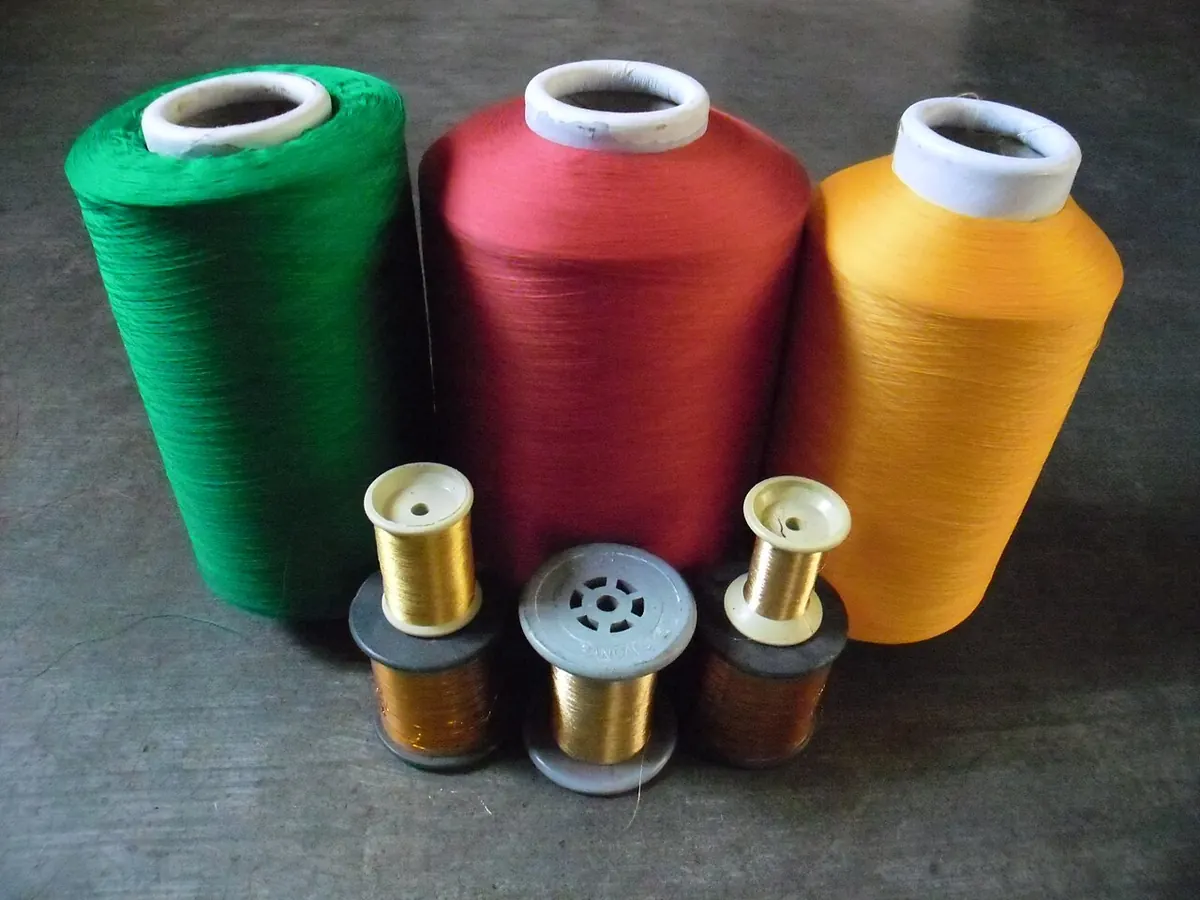
Looking for a yarn manufacturer in Bangladesh? Send the fibre, count, blend, quantity and end use. We source combed, carded, polyester, viscose, filament and melange yarn from verified spinning mills, check each lot's test report and deliver to your factory or FOB Chattogram.

  • Verified sellers
  • Checked before it ships
  • Delivered by Roptan

Get cotton and synthetic yarn sourced

Prefer to deal with suppliers yourself? Post it on the requirement board

Yarn products

Pick a product and we source it for you, or send one requirement that covers several.

Buying cotton and synthetic yarn in Bangladesh

Bangladesh spins cotton, polyester, viscose and blends, mostly from imported fibre; much of it goes to the knit and woven factories of Gazipur, Narayanganj, Savar and Chattogram against back-to-back letters of credit, and importers abroad buy the same counts. Whichever yarn manufacturer in Bangladesh supplies you, the order stands on count, strength, evenness and lot consistency.

Roptan sources it for you. Send the specification or a cone sample; we match it to verified spinning mills, put their quotes on one basis of count, quality figures, packing and payment term, check the test report for your lot, and deliver in Bangladesh or ship FOB Chattogram. You deal with Roptan only.

Cotton and synthetic yarn we source

Combed cotton yarn

Cotton spun after combing removes short fibre and neps: smoother, stronger and more even, for T-shirts, polos and fine shirting; compact combed yarn is less hairy again. Specify count, ring or compact, and contamination control for white shades.

Carded cotton yarn

Cotton spun without combing: cheaper, hairier and less even, for heavier knits, fleece, towels and denim. Open-end (rotor) yarn suits coarse counts and denim; ring-spun is stronger and softer. Specify count, spinning system, strength or CSP, and evenness.

Polyester spun yarn

Ring-spun from polyester staple fibre, alone or blended with cotton: PC is polyester-majority, commonly 65/35; CVC is cotton-majority, such as 60/40. Polyester adds strength and dries faster but feels less soft. Specify count, blend ratio with a tolerance, and recycled content with a GRS certificate.

Viscose yarn

Spun from regenerated cellulose fibre for soft fabric with good drape and bright colour, alone or blended with cotton, polyester or elastane. It loses much of its strength when wet, so check tenacity and fabric shrinkage. Specify count, fibre type and traceability papers.

Filament yarn

Continuous polyester or nylon filaments, sold by denier and filament count, such as 150D/48F. POY feeds texturing, FDY is fully drawn and flat, DTY is draw-textured for bulk and stretch. Specify lustre, intermingling, raw white or dope dyed, and the end use.

Melange and slub yarn

Melange is spun from fibre dyed before spinning and blended with undyed fibre, giving the heathered look of grey marl; the shade depends on the blend ratio. Slub yarn carries deliberate thick places. Give the shade reference or slub pattern and approve a knitted swatch.

What to tell a yarn manufacturer in Bangladesh

Count and tolerance
Count in Ne for spun yarn or denier for filament, with a tolerance and count CV%. Tex is 590.5 divided by Ne.
Fibre, blend and spinning system
The blend ratio in full, such as 60% cotton and 40% polyester, virgin or recycled, organic or conventional; ring, compact, open-end or air-jet, carded or combed.
Strength, evenness and imperfections
Single-end tenacity in cN/tex or lea CSP, U% or CV%, and thin places (-50%), thick places (+50%) and neps (+200%) per 1,000 m, as numbers each lot report must meet.
Twist and end use
Knitting or weaving, and twist per inch or the twist multiplier: knitting yarn is waxed and lower in twist for softness; weaving warp needs more twist and strength.
Contamination control
Foreign fibre, especially polypropylene from bale packing, shows as undyed specks after dyeing. For white and pale shades, ask for contamination-sorted fibre and the yarn clearer setting.
Moisture and invoiced weight
Monsoon humidity adds water weight to cotton yarn, so agree the moisture regain used for invoiced weight and a moisture test on arrival.
Lot, cone and packing
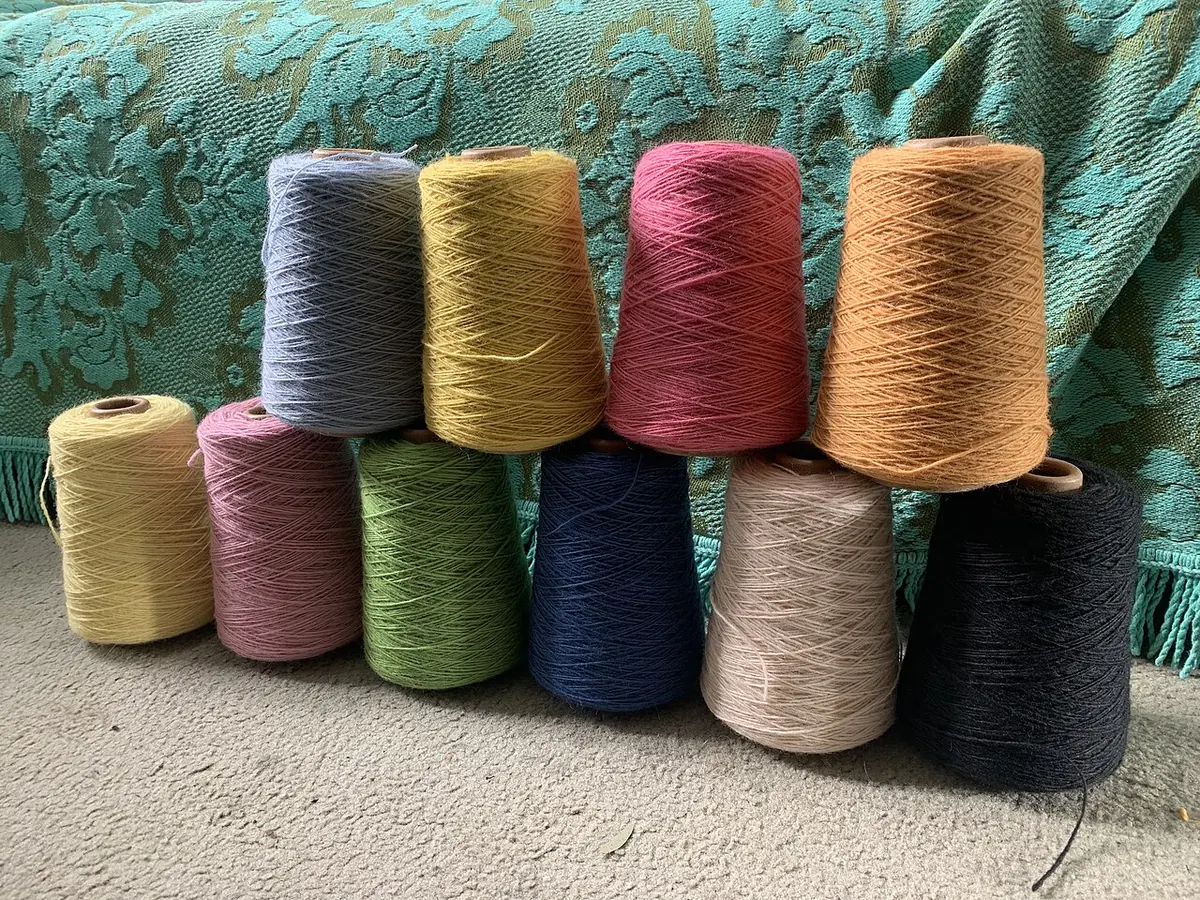
Cone weight, paper cones or plastic tubes, and lot numbers on every carton, with one lot per fabric order where possible.

Test standards and certificates for yarn

ISO 2060, ISO 2061 and ISO 2062
Count by the skein method, twist by direct counting, and single-end breaking force and elongation. Ask for the report on your lot, not a typical sheet.
ISO 139 and ASTM D1425
Yarn is conditioned and tested at 20 °C and 65% relative humidity; capacitance evenness testing gives U% and counts imperfections per kilometre. Results from a hot mill hall are not comparable.
OEKO-TEX Standard 100
Tests yarn for harmful substances by product class. Check that the certificate number, scope and validity cover the yarn type and the mill on the quote.
GOTS, OCS, GRS and RCS
GOTS and OCS for organic cotton, GRS and RCS for recycled fibre. Each shipment needs its own transaction certificate; a scope certificate alone does not certify your order.

What moves the price of yarn

  • Fibre cost: cotton and polyester fibre are almost all imported, so prices follow world markets and the exchange rate.
  • Count and process: finer counts spin more slowly, and combing, compact spinning and contamination control each add cost.
  • Fibre type and certification: modal, lyocell, organic and dyed melange fibre cost more than regular fibre, and GOTS, GRS or OEKO-TEX adds cost.
  • Payment term, order size per count, packing and delivery point; a usance LC costs more than payment at sight.

Lead times and delivery

Typical ranges: standard counts from mill stock usually ship in one to two weeks. Yarn spun to order usually takes three to six weeks after the sample is approved, and melange, slub, dyed or certified yarn can take longer because fibre must be bought or dyed first. Gas and power interruptions, cotton arrivals and Eid holidays add time. Roptan confirms the dates in the quote.

Inside Bangladesh we deliver cartons or bags by covered truck to your knitting, weaving or dyeing unit in Gazipur, Narayanganj, Savar, Ashulia or Chattogram, kept dry and off the floor, with the challan, packing list with lot numbers, the test report and a VAT invoice (Mushak 6.3), or the documents the back-to-back LC calls for. Short weight or mixed lots are raised with Roptan, not the mill.

Buying cotton and synthetic yarn for export

For importers we quote FOB Chattogram (Chittagong) in cartons or bags on pallets, loaded dry with desiccants, or CFR or CIF to your port. Documents: commercial invoice, packing list with lot and cone details, bill of lading, certificate of origin, the lot test report, and OEKO-TEX, GOTS or GRS papers with transaction certificates where claimed; for EU GSP, a REX statement on origin. An inspector can open cartons and test samples before loading. Payment is commonly by letter of credit at sight or usance.

What we check for this order

  • Trade licence and ERCCurrent, and in the mill's name on the quote, so the LC, export documents and customs records match.
  • Spindle capacity for the orderSpindles and the counts they run, in writing, matched to your quantity and date, so the order is not split across unknown mills.
  • Test report for your lotCount, strength, evenness and moisture from the mill lab or a third party, tested on cones from your lot.
  • A visit before the first bulk orderThe mill, its lab and its warehouse seen in person, including how lots are kept apart and cones stored off the floor.

Questions buyers ask

What does 30/1 Ne mean?

Ne, the English cotton count, is the number of 840-yard hanks in one pound of yarn, so 30/1 is a single yarn with 30 hanks per pound and 40/1 is finer. The 2 in 40/2 means two yarns twisted together. Filament yarn uses denier, where a higher number is thicker.

Should I buy combed or carded yarn?

Choose combed for smooth knits and shirts that must look clean after dyeing, for white or pale shades and for finer counts. Choose carded for heavier fabrics, fleece, towels and price-led ranges where some hairiness is fine. Compact combed costs more but pills less. Knit a sample from each first.

How do I compare yarn quotes like for like?

Check count and tolerance, fibre, spinning system, quality figures, cone packing, payment term and delivery point on every quote. A lower price may mean carded instead of combed, open-end instead of ring, or looser figures. Roptan puts the quotes on one basis so the difference is visible.

How do you prevent barré in knitted fabric?

Much barré comes from mixed yarn lots, which differ slightly in count, twist and dye uptake. We ask for one lot per order, lot numbers on every carton and a test report on that lot; if an order must span lots, they are marked so your knitter keeps them apart.

Can you supply GOTS or GRS certified yarn?

Yes, from mills certified for that scope. We check the scope certificate against the yarn and mill on the quote and ask for a transaction certificate per shipment. Recycled blends can be weaker, so agree quality figures on a sample first.

How soon will I hear back about cotton and synthetic yarn?

Within 48 hours of a complete requirement, with a price and a delivery date. A requirement is complete when it has the quantity, where it is needed and by when.

Who do I deal with?

With Roptan, when Roptan manages the order: we buy from the verified seller and deliver to you. With the supplier directly, when you post on the requirement board and choose a quote yourself.