Managed sourcing from Bangladesh, for export and for buyers at home
Get it sourced

Food and agro

Juice and beverage manufacturer in Bangladesh

Looking for a juice and beverage manufacturer in Bangladesh? Send the drink, recipe or sample, pack and quantity. We source from verified plants, check Brix, fruit content, heat treatment, labels and lab tests, and deliver inside Bangladesh or ship FOB Chattogram.

  • Verified sellers
  • Checked before it ships
  • Delivered by Roptan

Get juices and beverages sourced

Prefer to deal with suppliers yourself? Post it on the requirement board

Juice and beverage products

Pick a product and we source it for you, or send one requirement that covers several.

Buying juices and beverages in Bangladesh

Beverage plants around Dhaka, Gazipur, Narayanganj and Chattogram fill mango juice and fruit drinks, carbonated soft drinks, energy drinks, bottled water and syrups in aseptic cartons, PET, glass and cans, for shops at home and for importers. Choosing a juice and beverage manufacturer in Bangladesh means checking the water treatment, the heat process and the filling line, because those decide safety and shelf life more than the recipe does.

Roptan sources for you. Send the specification or a sample; we match it to verified plants with the right filling line, check the recipe, fruit content, water treatment and heat process records, lab tests and label claims, approve a pre-production sample and inspect the bulk before loading. You deal with Roptan only, and the quote lists the tests included.

Juices and beverages we source

Mango juice

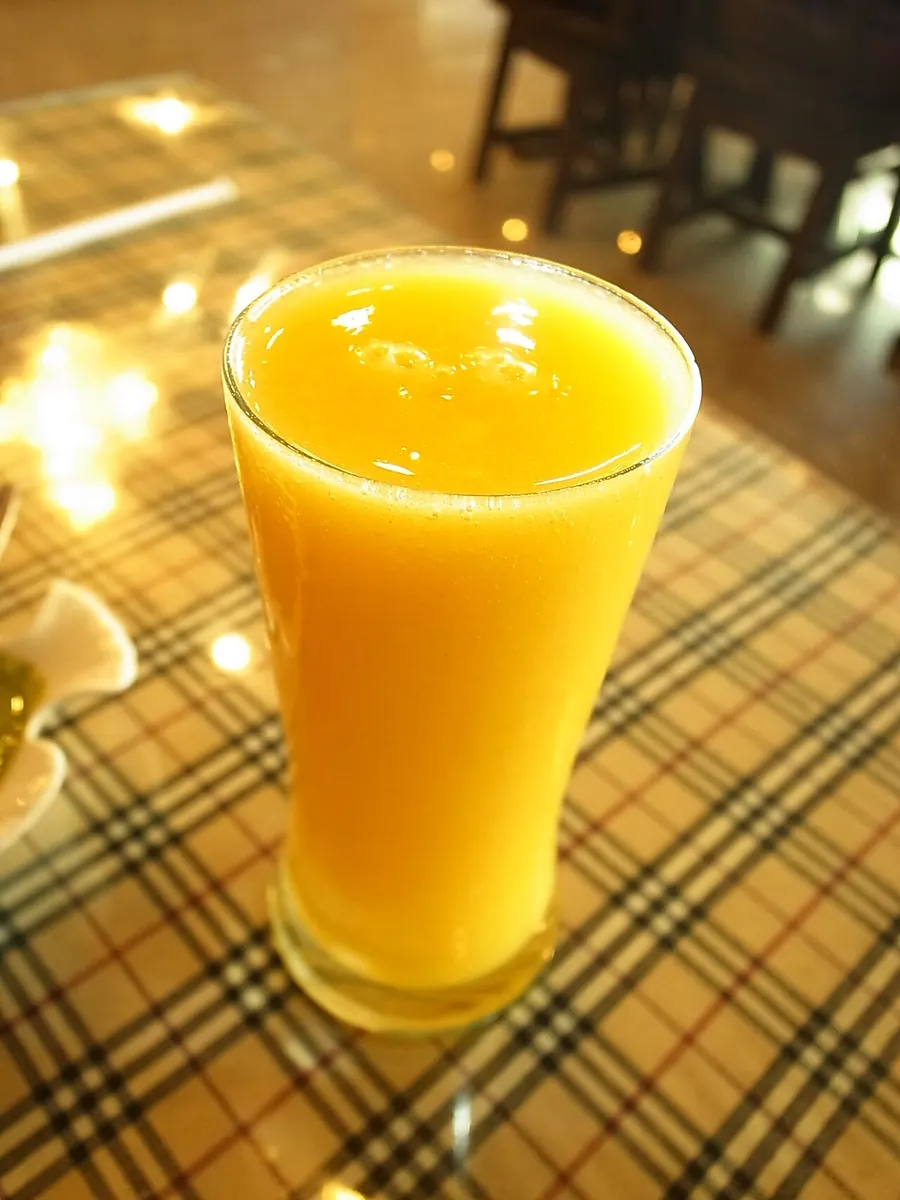
Made from mango pulp or concentrate. Specify fruit content in percent, Brix, acidity, pulp and heat treatment, and use the right name: juice is 100 percent fruit, while a nectar has a minimum fruit content.

Fruit drinks

Litchi, orange, guava and mixed fruit drinks with a lower fruit content, plus sugar or sweeteners. Specify fruit content, Brix, acidity, sugar per 100 ml, colours and preservatives, and ask for a benzene test if the drink contains both benzoate and vitamin C.

Carbonated soft drinks

Cola, lemon-lime, orange and other sparkling drinks. Specify carbonation in volumes of CO2, Brix or sweetener system, acidity and pack. PET bottles slowly lose gas, faster in heat and small bottles, so shelf life depends on the pack.

Energy drinks

Carbonated drinks with caffeine and often taurine and B vitamins, mostly in cans. Specify caffeine in mg per litre, sugar or sweetener and the label wording, since markets set their own caffeine limits and warnings.

Bottled water

Ground or surface water treated by filtration, reverse osmosis and disinfection, in PET bottles and jars. Specify source, TDS, pH, arsenic, microbiology and bromate if ozone is used. Sale in Bangladesh needs a BSTI licence, and water is heavy and low in value, so freight decides whether export makes sense.

Syrups

Sherbet, rose and fruit syrups for dilution at home or in food service. Specify Brix, dilution ratio, acidity, preservatives, colours and flavours, and a bottle and cap that do not leak in heat; syrups carry more drinks per container than ready-to-drink bottles.

How to brief a juice and beverage manufacturer in Bangladesh

Name and fruit content
Fruit content in percent and the legal name it supports in your market: juice, nectar or drink. The name, the fruit content and the label claims must agree.
Brix and acidity
Soluble solids in °Brix and acidity as citric acid, with tolerances. Together they set the taste and show the recipe is being followed batch to batch.
Heat process
Hot fill, pasteurisation, or UHT with aseptic filling, with temperature and time records for every batch.
Water treatment
Source water, treatment steps and the treated water spec: arsenic, iron, hardness and microbiology, because groundwater in many areas carries arsenic and iron.
Additives and caffeine
Preservatives, colours, sweeteners and caffeine per litre, each permitted in your market and at the level stated on the label, with sugar per 100 ml where your market taxes it.
Pack and closure
Aseptic carton, PET, glass or can; volume, closure, fill level, packs per case and carton or shrink-wrap strength for stacking.
Shelf life, load and terms
Shelf life backed by storage tests at your market's temperature, the share left on arrival, cases per container, and deposit or letter of credit terms.

Standards, limits and certificates for beverages

Codex CXS 247-2005
The Codex general standard for fruit juices and nectars: definitions, minimum Brix for reconstituted juices and minimum fruit content for nectars. Use it to name products correctly.
Directive 2001/112/EC
Sets what may be called fruit juice or nectar in the EU, including minimum fruit content for nectars.
Codex CXS 227-2001
The Codex general standard for bottled or packaged drinking waters other than natural mineral waters, referring to the WHO drinking-water guidelines.
Regulation (EU) No 1169/2011
EU labelling rules, including the high caffeine warning for drinks above 150 mg per litre, the nutrition declaration and allergens.
HACCP, ISO 22000, FSSC 22000, BSTI and halal
The plant's certificate, with a scope covering your product and filling line; the BSTI mark for drinks sold in Bangladesh where listed, including bottled water; halal from the Islamic Foundation Bangladesh where needed.

What moves the price of juice and beverages

  • Fruit content: pulp or concentrate is the costly input, so juice costs more than nectar, and nectar more than a drink.
  • Pack: aseptic cartons, glass and cans cost more per litre than large PET bottles, and printed cans need large runs.
  • Sugar and sweeteners: sugar prices, or the cost of a low-sugar sweetener system.
  • Process: aseptic and hot fill lines cost more to run than cold filling.
  • Freight and terms: drinks are heavy, so containers fill by weight and freight per litre matters; Incoterm and payment terms.

Lead times and delivery

Standard products in the seller's own packs can often ship two to four weeks from order; private label usually takes six to ten weeks, because recipe approval and printed cartons, labels or cans come first. The mango season, around May to August, sets pulp supply for the year. Roptan confirms the dates in the quote.

Inside Bangladesh we deliver to distributors, retailers, hotels, caterers, offices and events in Dhaka, Chattogram and Gazipur, by the case or the truckload, on pallets or in crates kept out of the sun, with batch codes, test reports where ordered and a VAT invoice (Mushak 6.3). Cases are checked for leaks, dents and dates on arrival.

Buying juices and beverages for export

For importers we quote FOB Chattogram (Chittagong), or CFR or CIF to your port, usually in 20-foot containers, because drinks reach the weight limit before a larger container is full. Documents: commercial invoice, packing list, bill of lading, certificate of origin or a REX origin statement for EU GSP, a health or free sale certificate where required, halal certificate and lab reports for the batch. Drinks made from imported concentrate may not qualify for duty preferences. Ask for pallets with corner boards and stretch wrap to prevent crushed cases.

What we check for this order

  • Plant certificates and ERCHACCP, ISO 22000 or FSSC 22000, and halal, checked for scope and expiry against the filling line; the seller's ERC and BSTI mark where they apply.
  • Recipe and label checkFruit content, sugar, caffeine, colours and warnings checked against your market's rules before labels are printed.
  • Lab reports per batchBrix, acidity, microbiology, preservatives and, for water, arsenic and bromate, tested by an accredited lab.
  • A visit before the first orderWater treatment, mixing, heat treatment, filling and capping seen in person, with the batch records, seal quality, fill levels and date coding checked.

Questions buyers ask

Can a mango drink be labelled mango juice?

Not unless it is 100 percent fruit juice, which many mango drinks are not. Under Codex and EU rules, juice means all fruit, a nectar has a set minimum fruit content, and lower-fruit products are sold as drinks. A wrong name can mean relabelling or rejection at the port, so we check that the recipe and label agree.

Why ask for a benzene test in soft drinks?

Because sodium benzoate and vitamin C can react to form benzene, especially with heat and light. If your recipe uses both, ask the plant for a benzene result after a warm storage test, or reformulate. We check the recipe and ask for the test before the first shipment.

How is bottled water checked in Bangladesh?

Against its BSTI licence and a lab report on the batch: pH, TDS, arsenic, iron and microbiology, and bromate where ozone is used. We check the plant's treatment records and compare arsenic with the WHO guideline value of 10 µg/l.

Do energy drinks need special labelling?

Often, yes. In the EU, drinks with more than 150 mg of caffeine per litre must carry a high caffeine warning and state the caffeine content. Other markets set their own limits and wording. Send your market's rules, and we check the recipe and label against them before printing.

Which pack is right for exporting juice?

It depends on shelf life and cost. Aseptic cartons and cans protect juice from light and oxygen; PET is lighter but lets oxygen and carbon dioxide through slowly, so shelf life is shorter. Glass is heavy and fragile. Tell us the shelf life you need, and we match the plant and pack.

How soon will I hear back about juices and beverages?

Within 48 hours of a complete requirement, with a price and a delivery date. A requirement is complete when it has the quantity, where it is needed and by when.

Who do I deal with?

With Roptan, when Roptan manages the order: we buy from the verified seller and deliver to you. With the supplier directly, when you post on the requirement board and choose a quote yourself.