Managed sourcing from Bangladesh, for export and for buyers at home
Get it sourced

Food and agro

Vegetable and fruit exporter in Bangladesh

Looking for a vegetable and fruit exporter in Bangladesh? Send the produce, grade, pack and weekly volume. We source from verified packhouses and processors, check residue tests and grading on your lot, and ship by air from Dhaka or by sea from Chattogram.

  • Verified sellers
  • Checked before it ships
  • Delivered by Roptan

Get vegetables and fruits sourced

Prefer to deal with suppliers yourself? Post it on the requirement board

Vegetable and fruit products

Pick a product and we source it for you, or send one requirement that covers several.

Buying vegetables and fruits in Bangladesh

Bangladesh grows potatoes, winter vegetables such as cabbage and cauliflower, gourds, okra and leafy greens, and seasonal fruit such as mango, litchi and jackfruit. Fresh vegetables usually fly from Dhaka because of their short life; potatoes, frozen vegetables and brined vegetables travel by sea in containers. A vegetable and fruit exporter in Bangladesh is judged on packhouse hygiene, residue control and the cold chain, not on the size of its farms.

Roptan sources for you. Send the item list, grades and delivery window; we match it to verified packhouses and processors, check the residue report and phytosanitary paperwork, inspect grading and packing, and follow each lot to the airport or port. You deal with Roptan only, and the quote lists the tests and documents included.

Vegetables and fruits we source

Brined vegetables

Vegetables held in strong salt brine as a raw material for pickle, relish and sauce makers, not for eating as shipped. Specify the vegetable, cut, salt percentage, pH, any preservative, drum size and the drained weight you pay for.

Potatoes

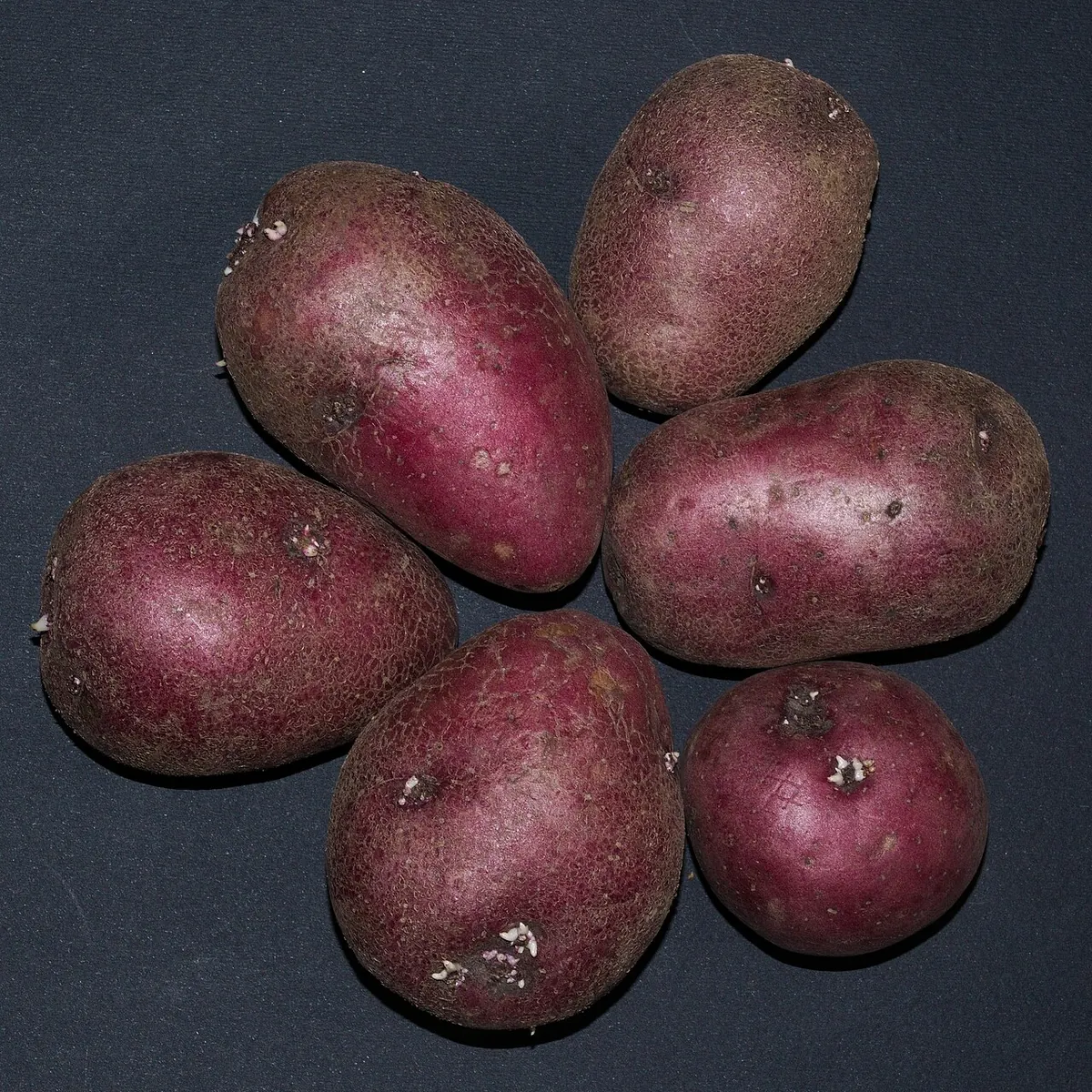
Harvested around February and March and held in cold stores through the year. Specify variety, size band in millimetres, skin colour and limits for greening, cuts and rot; for chips or crisps add dry matter and sugar, since cold-stored potatoes can fry dark.

Frozen vegetables

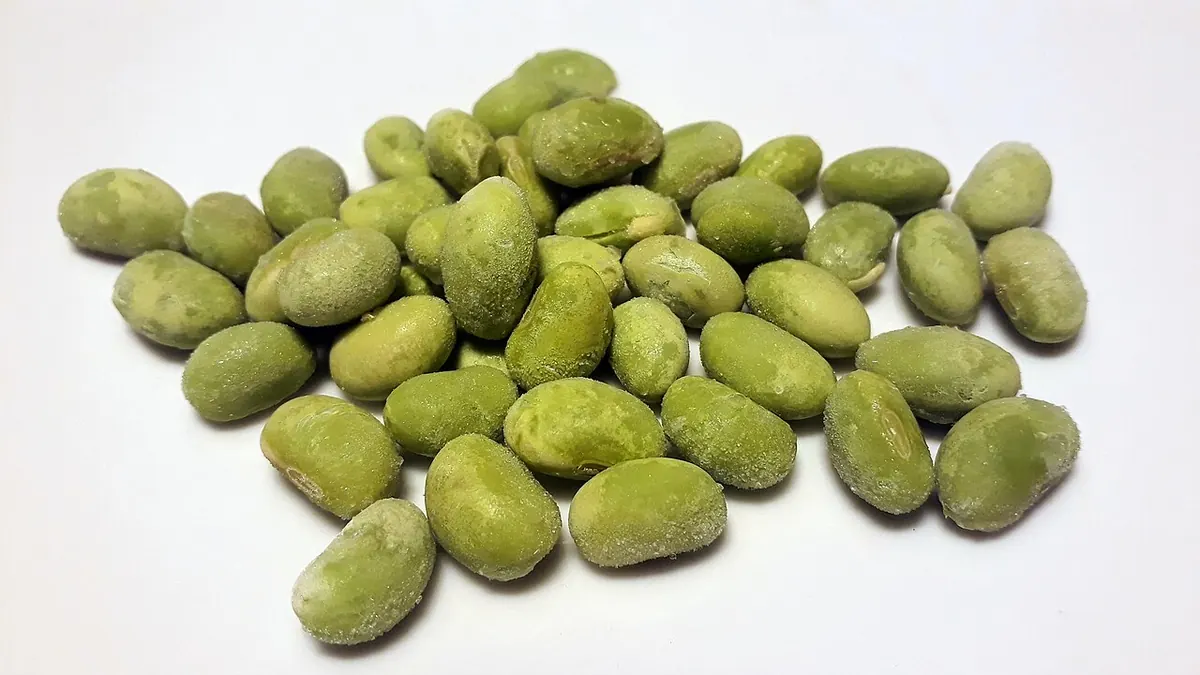
Okra, beans, bitter gourd and mixed vegetables, washed, cut, blanched and frozen, usually IQF so they pour freely. Specify cut size, proof of blanching (a negative peroxidase test is usual) and a core temperature of -18 °C or colder.

Cabbage and cauliflower

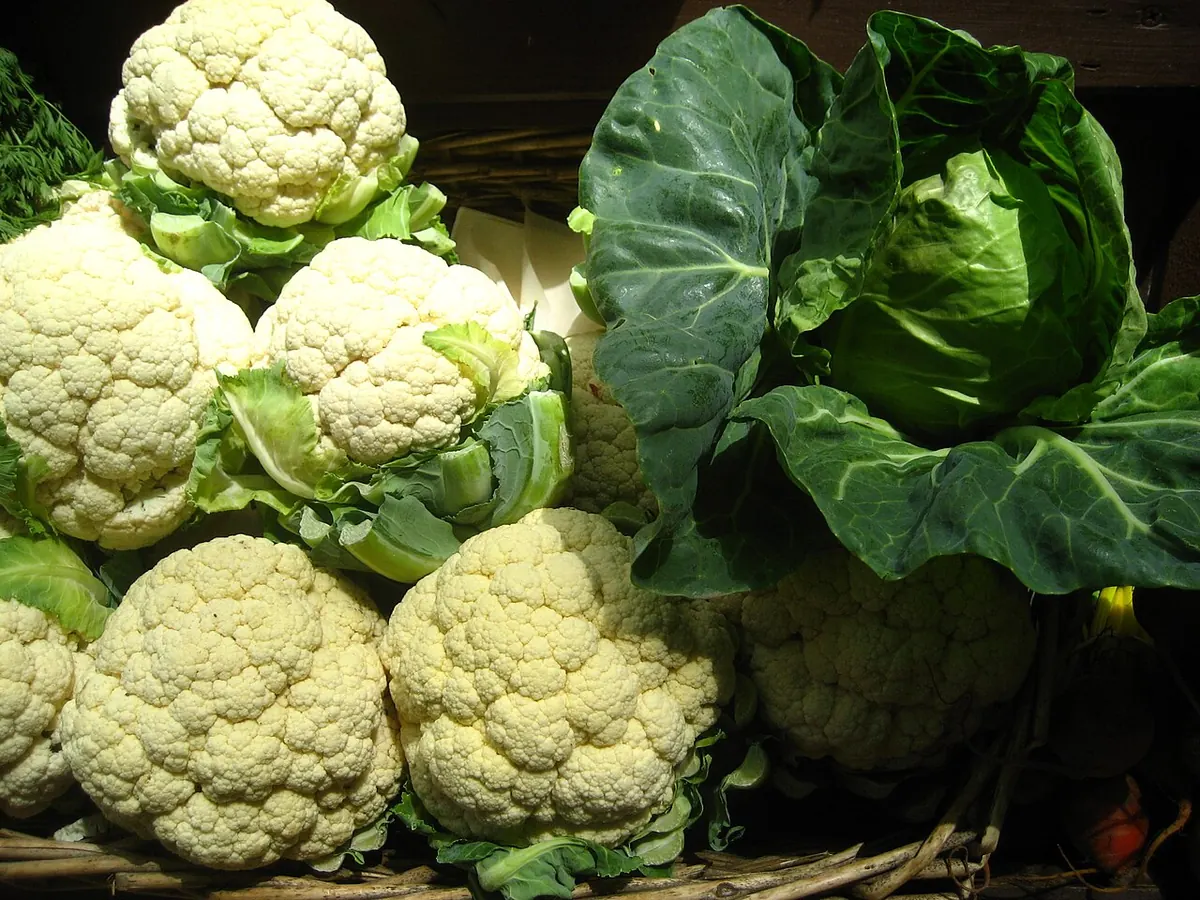
In full supply from about November to February, sold by head weight or size band, trimmed and packed in ventilated cartons. Both keep near 0 °C at high humidity, so pre-cool before loading, and cauliflower marks easily.

Gourds and green vegetables

Bitter gourd, pointed gourd, bottle gourd, okra, long beans, taro and leafy greens, graded and packed close to the flight. Many suffer chilling injury, so they travel cool, not cold. Specify size, colour, maturity and freedom from soil and pests.

Fresh fruit

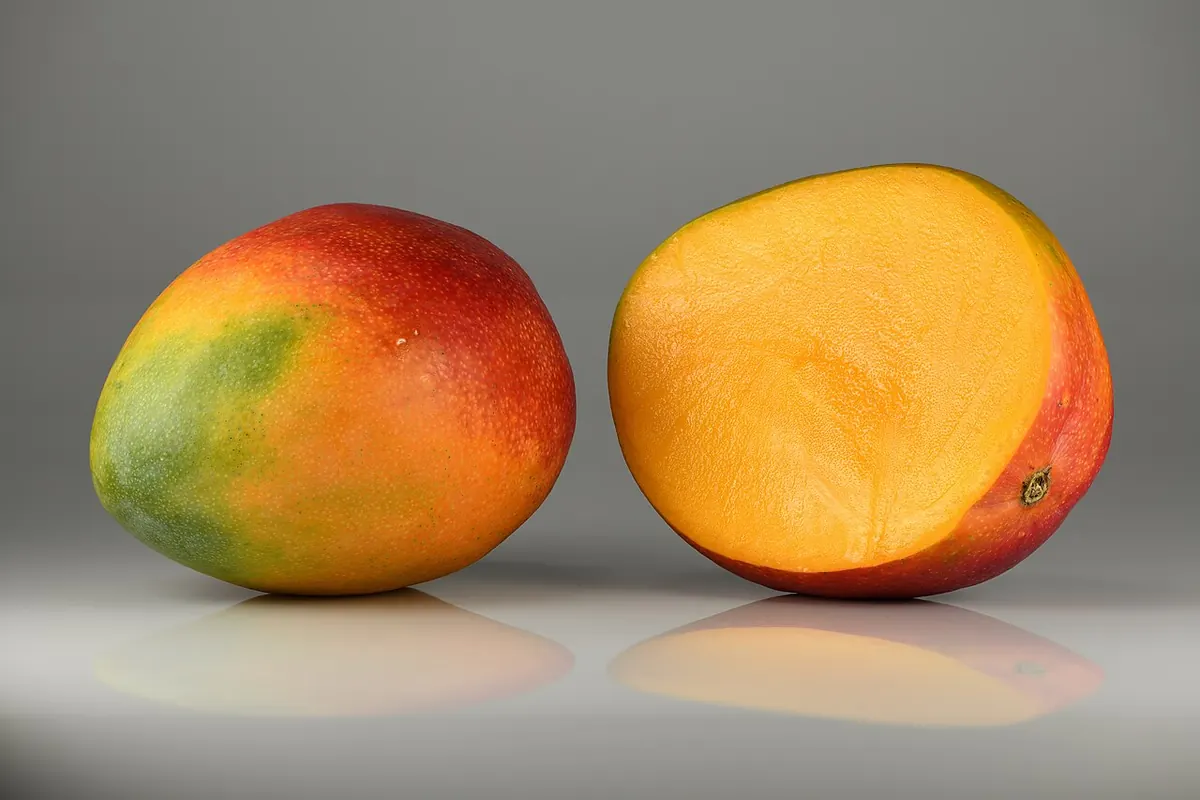
Mango from about May to August, litchi in May and June, plus jackfruit, pineapple and lemon. Specify variety, weight per fruit and ripeness at packing. Some markets require hot water or vapour heat treatment against fruit fly.

How to brief a vegetable and fruit exporter in Bangladesh

Item and variety
Name the variety, not just the crop. Varieties differ in shelf life, colour, size and cooking use, and a substitute can fail your customer's spec.
Grade and size
Size in millimetres or grams per piece, maturity and colour, with defect tolerances for bruises, cuts, rot and pests as a percentage. Only a grade in numbers can be inspected.
Pesticide residues
A multi-residue test on your lot against your market's maximum residue levels, for the EU under Regulation (EC) No 396/2005. A lot over the limit can be rejected.
Temperature per item
Cabbage and cauliflower near 0 °C, gourds and okra cool but not cold, frozen goods -18 °C or colder. Mixed air loads need items with compatible temperatures.
Pre-cooling and pack
Pre-cooling removes field heat picked up on hot, humid days. Specify ventilated cartons, liners, net weight per carton and pallets; air freight is charged on actual or volume weight, whichever is greater.
Plant health
The pests your market lists, such as fruit fly on mango or brown rot on potatoes, and any treatment or declaration the import permit requires.
Volume, frequency and terms
Kilos or cartons per week and the months you need them; FCA Dhaka airport or CPT for air, FOB Chattogram for sea; deposit or letter of credit.

Certificates and standards for produce exports

Phytosanitary certificate
Issued after inspection by the Plant Quarantine Wing of the Department of Agricultural Extension (DAE) for each consignment. It must meet the import permit's conditions.
Regulation (EC) No 396/2005
Sets the EU's maximum residue levels for pesticides. Other markets use their own lists or Codex; we test against the list you name.
GLOBALG.A.P.
Farm assurance that many retailers require. Check that the certificate covers the farms that supply your lot, not only the packer.
HACCP or ISO 22000
For packhouses and frozen or brined vegetable plants. Ask for the certificate with a scope that covers your product and names the site.
ISPM 15
Wooden pallets and crates must be heat treated or fumigated and carry the ISPM 15 mark. Plastic pallets avoid the question.

What moves the price of vegetables and fruit

  • Season: prices fall at the height of each crop and rise at its start and end.
  • Grade and pack-out: tight size and defect limits reject more produce for every carton packed.
  • Freight: air freight is charged per kilo of actual or volume weight, whichever is greater, and can exceed the cost of the produce.
  • Treatment and testing: hot water or vapour heat treatment and per-lot residue tests add cost.
  • Processing and pack: blanching, freezing, brining, retail packs and labels in your language.

Lead times and delivery

Fresh produce is usually packed and flown within days of a confirmed order once flight space is booked; a new weekly programme takes two to four weeks to set up. Frozen and brined vegetables usually ship three to six weeks from order, longer with your own brand. Seasons set the calendar: mango from about May, winter vegetables from November. Roptan confirms the dates in the quote.

Inside Bangladesh we deliver to supermarkets, hotels, caterers and processors in Dhaka, Chattogram and Gazipur, in ventilated crates or cartons, chilled or frozen where the item needs it. Frozen and brined vegetables come with lot codes and storage instructions. You receive the packing list, residue reports where ordered and a VAT invoice (Mushak 6.3). Weight and grade are checked on arrival, and any shortfall is taken up with the seller.

Buying vegetables and fruits for export

Fresh vegetables and fruit fly from Hazrat Shahjalal International Airport, Dhaka, quoted FCA Dhaka airport or CPT to your airport; potatoes, frozen and brined vegetables go FOB Chattogram (Chittagong) in reefer or dry containers. Documents: commercial invoice, packing list, air waybill or bill of lading, phytosanitary certificate, certificate of origin or a REX origin statement for EU GSP, and residue reports. An inspector opens cartons before loading and checks grade, weight, temperature and labels.

What we check for this order

  • Food safety and farm certificatesHACCP or ISO 22000 for the packhouse or plant, and GLOBALG.A.P. for the farms where your buyer requires it.
  • Export registration and plant healthThe seller's ERC current, and each lot inspected for its phytosanitary certificate, with any treatment your market needs, before it ships.
  • Residue test planMulti-residue pesticide tests per lot by an accredited lab, checked against your market's limits before packing ends, so a failing lot is stopped.
  • A visit, then a check at packingSorting, washing, pre-cooling, cold storage and packing seen in person before the first order; cartons opened at packing and checked against your grade, with photos.

Questions buyers ask

Which products fly and which go by sea?

Fresh gourds, greens, beans and most fruit fly, because they last days, not weeks; sending them by sea to save freight rarely works. Potatoes, cabbage, frozen and brined vegetables go by sea. Some buyers pair a weekly air order with a monthly container.

What residue test should I ask for?

A multi-residue screen by LC-MS/MS and GC-MS/MS covering several hundred pesticides, on a sample from your lot, compared with your market's maximum residue levels. Ask for the lab's ISO/IEC 17025 accreditation and the sampling date. We ask for the result before packing ends.

Do mangoes need a treatment before export?

It depends on the market. Some require hot water or vapour heat treatment against fruit fly at an approved facility, stated on the phytosanitary certificate; others accept inspection alone. Tell us the rules you import under, and we book the treatment slot to match the harvest.

Can you supply potatoes for chips or crisps?

Yes, when the variety and storage suit it. Specify dry matter, size band and reducing sugar or fry colour. Potatoes held very cold build sugars that fry dark, so we ask at what temperature the lot was stored and fry-test a sample before shipment.

What is the minimum order for fresh vegetables?

For air freight, often a few hundred kilos per shipment, since small lots cost more per kilo to fly. Sea freight lines such as potatoes and frozen vegetables usually start at one 20-foot or 40-foot container. We state the seller's minimum in the quote.

How soon will I hear back about vegetables and fruits?

Within 48 hours of a complete requirement, with a price and a delivery date. A requirement is complete when it has the quantity, where it is needed and by when.

Who do I deal with?

With Roptan, when Roptan manages the order: we buy from the verified seller and deliver to you. With the supplier directly, when you post on the requirement board and choose a quote yourself.