Buying rice and flour in Bangladesh
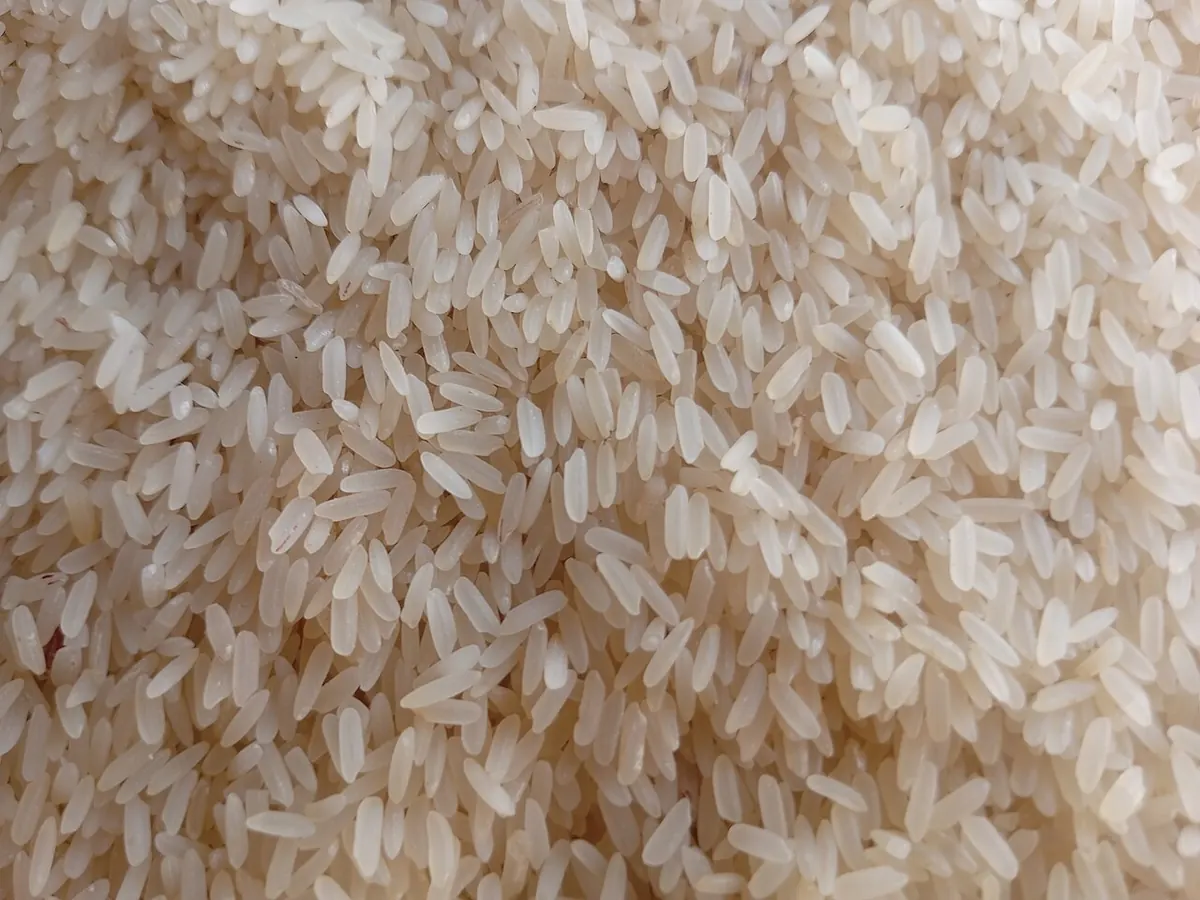
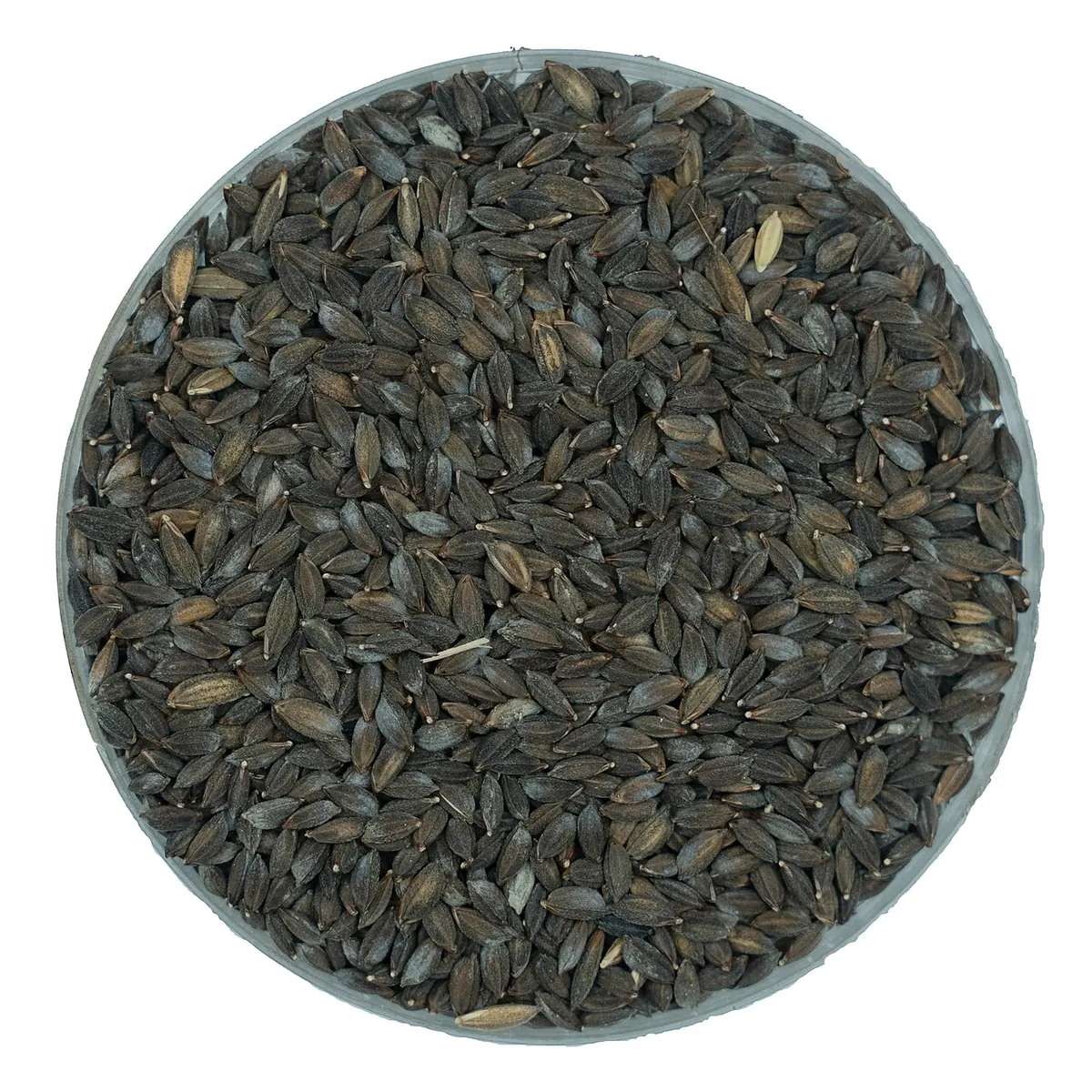
Bangladesh grows small-grained aromatic rice such as Chinigura and Kalijira, mainly in the Aman season, for polao, biryani and payesh, and mills large volumes of parboiled rice, the everyday rice in many households. Mills also make rice flour, and flour mills grind mostly imported wheat into atta and maida. Rice exports are controlled, so before you choose a rice exporter in Bangladesh, check what the rules allow this season: permission matters as much as price.
Roptan sources for you. Send your specification; we check the export rule in force, match you to verified mills, draw samples for grain analysis, moisture and arsenic tests, inspect bagging and fumigation, and see the container loaded. You deal with Roptan only, and the quote lists the tests and documents included.
How to brief a rice exporter in Bangladesh
- Variety and crop year
- Variety by name, crop year and whether aged. Aroma fades with storage and aged rice cooks firmer, so a reference sample sealed by both sides matters.
- Grain analysis
- Grain length, broken percentage, chalky, damaged and discoloured grains, paddy and foreign matter, each as a percentage by weight, with the sampling plan.
- Moisture
- Usually 14 percent or less in trade contracts. Higher moisture invites mould and insects in a closed container in humid weather.
- Milling and sorting
- Degree of milling and polish, and whether the rice is colour sorted, defined against a sealed sample or the Codex standard for rice.
- Arsenic and residues
- Inorganic arsenic, cadmium and pesticide residues against your market's limits. Arsenic in some irrigation groundwater makes this test essential for Bangladeshi rice.
- Flour values
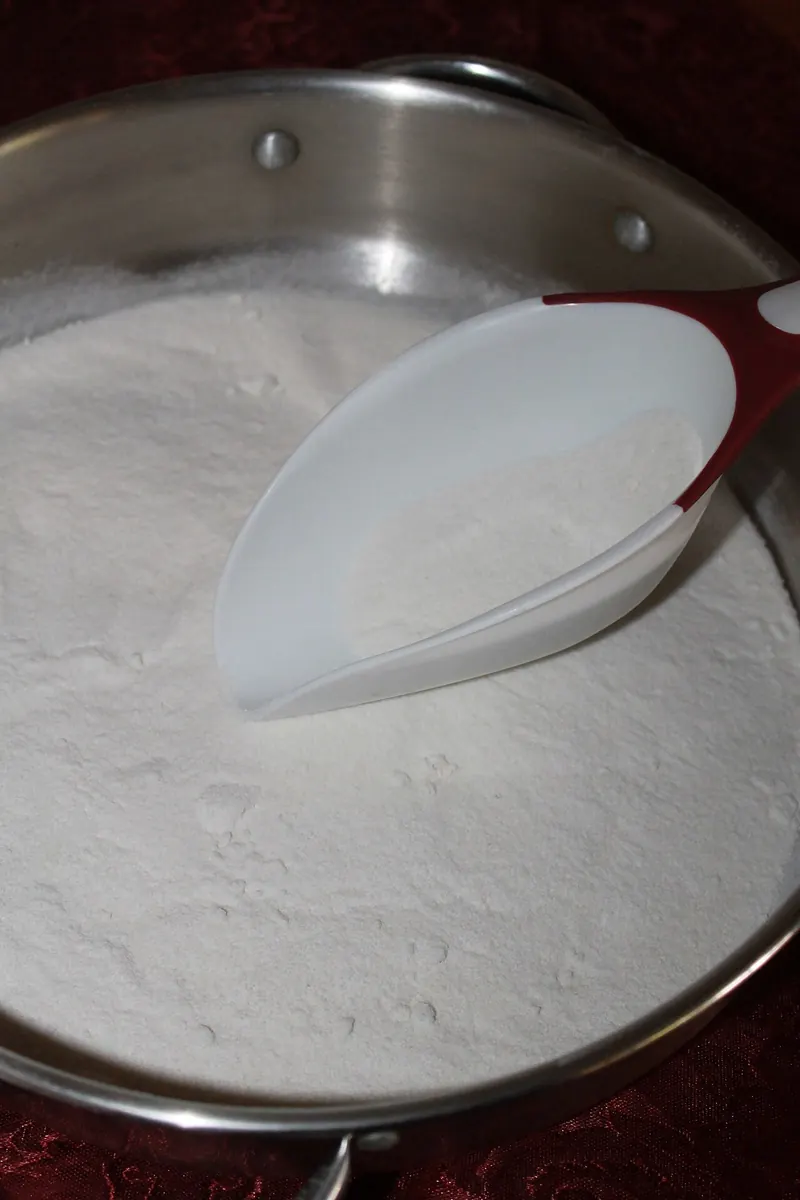
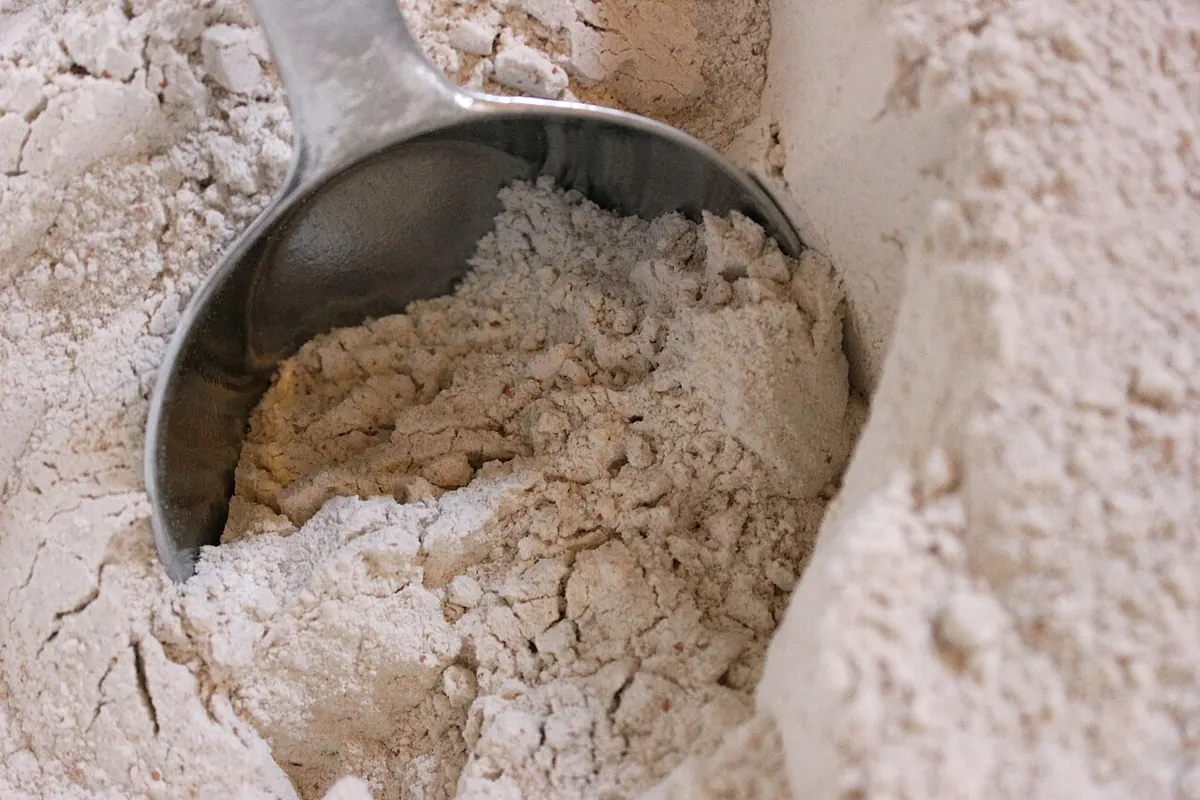
- For wheat flour: protein, wet gluten, ash, falling number and water absorption. For rice flour: particle size and moisture. For potato flakes: moisture, colour and bulk density.
- Pack, permission and terms
- Retail packs of 1, 2 or 5 kg or bags of 25 or 50 kg with labels in your language; the export permission that covers your variety and tonnage; FOB Chattogram; letter of credit or deposit.
Permissions, standards and documents for rice and flour
- Export permission
- Rice exports follow the government's current policy, which has allowed some rice and barred other rice at different times. We confirm the rule in force before we quote.
- Codex CXS 198-1995
- The Codex standard for rice, covering husked, milled and parboiled rice, moisture and defects such as broken and chalky kernels. A neutral base for a contract.
- Inorganic arsenic limits
- Set by Codex and, in the EU, by Regulation (EU) 2023/915, with lower levels for rice used in baby food. Name the limit you import under.
- Phytosanitary and fumigation certificates
- Issued by the Plant Quarantine Wing of the DAE for rice and grains; the fumigation company issues a fumigation certificate where the buyer or market requires one.
- HACCP, ISO 22000 and BSTI
- For mills and packers, with the site's name on the certificate. Packaged flour sold in Bangladesh needs the BSTI mark where it is on the mandatory list.
Lead times and delivery
Rice and flour from mill stock can often ship two to four weeks after the order and any export permission; retail packs under your label usually take four to eight weeks, because printed bags come first. The new aromatic crop arrives after the Aman harvest in about November and December. Permission, lab turnaround, fumigation and container space add time. Roptan confirms the dates in the quote.
Inside Bangladesh we deliver to hotels, caterers, bakeries, snack makers and retailers in Dhaka, Chattogram and Gazipur, in bags with a weight list, test reports where ordered and a VAT invoice (Mushak 6.3). Bulk rice for the home market should go in jute bags, since rice is among the products the Mandatory Jute Packaging Act 2010 covers. Bags are counted and weighed on arrival, and short weight is taken up with the seller.
Buying rice and flour for export
For importers we quote FOB Chattogram (Chittagong), or CFR or CIF to your port, usually in 20-foot containers of bags or retail cartons, with liners or desiccants for long voyages. Documents: commercial invoice, packing list, bill of lading, export permission where required, phytosanitary and fumigation certificates, certificate of origin or a REX origin statement for EU GSP, and lab reports for grain analysis, moisture, arsenic and residues. Payment is usually by letter of credit, or a deposit with the balance against documents.
Questions buyers ask
Can rice be exported from Bangladesh at the moment?
It depends on the rice and the date. Government permission is needed, non-aromatic rice exports are usually restricted, and aromatic rice has been allowed in some years and stopped in others. Tell us the variety and tonnage, and we confirm the current rule before we quote, and say plainly if it cannot ship.
What broken percentage should I specify?
It depends on use. Table rice for retail is often bought at 5 percent broken or less; catering and processing buyers accept more. State the maximum by weight, how a broken grain is defined and the sampling plan, and keep a sealed reference sample.
Is arsenic a concern in Bangladeshi rice?
It can be, because some irrigation groundwater in Bangladesh contains arsenic, and rice takes it up. Ask for inorganic arsenic results on your lot against your market's limit; Codex and the EU set limits, with lower levels for rice in baby food. We ask for an accredited lab report before loading.
Is Chinigura the same as basmati?
No. Chinigura and Kalijira are short, small-grained aromatic rices, while basmati is a long-grained aromatic rice that lengthens as it cooks. They suit different dishes and cannot replace each other in a recipe. We send samples of each lot with cooking notes before you confirm.
Can you supply wheat flour to a baking specification?
Yes. State protein, wet gluten, ash, moisture, falling number and water absorption, and what you make, for example bread, biscuits or noodles. The mill blends wheat to meet the spec; we ask for its analysis on your lot and a bake test where needed.
How soon will I hear back about rice and flour?
Within 48 hours of a complete requirement, with a price and a delivery date. A requirement is complete when it has the quantity, where it is needed and by when.
Who do I deal with?
With Roptan, when Roptan manages the order: we buy from the verified seller and deliver to you. With the supplier directly, when you post on the requirement board and choose a quote yourself.