Managed sourcing from Bangladesh, for export and for buyers at home
Get it sourced

Food and agro

Confectionery manufacturer in Bangladesh

Looking for a confectionery manufacturer in Bangladesh? Send the product, recipe or sample, pack and quantity. We source from verified plants, check colours, gelatine source, heat stability and lab tests, and deliver inside Bangladesh or ship FOB Chattogram.

  • Verified sellers
  • Checked before it ships
  • Delivered by Roptan

Get confectionery and chocolate sourced

Prefer to deal with suppliers yourself? Post it on the requirement board

Confectionery products

Pick a product and we source it for you, or send one requirement that covers several.

Buying confectionery and chocolate in Bangladesh

Confectionery plants around Dhaka, Gazipur, Narayanganj and Chattogram make hard candy, lollipops, jelly sweets, toffee and chocolate, while jaggery (gur) comes from sugarcane and, in winter, from date palm sap, for which Jashore is known. Choosing a confectionery manufacturer in Bangladesh means planning for heat and humidity: candy turns sticky, jellies sweat and chocolate blooms long before the date on the pack.

Roptan sources for you. Send the specification or a sample; we match it to verified plants, check colours and additives against your market's rules, the gelatine source for halal, heat and humidity tests and lab reports, approve a pre-production sample and inspect the bulk before loading. You deal with Roptan only, and the quote lists the tests included.

Confectionery and chocolate we source

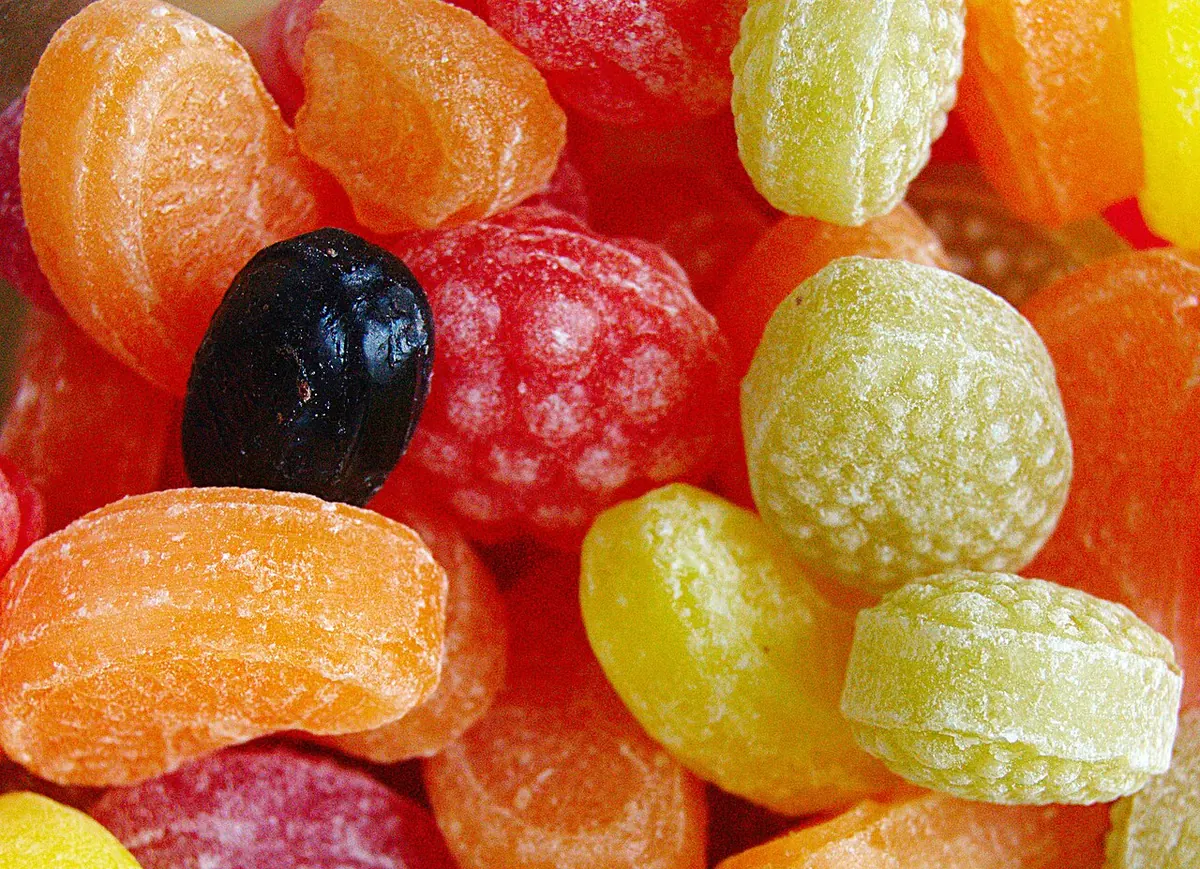
Hard candy

Sugar and glucose syrup boiled to a very low moisture, then moulded or deposited and wrapped singly. It pulls in moisture and turns sticky in humid air, so specify moisture, a barrier wrap film, colours, flavours and piece weight.

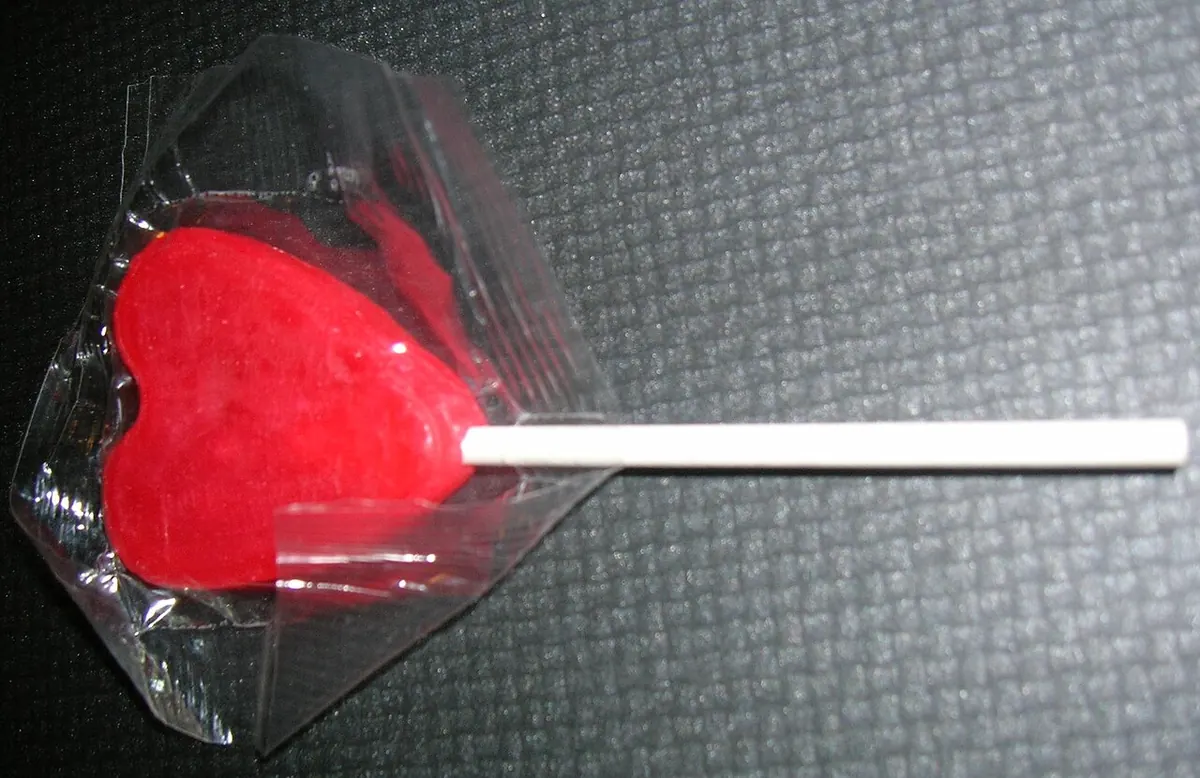
Lollipops

Hard candy on a paper or plastic stick, sold singly, in bags or in display jars. Specify the stick material and check it against your market's rules on single-use plastic, and ask for a pull-out test, because loose sticks cause complaints.

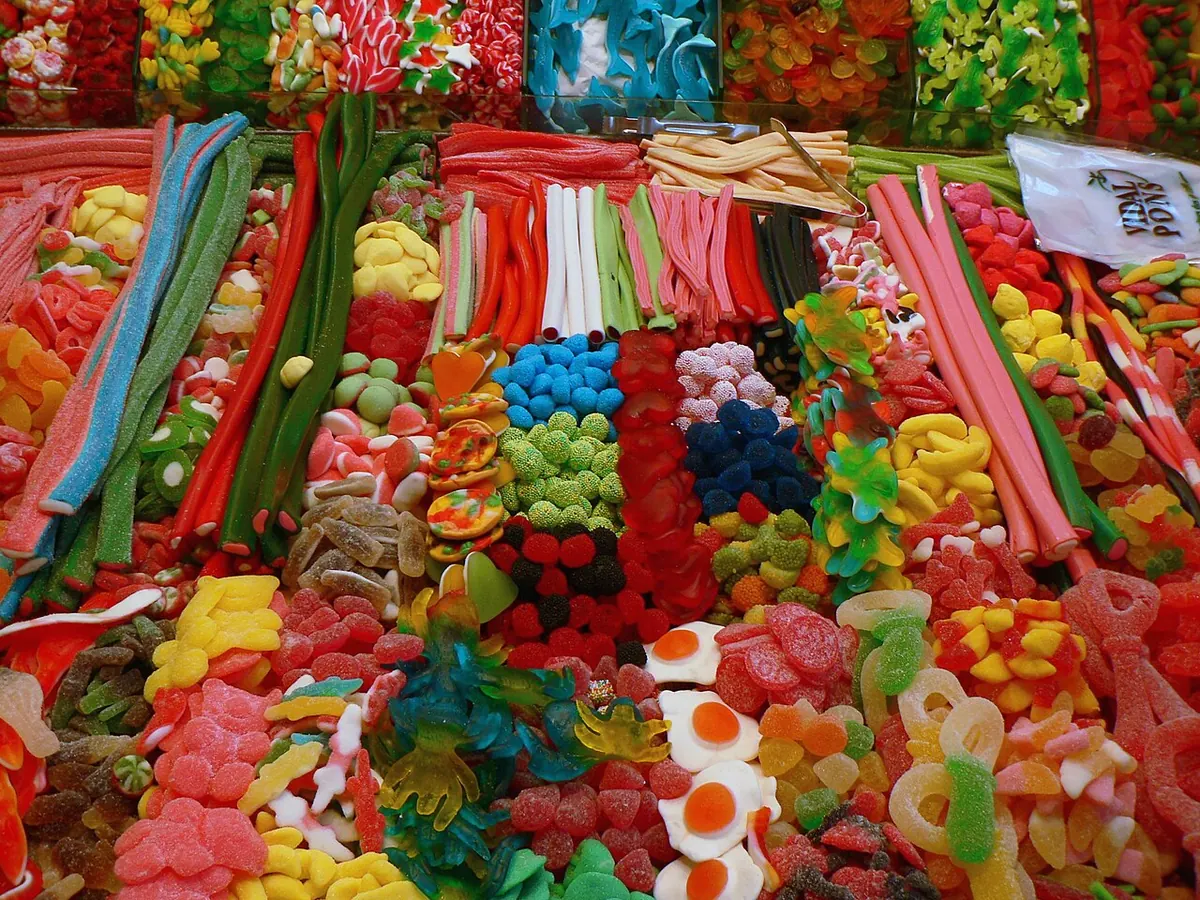
Jelly sweets

Gums and jellies set with gelatine, pectin, agar or starch. Specify the gelling agent and, for gelatine, its source and halal status, plus sugar sanding or oiling, water activity and colours. Mini jelly cups made with konjac are banned in some markets for choking risk.

Chocolate

Real chocolate uses cocoa butter; compound chocolate replaces it with other vegetable fats, costs less and handles heat better, but some markets restrict what may be sold as chocolate. Specify cocoa solids, fat type and milk content, and plan cool transport.

Toffee

Cooked sugar, glucose, milk and fat, chewy or hard, wrapped singly. Milk makes it an allergen product. Specify texture, moisture, fat type, milk solids and wrap, and check stickiness after warm storage, since soft toffee deforms in heat.

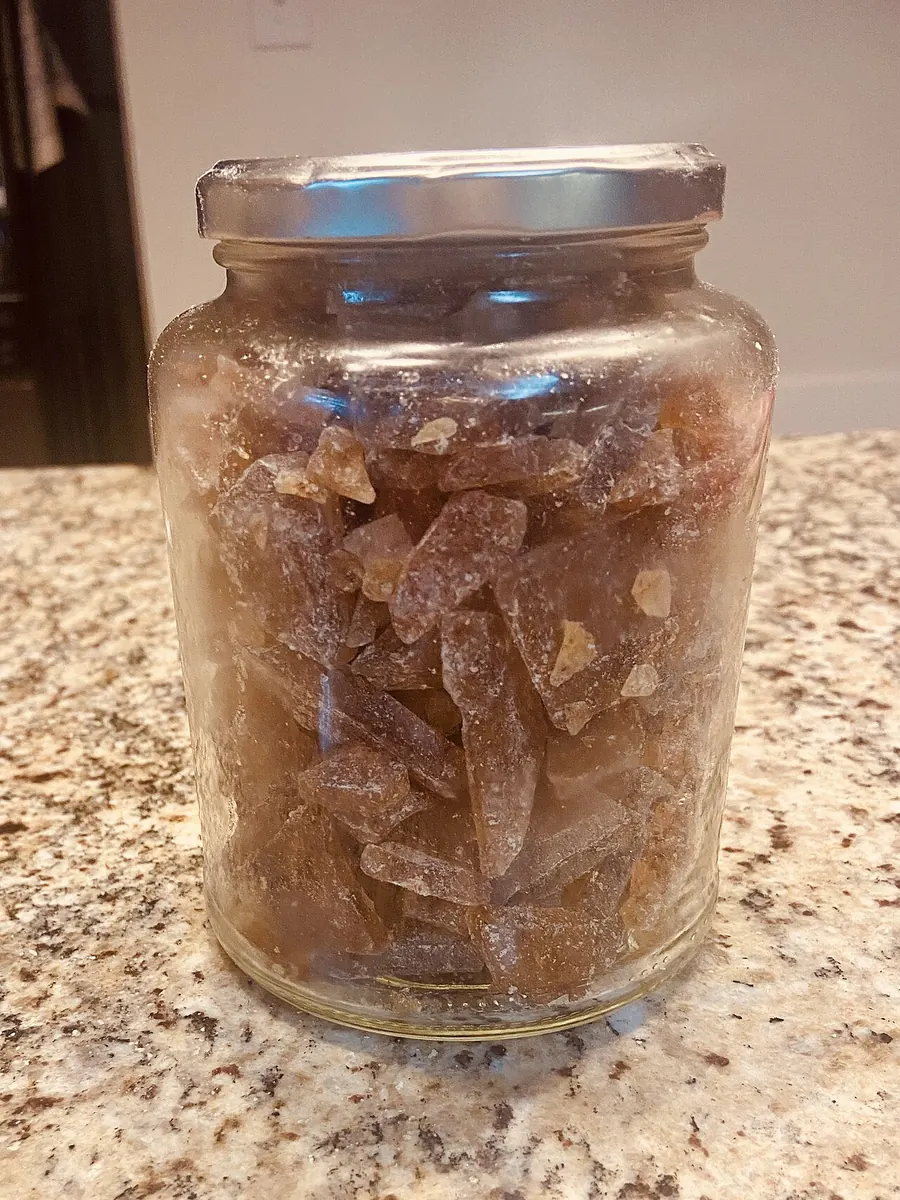
Jaggery (gur)

Unrefined sugar boiled down from sugarcane juice or, in winter, date palm sap, sold as solid cakes (patali), liquid (jhola) or granules. Specify source, colour, moisture, sucrose and sulphur dioxide residue, since bleaching agents such as hydrose are used to lighten colour, and ask for airtight packs.

How to brief a confectionery manufacturer in Bangladesh

Recipe and sample
Sugar, glucose syrup, fat, milk and cocoa content, flavours and colours, against a sealed reference sample signed by both sides. Any recipe change needs your written approval.
Colours and additives
Each colour and additive named with its E or INS number, and only those permitted in your market, since the rules differ widely.
Gelling agent and halal
Gelatine source (bovine, fish or porcine), or pectin, agar or starch, with halal certificates naming each product where buyers need them.
Heat and humidity
Behaviour at 30 to 40 °C and high humidity: stickiness, sweating, deformation and bloom. Ask for storage test results, not assurances, and state the shipping months.
Piece weight and count
Weight per piece, pieces per bag or jar and packs per carton. Quote per carton so every seller prices the same thing.
Wrap and pack
Twist or flow wrap with a moisture barrier, jars, pouches or display boxes, and carton strength for humid stores. Printed film is ordered in runs, which sets the minimum.
Contaminants and shelf life
Heavy metals, sulphur dioxide residue in gur and microbiology for fillings; total shelf life and the share left on arrival.

Standards, limits and certificates for confectionery

Regulation (EC) No 1333/2008
EU food additive rules: permitted colours and gelling agents, the warning label for six colours, and the ban on konjac in jelly confectionery.
Directive 2000/36/EC
EU rules for cocoa and chocolate products, including the limit of 5 percent vegetable fats other than cocoa butter in chocolate, which must be declared.
Regulation (EU) No 1169/2011
Ingredient list, allergens such as milk, nuts and soya, nutrition declaration and net quantity for food sold in the EU.
HACCP, ISO 22000, FSSC 22000 or BRCGS
Ask for the certificate with the plant's name and a scope covering confectionery or chocolate; retailers often ask for FSSC 22000 or BRCGS.
BSTI mark and halal
Confectionery sold in Bangladesh needs the BSTI mark where it is on the mandatory list; halal from the Islamic Foundation Bangladesh, especially for gelatine products.

What moves the price of confectionery

  • Sugar and glucose syrup: the main ingredients of candy and jellies, so their prices move the cost.
  • Cocoa, milk and fat: cocoa butter, cocoa mass and milk solids cost far more than vegetable fat.
  • Gelling agent and colours: certified halal gelatine, pectin and natural colours cost more than starch and artificial colours.
  • Wrapping: individual twist wraps, sticks, printed jars and display boxes add cost per kilogram.
  • Cold chain and terms: reefer transport for chocolate and jelly in hot months; Incoterm, payment terms and exchange rate.

Lead times and delivery

Standard products in the seller's own packs can often ship two to four weeks from order; private label usually takes six to ten weeks, because recipe approval, printed wrap and a pre-production sample come first. Date palm gur is made only in winter, roughly November to February, so book it before the season, and chocolate may wait for a cooler shipping window or a reefer. Roptan confirms the dates in the quote.

Inside Bangladesh we deliver to distributors, retailers, sweet makers, bakeries and corporate buyers in Dhaka, Chattogram and Gazipur, by the carton, jar or truckload, with batch codes, test reports where ordered and a VAT invoice (Mushak 6.3). Chocolate and jelly products travel in closed, cool vehicles in the hot months. Melted, sticky or short-dated stock found on arrival is taken up with the seller.

Buying confectionery and chocolate for export

For importers we quote FOB Chattogram (Chittagong), or CFR or CIF to your port, in dry containers for candy and gur and reefer containers for chocolate and jelly in hot months. Documents: commercial invoice, packing list, bill of lading, certificate of origin or a REX origin statement for EU GSP, a health or free sale certificate where required, halal certificate and lab reports for the batch. Payment is usually by letter of credit, or a deposit with the balance against documents.

What we check for this order

  • Plant certificates and ERCHACCP, ISO 22000, FSSC 22000 or BRCGS, and halal with the gelatine source papers, checked for scope and expiry; the seller's ERC current.
  • Colours and additivesThe recipe's colours and additives checked against your market's rules, with a lab test where a colour is in doubt, before artwork is printed.
  • Lab reports per batchColours, heavy metals, microbiology and, for gur, sulphur dioxide, tested by an accredited lab before shipment.
  • A visit, then the sample against referenceCooking, depositing, wrapping and store conditions seen in person; colour, taste, texture, weight and wrap checked against the approved reference before bulk.

Questions buyers ask

Why does hard candy turn sticky?

Hard candy is sugar in a glassy state, and it pulls moisture from humid air. Once the surface takes up water it turns sticky and the wrappers cling. Specify a moisture-barrier wrap, sealed outer packs and dry, cool storage; we check samples after a humid storage test.

Can chocolate be shipped from Bangladesh without melting?

Yes, with temperature control. Cocoa butter melts just below body temperature, and heat and temperature swings cause bloom, a harmless pale film that looks stale. Ship in a reefer, typically set around 15 to 18 °C, and keep it cool from plant to port.

Is the gelatine in jelly sweets halal?

Only if it comes from a halal source, usually bovine or fish, with a certificate. Ask for the gelatine supplier's halal certificate and the plant's own, covering the product, or choose pectin, agar or starch instead. We check that the certificates match the batch before bulk production starts.

Which colours are a problem for export?

It depends on the market. In the EU, six colours need a warning about children's activity and attention, and titanium dioxide (E 171) is not allowed in food. Other markets have their own lists. Send your market's rules, and we check the recipe and label before production.

How is jaggery quality checked?

By colour, moisture, sucrose and sulphur dioxide residue, plus foreign matter and microbiology. Pale gur is not always better: bleaching agents such as hydrose lighten it and leave residue, and liquid gur can ferment if packed badly. Specify the limits, untreated gur if you want it, and airtight packs; we test a sample from your lot.

How soon will I hear back about confectionery and chocolate?

Within 48 hours of a complete requirement, with a price and a delivery date. A requirement is complete when it has the quantity, where it is needed and by when.

Who do I deal with?

With Roptan, when Roptan manages the order: we buy from the verified seller and deliver to you. With the supplier directly, when you post on the requirement board and choose a quote yourself.