Buying spices and tea in Bangladesh
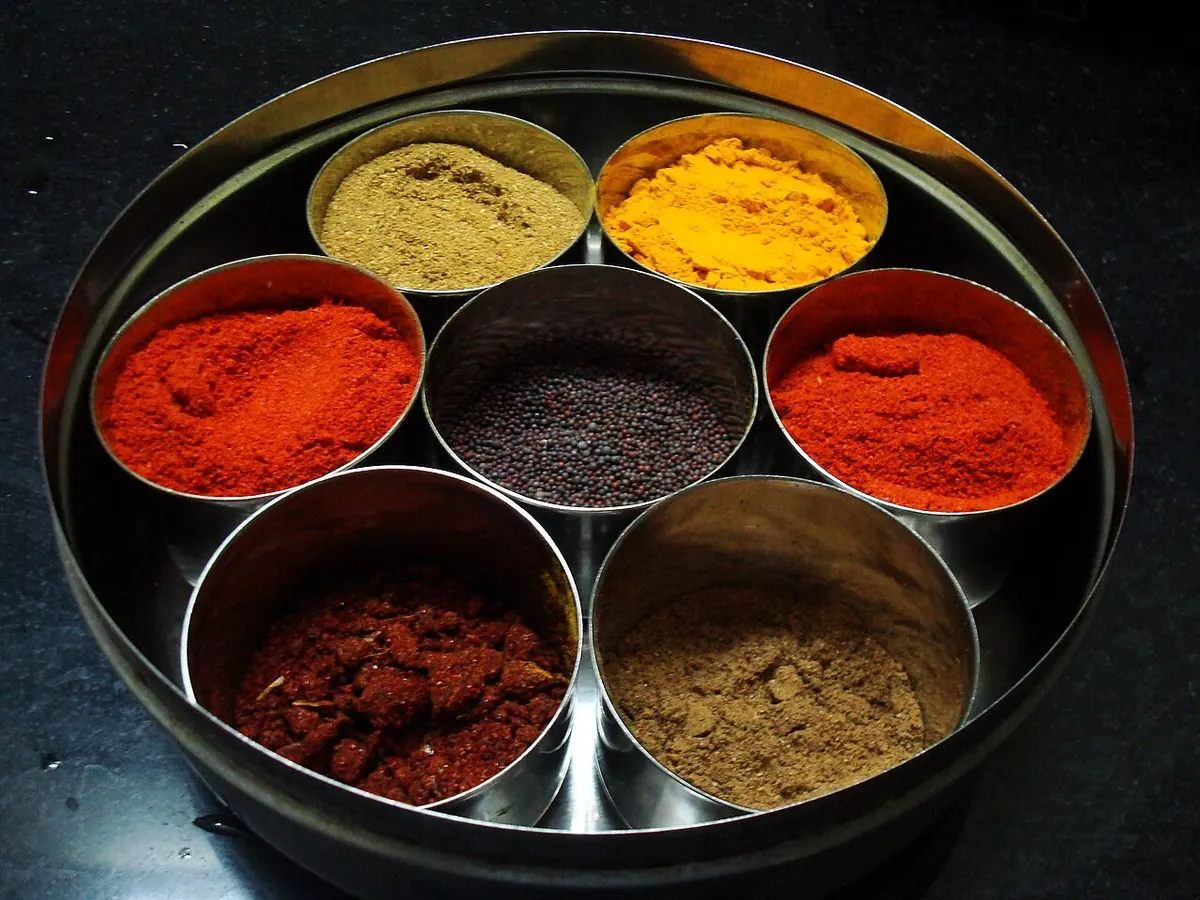
Bangladesh grinds and packs turmeric, chilli, coriander, cumin and mixed spices for retail and food service, and its tea gardens around Sylhet, Moulvibazar, Habiganj and Chattogram produce mostly CTC black tea, sold largely at auction in Chattogram. A spice and tea exporter in Bangladesh is judged on colour, purity and contaminant tests, because adulteration, mycotoxins and residues are what importers reject at the border.
Roptan sources for you. Send your specification; we match it to verified mills and tea sellers, check the lab reports on your lot, including aflatoxin, pesticide residues, lead and illegal dyes where they apply, inspect packing, and see the container loaded. You deal with Roptan only, and the quote lists the tests and documents included.
How to brief a spice and tea exporter in Bangladesh
- Grade and form
- Whole, crushed, split or ground; mesh size for powders; for tea the CTC or orthodox grade, with a reference sample or a standard such as ISO 3720.
- Quality values
- Curcumin for turmeric, ASTA colour and Scoville heat units for chilli, volatile oil for seed spices, bulk density for pepper, each with the test method named.
- Moisture and pack
- Moisture maximum and a moisture-barrier pack. Powders cake in monsoon humidity, so moisture at packing and the barrier both matter.
- Cleanliness
- Extraneous matter, insect damage, and total and acid-insoluble ash. High acid-insoluble ash points to sand or soil in the product.
- Contaminants
- Aflatoxins and ochratoxin A for chilli, turmeric and pepper; lead and chromium for turmeric; Sudan and other illegal dyes for chilli and blends; pesticide residues in mg/kg.
- Microbial treatment
- Salmonella, E. coli, yeast and mould limits, and how they are met: steam treatment is common; ethylene oxide is not allowed in the EU.
- Quantity, label and terms
- Tonnes or cartons per item; ingredients, allergens and date marking in your language; FOB Chattogram or CFR; letter of credit or deposit terms.
Standards, limits and documents for spices and tea
- ISO 3720 and ISO 3103
- ISO 3720 defines black tea and its basic requirements; ISO 3103 sets how tea liquor is prepared for tasting. Together they make a tea contract both sides can test.
- Regulation (EU) 2023/915
- Sets EU maximum levels for contaminants, including aflatoxins, ochratoxin A and lead in spices. Other markets set their own; we test against the limits you name.
- ESA and ASTA specifications
- The European Spice Association's Quality Minima and the American Spice Trade Association's cleanliness specifications set common limits for moisture, ash and extraneous matter.
- HACCP, ISO 22000, FSSC 22000 and halal
- For grinding and packing plants, with a scope covering your product; halal certification from the Islamic Foundation Bangladesh where buyers need it.
- Phytosanitary certificate and BSTI mark
- The Plant Quarantine Wing of the DAE issues the phytosanitary certificate for whole spices where your market requires it; spices sold in Bangladesh need the BSTI mark where listed.
Lead times and delivery
Bulk spices and tea from stock can often ship two to four weeks from order, once lab results are back; retail packs under your label usually take four to eight weeks for a first order, because artwork, printed film and label approval come first. Tea bought at auction adds time for the sale and blending. Roptan confirms the dates in the quote.
Inside Bangladesh we deliver to food processors, restaurants, hotels, retailers and spice packers in Dhaka, Chattogram and Gazipur, in lined sacks or cartons with lot labels. You receive the packing list, lab reports where ordered and a VAT invoice (Mushak 6.3). Spices and tea take on damp and odours, so they are kept dry and away from strong-smelling goods.
Buying spices and tea for export
For importers we quote FOB Chattogram (Chittagong), or CFR or CIF to your port, in dry containers, with samples and small urgent lots by air from Dhaka. Documents: commercial invoice, packing list, bill of lading or air waybill, certificate of origin or a REX origin statement for EU GSP, a phytosanitary certificate for whole spices where required, halal certificate if requested, and the lab reports for the lot. Tea and spices should not share a container with strong-smelling cargo.
Questions buyers ask
How do I know turmeric powder is not adulterated?
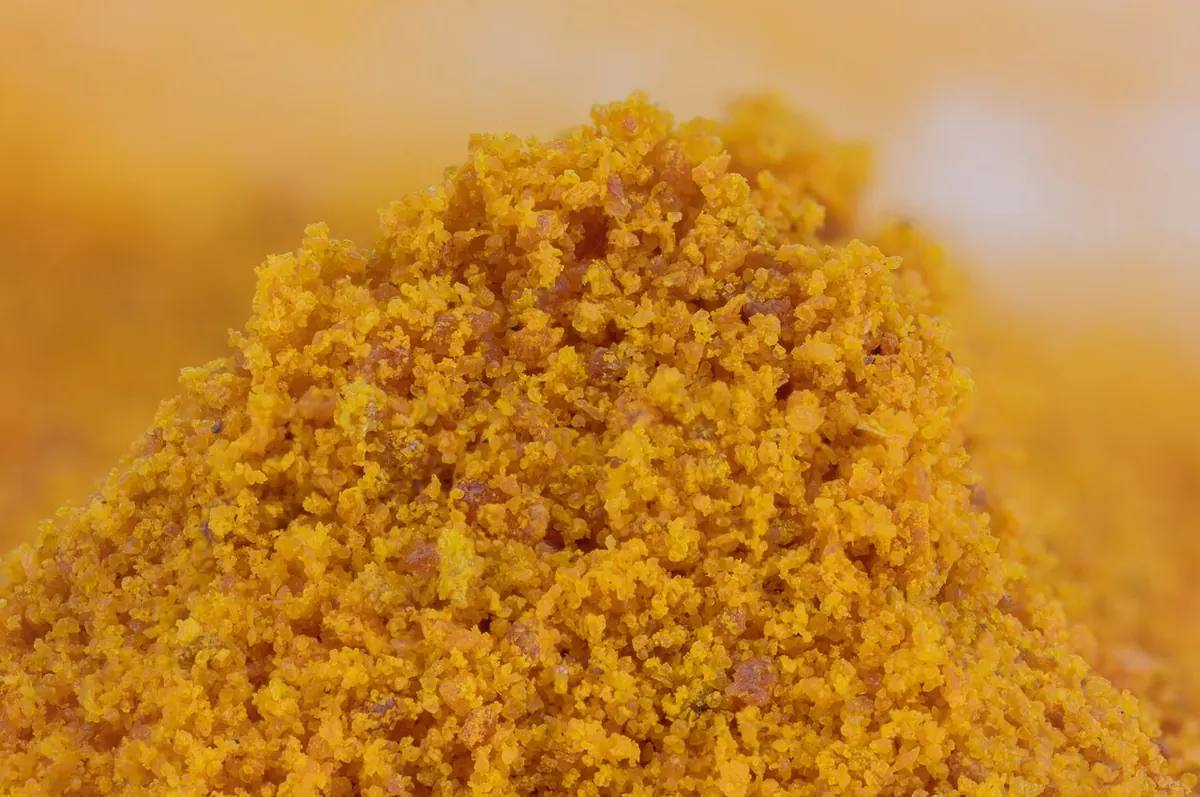
Ask for a lab report on your lot for lead and chromium, curcumin content and starch or foreign matter. Lead chromate has been used in the region to brighten turmeric, and Bangladesh's food safety authorities have acted against it, so the lead result is the key check.
What does ASTA colour mean for chilli?
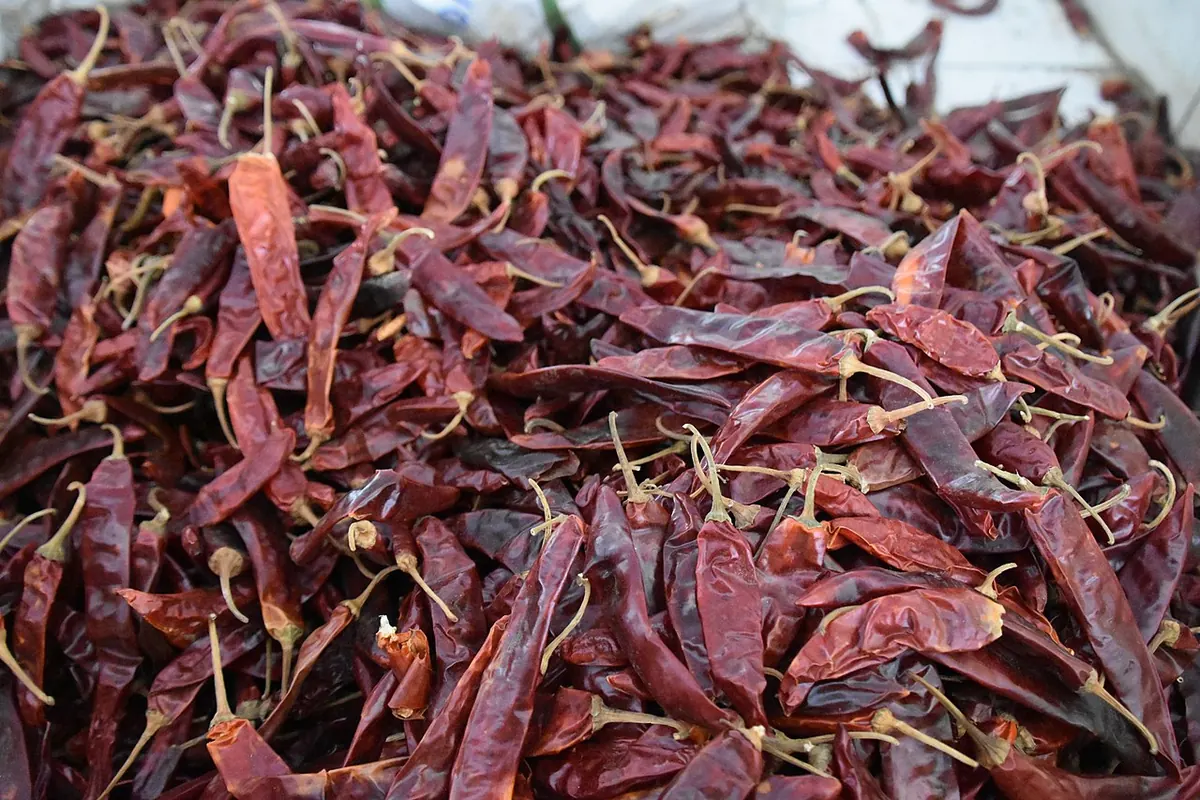
It measures the red colour that can be extracted from ground chilli, in ASTA units. Heat is separate, measured in Scoville heat units or as capsaicinoids. Specify both with the method, because a bright chilli can be mild and a hot one can be pale.
What is the difference between CTC and orthodox tea?
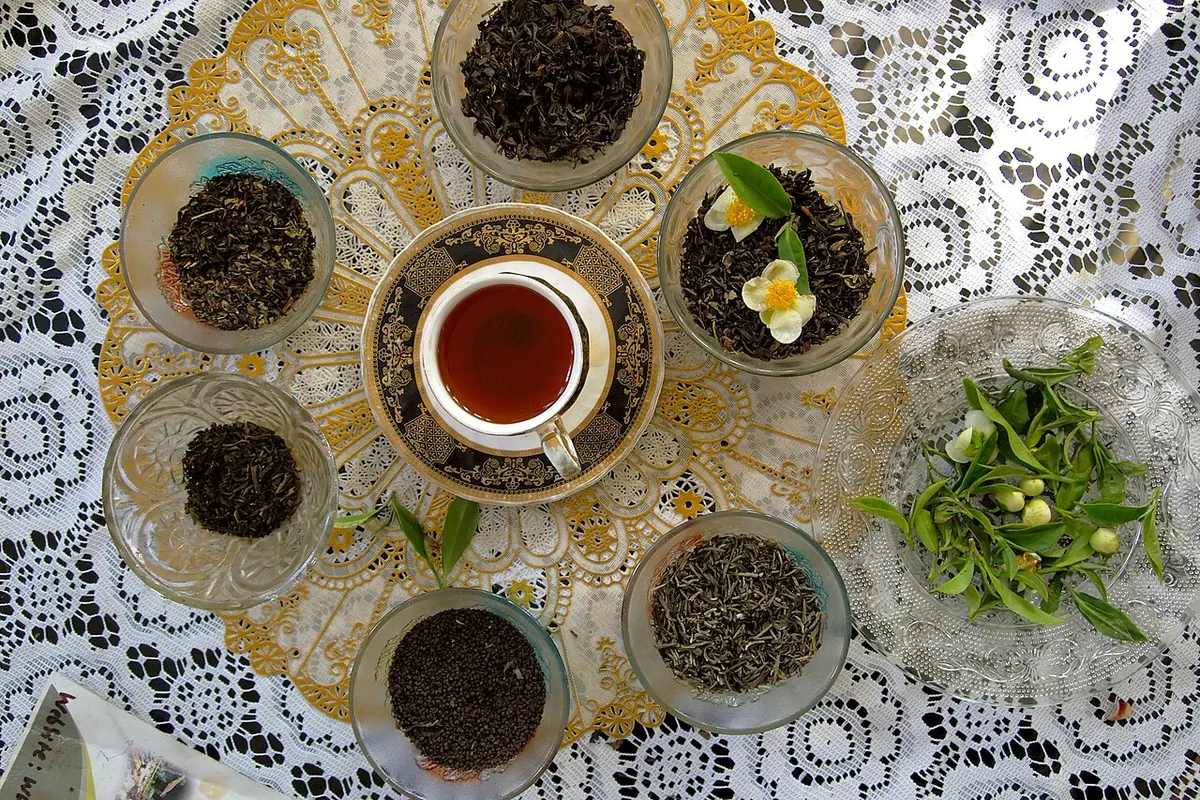
CTC (crush, tear, curl) tea is cut by machine into small, even granules that brew fast and strong, which suits milk tea and tea bags; fannings and dust fill tea bags. Orthodox tea is rolled leaf that brews lighter, with more aroma. Most tea made in Bangladesh is CTC.
Is ground spice steam treated?
It can be. Steam treatment reduces bacteria such as Salmonella without chemical residues, and many importers require it. Ethylene oxide is not allowed in the EU, and irradiated spice must be labelled there. Tell us your market's rule; we confirm the treatment in the quote.
Can you pack spices and tea under my own brand?
Yes. Sellers pack in jars, pouches or cartons with your artwork, ingredients, allergens and date marking in your language. You approve the recipe and a pre-production sample; printed film or labels are a one-time cost and set the minimum per product.
How soon will I hear back about spices and tea?
Within 48 hours of a complete requirement, with a price and a delivery date. A requirement is complete when it has the quantity, where it is needed and by when.
Who do I deal with?
With Roptan, when Roptan manages the order: we buy from the verified seller and deliver to you. With the supplier directly, when you post on the requirement board and choose a quote yourself.