Buying areca nut and sesame in Bangladesh
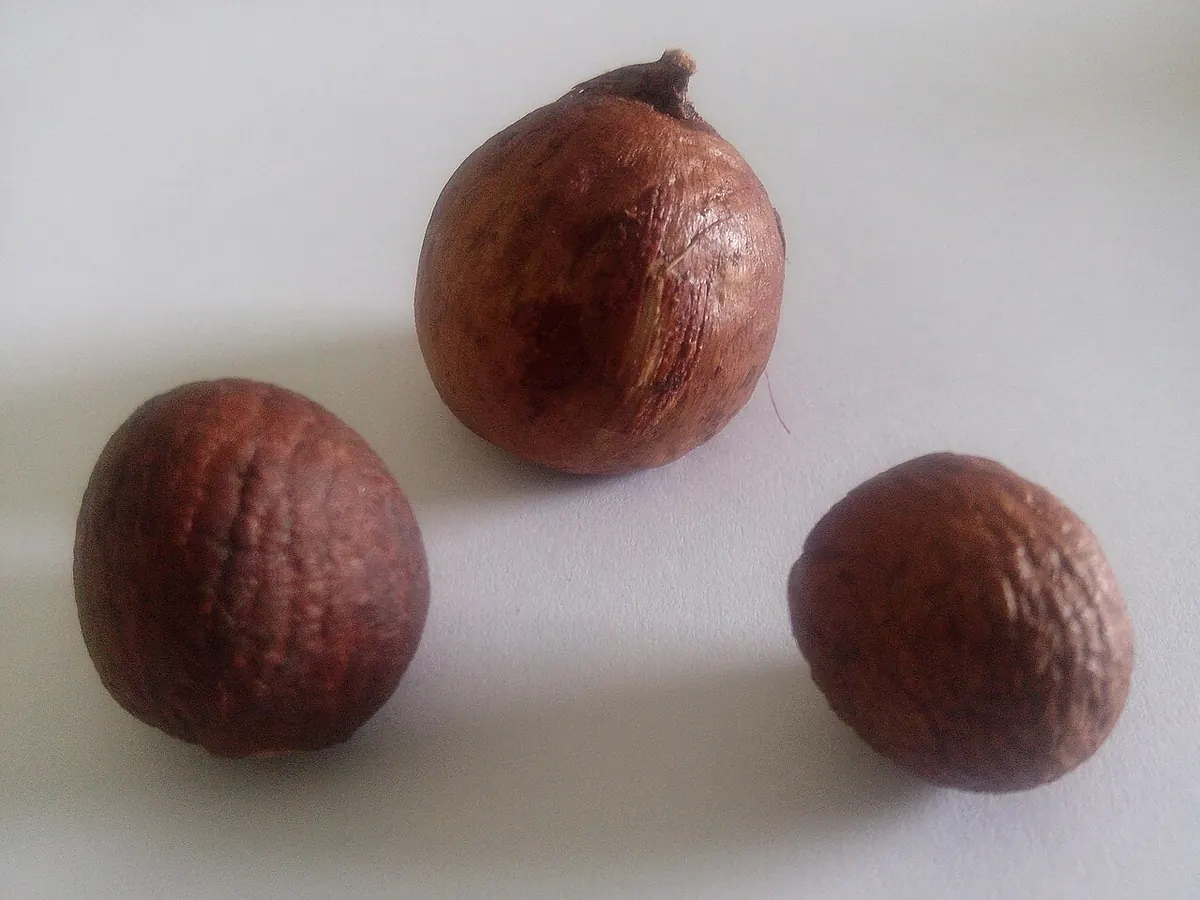
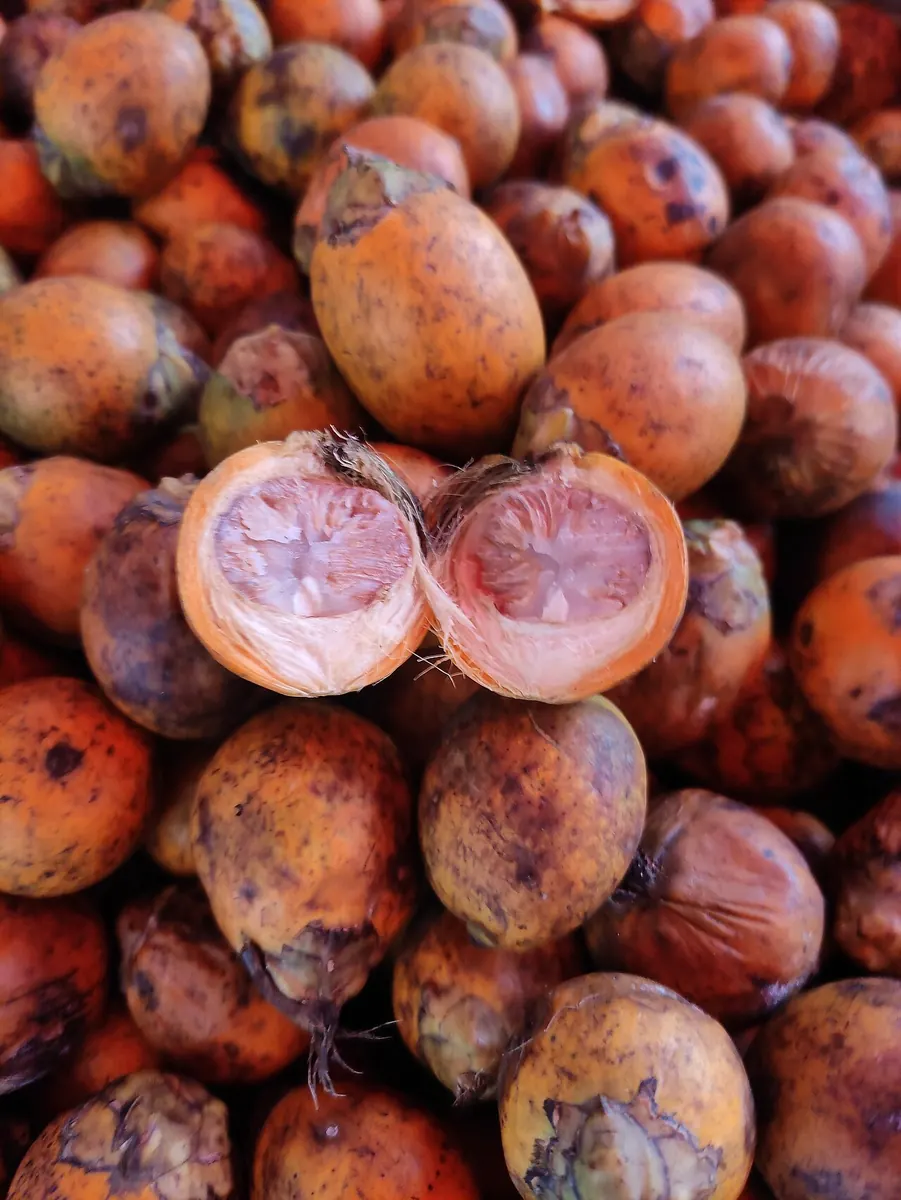
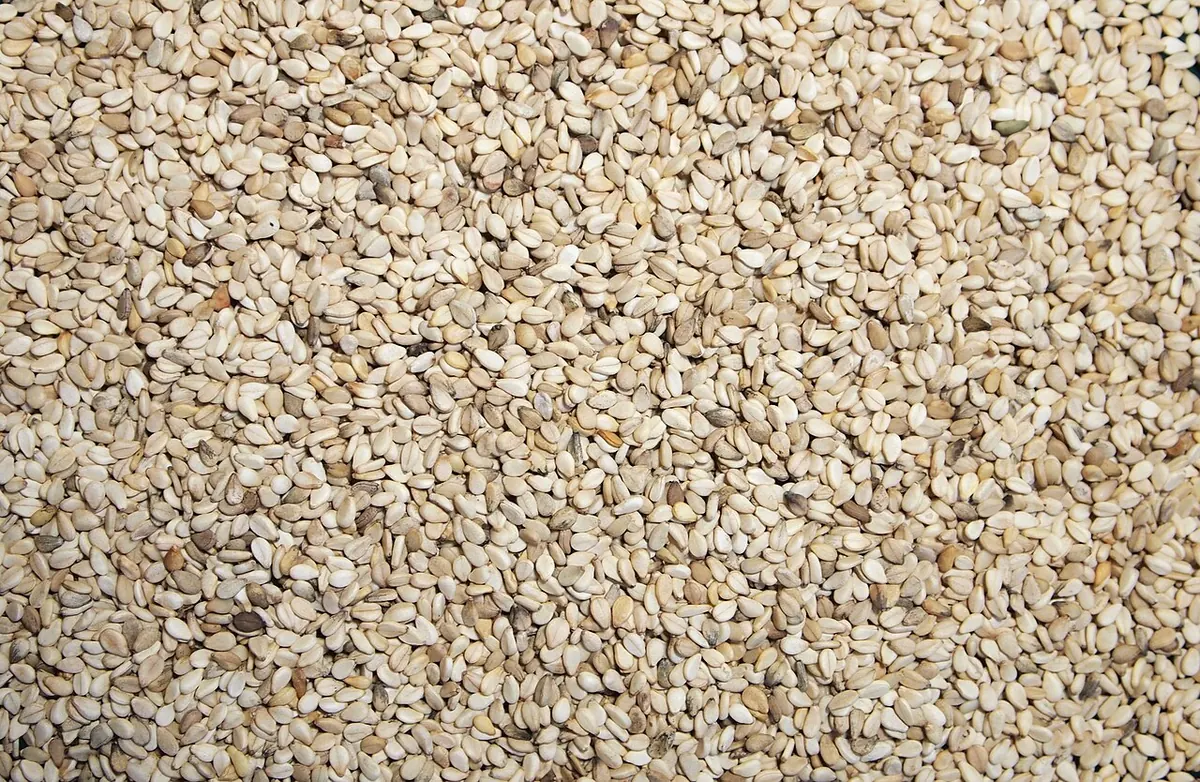
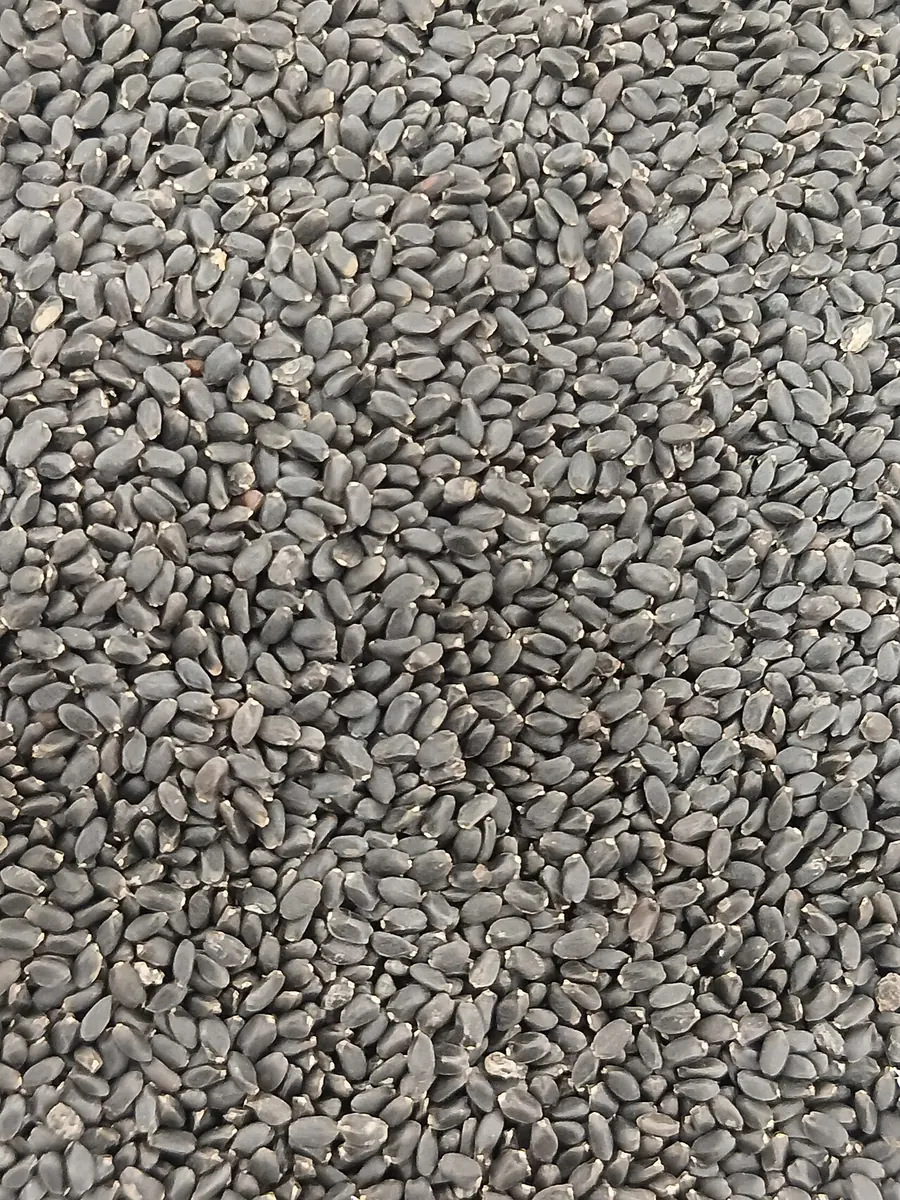
Areca nut (supari) is the dried seed of the areca palm, grown widely in the coastal districts and sold whole, split or sliced, mainly for chewing with betel leaf. Sesame and nigella (kalonji) are field crops bought by bakers, confectioners, oil pressers and spice packers. For an areca nut and sesame exporter in Bangladesh the risks are the same: moisture, mould, aflatoxin and foreign matter, made worse by monsoon humidity.
Roptan sources for you. Send your specification; we match it to verified processors, check moisture and the aflatoxin, Salmonella and residue reports for your lot, inspect sorting and bagging, and see the container lined and loaded. You deal with Roptan only, and the quote lists the tests and documents included.
How to brief an areca nut and sesame exporter in Bangladesh
- Moisture maximum
- The key figure for storage. Damp nuts and seeds mould in a sealed container, so state the maximum and the test method, measured at bagging and again at loading.
- Aflatoxin
- Aflatoxin B1 and total aflatoxins, tested on a sample drawn by a set plan such as Regulation (EC) No 401/2006. One grab sample from one bag proves little.
- Purity and admixture
- Purity as a percentage by weight, with limits for stones, dust, husk, other seeds and immature or broken kernels. Optical sorting raises sesame purity.
- Size and grade
- Areca by size or count per kilogram and kernel colour; sesame by colour and seed size. A reference sample sealed by both sides settles disputes.
- Oil and free fatty acid
- For sesame: oil content minimum and free fatty acid maximum. High FFA points to old or badly stored seed and shortens the oil's shelf life.
- Microbiology and residues
- Salmonella for sesame and nigella, pesticide residues against your market's limits, and ethylene oxide for sesame. Ask whether seed was steam treated.
- Pack, container and terms
- Jute or PP woven bags, usually 25 or 50 kg, with liners for sesame; container liners and desiccants; FOB Chattogram or CFR; deposit or letter of credit.
Tests, limits and certificates for nuts and seeds
- Regulation (EU) 2023/915
- Sets EU maximum levels for contaminants in food, including aflatoxins in oilseeds such as sesame. Other markets set their own limits; we test against the ones you name.
- Regulation (EC) No 401/2006
- EU sampling and analysis rules for mycotoxins. An aflatoxin result means something only when the sample is drawn this way, from many points in the lot.
- Ethylene oxide residues
- The EU sets the limit at the limit of quantification, counted together with 2-chloroethanol. Ask for this test on every sesame lot.
- Phytosanitary certificate
- Issued by the Plant Quarantine Wing of the DAE after inspection, with any fumigation stated on it or on a separate certificate. Check that lot numbers match your bags.
- HACCP, ISO 22000 and halal
- For cleaning, sorting and packing plants, with a scope covering your product; halal certification from the Islamic Foundation Bangladesh where your buyers need it.
Lead times and delivery
Cleaned seed and dried nuts from stock can often ship two to four weeks from order, once lab results are back; extra cleaning, hulling, slicing or new-crop supply usually takes four to eight weeks. A wet season that slows drying, fumigation and container space add time, and supply follows the harvest. Roptan confirms the dates in the quote.
Inside Bangladesh we deliver to spice packers, bakers, confectioners, oil mills and wholesalers in Dhaka, Chattogram and Narayanganj, in lined bags with lot labels. You receive the packing list, moisture and lab reports where ordered and a VAT invoice (Mushak 6.3). Bags are counted and weighed on arrival. Store them off the floor in a dry room; nuts and seeds pick up moisture fast in the monsoon.
Buying areca nut and sesame for export
For importers we quote FOB Chattogram (Chittagong), or CFR or CIF to your port, usually in 20-foot containers with liners and desiccants. Documents: commercial invoice, packing list, bill of lading, phytosanitary certificate, fumigation certificate where required, certificate of origin or a REX origin statement for EU GSP, and lab reports for moisture, aflatoxin, Salmonella and residues. Some markets restrict or tax areca nut imports, so check your own rules first. Payment is usually by letter of credit, or a deposit with the balance against documents.
Questions buyers ask
How dry should areca nut be for export?
Dry enough not to mould in a sealed container during the voyage. Figures vary between buyers, so state a maximum moisture in the contract, the test method and your right to reject. We measure moisture at bagging and at loading, and ask for desiccants in the container.
Why are sesame shipments rejected at import?
Common reasons are Salmonella, aflatoxin, pesticide residues and ethylene oxide. Each is avoidable: steam treatment instead of fumigants, dry storage, good cleaning and a test on a properly drawn sample before loading. We ask for the report on your lot from an accredited lab first.
Should I buy hulled or natural sesame?
It depends on the use. Hulled sesame has the seed coat removed, so it is whiter and softer and suits bread, sweets and tahini. Natural sesame keeps its coat, costs less to process and suits oil pressing and roasting. Hulling adds cost and weight loss.
How is aflatoxin sampled on a nut or seed lot?
By drawing many small samples from across the lot and combining them, because aflatoxin sits in a few kernels, not evenly. The EU sets the plan in Regulation (EC) No 401/2006. A result from one bag, or from a supplier's own reference sample, does not represent your shipment.
What is the minimum order, and can you arrange fumigation?
Usually one 20-foot container, since freight per tonne rises sharply for smaller lots; some sellers accept a trial of a few tonnes in a shared container. Fumigation before loading is arranged through a fumigation company, with a certificate for the lot, in the method your market accepts.
How soon will I hear back about areca nut and sesame?
Within 48 hours of a complete requirement, with a price and a delivery date. A requirement is complete when it has the quantity, where it is needed and by when.
Who do I deal with?
With Roptan, when Roptan manages the order: we buy from the verified seller and deliver to you. With the supplier directly, when you post on the requirement board and choose a quote yourself.