Buying dairy products and honey in Bangladesh
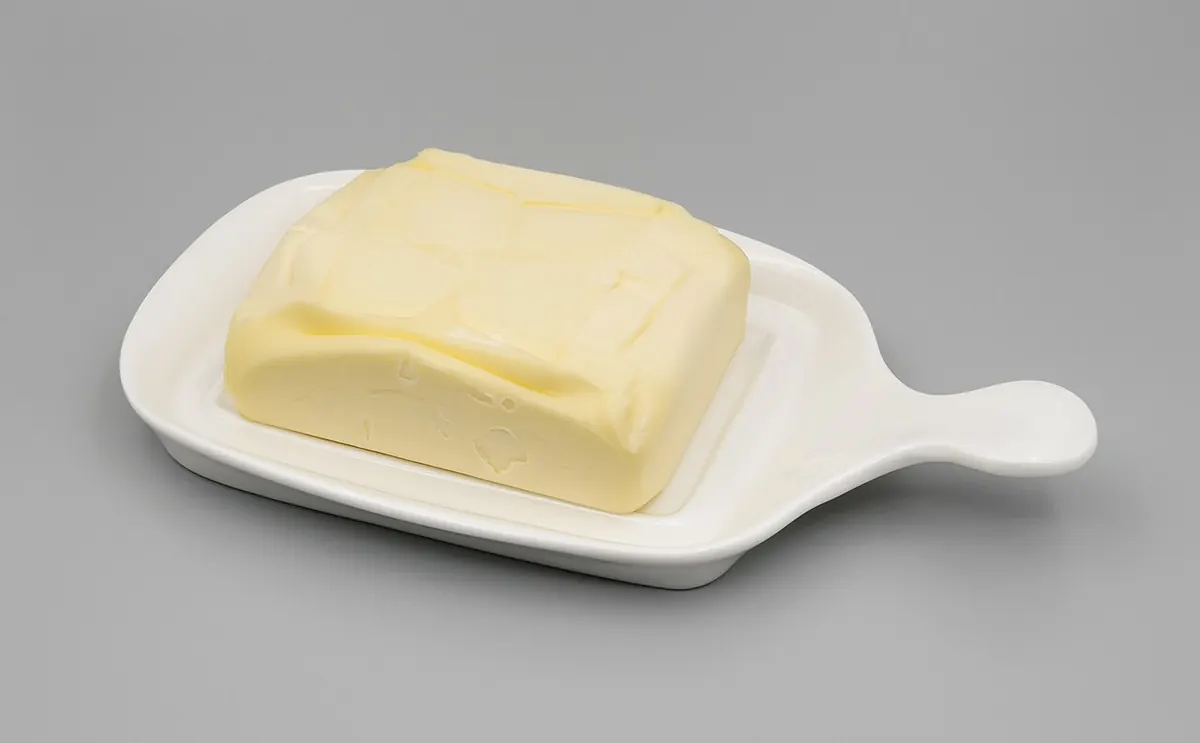
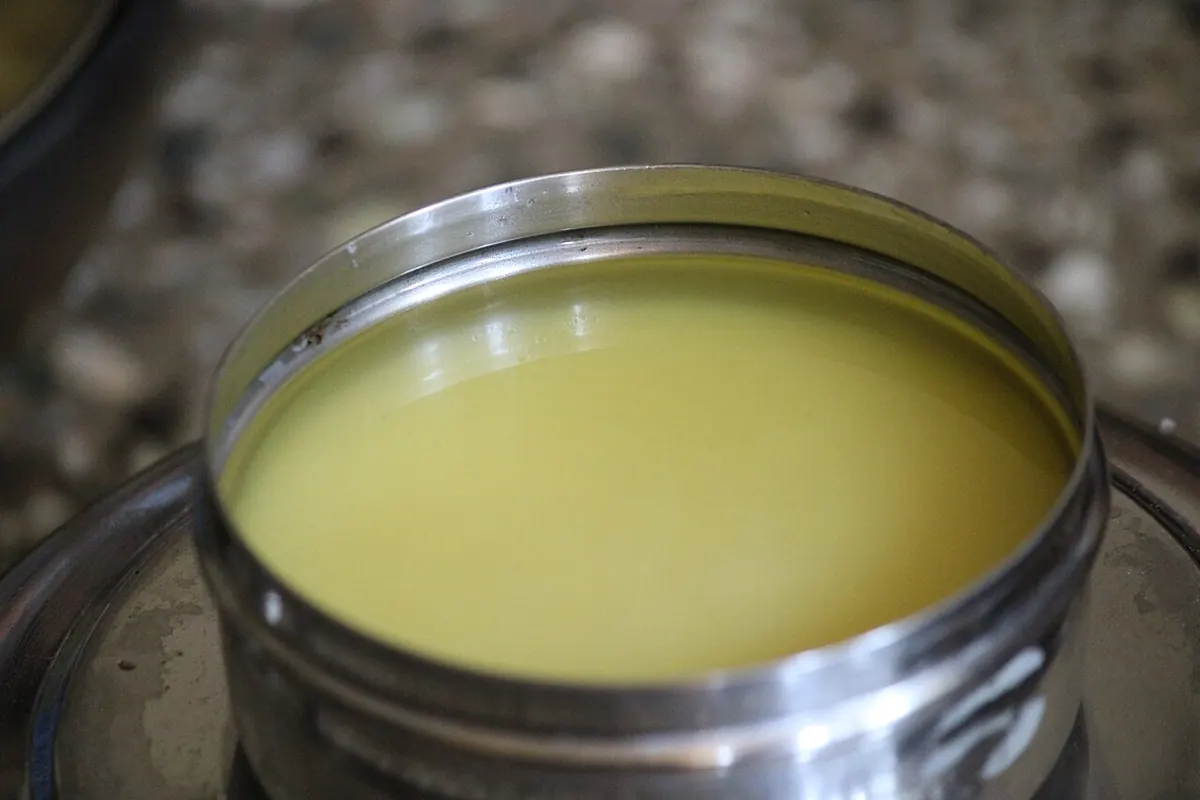
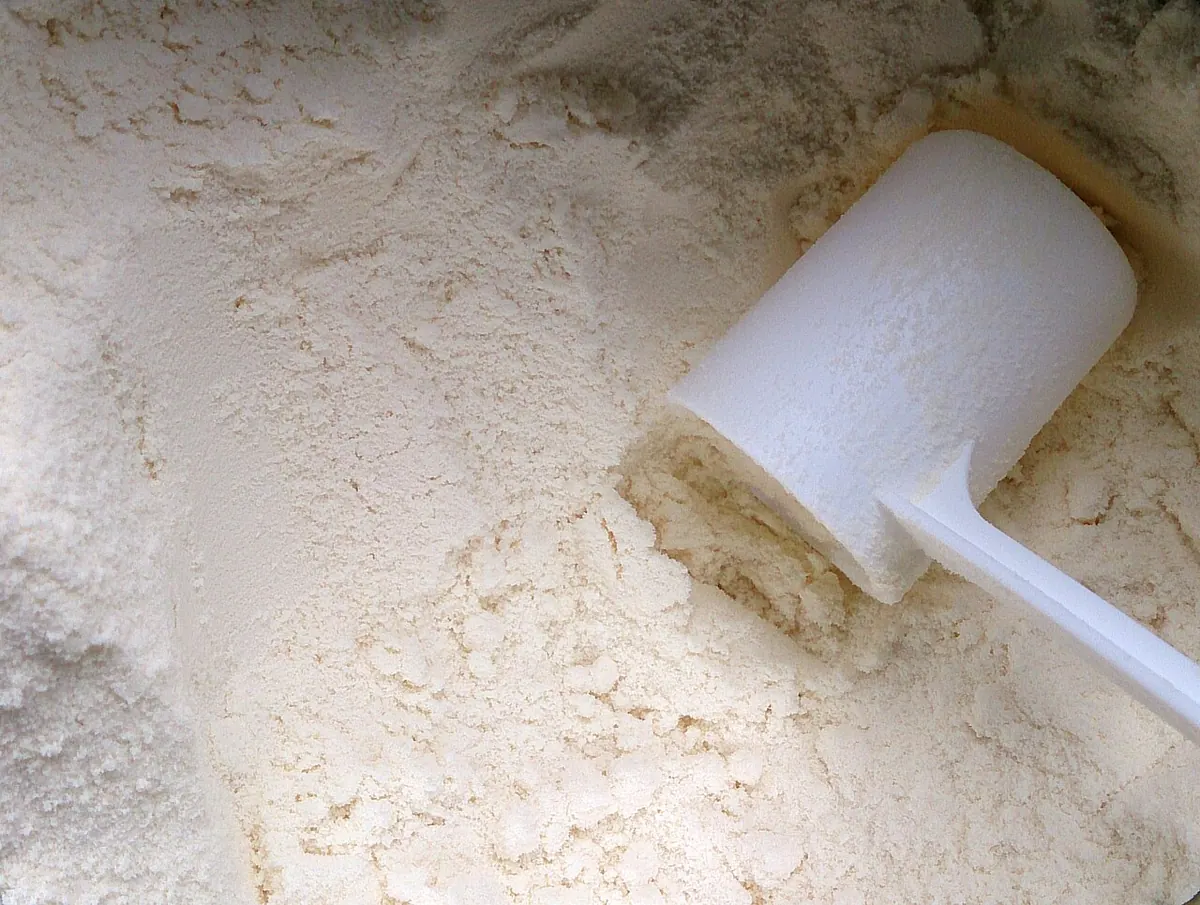
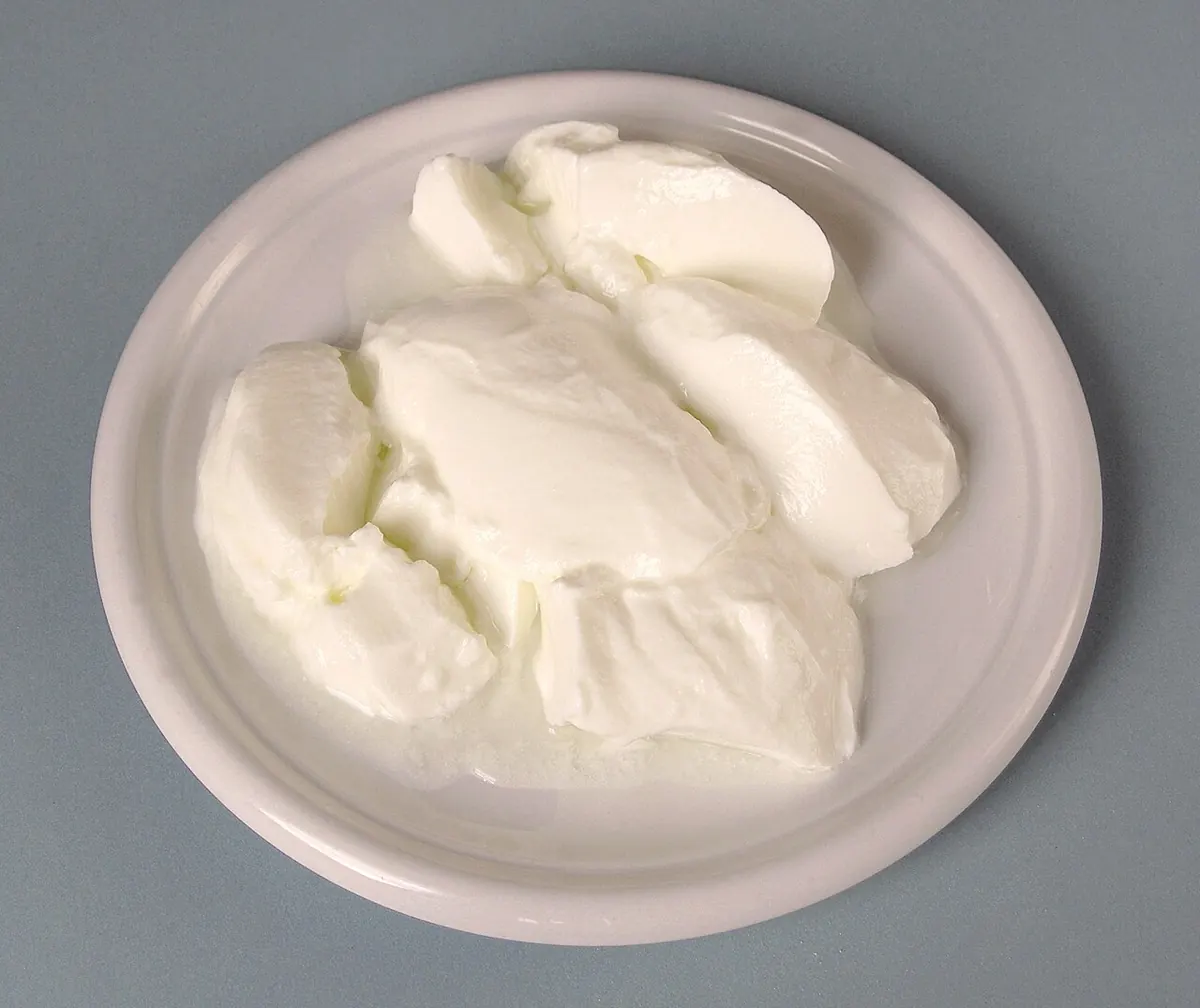
Dairy plants collect milk from districts such as Sirajganj and Pabna and make UHT milk, ghee, butter and yogurt, including the sweet mishti doi Bogura is known for; much of the milk powder sold here is imported. Honey comes from mustard and litchi flowers and the Sundarbans mangroves. Hotels, bakeries, sweet makers and caterers buy locally, and importers buy ghee, honey and long-life milk. A dairy products supplier in Bangladesh is judged on composition, purity and the cold chain.
Roptan sources for you. Send your specification; we match it to verified dairy plants and honey packers, check composition and purity tests on your lot, the cold chain and pack seals, and inspect before delivery or loading. You deal with Roptan only, and the quote lists the tests included.
How to brief a dairy products supplier in Bangladesh
- Composition
- Fat and solids-not-fat for milk; fat, protein and moisture for powder; milk fat for butter and ghee, each as a percentage with the test method.
- Purity tests
- Melamine for powder, vegetable fat and starch for milk, a fat profile for ghee and added sugar syrups for honey. Name them, because a routine certificate may skip them.
- Microbiology and residues
- Total plate count, coliforms and Salmonella; sterility for UHT milk; Cronobacter for powder used in infant food; antibiotic residues and aflatoxin M1 in milk, and residues in honey.
- Temperature
- Ambient for UHT milk, powder, ghee and honey; chilled at or below 5 °C for yogurt and butter, or butter frozen at -18 °C or colder, with temperature records.
- Pack
- Aseptic cartons for UHT milk, nitrogen-flushed tins or lined bags for powder, tins or jars for ghee, jars or drums for honey, with tamper-evident seals.
- Honey freshness
- Moisture, HMF and diastase. Honey with too much moisture ferments in heat, and high HMF points to overheating or long storage.
- Origin and label
- Where the milk or powder was produced, since imported powder repacked here may not count as Bangladeshi origin, and the label language and dates.
Standards, tests and certificates for dairy and honey
- Codex CXS 207-1999 and CXS 279-1971
- Codex standards for milk powders and butter: minimum fat, maximum moisture and, for powder, minimum protein. A neutral base for a contract.
- Codex CXS 12-1981 and Directive 2001/110/EC
- The Codex and EU honey standards: moisture, HMF, diastase and sugar limits, and the rule that nothing may be added to honey.
- AOAC 998.12
- The stable carbon isotope method for added C4 sugars, such as cane or corn syrup, in honey. It does not detect rice or other C3 syrups.
- HACCP, ISO 22000 or FSSC 22000
- Ask for the certificate with the plant's name and a scope covering your product, from milk reception or honey intake to packing.
- BSTI, BFSA and halal
- Products sold in Bangladesh need the BSTI mark where they are on its mandatory list and fall under the Bangladesh Food Safety Authority; halal from the Islamic Foundation Bangladesh where needed.
Lead times and delivery
UHT milk, powder, ghee and honey from a seller's stock can often ship two to four weeks from order; private label usually takes six to ten weeks, because printed cartons, tins or labels come first. Honey from one flower depends on its season, and chilled products need a reefer booking. Roptan confirms the dates in the quote.
Inside Bangladesh we deliver to hotels, bakeries, sweet makers, caterers, hospitals and retailers in Dhaka, Chattogram, Gazipur and Narayanganj, in chilled vans for yogurt and butter. You receive the packing list, batch codes, test reports where ordered and a VAT invoice (Mushak 6.3). Temperature, seals and dates are checked on arrival, and any shortfall is taken up with the seller.
Buying dairy products and honey for export
For importers we quote FOB Chattogram (Chittagong), or CFR or CIF to your port, in dry containers for UHT milk, powder, ghee and honey and reefers for butter, with samples by air. Documents: commercial invoice, packing list, bill of lading, certificate of origin, a health certificate where required, halal certificate and lab reports for the lot. Payment is usually by letter of credit, or a deposit with the balance against documents.
Questions buyers ask
How do I know ghee is pure milk fat?
By lab test, not smell or colour. Ask for a Reichert-Meissl value and a fatty acid profile on your lot: milk fat is rich in butyric acid that other fats lack, so blending lowers the values. A price well below other offers is a reason to test.
Why has my mustard honey turned solid?
Mustard honey is high in glucose and crystallises within weeks, often into a fine, pale mass. That is natural, not a sign of added sugar, and gentle warming returns it to liquid. If your customers want clear honey, ask which floral sources stay liquid longer, or sell mustard honey as creamed honey.
Which tests catch adulterated honey?
The stable carbon isotope test, AOAC 998.12, detects added cane or corn sugars; rice and other C3 syrups need other methods, such as NMR profiling. Add moisture, HMF and diastase for freshness. We ask for these on your lot and keep sealed samples in case of a dispute.
What is the minimum order for ghee or honey?
For delivery in Bangladesh, often a few cartons. For export, usually one 20-foot container, which can mix ghee, honey and other long-life products from one seller. Tell us the products and pack sizes, and we state the seller's minimum in the quote.
How do I compare dairy quotes like for like?
Put every quote on the same fat content, fresh or reconstituted milk, net weight, pack, shelf life left, temperature at delivery and payment terms. A lower price can mean less fat, reconstituted milk or a short shelf life. We lay quotes out this way, so you compare the same product.
How soon will I hear back about dairy products and honey?
Within 48 hours of a complete requirement, with a price and a delivery date. A requirement is complete when it has the quantity, where it is needed and by when.
Who do I deal with?
With Roptan, when Roptan manages the order: we buy from the verified seller and deliver to you. With the supplier directly, when you post on the requirement board and choose a quote yourself.