Buying pickles, sauces and preserved food in Bangladesh
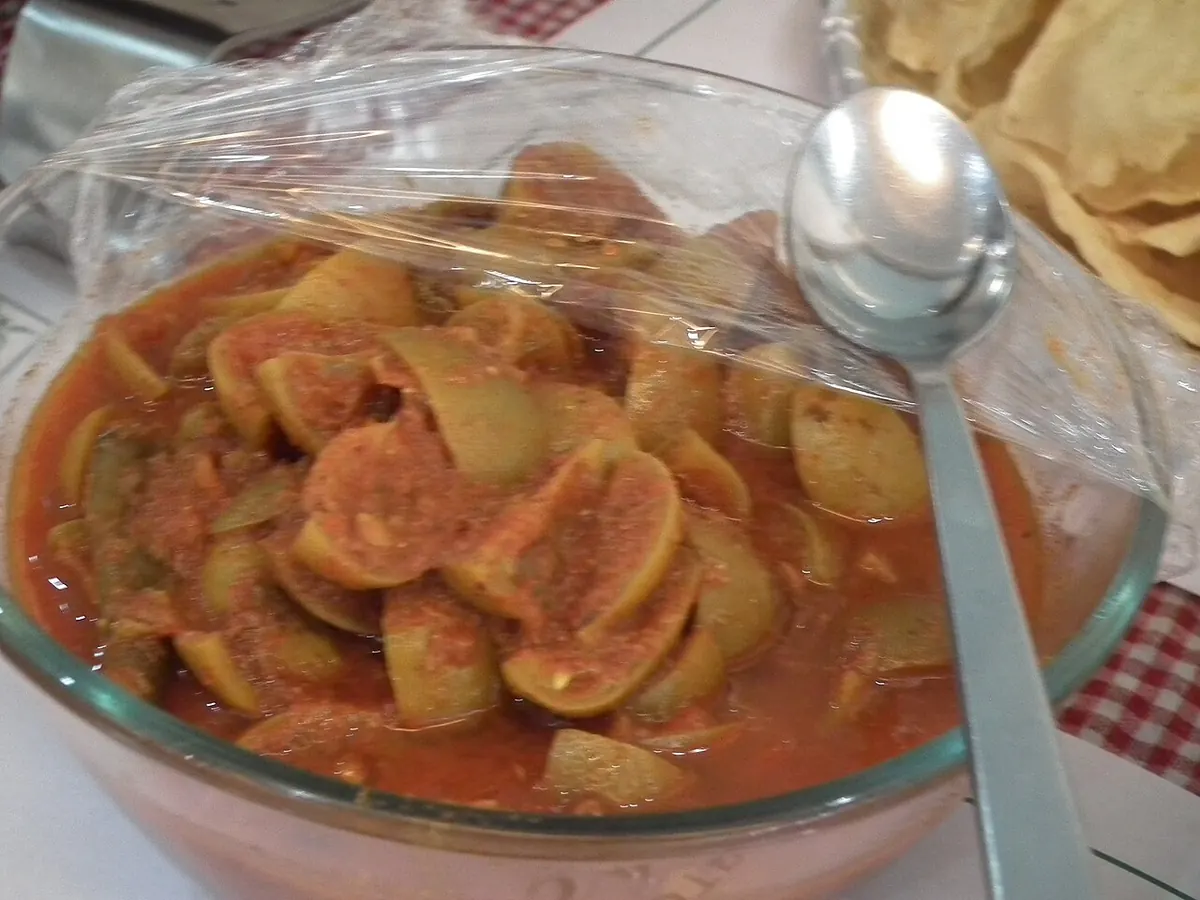
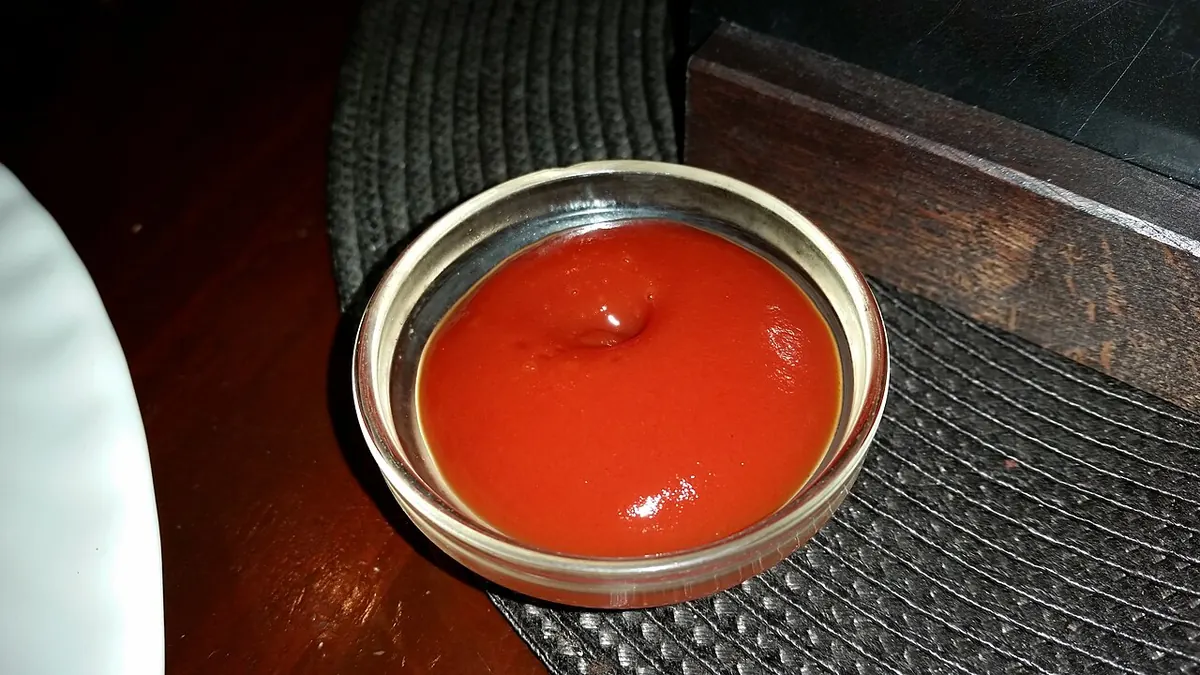
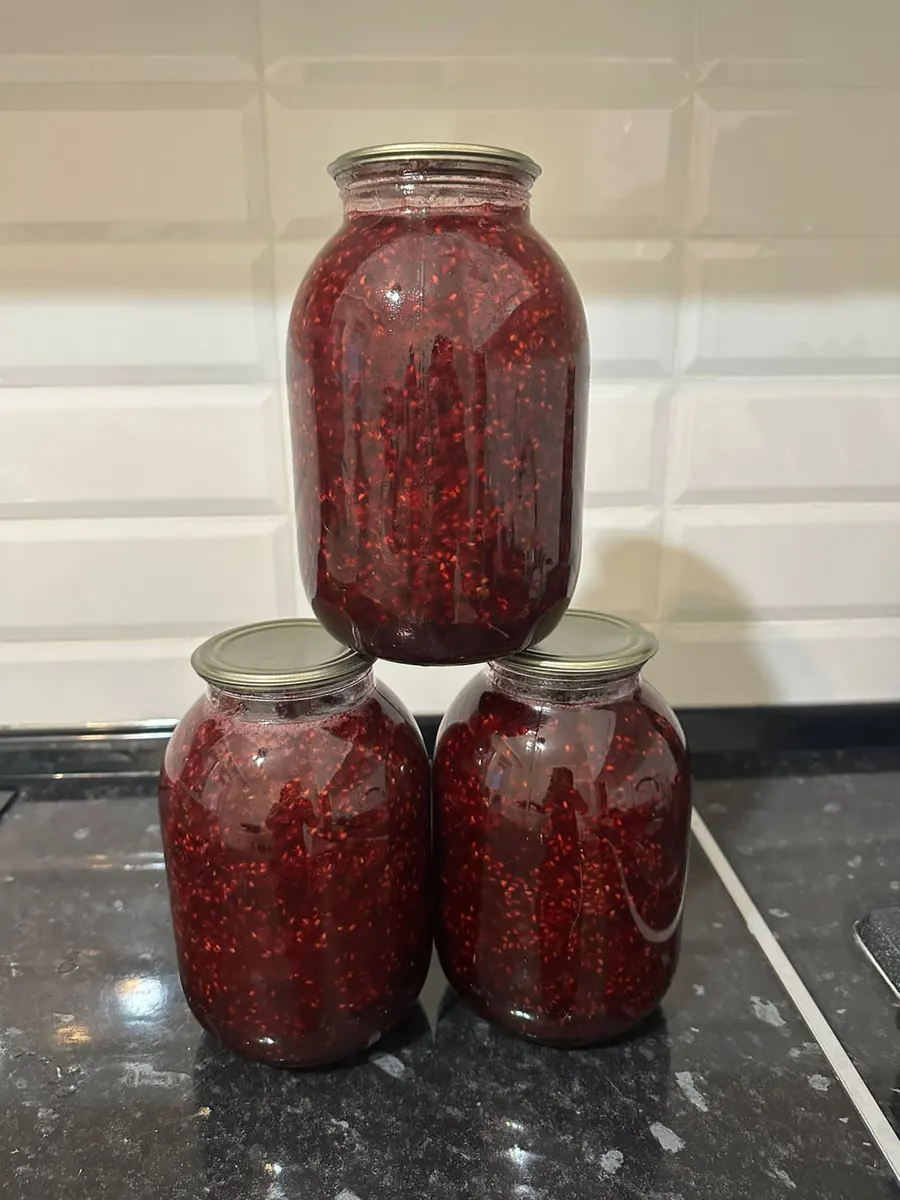
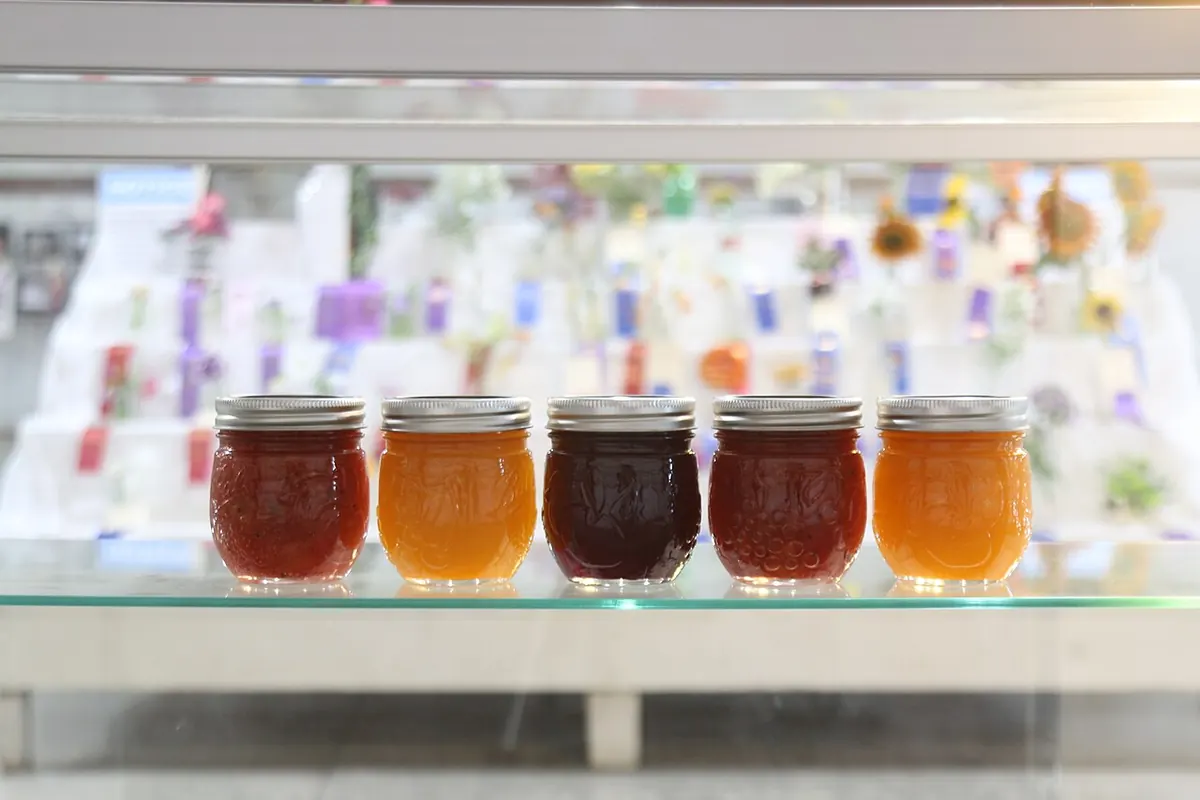
Plants around Dhaka, Gazipur, Narayanganj and Chattogram make mango, olive and mixed pickles (achar) in mustard oil or vinegar, ketchup and chilli sauces, jams, fruit in syrup, ginger and garlic pastes and ready-to-cook mixes. Importers buy them for South Asian grocery shops, and hotels, restaurants and caterers buy them at home. Choosing a pickle and sauce manufacturer in Bangladesh starts with how each product is preserved: acid, sugar, salt, oil or heat.
Roptan sources for you. Send the specification or a sample; we match it to verified plants, check pH and heat process records, jar and pouch seals, labels and lab tests, approve a pre-production sample and inspect the bulk before loading. You deal with Roptan only, and the quote lists the tests included.
How to brief a pickle and sauce manufacturer in Bangladesh
- Recipe and sample
- Product, main ingredient, heat, sweetness and oil, against a reference sample signed by both sides. Recipes differ widely, so taste more than one plant's sample.
- Preservation and pH
- How each product is preserved, by acid, sugar, salt, oil or heat, and the target pH and acidity, measured batch by batch on the finished product.
- Solids and drained weight
- °Brix, tomato solids or fruit content, and drained weight for pickles and fruit in syrup: two jars of equal net weight can hold very different amounts of fruit.
- Oil quality
- For oil pickles: oil type, free fatty acid and peroxide value, because the oil can turn rancid in heat before the fruit spoils.
- Additives and colours
- Preservatives such as sodium benzoate or potassium sorbate, colours and sulphites within your market's limits. Illegal Sudan dyes have been found in chilli products, so test red sauces.
- Pack and seal
- Glass or PET jars, bottles, pouches or sachets; lug caps or induction seals, tamper evidence and headspace; jars per carton, with dividers for glass.
- Label and shelf life
- Ingredients, allergens such as mustard and sesame, and dates in your language, and the share of shelf life left on arrival, often two thirds.
Standards, rules and certificates for pickles and sauces
- 21 CFR 108 and 21 CFR 114
- US rules for acidified foods: plant registration and a filed process for each product, which must hold an equilibrium pH of 4.6 or lower.
- Directive 2001/113/EC
- EU rules for fruit jams, jellies and marmalades: which product may carry which name, and the minimum fruit content for each.
- Regulation (EU) No 1169/2011
- EU food labels: allergens such as mustard, sesame and sulphites above 10 mg per kg, and the drained net weight of solid food packed in a liquid.
- HACCP, ISO 22000, FSSC 22000 or BRCGS
- The certificate should name the plant and cover cooking, filling and sealing your products; retailers often ask for FSSC 22000 or BRCGS.
- BSTI mark and halal
- Products sold in Bangladesh need the BSTI mark where they are on its mandatory list; halal from the Islamic Foundation Bangladesh where buyers need it.
Lead times and delivery
Standard products in the seller's own packs can often ship two to four weeks from order; private label usually takes six to ten weeks, because recipe approval, jars, labels and a pre-production sample come first. Green mango pickle is made while unripe mangoes are in season, around April to June, so book large orders early. Roptan confirms the dates in the quote.
Inside Bangladesh we deliver to distributors, supermarkets, hotels, restaurants and caterers in Dhaka, Chattogram, Gazipur and Sylhet, by the carton, jar or pail. You receive the packing list, batch codes, test reports where ordered and a VAT invoice (Mushak 6.3). Cartons are checked on arrival for broken jars, leaks and dates, and damaged stock is taken up with the seller.
Buying pickles, sauces and preserved food for export
For importers we quote FOB Chattogram (Chittagong), or CFR or CIF to your port, in dry containers, since sealed pickles, sauces and jams keep at room temperature, with glass in divided cartons on pallets. Documents: commercial invoice, packing list, bill of lading, certificate of origin or a REX origin statement for EU GSP, a health or free sale certificate where required, halal certificate and lab reports, plus any process filing your market requires. Payment is usually by letter of credit, or a deposit with the balance against documents.
Questions buyers ask
What pH should pickles and sauces have?
For acidified products, 4.6 or lower at equilibrium, which stops Clostridium botulinum from growing; ketchup and vinegar pickles usually sit well below that. State a target pH and tolerance, and we ask for the plant's batch pH records and a lab check on your lot.
Can oil-based achar spoil?
Yes. The oil can turn rancid in heat, and pieces that rise above the oil can grow mould. Specify an oil layer over the pieces, oil quality limits, salt and acidity, and clean, dry jars. We check peroxide value and a storage sample before shipment.
What does a US importer need for acidified pickles?
The plant needs FDA food facility registration and, for acidified foods such as many pickles and sauces, food canning establishment registration and a process filed for each product. Shipments without them can be refused, so we confirm the filings before the first order, or allow time for them.
How do I compare pickle quotes like for like?
Put every quote on the same recipe, net and drained weight, oil, jar, jars per carton, shelf life, Incoterm and payment terms. A lower price can mean less fruit and more oil or brine. We lay quotes out this way, so you compare the same product.
Are the pickles made with mustard oil?
Many Bangladeshi pickles are, for flavour and keeping. Mustard oil is naturally high in erucic acid, which some markets limit, so tell us your market's rule or the oil you prefer: sellers can use soybean or another vegetable oil, though the taste changes.
How soon will I hear back about pickles, sauces and preserved food?
Within 48 hours of a complete requirement, with a price and a delivery date. A requirement is complete when it has the quantity, where it is needed and by when.
Who do I deal with?
With Roptan, when Roptan manages the order: we buy from the verified seller and deliver to you. With the supplier directly, when you post on the requirement board and choose a quote yourself.