Managed sourcing from Bangladesh, for export and for buyers at home
Get it sourced

Food and agro

Noodles and snacks manufacturer in Bangladesh

Looking for a noodles and snacks manufacturer in Bangladesh? Send the product, flavour, pack and quantity. We source from verified plants, check frying oil, seasoning, allergens and lab tests, and deliver inside Bangladesh or ship FOB Chattogram.

  • Verified sellers
  • Checked before it ships
  • Delivered by Roptan

Get noodles and snacks sourced

Prefer to deal with suppliers yourself? Post it on the requirement board

Noodles and snacks products

Pick a product and we source it for you, or send one requirement that covers several.

Buying noodles and snacks in Bangladesh

Plants around Dhaka, Gazipur, Narayanganj and Chattogram make instant noodles, vermicelli (semai), puffed rice (muri), chanachur, potato chips and breakfast cereal for shops at home and for importers of South Asian foods, under the maker's brand or your own label. Demand for semai and muri peaks in Ramadan and before the Eids. Choosing a noodles and snacks manufacturer in Bangladesh starts with the process: fried or air-dried noodles, batch or continuous frying, extruded or flaked cereal each need different checks.

Roptan sources for you. Send the specification or a sample; we match it to verified plants with the right line, check frying oil quality, seasoning, allergen controls and lab tests, approve a pre-production sample and inspect the bulk before loading. You deal with Roptan only, and the quote lists the tests included.

Noodles and snacks we source

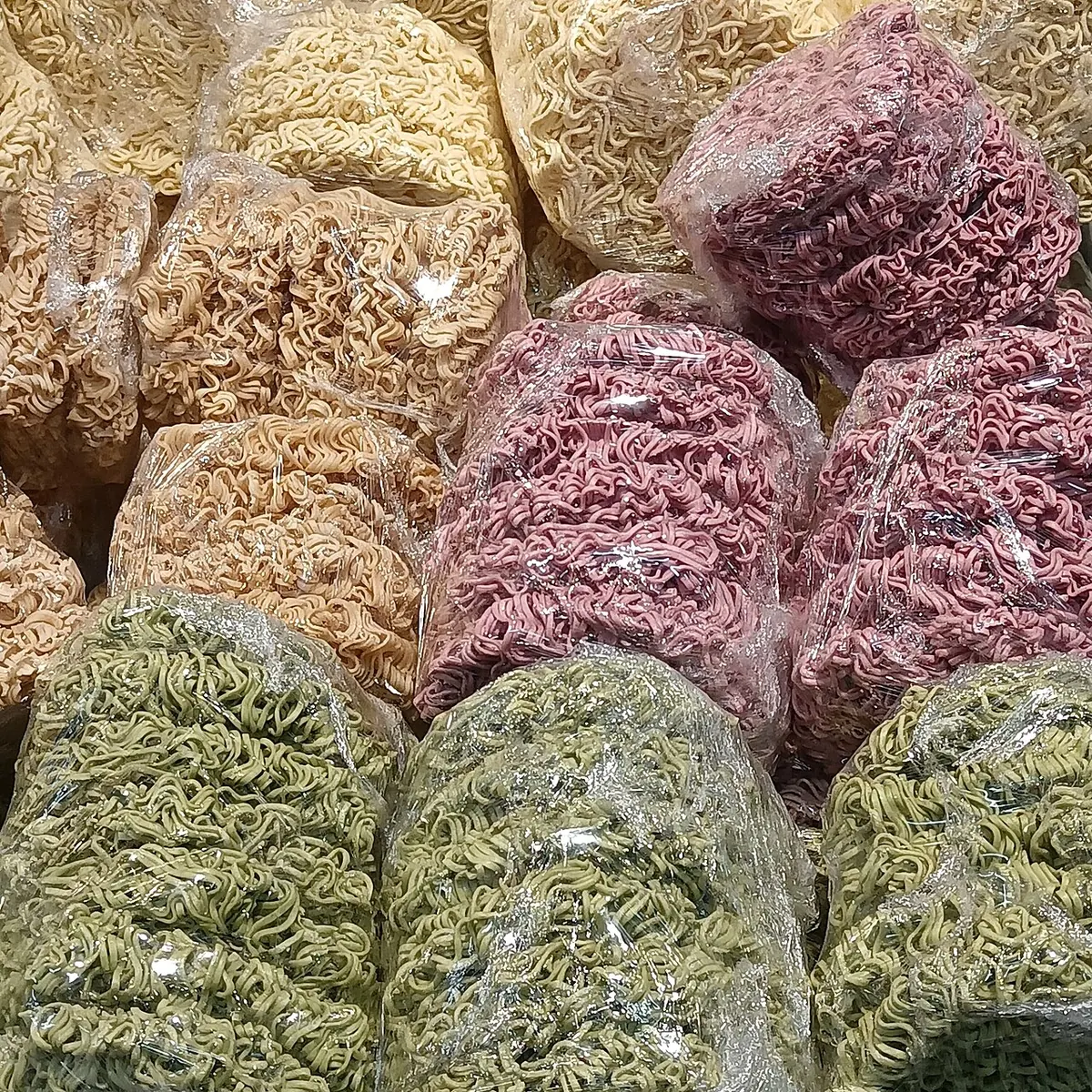
Instant noodles

Steamed wheat noodle blocks, fried in palm oil or air-dried, with seasoning and oil sachets, in pillow packs, cups or multipacks. Specify block weight, fat content, acid value of the oil, cooking time, seasoning recipe and allergens.

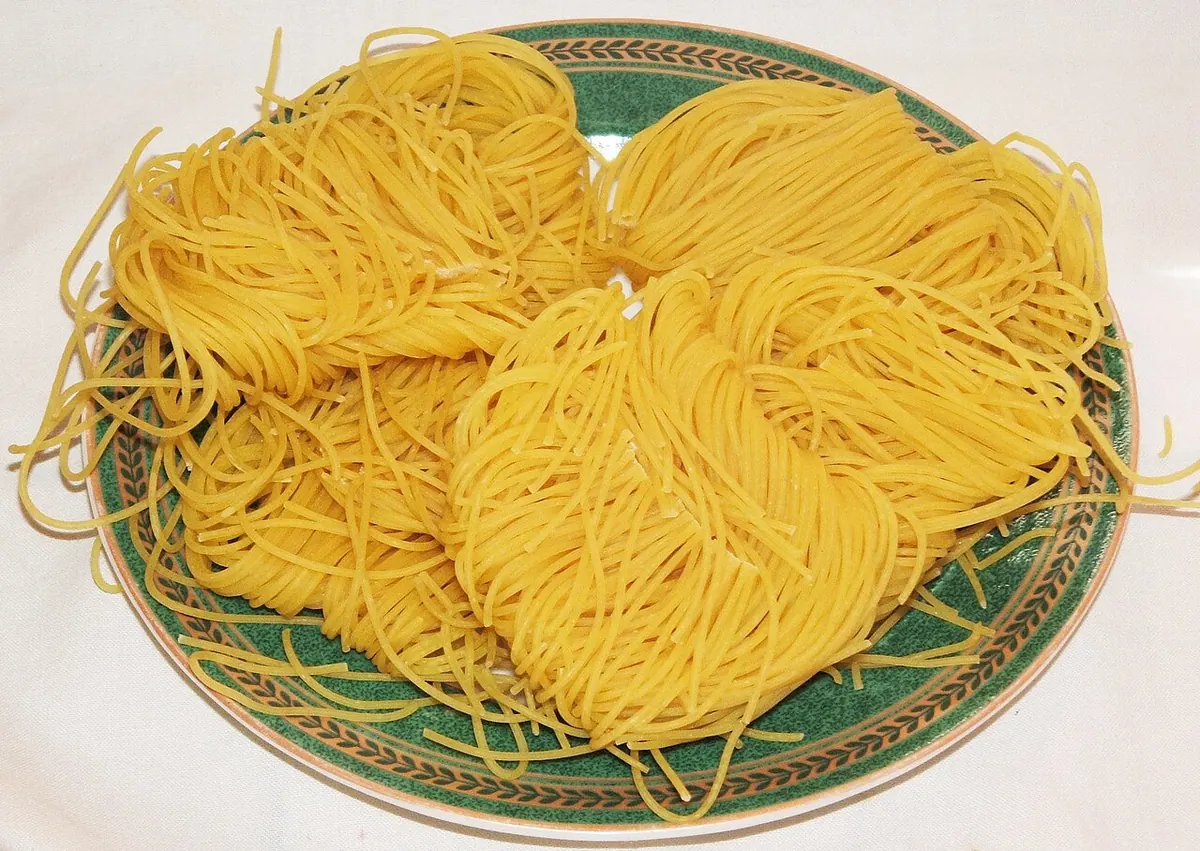
Vermicelli (semai)

Thin wheat strands, plain or roasted, cooked with milk and sugar into sweet dishes, and lachcha semai, a flaky type fried in oil or ghee. Specify strand thickness, roast colour and cooking time, and for fried types the fat and its peroxide value.

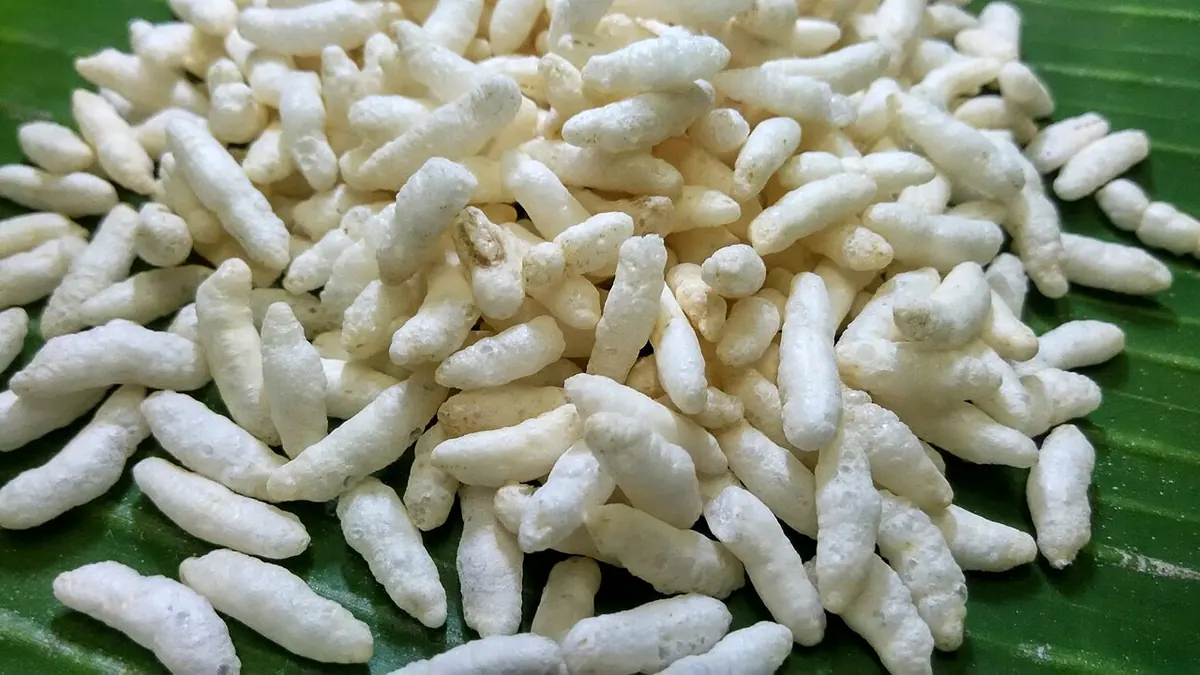
Puffed rice

Parboiled rice puffed with hot sand or by machine, eaten plain, in jhal muri or at iftar. It is very light and takes up moisture fast, so it needs airtight packs and fills a container by space. Ask for plain muri with no whitening agents.

Chanachur snack mix

A spicy fried mix of gram flour sticks, lentils, peanuts, flattened rice and spices. Peanuts make it an allergen product, and frying oil quality decides shelf life, so specify recipe, heat level, oil, peroxide limits and nitrogen-flushed packs.

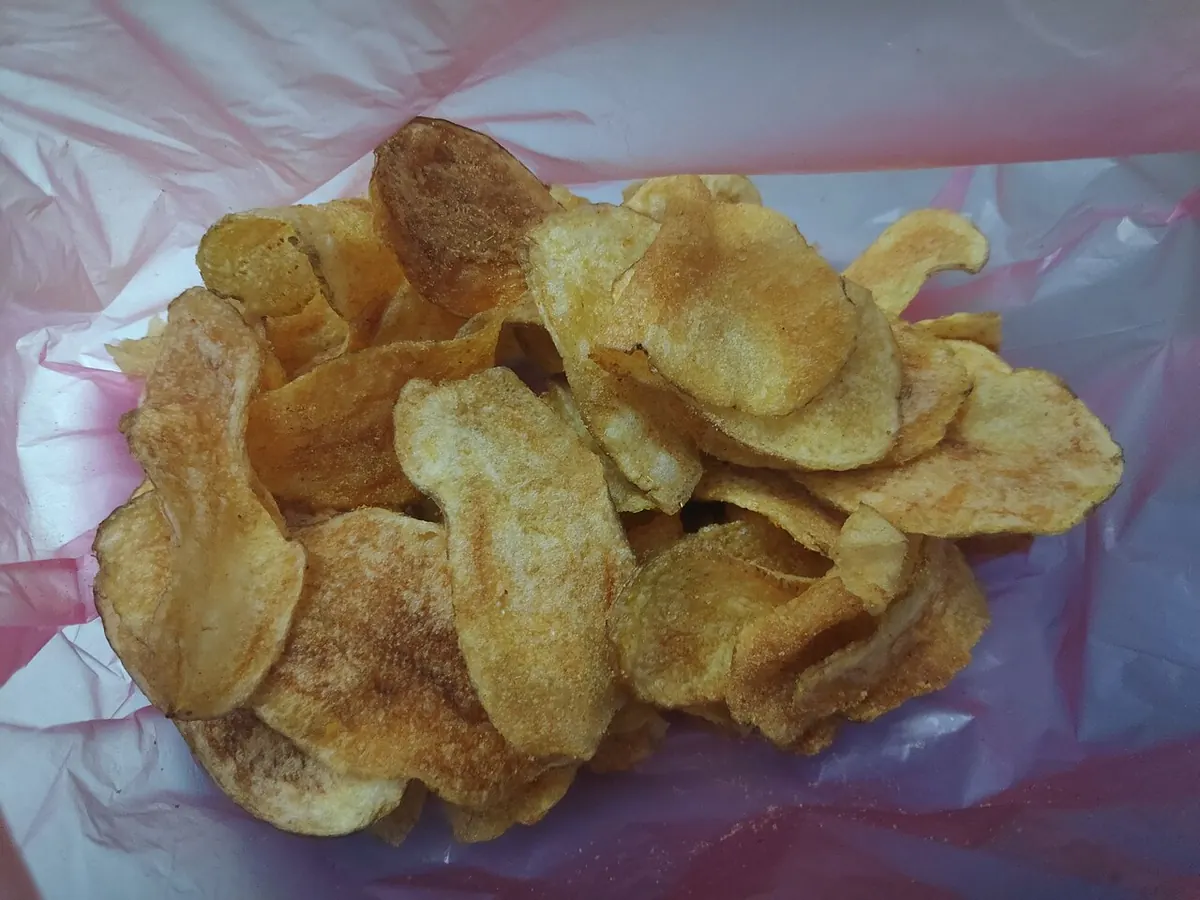
Potato chips

Thin potato slices fried and seasoned, packed in nitrogen-flushed bags that slow rancidity and cushion the chips. Specify slice thickness, oil content, salt, seasoning and acrylamide, which some markets regulate.

Breakfast cereal

Corn flakes, coated puffs and muesli in lined cartons or pouches. Specify bowl life, sugar, fortification with vitamins and iron, moisture and the inner bag barrier, since cereal goes stale once damp; ask for acrylamide results, since cereals are toasted.

How to brief a noodles and snacks manufacturer in Bangladesh

Product, process and flavour
Fried or air-dried noodles, batch or continuous fried chips, extruded or flaked cereal, and the flavour and heat level against a signed reference sample.
Frying oil quality
Oil type, RSPO certified palm oil if required, free fatty acid and peroxide value in the finished product, and the plant's rule for filtering and replacing frying oil.
Net weight and count
Weight per pack, packs per multipack and per carton, fixed before quoting, since snack packs look alike at different weights.
Moisture and texture
A moisture maximum and a texture target such as crispness or cooking time. Snacks go soft within days if moisture rises in humid storage.
Seasoning, allergens and halal
Seasoning recipe, salt, MSG if used, and allergens such as wheat, soya, peanut, milk and sesame declared to your market's rules; halal certificates for seasonings, flavours and emulsifiers.
Contaminants and pack
Acrylamide for chips and cereals, aflatoxin and residues for peanuts and grains; pillow pack, cup or bowl for noodles, nitrogen-flushed bags for chips, lined cartons for cereal.
Shelf life, season and terms
Total shelf life and the share left on arrival, often two thirds; semai and muri booked two to three months before Ramadan; FOB Chattogram or CFR; letter of credit or deposit.

Standards, tests and certificates for noodles and snacks

Codex CXS 249-2006
The Codex standard for instant noodles, fried and non-fried, with limits for moisture and, for fried noodles, the acid value of the oil.
Regulation (EU) 2017/2158
Acrylamide mitigation measures and benchmark levels for potato crisps, breakfast cereals and other foods sold in the EU.
Regulation (EU) No 1169/2011
Ingredient list, 14 allergens, nutrition declaration and net quantity for food sold in the EU. Other markets set their own label rules.
HACCP, ISO 22000, FSSC 22000 or BRCGS
Ask for the certificate with the plant's name and a scope that covers your product line, not only another product made on site.
BSTI mark and halal
Noodles and snacks sold in Bangladesh need the BSTI mark where the product is on the mandatory list; halal from the Islamic Foundation Bangladesh, covering the seasoning too.

What moves the price of noodles and snacks

  • Frying oil: palm oil prices move the cost of fried noodles, chips and chanachur.
  • Ingredients: peanuts, lentils, potatoes, flour and cocoa swing with crops and import costs.
  • Pack: cups and bowls cost more than pillow packs, and nitrogen-flushed bags and multipacks add cost.
  • Run size and season: private label set-up and film costs; demand before Ramadan and Eid raises prices for semai and muri.
  • Freight and terms: light, bulky snacks fill a container by volume, so freight per kilo is high; Incoterm and payment terms.

Lead times and delivery

Standard products in the seller's own packs can often ship two to four weeks from order; private label usually takes six to ten weeks, because recipe approval, printed film and sample approval come first. Before Ramadan and the Eids, lines fill with home market orders, so book two to three months ahead for semai and muri. Roptan confirms the dates in the quote.

Inside Bangladesh we deliver to distributors, supermarkets, caterers and corporate canteens in Dhaka, Chattogram and Narayanganj, by the carton or the truckload, with batch codes, test reports where ordered and a VAT invoice (Mushak 6.3). Cartons of chips and puffed snacks are light but fragile, so they are loaded on top, away from heavy goods, and checked for crushing on arrival.

Buying noodles and snacks for export

For importers we quote FOB Chattogram (Chittagong), or CFR or CIF to your port, usually in 40-foot high cube containers, because snacks are light and bulky. Documents: commercial invoice, packing list, bill of lading, certificate of origin or a REX origin statement for EU GSP, a health or free sale certificate where required, halal certificate and lab reports for the batch. Ask for strong cartons: crushed chips and broken noodle blocks are common complaints. Payment is usually by letter of credit, or a deposit against documents.

What we check for this order

  • Plant certificates and ERCHACCP, ISO 22000, FSSC 22000 or BRCGS, and halal, checked for scope and expiry against the lines that make your products; the seller's ERC current.
  • Frying oil controlHow often frying oil is filtered, topped up, tested and changed, since degraded oil shortens shelf life and brings rancid flavours.
  • Lab reports per batchMoisture, frying oil quality, microbiology, acrylamide and aflatoxin where relevant, tested by an accredited lab before shipment.
  • A visit, then artwork and labelFrying or drying, seasoning, packing and nitrogen flushing seen in person; ingredients, allergens, weights and dates checked against your market's rules before film is printed.

Questions buyers ask

What is the difference between fried and air-dried instant noodles?

Fried noodles are cooked in oil after steaming, which sets the texture, speeds cooking and costs less, but adds fat. Air-dried noodles are dried with hot air, carry much less fat and take longer to cook, at a higher price. Codex CXS 249-2006 covers both.

Is muri free of whitening agents?

Ask for a test on your lot. Urea and hydrose (sodium hydrosulphite) have been reported in puffed rice in Bangladesh, used to whiten and enlarge it, and enforcement drives have found them. We look for plants that puff without additives and ask for a lab report.

How do you check frying oil in snacks?

We ask for peroxide value and free fatty acid on the finished product, and for the plant's routine for filtering, topping up and replacing oil. Tired oil gives a rancid flavour and a shorter shelf life, which shows up fast in heat. Results come from an accredited lab on your batch.

Can you supply semai for Eid?

Yes, if ordered early. Roasted and lachcha semai lines run at full capacity before Eid-ul-Fitr, so book two to three months ahead and approve samples early. For export, allow shipping time so stock reaches your shelves before Ramadan begins.

Can I mix several products in one container?

Yes, and for light snacks it is often the sensible choice. A mixed container spreads freight across noodles, semai, chips and chanachur. Each item usually has its own minimum, set by the film run for private label, so ask for a loading plan with cartons per item.

How soon will I hear back about noodles and snacks?

Within 48 hours of a complete requirement, with a price and a delivery date. A requirement is complete when it has the quantity, where it is needed and by when.

Who do I deal with?

With Roptan, when Roptan manages the order: we buy from the verified seller and deliver to you. With the supplier directly, when you post on the requirement board and choose a quote yourself.