Buying FIBC jumbo bags and woven sacks in Bangladesh
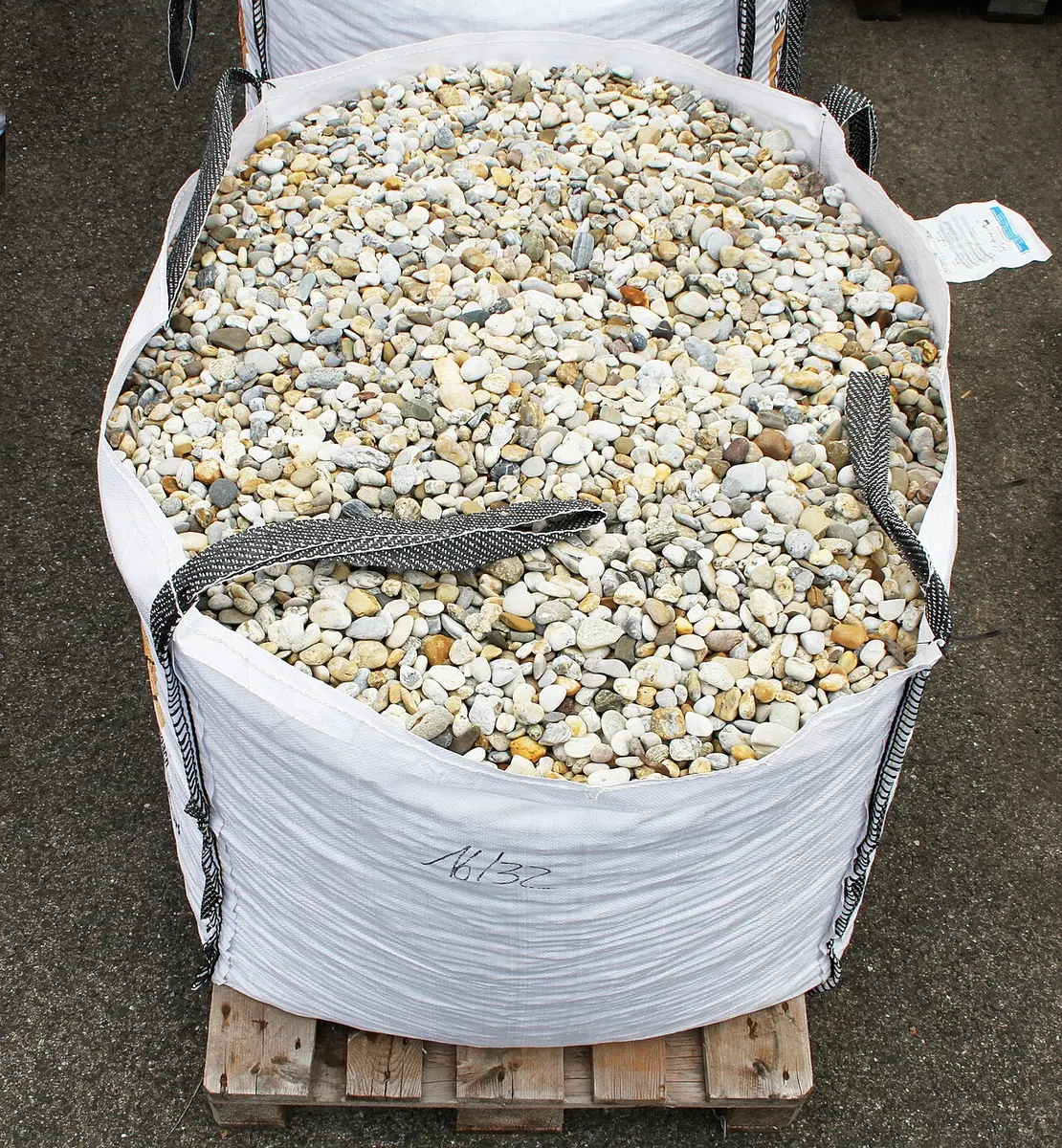
FIBCs, also called jumbo or bulk bags, usually carry 500 to 2,000 kg of powder or granules in one lift; woven sacks, liners and mesh bags carry everything from cement to onions. Bangladesh weaves them for importers abroad and for cement, feed, chemical and food plants at home. An FIBC jumbo bag manufacturer in Bangladesh has to prove the safety factor, the electrostatic type and, for food, clean production.
Roptan sources it for you. Send the specification or a sample bag; we match it to verified FIBC and sack makers, put their quotes on one basis of safe working load, fabric weight, design, tests and packing, check the design test report and bags from your lot, and deliver in Bangladesh or ship. You deal with Roptan only.
What to tell an FIBC jumbo bag manufacturer in Bangladesh
- Product and fill
- What goes in, its bulk density and particle size, the filling temperature, and whether it is food, hazardous or builds static. These decide the bag type.
- Safe working load and safety factor
- SWL in kilograms and the safety factor, 5:1 for single trip or 6:1 for multi-trip under ISO 21898. Never reuse single-trip bags.
- Dimensions and body
- Base and height in centimetres; U-panel, circular or four-panel body; and baffles if the bag must stay square. Measure your filling and discharge stations first.
- Top, bottom and loops
- Open top, duffle or fill spout; flat bottom or discharge spout with closure; and loop type, height and number, matched to your forklift or hoist.
- Fabric and seams
- Fabric weight in g/m², coated or uncoated, UV stabiliser for bags stored outdoors, and sift-proof seams with filler cord for fine powders.
- Electrostatic type
- Type A, B, C or D under IEC 61340-4-4, chosen by the product and the atmosphere around it.
- Liners, food contact and printing
- Liner film, thickness and fit; for food, clean-area production and a food-contact declaration backed by a migration test; print colours, a document pocket and labels showing SWL and safety factor.
Standards and tests for bulk bags and sacks
- ISO 21898
- FIBCs for non-dangerous goods: design requirements and tests such as the cyclic top lift, drop, topple and righting tests at the stated safety factor. Ask for a current report on your exact design.
- IEC 61340-4-4
- Electrostatic classification of FIBCs into types A, B, C and D, with test methods. Ask for the classification report where flammable dust or vapour may be present.
- UN-marked FIBCs
- Dangerous goods need a UN-approved design, such as the 13H codes for woven plastic FIBCs, tested and marked. Give the UN number and packing group with the enquiry.
- EU 10/2011 and FDA 21 CFR 177
- Food-contact rules for plastics. For food bags and liners, ask for a declaration of compliance and a migration test report on the fabric and liner used.
Lead times and delivery
Typical ranges: samples take one to three weeks. Standard FIBCs and woven sacks usually ship three to six weeks after artwork and sample approval; UN-certified, Type C or D, baffle and food-grade bags can take longer. Imported resin, power interruptions and Eid holidays add time. Roptan confirms the dates in the quote.
Inside Bangladesh we deliver baled or palletised bags by covered truck to your cement mill, feed mill, chemical or food plant in Narayanganj, Munshiganj, Chattogram, Mirsarai, Gazipur or elsewhere, covered against sun and rain, with the packing list, any test reports ordered and a VAT invoice (Mushak 6.3). Faults found at filling are raised with Roptan, not the maker.
Buying FIBC jumbo bags and woven sacks for export
For importers we quote FOB Chattogram (Chittagong), with FIBCs and sacks pressed into bales or on pallets; bags per container vary widely with design, so compare landed cost per bag. Documents: commercial invoice, packing list, bill of lading, certificate of origin, the ISO 21898 design test report, electrostatic or UN certificates where relevant, food-contact declarations for food bags, and a REX statement for EU GSP. An inspector can check dimensions, fabric weight, stitching and loops on bags sampled to ISO 2859-1 before loading. Payment is commonly by letter of credit.
Questions buyers ask
What does SWL 1,000 kg 5:1 mean on a jumbo bag?
The bag is designed to carry 1,000 kg, and its design has passed a lift test at five times that load. A 5:1 bag is for a single trip; bags for reuse are rated 6:1, cost more and need inspection before each use. Never fill a bag above its SWL.
Which electrostatic type of FIBC do I need?
It depends on the product and the surroundings. Type A has no static protection and suits non-flammable products in safe areas. Under IEC 61340-4-4, Type B suits flammable powders where no flammable vapour or gas is present; where one may be, choose Type C, which must be earthed, or Type D, which needs no earthing. Your safety adviser should confirm the type.
Can you supply food-grade jumbo bags?
Yes, from plants certified to a scheme such as BRCGS Packaging Materials or FSSC 22000, with clean-area production and hygiene controls. Ask for a declaration of compliance with EU Regulation 10/2011 or FDA 21 CFR 177 and a migration test on the fabric and liner.
Can PP woven bags be used for fertiliser sold in Bangladesh?
Check first. The Mandatory Jute Packaging Act 2010 requires jute packaging inside Bangladesh for listed goods, including fertiliser. PP woven fertiliser bags suit export shipments and products outside the list. For local cement and chemicals, laminated PP woven sacks are widely used.
How do I compare jumbo bag quotes like for like?
Check safe working load, safety factor, design, fabric weight, coating, liner, spouts, loops, electrostatic type and printing on every quote. A lower price often means lighter fabric, a lower safety factor or no liner. Roptan puts quotes on one basis and checks the test report matches the bag.
How soon will I hear back about FIBC jumbo bags and woven sacks?
Within 48 hours of a complete requirement, with a price and a delivery date. A requirement is complete when it has the quantity, where it is needed and by when.
Who do I deal with?
With Roptan, when Roptan manages the order: we buy from the verified seller and deliver to you. With the supplier directly, when you post on the requirement board and choose a quote yourself.