Managed sourcing from Bangladesh, for export and for buyers at home
Get it sourced

Yarn, jute and textiles

Technical textile manufacturer in Bangladesh

Looking for a technical textile manufacturer in Bangladesh? Send the end use, base fabric, weight, performance tests and quantity. We source coated fabric, laminates, wadding, nonwovens, felt and rubber thread from verified mills, check the lot test report and deliver or ship FOB Chattogram.

  • Verified sellers
  • Checked before it ships
  • Delivered by Roptan

Get coated and technical textiles sourced

Prefer to deal with suppliers yourself? Post it on the requirement board

Technical textile products

Pick a product and we source it for you, or send one requirement that covers several.

Buying coated and technical textiles in Bangladesh

Technical textiles are bought for what they do: keep water out, carry a load, insulate, filter, cushion or stretch. Bangladesh coats, laminates and needle-punches fabric for garments, bags, tarpaulins, footwear and furniture, much of it for its own factories in Gazipur, Narayanganj, Savar and Chattogram, and importers buy the same materials. A technical textile manufacturer in Bangladesh has to prove each property by test, on the lot you receive.

Roptan sources it for you. Send the specification or a sample; we match it to verified coating, laminating and nonwoven mills, put their quotes on one basis of construction, weight, width and test results, check the lab report on your lot, and deliver or ship. You deal with Roptan only.

Coated and technical textiles we source

PVC and PU coated fabric

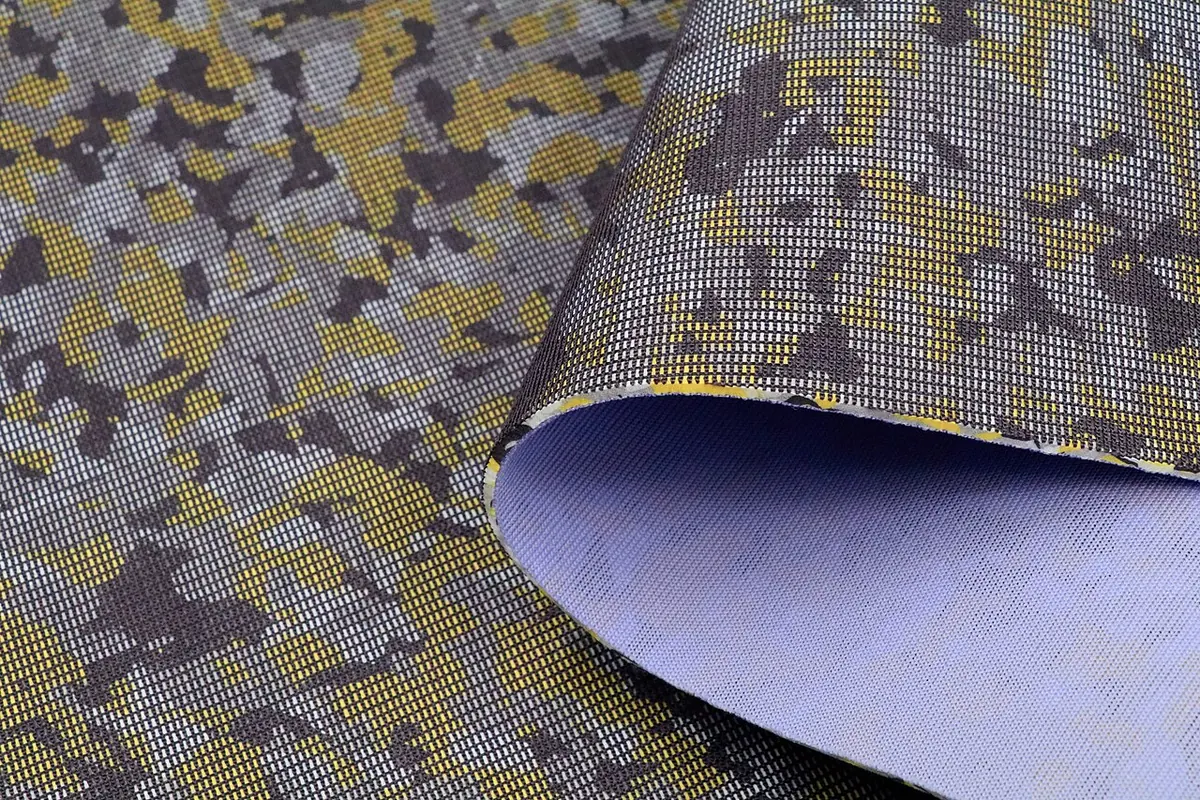
A woven or knitted base, usually polyester or nylon, coated with PVC for tarpaulins, truck covers, banners and bags, or with PU for lighter rainwear, bags and synthetic leather. Specify base fabric, total and coating weight, hydrostatic head, tensile, tear, adhesion and any fire class.

Laminated fabric

Fabric bonded to a film, membrane, foam or second fabric for waterproof, breathable, padded or insulating layers, often two- or three-layer in rainwear. Specify face fabric, membrane type, layers, hydrostatic head, water-vapour resistance and peel strength after washing, since delamination is the usual failure.

Wadding and padding

Polyester fibre batts for jackets, quilts, sleeping bags and furniture, thermal or resin bonded, often from hollow siliconised fibre, sold by g/m² and width. Specify thickness, fibre, virgin or recycled, recovery after compression and wash performance without clumping.

Nonwoven fabric

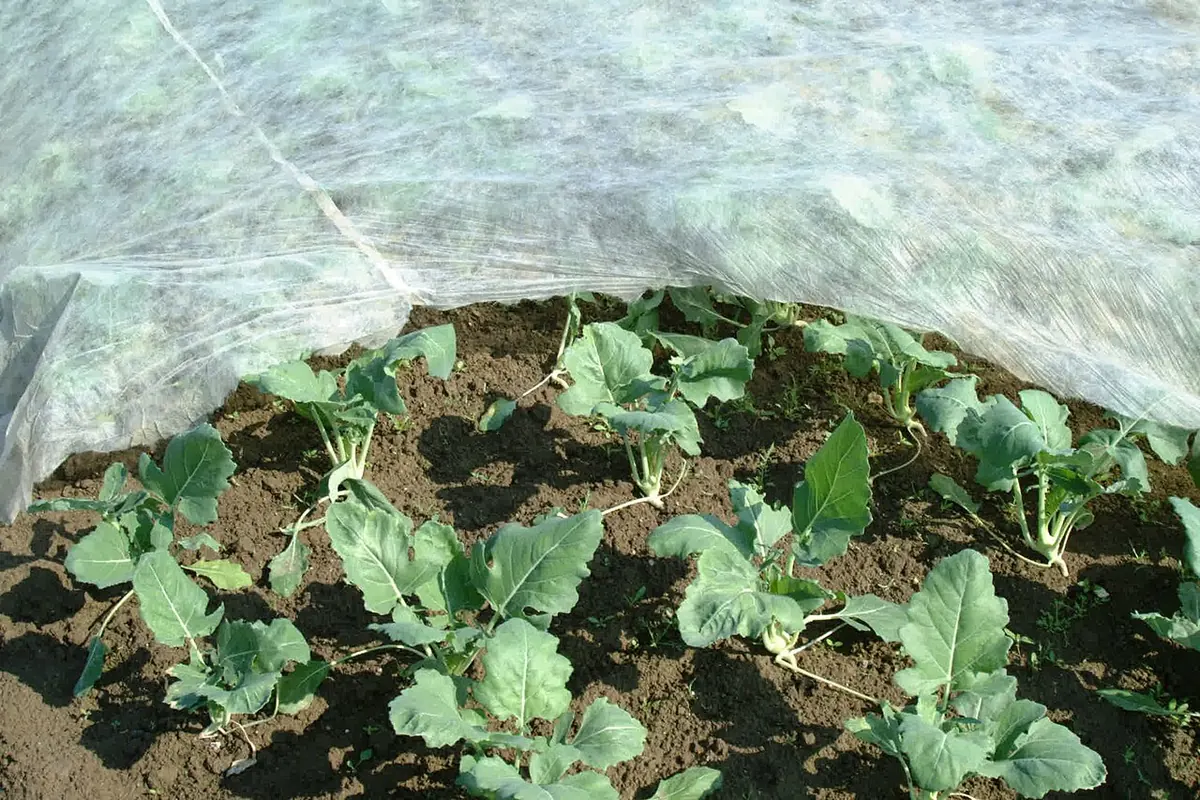
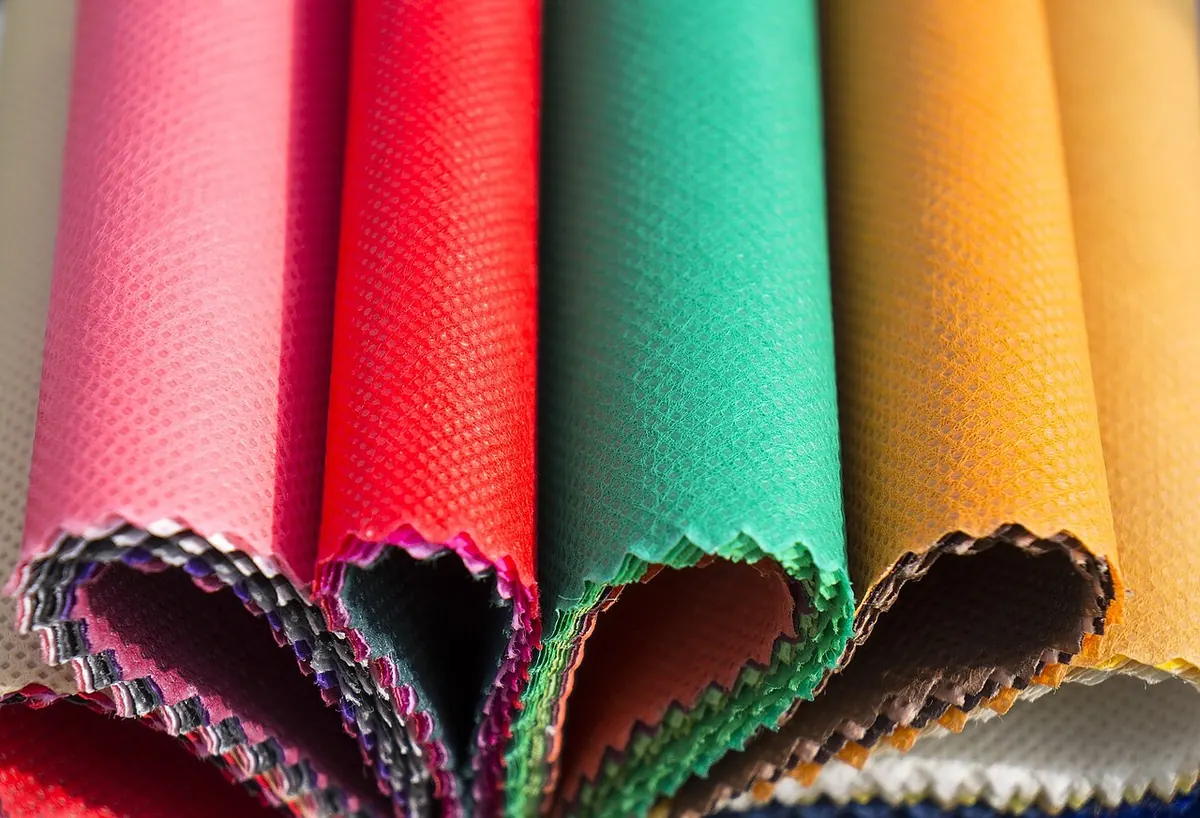
Fabric made straight from fibre or polymer without weaving: spunbond polypropylene for bags, crop covers and medical use, needle-punched for felts and geotextiles, spunlace for wipes, thermal-bonded for interlinings. Specify process, polymer, weight, width, colour, UV stabiliser and tensile in both directions.

Felt

Dense fibre sheet made by needle punching or pressing, in polyester, wool or recycled fibre, for insulation, underlay, acoustics, filters and automotive parts. Specify fibre, thickness in millimetres, weight in g/m², density, colour and any binder or fire treatment.

Rubber thread

Extruded natural rubber latex thread, round or flat and sized by count, for elastic tapes, waistbands, socks and bandages, finished with talc or silicone. Specify count, colour, elongation and modulus, and store it cool and dark, because heat, light and ozone age rubber.
What to tell a technical textile manufacturer in Bangladesh

End use and conditions
Where the material will work: outdoors, in water, in heat, washed often, next to skin or in a vehicle. The tests follow from the use.
Base fabric
Fibre, yarn denier or count, weave or knit and threads per inch, for example 600D polyester oxford. A heavier coating on a weak base does not make a strong fabric.
Weight, thickness and width
Total and coating or fill weight in g/m², thickness in millimetres for felt and wadding, usable width and roll length, each with a tolerance.
Mechanical properties
Minimum tensile strength, tear resistance and coating adhesion in both directions, tested by the methods listed below, on your lot.
Water and vapour
Hydrostatic head for waterproof fabric and water-vapour resistance for breathable laminates, tested after washing where the product is washed.
Heat and humidity
PU coatings can hydrolyse and PVC rolls can stick together in hot, humid storage. Ask for hydrolysis-resistant PU and cool, ventilated storage before shipping.
Fire and chemical rules
The fire test your market uses, with a lab report on the same construction and weight; phthalate results for PVC; and OEKO-TEX Standard 100 for fabric next to skin.

Test standards for coated fabric and nonwovens

ISO 1421, ISO 4674-1 and ISO 2411
Tensile strength, tear resistance and coating adhesion of rubber- or plastics-coated fabrics. Ask for all three on the delivered lot, not a typical sheet.
ISO 811 and ISO 11092
Water resistance by hydrostatic pressure, reported as a water column height, and water-vapour resistance (Ret) on the sweating guarded hotplate, for waterproof and breathable fabric.
ISO 9073-3
Tensile strength and elongation of nonwovens, in machine and cross directions. State minimums for both, because spunbond is usually weaker across the roll.
REACH phthalates and OEKO-TEX
REACH Annex XVII limits four phthalates, DEHP, DBP, BBP and DIBP, to 0.1% in plasticised material; OEKO-TEX Standard 100 tests fabric for harmful substances by product class.
EN 343 and fire tests
EN 343 classes protective clothing against rain; NFPA 701 covers flame propagation of banners and drapes, CPAI-84 tent fabrics and FMVSS 302 vehicle interior materials. Match the test to the end use.

What moves the price of technical textiles

  • Polymer and yarn: PVC, PU, polyester, polypropylene and natural latex follow petrochemical and rubber markets.
  • Weight: coating, fill and fibre weight per square metre and the base fabric set most of the material cost.
  • Performance: fire retardants, UV stabilisers, hydrolysis-resistant PU, breathable membranes and fluorine-free repellents add cost.
  • Run length: short runs of special colours cost more per metre, since set-up is the same.
  • Testing, certificates and the delivery point, a local factory or FOB Chattogram.

Lead times and delivery

Typical ranges: standard coated fabric, wadding and nonwovens in stock colours usually ship in two to four weeks. Custom coatings, laminates, colours, fire-retardant grades and felts usually take four to eight weeks after sample approval, longer when a membrane or base fabric is imported. Gas and power interruptions and Eid holidays add time. Roptan confirms the dates in the quote.

Inside Bangladesh we deliver rolls by covered truck to your garment, bag, footwear or furniture factory in Gazipur, Savar, Narayanganj, Chattogram or an export processing zone, wrapped against dust and damp, with the challan, packing list and a VAT invoice (Mushak 6.3), or against a back-to-back LC for export-oriented factories. Short lengths or out-of-tolerance rolls are raised with Roptan, not the mill.

Buying coated and technical textiles for export

For importers we quote FOB Chattogram (Chittagong) in wrapped rolls on pallets treated to ISPM 15, with interleaving for coated fabric. Documents: commercial invoice, packing list by roll, bill of lading, certificate of origin, lab reports for the properties in your specification, OEKO-TEX, REACH or fire test reports where your market requires them, and a REX statement on origin for EU GSP. An inspector can check rolls by the four-point system and cut test samples before loading. Payment is commonly by letter of credit.

What we check for this order

  • Trade licence and ERCCurrent, and in the mill's name on the quote, so the LC, export documents and customs records match.
  • Lines that fit the orderCoating, laminating or nonwoven lines and their widths and output in writing, matched to your specification, quantity and date.
  • Test report for your lotWeight, width, strength and the performance tests you specified, from the mill lab or a third party, on your rolls, not on a sample.
  • A visit before the first bulk orderThe lines, lab and roll storage seen in person, including how rolls are inspected and kept cool and dry.

Questions buyers ask

Should I choose PVC or PU coated fabric?

PVC is heavier, tougher and usually cheaper, and suits tarpaulins, covers, bags and banners; it is not breathable. PU is lighter and softer, can be breathable, and suits rainwear, bags and synthetic leather; in hot, humid climates ask for a hydrolysis-resistant grade. For EU sales, ask for phthalate-free PVC.

What does hydrostatic head tell me?

How much water pressure the fabric holds before it leaks, measured to ISO 811 as a column of water. It says nothing about seams, which must be taped or welded, and it can fall after washing and wear, so ask for results after the washing your product will see.

Can you supply fire-retardant coated fabric?

Yes, to a named test, such as NFPA 701 for banners or CPAI-84 for tents. Tell us your market. We ask for a lab report on the same construction and weight, because a report on a different fabric does not cover yours.

How do I compare technical textile quotes?

Check base fabric, total and coating weight, width, performance figures, test methods and finishes on every quote. A lower price often means a lighter coating, a lower hydrostatic head or a narrower usable width. Roptan puts the quotes on one basis and checks lot reports against them.

Can you source fluorine-free water-repellent fabric?

Yes. Many brands and some markets now ask for water repellents without PFAS, the fluorinated chemicals once common in outdoor finishes. Ask for a fluorine-free finish, a written declaration and a lab test. These finishes repel water well but resist oil less, so test them for your end use.

How soon will I hear back about coated and technical textiles?

Within 48 hours of a complete requirement, with a price and a delivery date. A requirement is complete when it has the quantity, where it is needed and by when.

Who do I deal with?

With Roptan, when Roptan manages the order: we buy from the verified seller and deliver to you. With the supplier directly, when you post on the requirement board and choose a quote yourself.