Managed sourcing from Bangladesh, for export and for buyers at home
Get it sourced

Yarn, jute and textiles

Textile waste exporter in Bangladesh

Buying from a textile waste exporter in Bangladesh? Send the waste type, fibre content, colour sort, tonnage and port. We source jhut, woven cuttings, yarn waste, comber noil, rags and denim waste from verified sorters, open bales before loading and ship FOB Chattogram.

  • Verified sellers
  • Checked before it ships
  • Delivered by Roptan

Get textile waste and rags sourced

Prefer to deal with suppliers yourself? Post it on the requirement board

Textile waste products

Pick a product and we source it for you, or send one requirement that covers several.

Buying textile waste and rags in Bangladesh

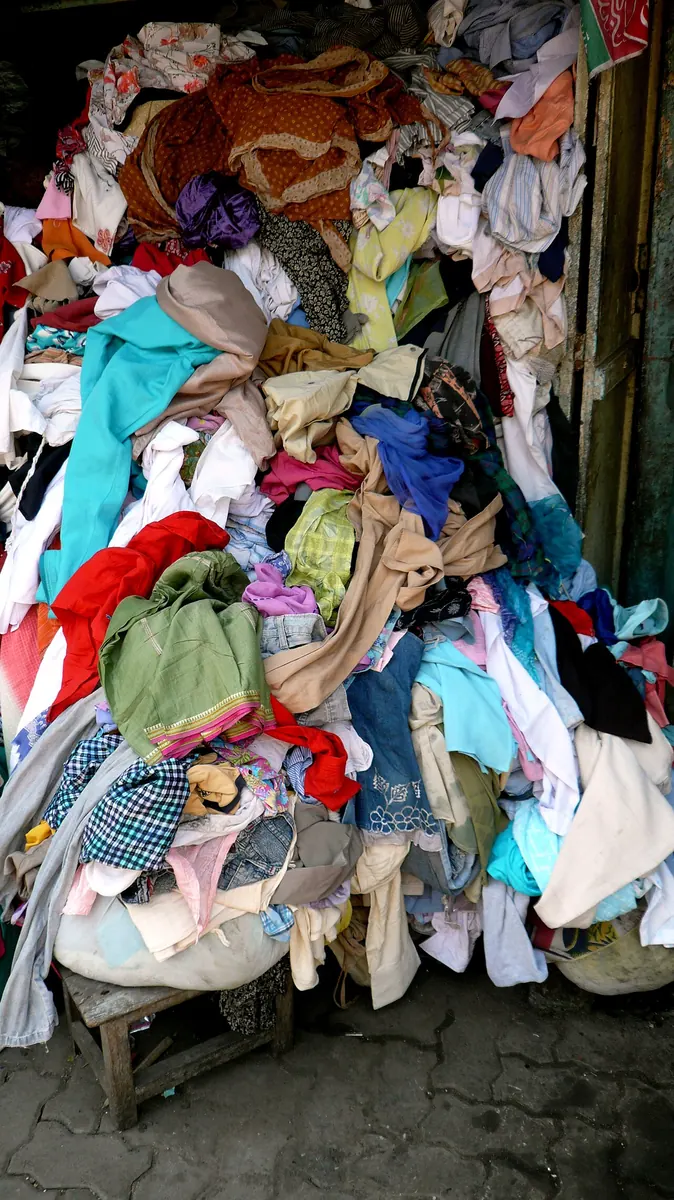
Bangladesh's garment factories and spinning mills leave a steady flow of clean pre-consumer waste: fabric cuttings, known locally as jhut, yarn waste, comber noil and rags. Recyclers abroad and open-end spinners at home turn it back into fibre. A textile waste exporter in Bangladesh is valued for sorting, because fibre, colour and freedom from trims and moisture decide the price.

Roptan sources it for you. Send the grade you need; we match it to verified sorters around Dhaka, Gazipur, Narayanganj and Chattogram, put their quotes on one basis of fibre, colour sort, moisture and bale weight, have bales opened before loading, and ship or deliver in Bangladesh. You deal with Roptan only.

Textile waste and rags we source

Knit cuttings (jhut)

Offcuts left when knitted fabric is cut into garment parts, mostly cotton, CVC and polyester jersey, rib and fleece, shredded back into fibre for yarn and filling. Specify fibre, colour group and piece size, with stretch fabric kept apart and no paper or plastic.

Woven cuttings

Offcuts of poplin, twill, oxford and drill from shirts, trousers and workwear. They vary more than knit waste, so sort by blend, colour and weight, state the share of polyester, elastane and coated fabric allowed, and test a sample bale first.

Cotton yarn waste

Waste from spinning and knitting. Soft waste such as sliver and roving has little or no twist and goes back into spinning; hard waste such as cone ends is twisted and must be opened first. Specify which, plus fibre and colour.

Comber noil

The short fibre removed when cotton is combed: clean, white and consistent, for open-end spinning, absorbent cotton and nonwovens. Specify short fibre content, trash and neps, moisture, and whether it is mixed with card waste.

Garment rags

Cuttings and rejected pieces cut into wiping rags for workshops, ships and factories. Cotton absorbs water and oil well, so wiping grades are usually cotton. Specify size range, colour and lint level, with buttons, zips and hard seams removed.

Denim waste

Denim cuttings and yarn waste, recycled into fibre for new denim yarn, felt and insulation. Sort rigid from stretch and dark from light shades, since elastane and deep indigo limit the end uses. Specify shade group, elastane rule and piece size.

What to tell a textile waste exporter in Bangladesh

Waste type, source and volume
Knit or woven cuttings, yarn waste, noil, rags or denim; pre-consumer only or not; tonnes per month; and source declarations if recycled content will be claimed.
Fibre content
100% cotton, cotton-rich blends, polyester or mixed, with the tolerance you accept. Recycling routes differ by fibre, so a mixed bale limits what it can become.
Elastane and trims
The share of stretch fabric allowed, if any, and no buttons, zips, labels, rivets or heavy prints. Even a few percent of elastane causes problems in mechanical recycling, and metal damages shredders.
Colour sort
White, ecru, light, dark, single colours or mixed. Colour-sorted fibre can be spun without re-dyeing; mixed colours usually end up in dark or grey fibre. Tighter sorts cost more.
Contamination and moisture
Paper, plastic, fusible interlining, dust and metal allowed, as a percentage by weight, and a moisture limit. Wet waste adds paid weight and grows mould.
Piece size and bales
Piece size range for cuttings and rags; pressed bale weight, wrapping and strapping, with grade, fibre and colour marked on every bale and a packing list by bale number.

Rules, codes and papers for textile waste

Basel Convention Annex IX, B3030
Lists cotton waste, rags and other textile wastes as non-hazardous, if not mixed with other wastes and prepared to a specification. Some importing countries still require a permit, so confirm yours first.
HS headings 5202 and 6310
Cotton waste, including yarn waste and garnetted stock, falls under heading 5202; rags and scrap textiles under 6310. Agree the code for each sort with your broker before booking.
GRS and RCS
The Global Recycled Standard and the Recycled Claim Standard support recycled content claims. The waste must come from certified sellers, and each shipment needs a transaction certificate.
ISO 1833 and UN 1364
ISO 1833 measures fibre blend content by chemical analysis, useful when the cotton share sets the price. UN 1364, oily cotton waste, is dangerous goods because it can self-heat.
ERC and export rules
The exporter's ERC from the CCI&E, current and in the name on the quote, and a certificate of origin per shipment. Waste export rules can change, so we confirm the position before each contract.

What moves the price of textile waste

  • Fibre purity: 100% cotton, single-fibre sorts sell above blends, and elastane-free above stretch.
  • Colour: white, ecru and single-colour sorts sell above dark or mixed colours, because they take more sorting and need no re-dyeing.
  • Cleanliness and moisture: removing trims, paper and plastic adds sorting cost, and water and dirt are paid for, then thrown away.
  • World cotton and recycled fibre prices, which set what recyclers can pay, and garment production volumes, which set how much waste there is.
  • Baling density, load weight per container, traceability papers, inspection and inland freight to FOB Chattogram.

Lead times and delivery

Typical ranges: graded waste in stock usually ships one to three weeks after the order and inspection booking. Custom colour sorts, elastane-free lots, large programmes or certified supply usually take three to six weeks, because a container load must be collected and sorted to your specification. Supply dips around Eid holidays and quiet order seasons. Roptan confirms the dates in the quote.

Inside Bangladesh we deliver pressed bales by covered truck to your spinning mill, recycling plant or warehouse in Gazipur, Narayanganj or Chattogram, weighed at a weighbridge, with the packing list by bale, the grade descriptions and a VAT invoice (Mushak 6.3). Bales can be opened on arrival to check the sort; wet bales, wrong sorts or short weight are raised with Roptan, not the sorter.

Buying textile waste and rags for export

For importers we quote FOB Chattogram (Chittagong) in pressed, wrapped bales, usually loaded into 40 ft containers. Documents: commercial invoice, packing list by bale and grade, bill of lading, certificate of origin, a written statement of fibre content and sort with no hazardous or oily waste, GRS or RCS transaction certificates where ordered, and a fumigation certificate where required. An independent inspector can open bales at random and check sort, contamination and moisture before loading. Payment is commonly by letter of credit at sight.

What we check for this order

  • Trade licence and ERCCurrent, and in the exporter's name on the quote, so export documents and customs records match.
  • Sorting capacity for the gradeSources, space, balers and sorting in writing, matched to your grades and monthly tonnage, so the load is not bought in from unknown traders.
  • Composition and moisture per lotBales opened at random and checked for fibre, colour, contamination and moisture against the agreed sort, with photos, before loading.
  • A visit before the first bulk orderThe sorting floor and warehouse seen in person, including how grades are kept apart and dry.

Questions buyers ask

What is jhut?

Jhut is the Bangladeshi trade name for the fabric offcuts left when garment parts are cut, mostly from knitwear. It is clean, pre-consumer waste of known fabric, which recyclers value; its worth depends on how well it is sorted by fibre, colour and freedom from trims.

Why does sorting by colour and fibre matter?

Because a recycler cannot easily separate fibres or remove colour after shredding. Colour-sorted cotton can be spun without dyeing, and pure cotton makes stronger recycled yarn. A few pieces of polyester or elastane lower the value of a whole cotton bale.

Is textile waste classed as hazardous for export?

Clean textile waste is listed in Basel Convention Annex IX, entry B3030, as non-hazardous if not mixed with other wastes and prepared to a specification; some countries still require an import permit. Oily cotton waste is dangerous goods for shipping, UN 1364, so we check bales for oil.

How do you stop quality drifting after the first container?

We write the sort, the limits and a reference photo set into the contract, and have bales opened at random on every shipment, not only the first. Results are recorded per container, so drift is caught before loading, not at your plant.

Can the waste carry a GRS recycled content claim?

Yes, if every seller in the chain is certified to GRS or RCS and each shipment has a transaction certificate. Uncertified waste cannot be certified later, so tell us at the start, because it narrows the choice of sellers we can use.

How soon will I hear back about textile waste and rags?

Within 48 hours of a complete requirement, with a price and a delivery date. A requirement is complete when it has the quantity, where it is needed and by when.

Who do I deal with?

With Roptan, when Roptan manages the order: we buy from the verified seller and deliver to you. With the supplier directly, when you post on the requirement board and choose a quote yourself.