Buying geo bags in Bangladesh
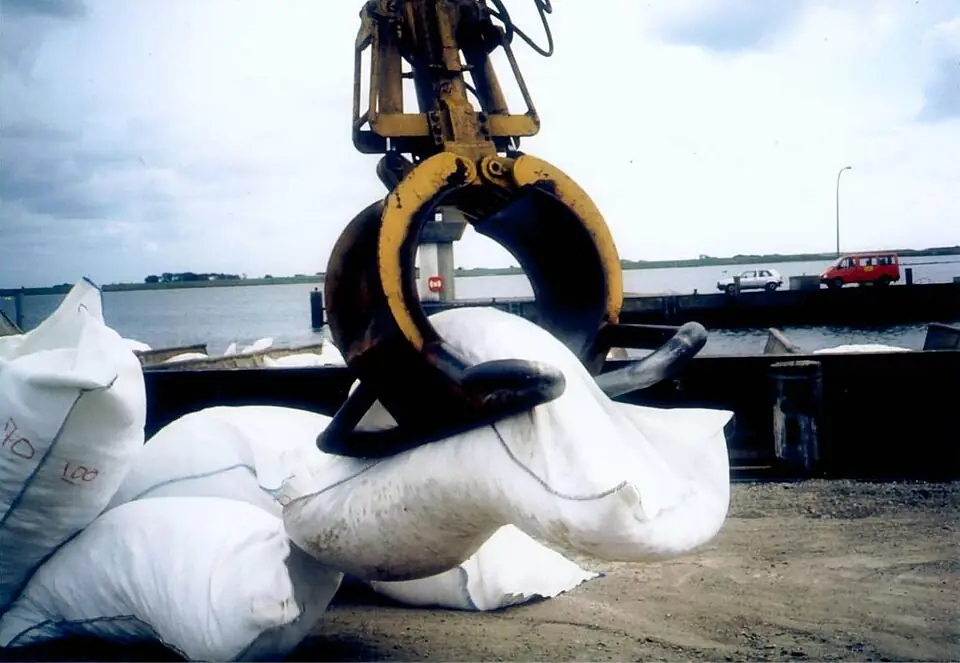
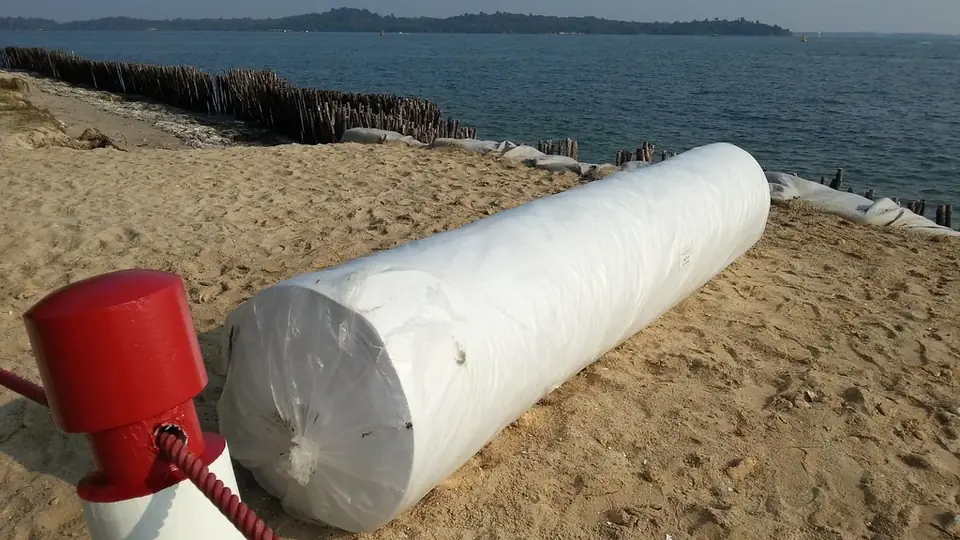
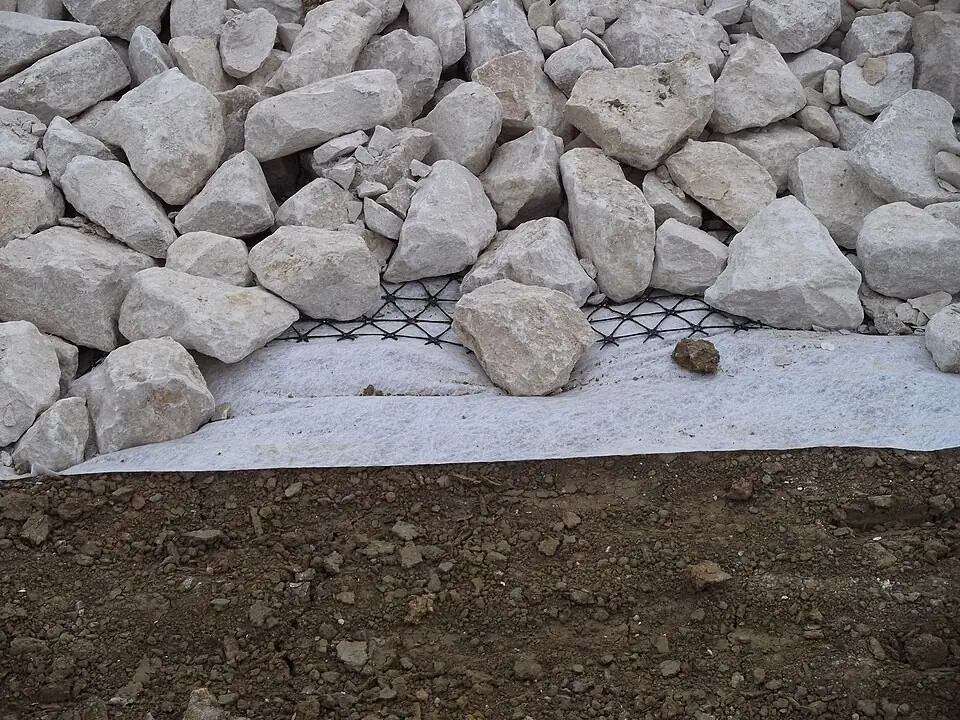
Geo bags are large geotextile bags, filled with sand on site, that protect riverbanks, embankments and slopes from erosion. The Bangladesh Water Development Board (BWDB) uses them on rivers such as the Jamuna, Padma and Teesta and on coastal works, and contractors on those packages buy them by the thousand; road and embankment works use geotextile rolls too. A geo bag supplier in Bangladesh is judged on lot test results, fabric mass and delivery before the dry-season works.
Roptan sources for contractors and engineers. Send the tender specification or drawing; we match it to verified makers, get samples tested by the lab your contract names, check fabric and seams on each delivery lot and deliver to the site or riverside loading point by road or water. You deal with Roptan only, and the quote lists every test included.
What to send a geo bag supplier in Bangladesh
- The drawing and specification
- The employer's technical specification and drawing: empty bag size, fabric mass per square metre, filled weight and seam type. Tender values override brochure values.
- Mechanical properties
- Grab tensile (ASTM D4632) and CBR puncture (ASTM D6241), with minimum values in both directions. Dumping from barges loads bags hard.
- Filter properties
- Apparent opening size (ASTM D4751) and permittivity (ASTM D4491) matched to the fill and riverbed sand, so fines stay in while water passes.
- Polymer and UV resistance
- Virgin polypropylene or polyester, UV stabilised, with strength retained after exposure to ASTM D4355. Bags can wait on open riverbanks for weeks.
- Seams and thread
- Seam type, stitch density and thread, with seam strength tested to ASTM D4884. Filled bags usually fail at the seam first.
- Quantity, call-offs and lot marking
- Total quantity and monthly call-offs matched to the dry-season window, bags per bundle, and lot marking that links each bundle to its test report.
- Delivery point and access
- Site or riverside loading point, road or river access, who unloads and whether the site floods in the monsoon. Delivery by trawler or barge changes the delivered price.
Tests and standards for geo bags and geotextile
- ASTM D4632 and ASTM D6241
- Grab tensile strength and CBR puncture resistance: the core mechanical tests for geo bag fabric. Tender tables set minimums in newtons.
- ASTM D4751 and ASTM D4491
- Apparent opening size and permittivity: how well the fabric holds back soil while passing water. Too open loses sand; too tight clogs.
- ASTM D4355
- Deterioration of geotextile by UV light and water, reported as strength retained after a stated exposure, often 500 hours.
- ASTM D5261 and ASTM D4884
- Mass per unit area, the quickest check that bulk fabric matches the sample, and strength of sewn seams. Test delivery lots, not only the tender sample.
- Public Procurement Act 2006 and Rules 2008
- Government packages are tendered under these, often through e-GP. The contract's specification and named lab govern acceptance.
Lead times and delivery
Typical ranges: stock bags or fabric can ship within one to two weeks. Made-to-order fabric and bags usually take three to six weeks for the first lot, then follow in lots on your call-off schedule, each lot tested before dispatch; lab turnaround adds one to two weeks. Riverbank work concentrates in the dry season and monsoon emergency orders compete for the same capacity, so book early. Roptan confirms lot dates in the quote.
We deliver to your site, store yard or riverside loading point, by truck or, where roads stop, by trawler or barge, with bags counted, bundled and labelled by lot. Each lot arrives with a delivery challan, packing list, lot test report and a VAT invoice (Mushak 6.3). Store bags off the ground and covered from sun and rain until filling.
Buying geo bags for export
Geo bags and geotextile also ship to river and coastal projects abroad. We quote FOB Chattogram (Chittagong), in pressed bales loaded by count per container, with test reports to the ASTM methods in your specification, certificate of origin, commercial invoice, packing list, bill of lading and the exporter's ERC. Tell us which test lab your engineer accepts, and whether sampling is witnessed, before production starts. The bags are bulky for their weight, so compare prices per container as well as per bag.
Questions buyers ask
What is the difference between 250 kg and 175 kg geo bags?
The filled weight and size. The heavier bag resists stronger currents and covers more area per bag; the lighter bag is easier to fill, handle and place. Your design or tender sets which size goes where and the fabric each must use, so buy to that table, not the size name alone.
Which tests does a geo bag need?
Usually grab tensile (ASTM D4632), CBR puncture (ASTM D6241), apparent opening size (ASTM D4751), permittivity (ASTM D4491), UV resistance (ASTM D4355), mass per unit area (ASTM D5261) and seam strength (ASTM D4884). Your contract lists the exact tests, minimum values and lab; we check each lot report against them.
Can you supply geo bags for a BWDB contract?
Yes, where a verified maker can produce to it. Send the package's technical specification and drawings; we source to them, arrange samples for the lab named in the contract, and deliver lot by lot with test reports that match the lot marking, so the engineer can accept each delivery.
Are geo bags delivered filled?
No. Bags travel empty and folded in bales, and the contractor fills them with sand at or near the site, then sews them closed. Filling near the site saves transport, since sand is heavy and sourced locally. Ask for the closing thread to be supplied with the order, and store bales covered.
Who pays if a lot fails the lab test?
Agree it before the order, for example that the seller replaces a failed lot and pays for the retest. Where the schedule allows, we send samples for testing before dispatch, so failures are found before the bags reach your site.
How soon will I hear back about geo bags?
Within 48 hours of a complete requirement, with a price and a delivery date. A requirement is complete when it has the quantity, where it is needed and by when.
Who do I deal with?
With Roptan, when Roptan manages the order: we buy from the verified seller and deliver to you. With the supplier directly, when you post on the requirement board and choose a quote yourself.