Managed sourcing from Bangladesh, for export and for buyers at home
Get it sourced

Yarn, jute and textiles

Raw jute exporter in Bangladesh

Buying from a raw jute exporter in Bangladesh? Send the fibre type, grade, moisture limit, quantity and shipment month. We source Tossa and white jute, cuttings, caddies and mesta from verified exporters, check grade and moisture at loading, and ship FOB Chattogram or Mongla.

  • Verified sellers
  • Checked before it ships
  • Delivered by Roptan

Get raw jute sourced

Prefer to deal with suppliers yourself? Post it on the requirement board

Raw jute products

Pick a product and we source it for you, or send one requirement that covers several.

Buying raw jute in Bangladesh

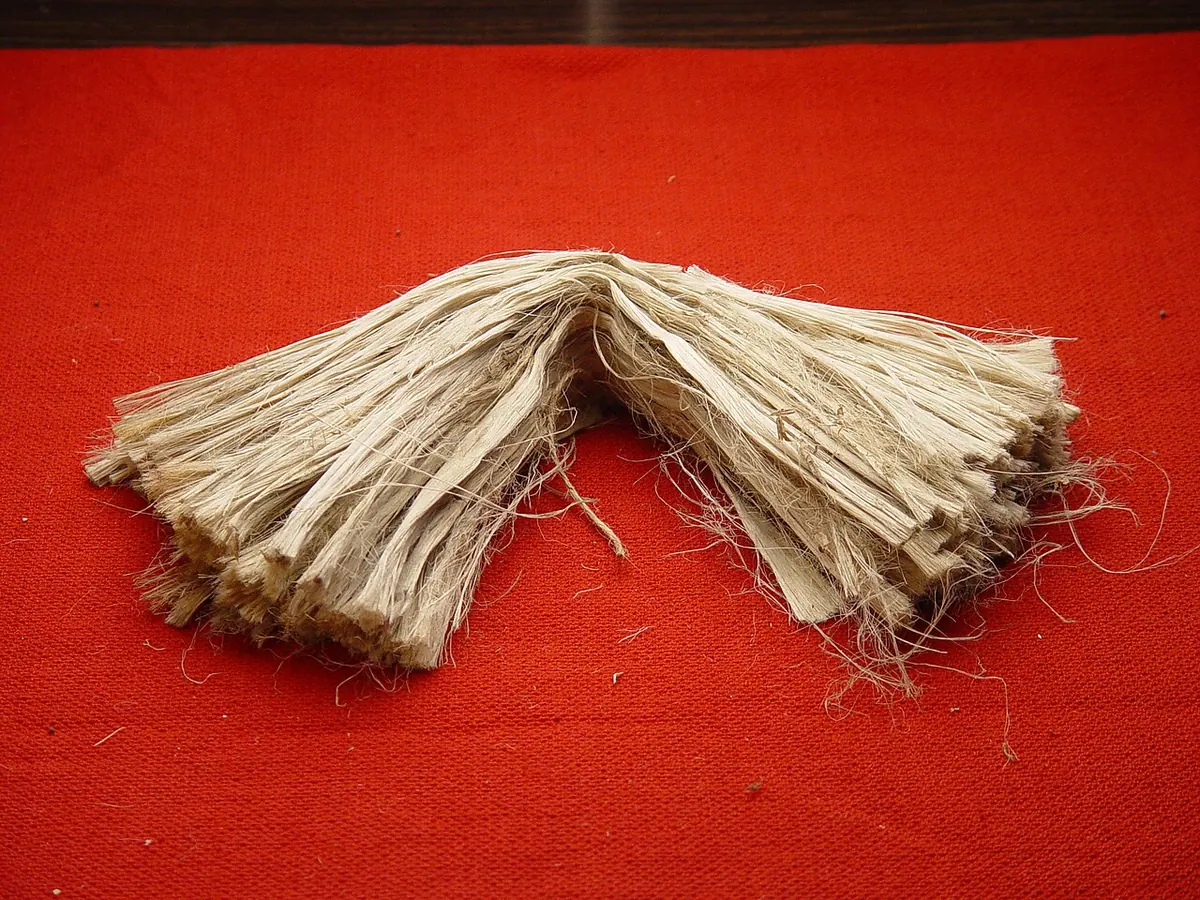
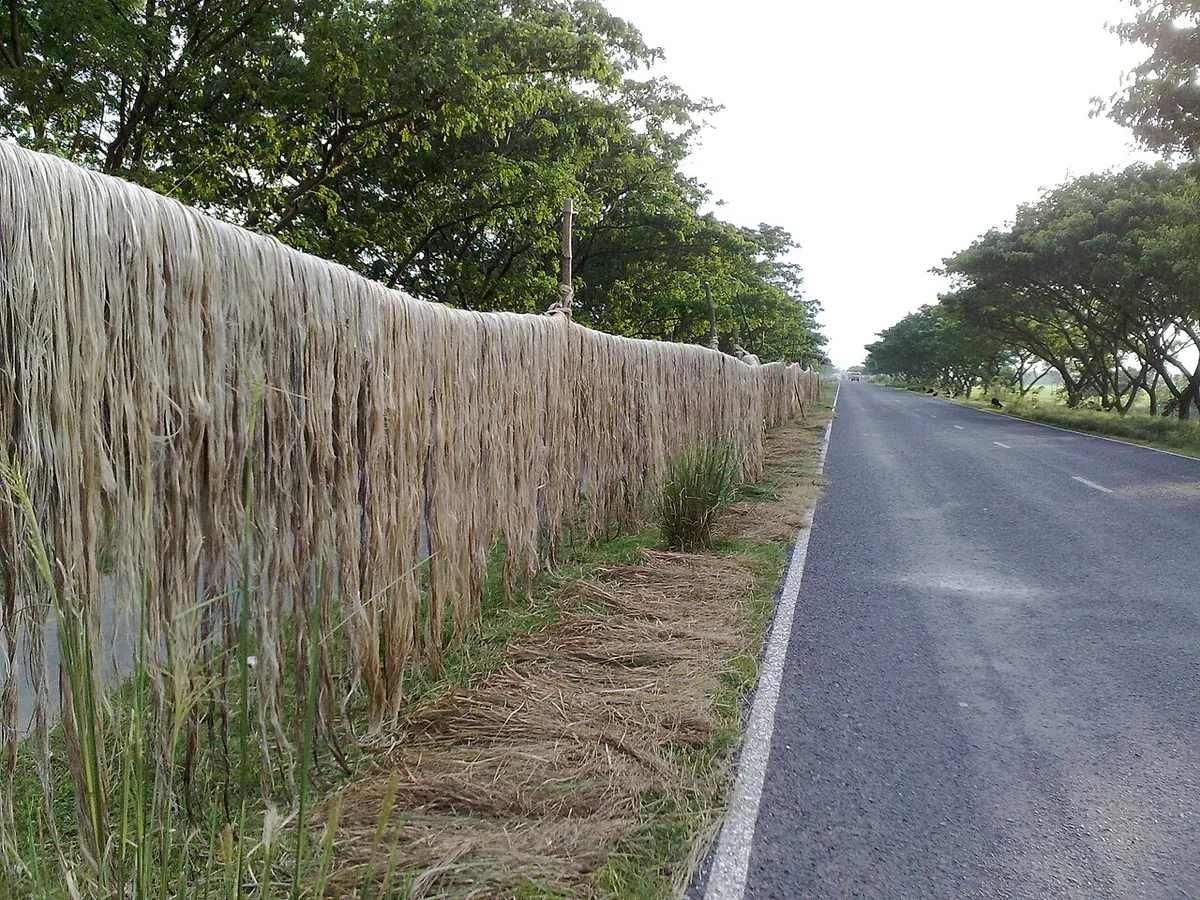
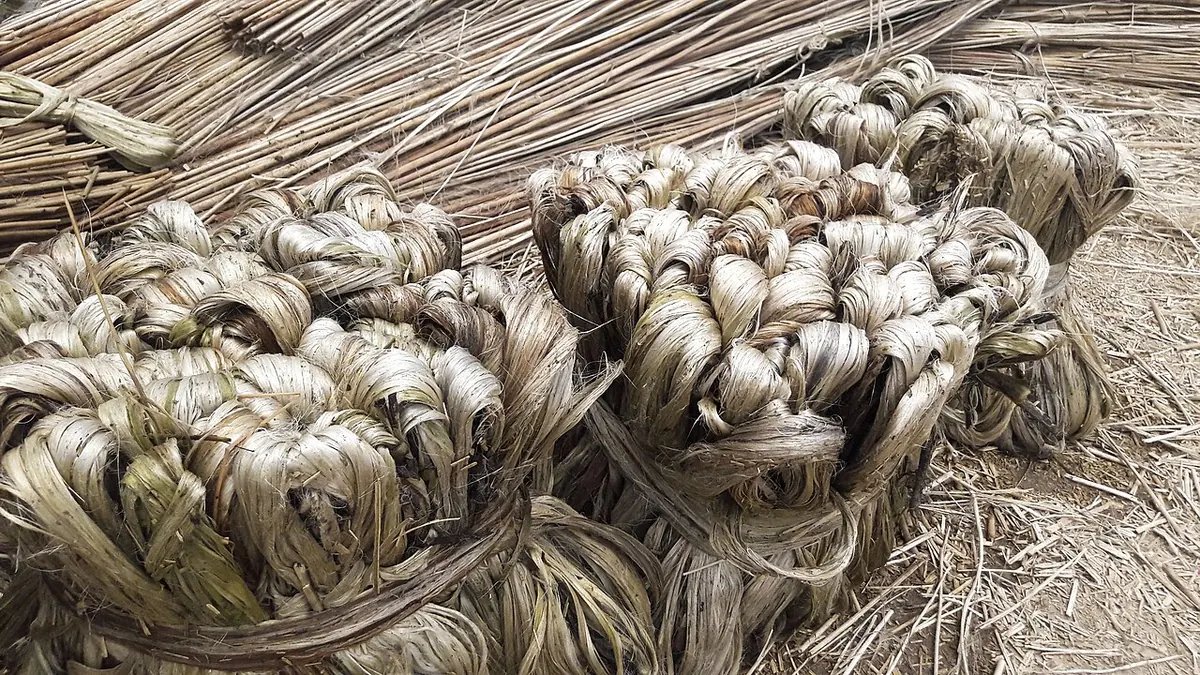
Raw jute is the bast fibre of the jute plant, freed from the stem by retting in water after the monsoon harvest, graded by colour, strength, fineness and root content, and pressed into bales for spinning mills at home and abroad. A raw jute exporter in Bangladesh is judged on how closely the bales match the grade sample and the moisture limit.

Roptan sources it for you. Send the grade and quantity; we match it to verified balers and licensed exporters, put their offers on one basis of grade, crop year, moisture and bale weight, have bales opened and tested by an independent surveyor at loading, and ship or deliver to your mill. You deal with Roptan only.

Raw jute we source

Bangla Tossa (BTR)

Fibre of Tossa jute (Corchorus olitorius): golden to reddish, usually finer, stronger and more lustrous than white jute. Trade lists use lettered grades such as BTA to BTE, with BTR for Tossa rejections.

Bangla White (BWR)

Fibre of white jute (Corchorus capsularis): creamy white to light brown, a little coarser and weaker than Tossa, used for sacking and heavier yarn. Trade lists use lettered grades such as BWA to BWE, with BWR for white jute rejections.

Jute cuttings

The hard, barky root ends cut from the fibre before baling, sold well below the price of long fibre. Specify piece length, colour, moisture and the bark and dirt you accept.

Jute caddies

Short, tangled waste fibre recovered in jute mills during carding and spinning, cleaned and baled. Quality varies widely, so buy on a sample with limits for dust, sticks, moisture and batching oil.

Mesta and kenaf

Bast fibres from kenaf (Hibiscus cannabinus) and roselle (Hibiscus sabdariffa), traded as mesta. Coarser, less lustrous and usually cheaper than jute, they go into sacking, twine, pulp and composites. Name the fibre on the invoice and bar mixing it into jute lots.

Jute fibre bales

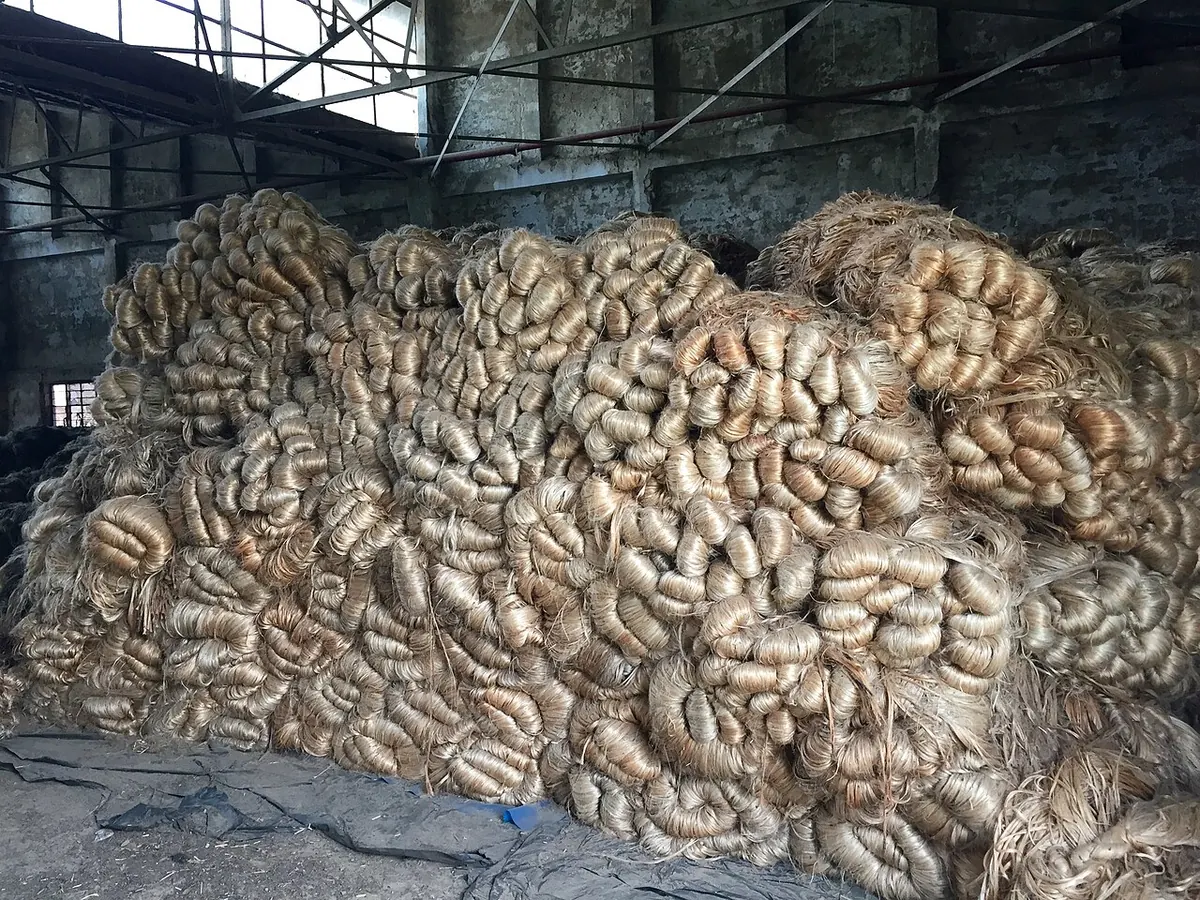
Raw jute pressed into export pucca bales of about 180 kg (400 lb), hooped and marked with grade, lot and bale number; looser kutcha bales move inside the country. Pressing saves freight space and keeps grades apart.

What to tell a raw jute exporter in Bangladesh

Fibre type and grade
Tossa or white jute, the export grade code and a sealed reference sample you both keep. The grade weighs colour, strength, fineness, root content and defects, and a code alone invites disputes.
Crop year and colour
New or old crop and the harvest year. New crop reaches the market from about July; colour depends on the crop and the retting water, and stored fibre darkens with age and light.
Moisture
Jute's standard moisture regain is 13.75%. Fibre traded in the monsoon often carries more, so state the limit, oven drying as the test, and the weight adjustment for excess.
Root content and cleanliness
The share of hard root ends allowed, or whether roots must be cut off, plus limits on bark, specks and foreign matter. Heavy root raises waste in carding and lowers yarn quality.
Bales and marks
Bale weight and hoops; grade, lot and bale number on every bale, a weight list per bale, and no plastic string, which shows as faults in yarn.
Quantity, shipment and sampling
Tonnes or bales per shipment, containers per month and the latest shipment date; FOB Chattogram or Mongla, or CFR or CIF to your port; and who draws samples, and where.

Grades, licences and export papers for raw jute

Department of Jute licence
Raw jute exporters need a licence from the Department of Jute. Ask for the current licence in the exporter's name, alongside the ERC.
Bangladesh grade codes
Trade codes start BT for Bangla Tossa and BW for Bangla White, with lettered grades and R for rejections. Attach the grade description to the contract.
Moisture and weight report
Moisture by oven drying and bale weights, checked at loading by an independent surveyor against the limit in the contract; the certificate can be a document under your letter of credit.
Phytosanitary and fumigation certificates
A phytosanitary certificate from the Plant Quarantine Wing of the DAE where your country asks for one, and container fumigation where the importer requires it.
ERC and certificate of origin
The ERC issued by the CCI&E and a certificate of origin for each shipment in the exporter's name; for EU GSP, a REX statement on origin.

What moves the price of raw jute

  • The crop: the size and quality of each monsoon harvest set prices for the season.
  • Grade and type: better colour, strength and less root cost more, and Tossa usually costs more than white jute of a similar grade.
  • Moisture and cleanliness limits, which change the usable fibre in each tonne; extra moisture is water paid for at fibre prices.
  • Timing within the season, as stocks run down before the new crop, and export policy, since raw jute exports have at times been restricted.
  • Pressing, inspection, inland transport and port costs, which differ between Chattogram and Mongla.

Lead times and delivery

Typical ranges: graded jute in stock usually ships two to four weeks after the contract and inspection booking. Large lots or particular grades early in the season can take four to eight weeks while fibre is bought, graded and pressed. Flooding, export policy changes and Eid holidays add time. Roptan confirms the dates in the quote.

Inside Bangladesh we deliver kutcha or pucca bales by truck or river to your spinning mill in Narayanganj, Khulna, Jashore or elsewhere, weighed at a weighbridge and kept off wet floors. Each delivery carries the packing list, the grade and moisture reports and a VAT invoice (Mushak 6.3) where VAT applies. Wet or short-weight bales are raised with Roptan, not the shipper.

Buying raw jute for export

For importers we quote FOB Chattogram (Chittagong) or FOB Mongla in pucca bales, loaded into clean, dry containers with the bale marks recorded; jute burns easily and must be kept dry and away from heat. Documents: commercial invoice, packing list with bale numbers and weights, bill of lading, certificate of origin, the surveyor's grade, moisture and weight certificate, and phytosanitary and fumigation certificates where required. Payment is commonly by letter of credit at sight.

What we check for this order

  • Jute licence and ERCThe exporter's Department of Jute licence and ERC, current and in the name on the quote, so the letter of credit and documents go through.
  • Grade against the sampleBales opened at random and compared with the sealed sample for colour, strength, roots and defects by an independent surveyor.
  • Moisture at loadingAn oven-dry moisture test on samples drawn at loading, because wet jute adds paid weight, heats in the bale and can rot.
  • A visit before the first bulk orderThe press house and godown seen in person, including how bales are graded, marked and kept dry and off the floor.

Questions buyers ask

What is the difference between Tossa and white jute?

Tossa jute comes from Corchorus olitorius and white jute from Corchorus capsularis. Tossa is usually finer, stronger and more lustrous and goes into hessian and carpet yarn; white jute is paler and coarser and suits sacking. Tossa usually costs more, and many mills blend both, so tell us the yarn you spin.

What do the grade codes BTR and BWR mean?

BT stands for Bangla Tossa and BW for Bangla White. Trade grade lists carry lettered grades for each, such as A to E, with R marking rejections, listed apart from the lettered grades. Buy BTR or BWR on a sealed sample and state the root and moisture limits.

How do I avoid a grade dispute?

Agree a sealed reference sample for the grade, the moisture limit, the test method and whose inspection is final before signing. An independent surveyor then checks at loading and seals samples. Roptan keeps a sealed sample from each lot, so any claim is settled on evidence, not memory.

What are jute cuttings and caddies used for?

Cuttings are the hard root ends cut from jute before baling; caddies are short waste fibre from jute mills. Both cost less than graded fibre and go into coarse yarn, paper pulp, felt and padding. Specify length, trash and moisture, and for caddies the oil content.

What is the minimum order for raw jute?

Usually one full container of a single grade, since fibre is graded and pressed by lot; two grades can share a container if the bales are marked and listed apart. Larger buyers contract monthly shipments through the season. We state the minimum and the price at a larger quantity in the quote.

How soon will I hear back about raw jute?

Within 48 hours of a complete requirement, with a price and a delivery date. A requirement is complete when it has the quantity, where it is needed and by when.

Who do I deal with?

With Roptan, when Roptan manages the order: we buy from the verified seller and deliver to you. With the supplier directly, when you post on the requirement board and choose a quote yourself.