Buying hessian and jute fabric in Bangladesh
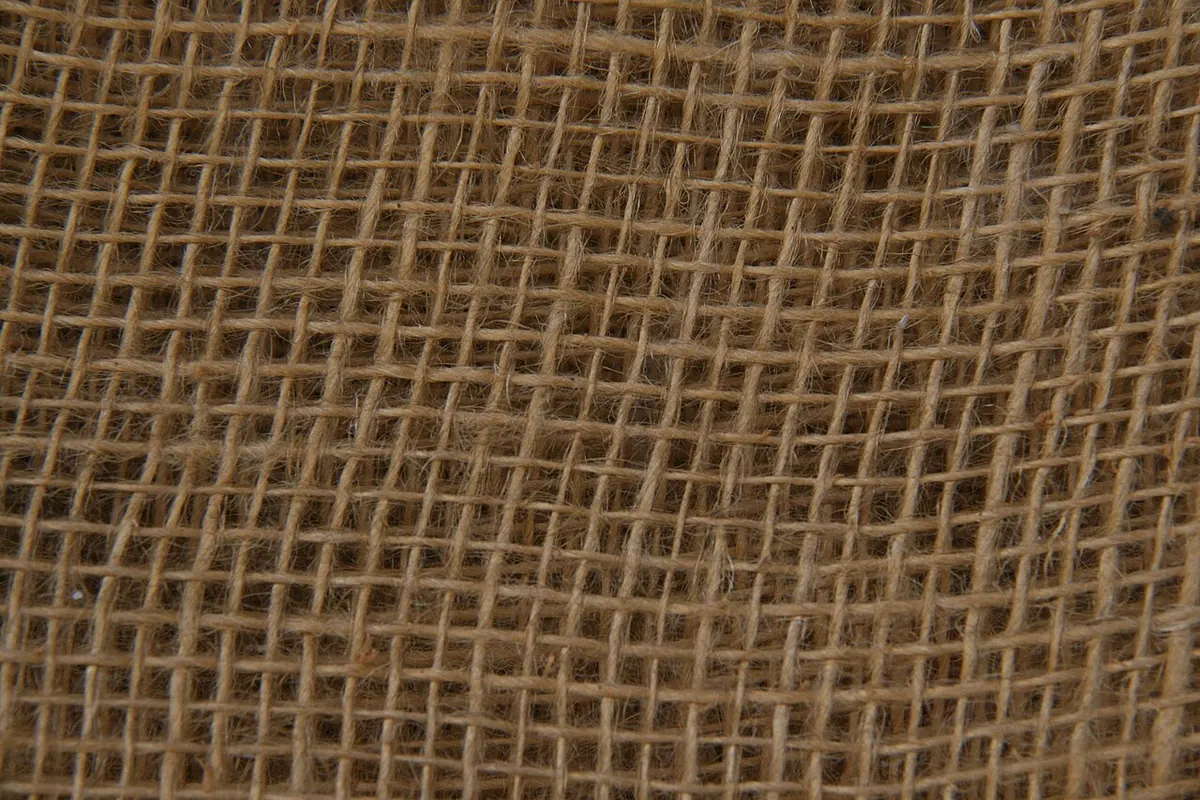
Hessian, called burlap in North America, is plain woven jute cloth; sacking is its heavier cousin. They go into sandbags, grain, sugar and cocoa sacks, root wrapping, upholstery, decor and carpet backing. Bag makers and carpet mills abroad buy by the roll or bale, and local bag makers buy sacking for goods that must be packed in jute by law. A hessian cloth manufacturer in Bangladesh has to hold weight, construction and width, roll after roll.
Roptan sources it for you. Send the specification or a swatch; we match it to verified jute mills around Narayanganj and Khulna, put their quotes on one basis of weight, construction, width, finish and packing, check the test report for your lot, and deliver in Bangladesh or ship. You deal with Roptan only.
What to tell a hessian cloth manufacturer in Bangladesh
- Weight and construction
- Ounces per 40-inch yard or g/m², with ends and picks per inch; one ounce per 40-inch yard is about 30.5 g/m². Two cloths of the same weight can differ in tightness and strength.
- Width, length and tolerance
- Width with a tolerance, whether the selvedge is included and measured without tension, and length per roll. Jute moves with humidity, so agree how and when it is measured.
- Strength
- Warp and weft breaking strength by the strip method (ISO 13934-1), with minimums in newtons and the use stated, such as 50 kg sacks or carpet lamination.
- Yarn and fibre
- Tossa or white jute, and the warp and weft counts in pounds per spyndle, because the same weight can be woven from very different yarn qualities.
- Batching oil and smell
- Mineral or vegetable oil, and the oil content; IJO 98/01 vegetable oil for food sacks, and low odour for retail bags and decor.
- Moisture and mould
- Jute's standard moisture regain is 13.75%. Cloth packed damp in the monsoon grows mould in containers, so set a moisture limit and ask for dry packing with desiccants.
- Rolls or bales
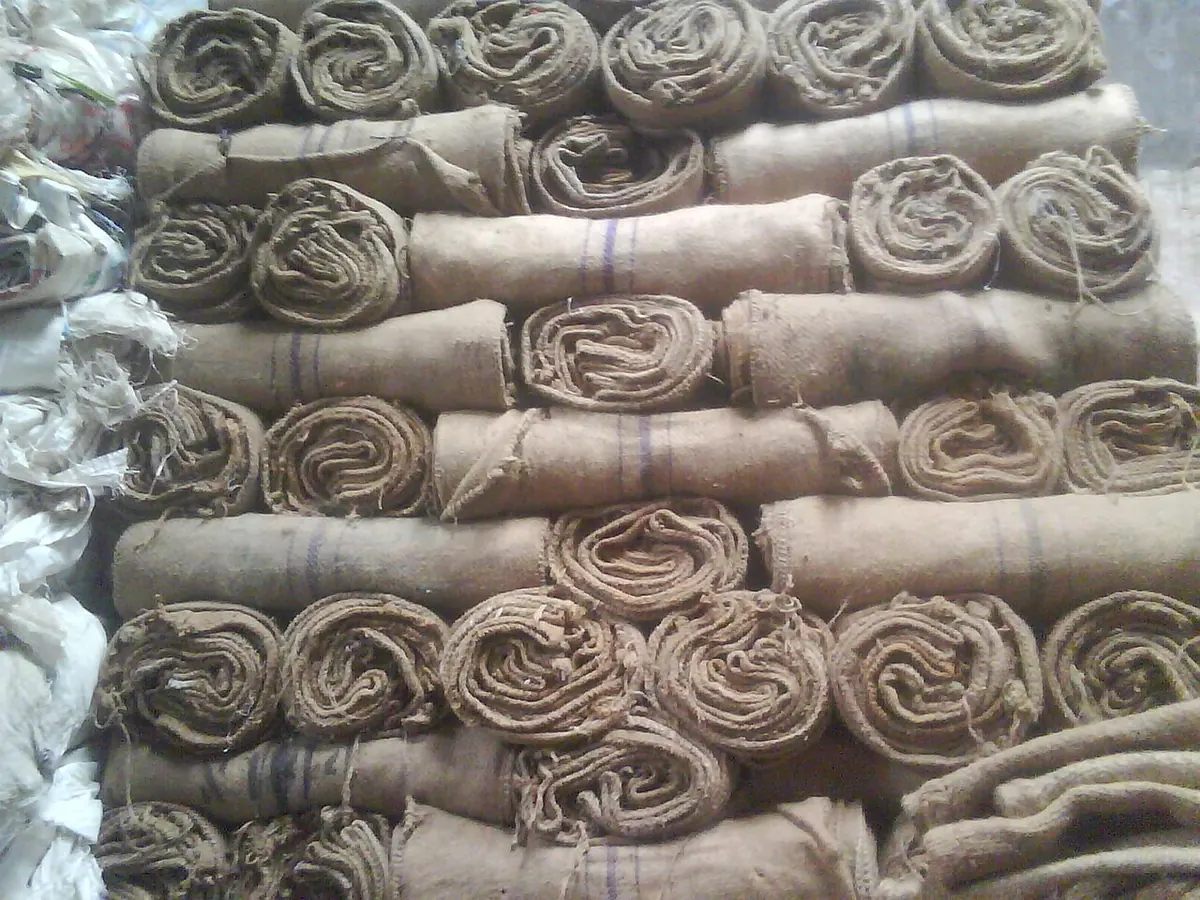
- Rolls on cores with roll marks, or pieces in pressed bales, with lot numbers and net weights. Pressed bales cut freight volume but crease finished and laminated cloth.
Tests and paperwork for hessian and sacking
- ISO 3801 and ISO 7211-2
- Mass per unit area of woven fabric and threads per unit length. Ask for both on the delivered cloth, since weight and construction are where savings hide.
- IJO Standard 98/01
- The food-contact standard for jute: hydrocarbon-free vegetable batching oil. Food buyers ask for a report on the actual lot.
- ISO 105 colour fastness
- For dyed jute, fastness to rubbing (ISO 105-X12) and washing (ISO 105-C06), graded on grey scales, and light (ISO 105-B02) on its own scale, at the levels your market expects.
- ERC and origin papers
- The mill's ERC from the CCI&E, current and in the name on the invoice, a certificate of origin, and a REX statement for EU GSP or the origin papers the UK DCTS requires.
Lead times and delivery
Typical ranges: standard hessian and sacking from running looms usually ship in two to four weeks, and samples take one to two weeks. Carpet backing, laminated, bleached or dyed cloth and special widths usually take four to eight weeks after sample or lab dip approval. Harvest timing, monsoon damp and Eid holidays add time. Roptan confirms the dates in the quote.
Inside Bangladesh we deliver rolls or bales by covered truck to your bag unit, carpet plant, mill or warehouse in Dhaka, Narayanganj, Chattogram, Khulna or elsewhere, kept off wet floors and wrapped against dust, with a roll list, the lot test report and a VAT invoice (Mushak 6.3). Short lengths, light weights or damp rolls found on delivery are raised with Roptan, not the mill.
Buying hessian and jute fabric for export
For importers we quote FOB Chattogram (Chittagong) or FOB Mongla, near the Khulna mills, in pressed bales or wrapped rolls with desiccants against container damp. Documents: commercial invoice, packing list with roll numbers, lengths and weights, bill of lading, certificate of origin, a test report per lot for weight, construction and strength, the IJO 98/01 report for food-grade cloth, and a phytosanitary certificate where required. An inspector can weigh and measure sample rolls before loading. Payment is commonly by letter of credit at sight.
Questions buyers ask
What does 10 oz 40-inch hessian mean?
One yard of the cloth, woven 40 inches wide, weighs 10 ounces, about 305 g/m². Weight alone does not describe the cloth: add ends and picks per inch, yarn counts and oil type, and the actual width with a tolerance, since quotes at the same weight can hide different constructions.
Which do I need: hessian, sacking or jute canvas?
Hessian for bags, wrapping, gardening, upholstery and crafts. Sacking for heavy sacks of grain, sugar or feed, where strength matters more than looks. Jute canvas where a tighter, smoother face matters, and laminated hessian where the cloth must keep damp out. Tell us the end product and we match the cloth.
Can hessian be used to pack food?
Only food-grade hessian, woven from yarn spun with vegetable batching oil to IJO Standard 98/01. Standard hessian uses mineral oil, which can taint coffee, cocoa, nuts and grain. Ask for the test report on the actual lot, tied to the roll or bale marks, and keep food-grade cloth apart in storage.
Is laminated hessian waterproof?
It resists water but is not a sealed barrier: seams, stitch holes and cut edges let water in. The polyethylene film keeps damp out of the cloth and its contents, enough for most bags and covers. Laminated cloth is no longer plastic-free, so choose plain hessian for plastic-free claims.
Is hessian priced per metre or per tonne?
Both are used. Mills often price by weight, while bag makers buy by length. Ask for both figures on the quote, with the weight per metre, so you can check one against the other. Roptan checks the weight of delivered rolls against the quote.
How soon will I hear back about hessian and jute fabric?
Within 48 hours of a complete requirement, with a price and a delivery date. A requirement is complete when it has the quantity, where it is needed and by when.
Who do I deal with?
With Roptan, when Roptan manages the order: we buy from the verified seller and deliver to you. With the supplier directly, when you post on the requirement board and choose a quote yourself.