Managed sourcing from Bangladesh, for export and for buyers at home
Get it sourced

Plastics and polymers

Polymer and resin supplier in Bangladesh

Need a polymer and resin supplier in Bangladesh? Send the polymer, grade and tonnage. We source PET and polyamide chips, PVC resin, acrylic polymers, PE and recycled granules from verified sellers, check each lot's certificate of analysis and deliver locally or FOB Chattogram.

  • Verified sellers
  • Checked before it ships
  • Delivered by Roptan

Get polymers and resins sourced

Prefer to deal with suppliers yourself? Post it on the requirement board

Polymer and resin products

Pick a product and we source it for you, or send one requirement that covers several.

Buying polymers and resins in Bangladesh

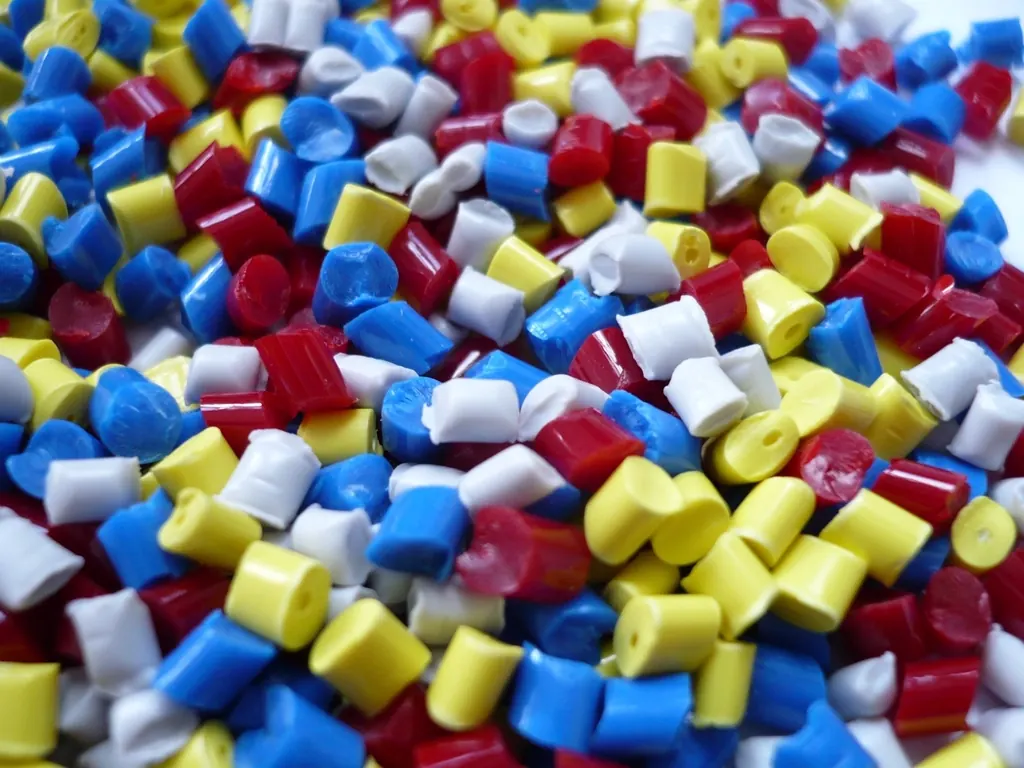
Plastics, fibre, paint and adhesive plants in Dhaka, Gazipur, Narayanganj and Chattogram buy resin by the tonne: PET and polyamide chips for yarn and bottles, PVC for pipes and cables, polyethylene for film and moulding, and acrylics for paints and binders. Most virgin resin is imported, and recyclers turn scrap into granules for plants at home and importers abroad. A polymer and resin supplier in Bangladesh is chosen on grade, lot consistency and test data.

Roptan sources for you. Send the grade or data sheet with the tonnage and delivery point; we match it to verified importers, stockists and recyclers, put quotes on one basis of grade, test values and packing, check each certificate of analysis against your limits, test a new source independently and inspect the lot before dispatch. You deal with Roptan only.

Polymers and resins we source

PET chips

Polyester chips graded by intrinsic viscosity (IV) in dl/g: fibre grades usually about 0.6, bottle grades about 0.8 and technical yarn grades higher. Specify the IV range, colour values, acetaldehyde for bottle grade, bright or semi-dull lustre for fibre, and moisture.

PVC resin

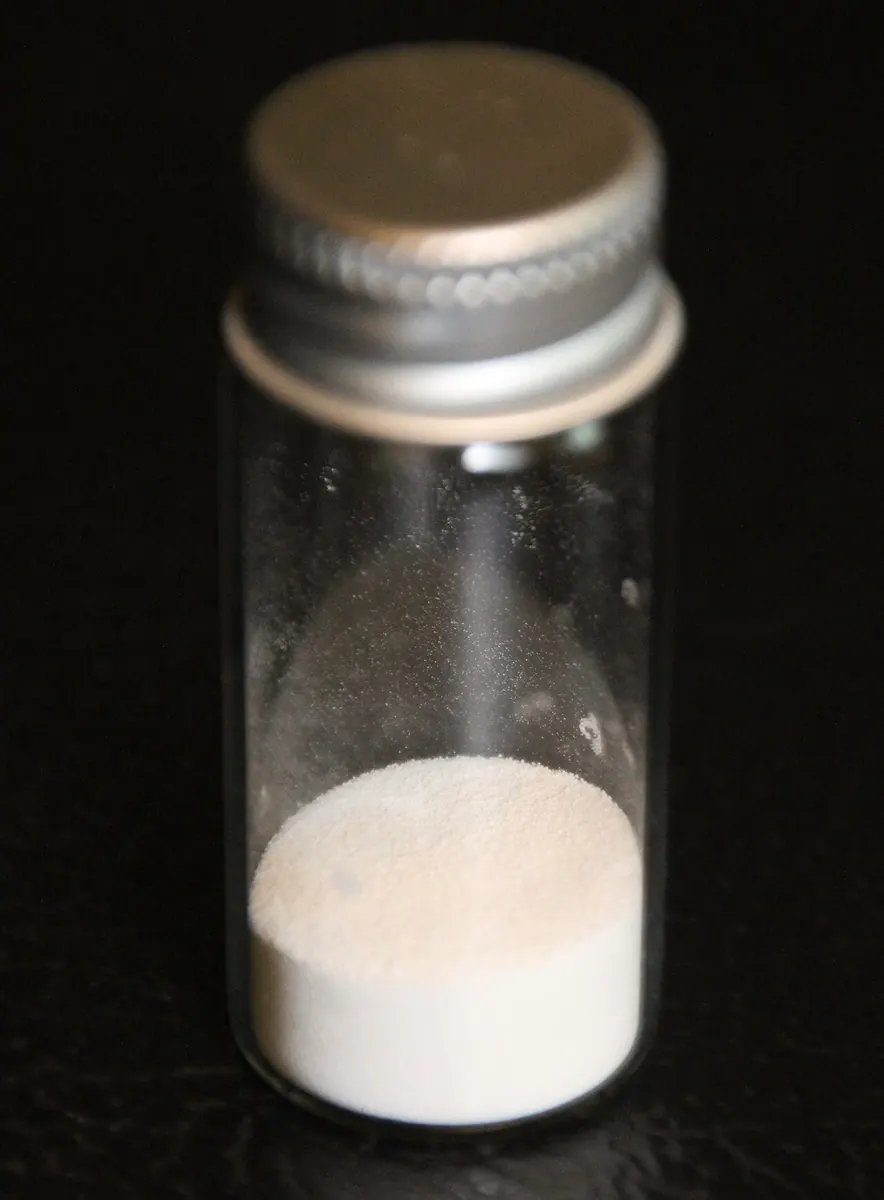
Suspension PVC, a white powder, for pipes, profiles, cables and film, graded by K value: rigid pipe grades are typically K 65 to 67, fittings lower. Paste grades suit coated fabric and flooring. Also specify bulk density, volatile matter and residual vinyl chloride.

Acrylic polymers

Acrylic emulsions bind paints, textile prints and adhesives; solid acrylics such as PMMA go into sheet and moulded parts. For emulsions specify solids, viscosity, pH, glass transition temperature and minimum film forming temperature; for PMMA, melt flow and light transmission.

Polyamide chips

Nylon chips for yarn, fibre and engineering parts, specified by relative viscosity, moisture, end groups and titanium dioxide content for fibre lustre. Polyamide takes up water from the air, so it ships in sealed moisture-barrier bags and is dried before use.

Polyethylene granules

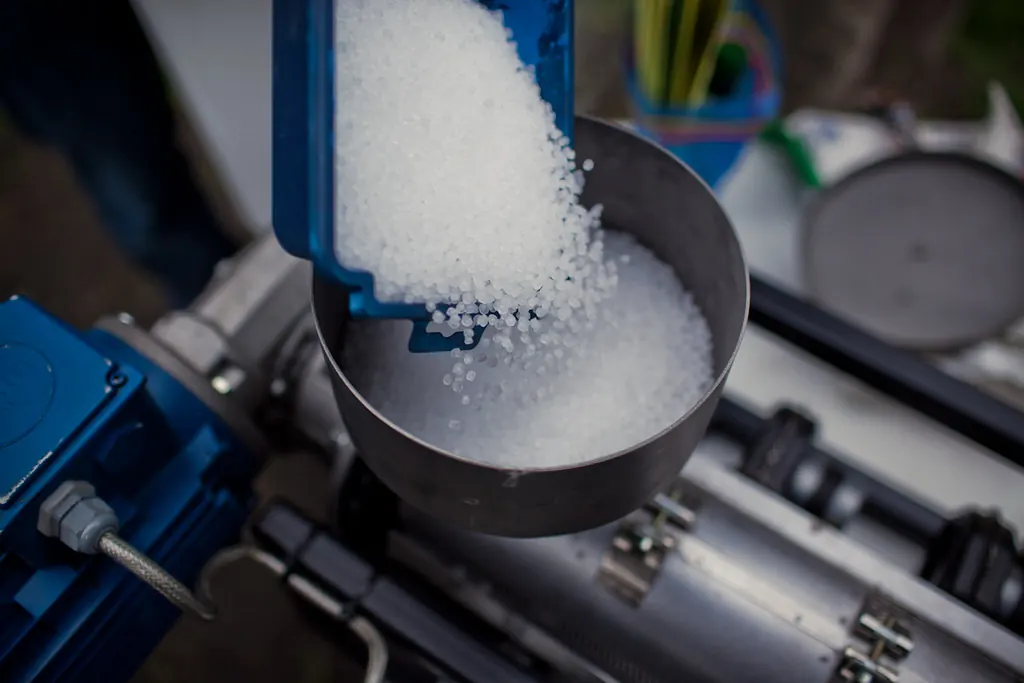
PE for film, blow moulding, injection moulding and pipe, graded by density in g/cm³ and melt flow rate at 190 °C and 2.16 kg. HDPE is 0.941 g/cm³ and above. State slip, antiblock and UV additives.

Recycled granules

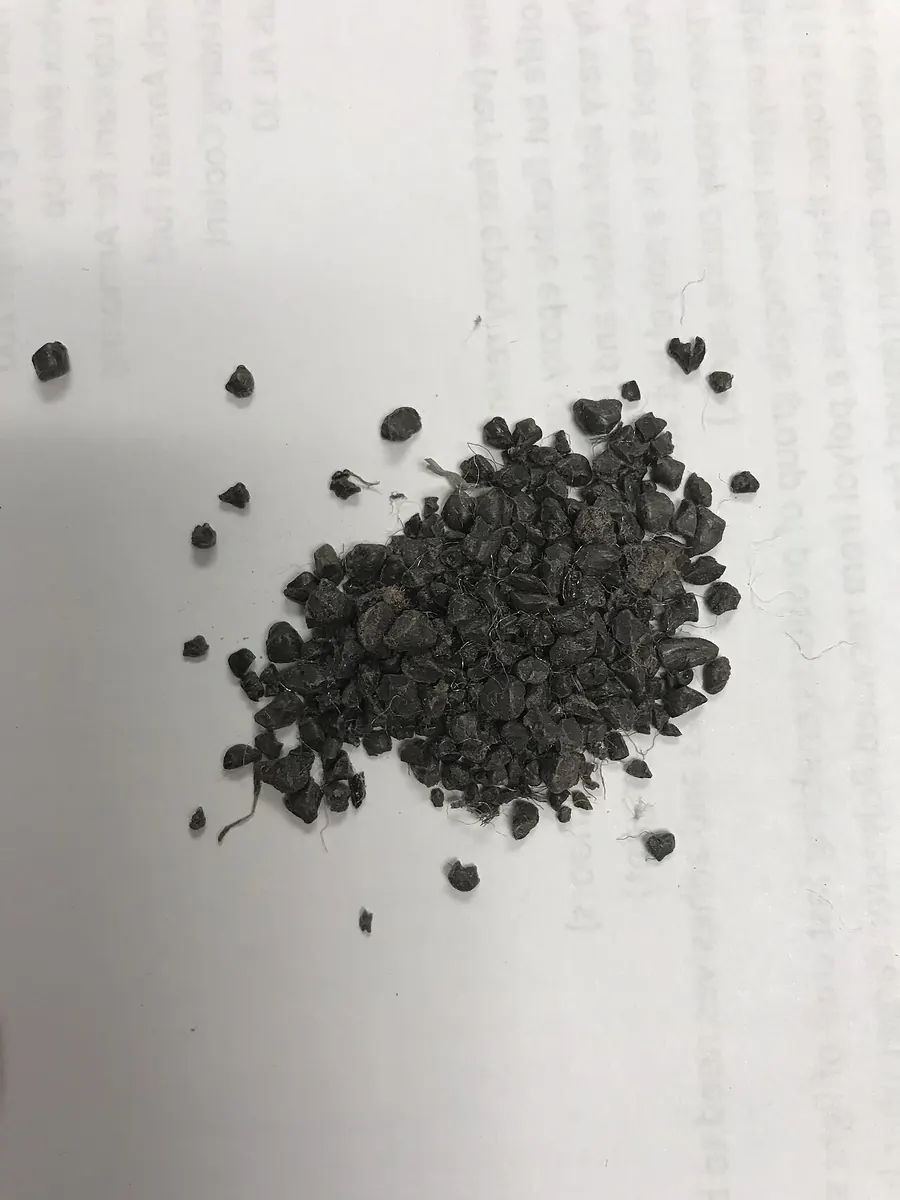
Regranulated PE, PP or PET from factory scrap or used packaging, melted, filtered and cut into pellets. It costs less than virgin resin but varies more, so specify the source, melt flow range, filler by ash test, moisture, odour, gels and colour.

What to tell a polymer and resin supplier in Bangladesh

Polymer, grade and process
Name the polymer and the process it feeds: film, blow moulding, injection, pipe, fibre or coating, or send the data sheet of the grade you use now.
Melt flow or viscosity
Melt flow rate to ISO 1133 at stated conditions (190 °C and 2.16 kg for PE, 230 °C and 2.16 kg for PP), IV for PET or K value for PVC, each as a range.
Density and additives
Density to ISO 1183, and additives such as slip, antiblock, UV stabiliser, antistatic or colour masterbatch, with the loading you expect.
Moisture and drying
PET and polyamide take up water and lose viscosity if melted wet, so both are dried before processing. Ask for moisture on the certificate and sealed, lined bags.
Recycled content and filler
The recycled share allowed, the maximum filler, and limits on gels, black specks and other polymers. Calcium carbonate shows up as ash, so ask for ash content to ISO 3451-1.
Food-contact grades
The producer's compliance letter under Regulation (EU) 10/2011 or FDA 21 CFR 177. Recycled resin for food contact needs a recycling process approved in your market.
Packing, lots and storage
25 kg bags on pallets or one-tonne bulk bags, one production lot per shipment where consistency matters, and dry, shaded storage off the floor in the monsoon.

Test methods and papers for polymers and resins

ISO 1133 and ASTM D1238
Melt flow rate of thermoplastics in g/10 min. Check which method, temperature and load the certificate uses, because results under different conditions do not compare.
ISO 1183 and ISO 3451-1
Density and ash content of plastics. Together they point to filler and blending in recycled and low-priced granules.
Certificate of analysis per lot
Results for the lot you receive against the agreed values and methods, from the producer or an accredited lab, with the lot number printed on every bag.
Safety data sheet to GHS
Required for every grade before the first delivery, with hazards, storage, fire-fighting advice and transport classification.
GRS for recycled content
Global Recycled Standard certification backs recycled-content claims. Check that it covers this seller and product, and ask for a transaction certificate with each shipment.

What moves the price of polymers and resins

  • World markets: virgin resin follows oil, naphtha and regional supply, so quotes hold only briefly.
  • Grade: food-contact, bottle and specialty grades cost more than general-purpose ones.
  • Exchange rate, freight and duty: imported resin moves with the taka, sea freight and import duty.
  • Recycled quality: clean, sorted, single-colour granules cost more than mixed or filled grades.
  • Lot size and packing: full container lots cost less per tonne than part lots, and bulk bags less than 25 kg bags.

Lead times and delivery

Typical ranges: stock grades held by importers in Dhaka or Chattogram ship in one to two weeks; recycled granules made to a specification usually two to four weeks after sample approval; grades ordered from abroad usually four to eight weeks, depending on shipping and port clearance. Roptan confirms the dates and price validity in the quote.

Inside Bangladesh we deliver by covered truck to your plant in Dhaka, Gazipur, Narayanganj, Chattogram or elsewhere, in 25 kg bags on pallets or bulk bags, with lot numbers on the bags, the certificate of analysis, safety data sheet, packing list and a VAT invoice (Mushak 6.3). Part loads can be called off against one contract, and bags are checked for damp on unloading.

Buying polymers and resins for export

For importers we quote FOB Chattogram (Chittagong), palletised or in bulk bags in dry 20 or 40 ft containers. Documents: commercial invoice, packing list, bill of lading, certificate of origin, the seller's ERC, a certificate of analysis per lot and the safety data sheet, with food-contact letters where needed. A pre-shipment sample can go to an accredited lab. For recycled granules, check your country's rules on plastic scrap before ordering.

What we check for this order

  • Trade licence, ERC and IRCCurrent, and in the name on the quote, with the IRC for importers, so the documents match the seller.
  • Material declarationsGrade, producer and lot on the certificate of analysis, matched to the bag markings, plus food-contact letters where the resin touches food.
  • Stock, capacity and lots in writingStock or production capacity for your tonnage by your date, and one lot per shipment where you need consistency.
  • A visit before the first orderWe see the warehouse or recycling line, lot storage and bagging before bulk, since damp storage spoils bags and moisture-sensitive grades.

Questions buyers ask

Which PET chip IV do we need?

It depends on the product. Fibre grades are usually about 0.6 dl/g, bottle grades about 0.8 dl/g and technical yarn grades higher. IV falls if wet PET is melted, so dry it first. State the IV range and ask for the measured IV on each lot's certificate.

What does melt flow rate tell me?

How easily the molten polymer flows under a set load and temperature, in grams per 10 minutes. Low values suit pipe, blow moulding and strong film; high values suit thin-wall injection moulding. Compare results only at the same conditions, and hold every lot to a range.

How do we check recycled granules?

Ask for melt flow, density, moisture and ash on each lot, and run a trial on your machine before bulk. Ash shows filler, density shows blending, and gels and black specks show poor melt filtering. Keep a retained sample of each lot you accept.

Does resin bought in Bangladesh carry Bangladesh origin?

Not when it is imported and resold: it keeps its original country of origin, and the certificate of origin must say so. Recycled granules and compounds made in Bangladesh may qualify as local, depending on the importing country's rules. We check the origin papers before we quote.

What is the minimum order for resin?

For stock grades inside Bangladesh, often a pallet or a few tonnes; for export, usually a full container, since freight and papers cost the same per container. First export orders are commonly paid by letter of credit at sight. Roptan confirms the minimum in the quote.

How soon will I hear back about polymers and resins?

Within 48 hours of a complete requirement, with a price and a delivery date. A requirement is complete when it has the quantity, where it is needed and by when.

Who do I deal with?

With Roptan, when Roptan manages the order: we buy from the verified seller and deliver to you. With the supplier directly, when you post on the requirement board and choose a quote yourself.