Buying charcoal and wood products in Bangladesh
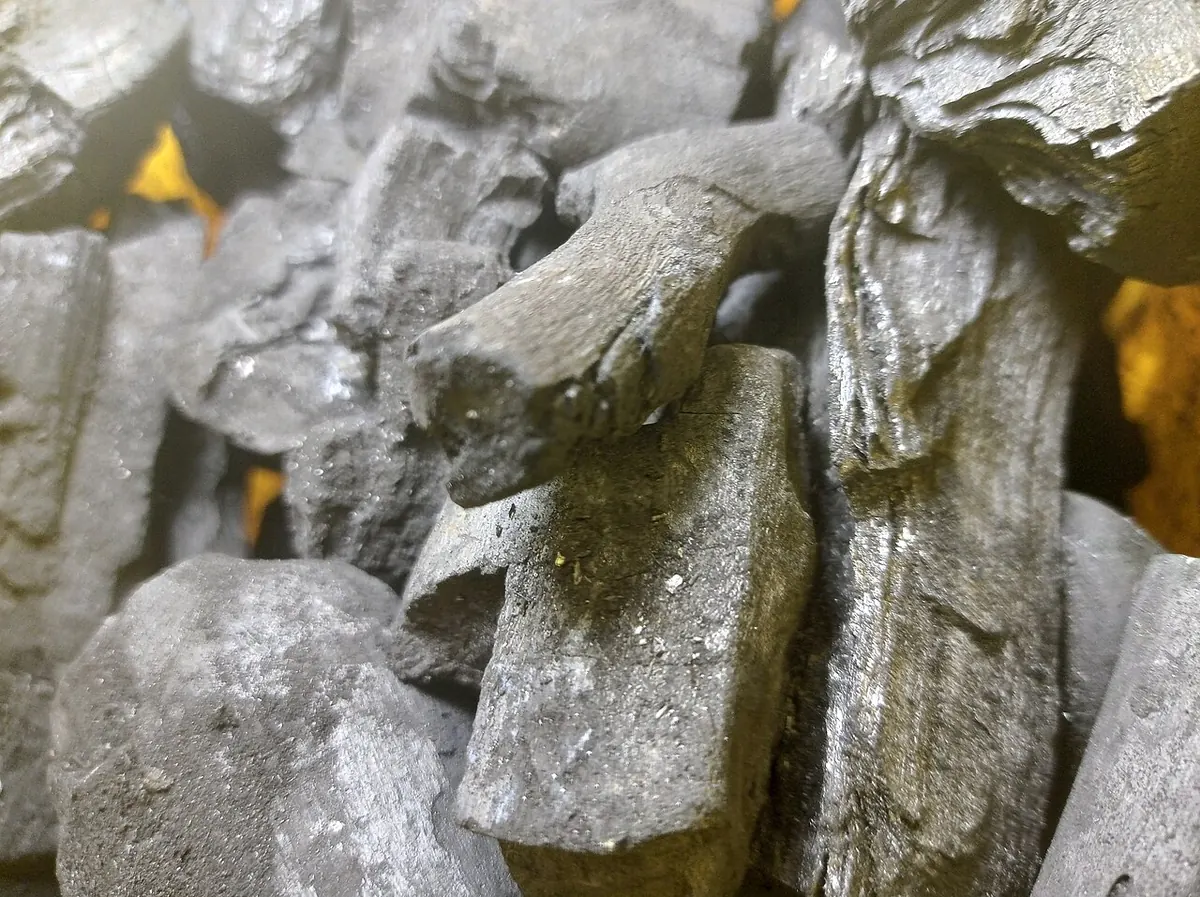
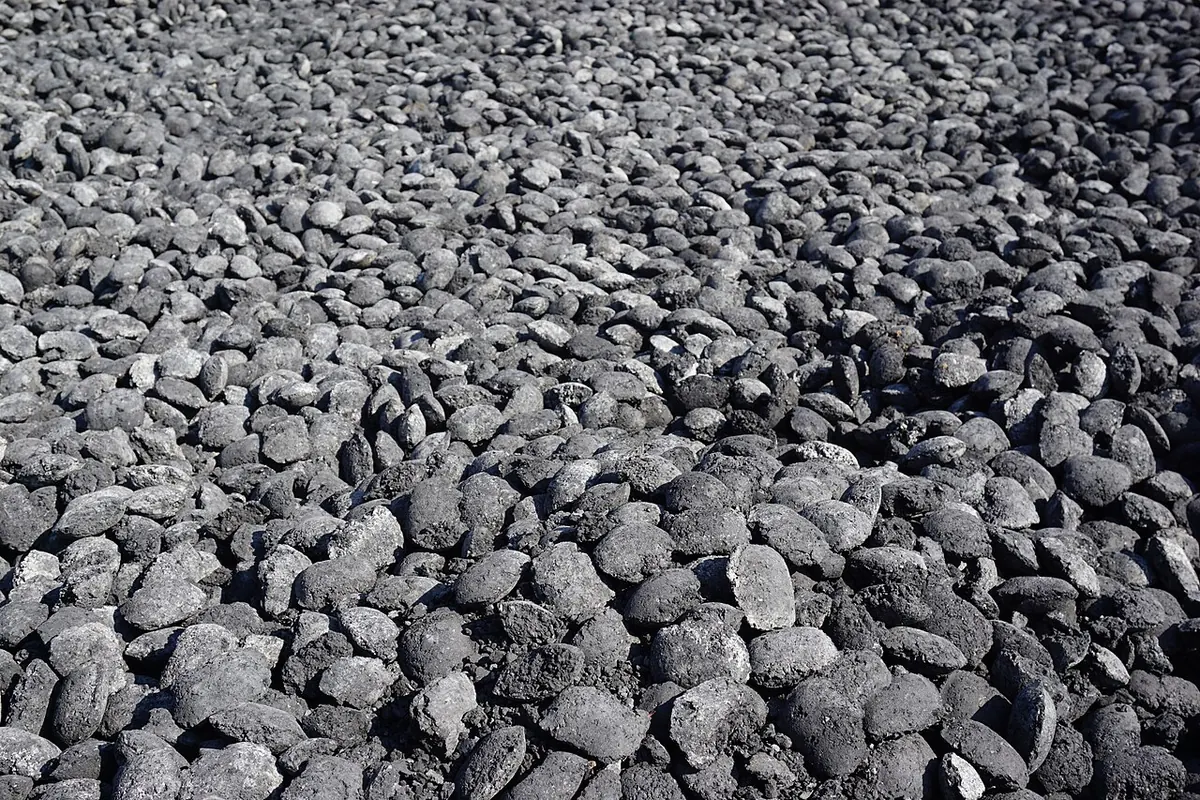
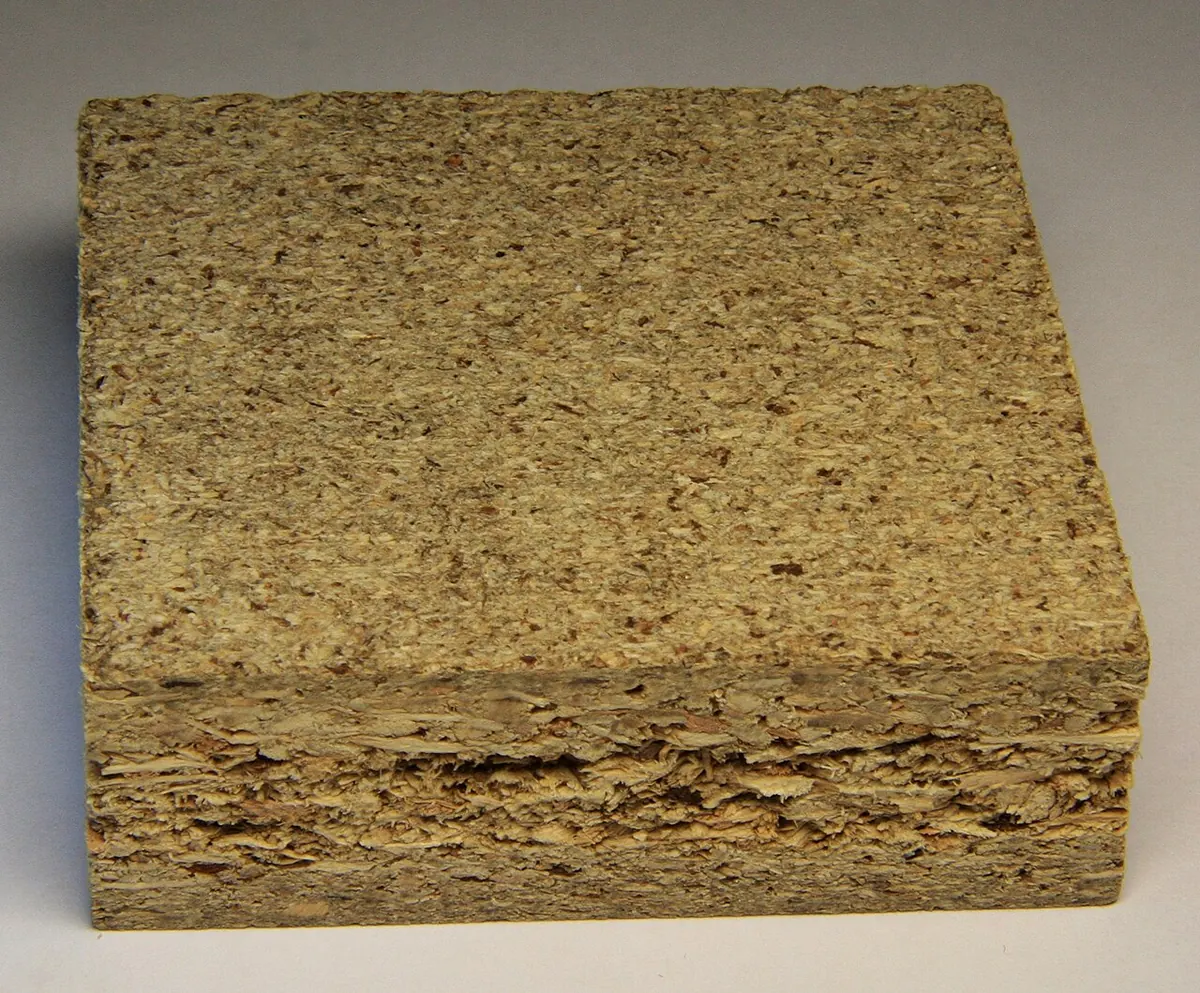
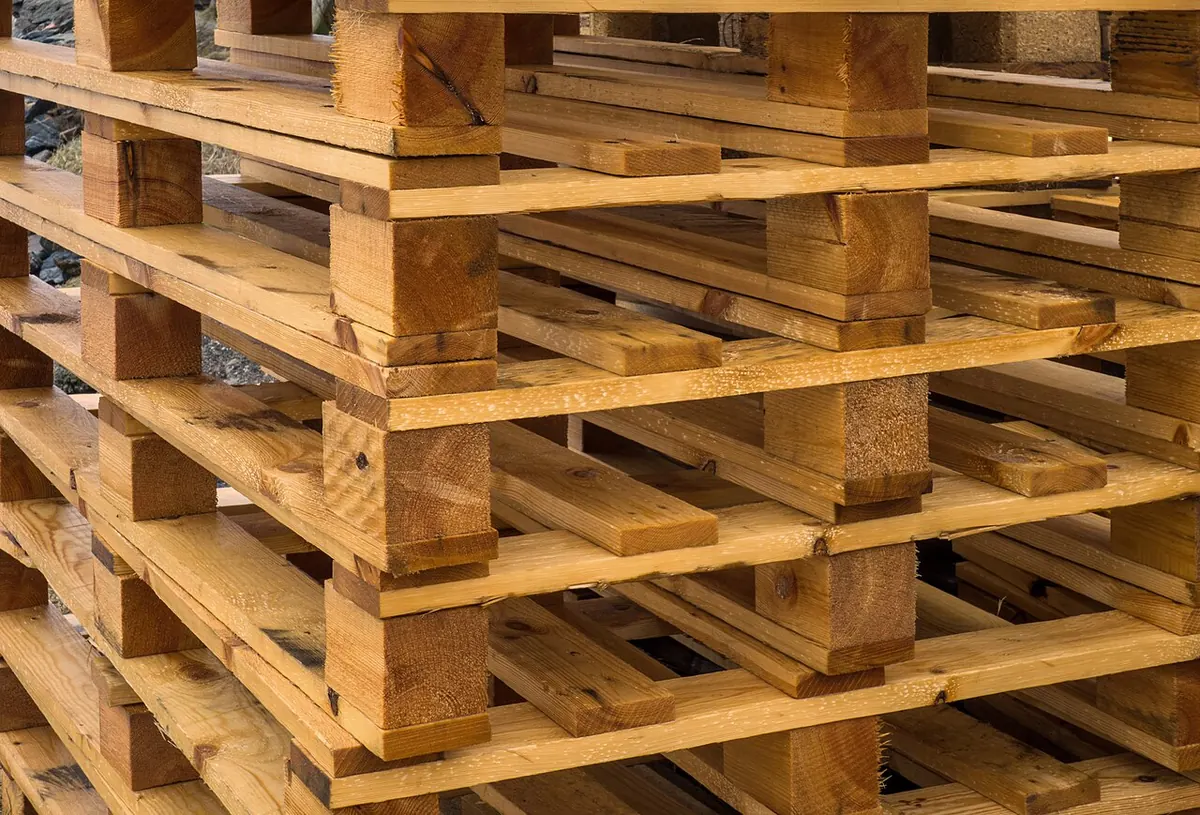
Bangladesh grows a great deal of jute, and the woody stick left once the fibre is stripped is carbonised into jute stick charcoal, a light, fine charcoal bought as a raw material for carbon powder and activated carbon. The same trade supplies wood and coconut shell charcoal, and wood goods such as particle board, pallets and wooden articles. A charcoal exporter in Bangladesh sells on analysis: fixed carbon, ash, moisture and size, tested per lot.
Send your specification or a sample; we match it to verified sellers, put quotes on one basis of analysis, moisture basis, packing and loading, have each lot sampled and tested, check weights and bagging, and confirm the shipping line's conditions before booking. You deal with Roptan only.
How to brief a charcoal exporter in Bangladesh
- Grade and analysis
- Fixed carbon, volatile matter, ash and moisture as limits in per cent, with the test method, such as ASTM D1762. Price follows the analysis, so compare quotes on the same limits.
- Moisture basis
- Say whether results are on a dry or as-received basis. Charcoal takes up moisture in the monsoon, which adds weight you pay for, so agree a maximum moisture at loading and covered storage.
- Size and fines
- Lump size range in millimetres, or mesh size for powder, and the most fines you accept. Fines rise with every handling, so test at loading, not only at the kiln.
- Self-heating and cooling
- Fresh charcoal can heat up and ignite in a closed container. Ask how long it was cooled and aired, and for a self-heating test to UN test N.4; agree who pays for tests and any carrier surcharge.
- Packing and tonnage
- Woven polypropylene, paper, jumbo or retail bags, with net weight and marks per bag, tonnes per container and shipments per month. Lump charcoal fills a container by volume before weight.
- Legal source of wood
- For wood charcoal, board, pallets and wooden articles, proof of where the wood came from. EU importers need the harvest location under the EU Deforestation Regulation once it applies to them.
Tests, codes and certificates for charcoal
- ASTM D1762
- Chemical analysis of wood charcoal: moisture, volatile matter and ash, with fixed carbon by difference. Name the method in the contract so every lab reports the same way.
- IMDG Code, UN 1361 and UN test N.4
- At sea, charcoal is classed as UN 1361, class 4.2, a self-heating substance: book it as dangerous goods, ask for a self-heating test to UN test N.4, and check the carrier's conditions for charcoal in containers first.
- EN 1860-2
- Requirements and test methods for barbecue charcoal and charcoal briquettes, the common reference for barbecue charcoal sold in Europe.
- EN 312 and formaldehyde class
- Particleboard types P1 to P7 by use, load and humidity; formaldehyde emission is stated separately, such as E1 in Europe or TSCA Title VI compliant for the US.
- ISPM 15
- Wood packaging must be heat treated, to at least 56 °C at the core for 30 minutes, or fumigated where allowed, and marked. Processed wood such as particle board and plywood is exempt.
Lead times and delivery
Typical ranges: a lab analysis takes about a week, and lots from stock usually load within two to four weeks, allowing for the test and container booking. New production lots take longer, since charcoal must cool fully after the kiln, and a carrier's dangerous goods approval can add a week or more. Pallets and boards usually take two to four weeks. Roptan confirms the dates in the quote.
Inside Bangladesh we deliver pallets, particle board and wooden articles to factories, warehouses and projects in Dhaka, Gazipur, Savar, Narayanganj, Chattogram and elsewhere, counted against the order, with a VAT invoice (Mushak 6.3). Pallets carry ISPM 15 marks for your own export loads, with the treatment record.
Buying charcoal and wood products for export
For importers we quote FOB Chattogram (Chittagong), in bags or jumbo bags, in 20 ft or 40 ft containers chosen by bulk density, loaded after cooling in a clean, dry container. Documents: commercial invoice, packing list, bill of lading, certificate of origin, a certificate of analysis per lot stating method and basis, a weight certificate, the self-heating test report and the dangerous goods declaration the carrier needs, and a fumigation or phytosanitary certificate where your market asks. Payment is commonly by letter of credit, or a deposit with the balance against documents.
Questions buyers ask
Is charcoal dangerous goods for sea freight?
Yes. Charcoal is listed in the IMDG Code as UN 1361, class 4.2, because it can heat up on its own. Book it as dangerous goods, have the lot tested for self-heating to UN test N.4, and confirm the carrier's acceptance rules for charcoal in containers before loading.
What analysis should come with a charcoal shipment?
Fixed carbon, volatile matter, ash and moisture in per cent on a stated basis, calorific value for fuel grades, and size with the share of fines. The sample should come from your lot and the certificate name the method, such as ASTM D1762.
What is jute stick charcoal used for?
Mostly as an industrial raw material: buyers grind it into fine carbon powder and use it to make products such as activated carbon. It is lighter and more friable than wood charcoal and burns quickly, so it suits grinding and processing more than lump fuel use.
What mistakes do first-time charcoal buyers make?
Buying on price per tonne without moisture and ash limits. Accepting one lab report for many lots. Loading charcoal that has not cooled fully. Booking a container without telling the carrier it is charcoal. And skipping a witnessed sample, so the numbers on arrival differ from the report.
Do wooden pallets need ISPM 15 marking?
Yes, for pallets used in international shipping. They must be heat treated or fumigated where allowed, and marked; pallets made only of processed wood, such as particle board or plywood, are exempt.
How soon will I hear back about charcoal and wood products?
Within 48 hours of a complete requirement, with a price and a delivery date. A requirement is complete when it has the quantity, where it is needed and by when.
Who do I deal with?
With Roptan, when Roptan manages the order: we buy from the verified seller and deliver to you. With the supplier directly, when you post on the requirement board and choose a quote yourself.