Buying glass and glassware in Bangladesh
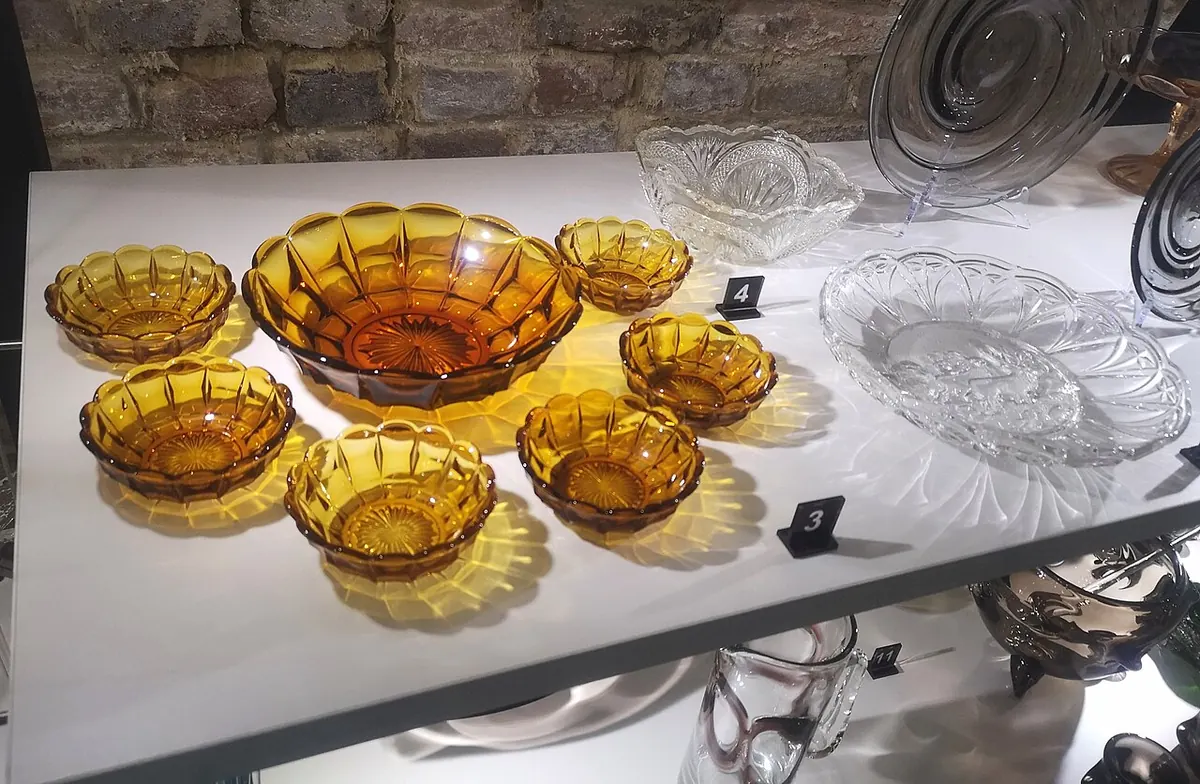
Bangladesh makes clear and tinted float glass, mirrors, glass tableware, bottles and jars, and glass fibre and bead products. Developers, facade fabricators and furniture makers buy sheet glass and mirrors; pharmaceutical, food and cosmetics companies in Dhaka, Gazipur and Chattogram buy bottles and jars; importers abroad buy container loads. A glass manufacturer in Bangladesh should give test reports against the standard you name.
Send the specification or a sample and say what the glass is for; we match it to verified makers, put quotes on one basis of thickness or weight, quality, packing and delivery point, check the test report for your lot, inspect the packing and deliver on the agreed schedule. You deal with Roptan only.
How to brief a glass manufacturer in Bangladesh
- Thickness and tolerance
- Nominal thickness in mm with the tolerance from EN 572-2 or ASTM C1036, cut sizes, holes and edge work. Standard sheet sizes waste less glass than odd cuts.
- Quality grade
- Glazing or mirror quality, such as ASTM C1036 q3 for glazing and q1 or q2 for mirrors, with limits for bubbles, stones and distortion.
- Safety glass and heat soak
- Toughened or laminated glass where people can strike it, with the EN 12600 impact class. Toughened glass can break from nickel sulphide inclusions, so ask for a heat soak test to EN 14179 on facades and overhead glazing.
- Sun, heat and wind
- Solar factor, light transmission and U-value for facades; tinted or coated glass cuts heat gain. Pane size and thickness follow BNBC 2020 wind loads, which are higher near the coast.
- Containers
- Brimful and fill-point capacity in millilitres, neck finish such as crown, screw, lug or ROPP matched to your closure (send a cap sample), weight and colour, and for medicines the glass type, I, II or III.
- Packing
- Float glass on A-frames or in crates with interleaving, bottles on pallets with layer pads and shrink wrap, tableware in divided cartons. Damp between sheets stains glass in storage.
Glass standards and tests
- EN 572-2 and ASTM C1036
- Float glass and flat glass: dimensions, thickness tolerances and quality defects. Ask for the certificate for your thickness.
- EN 12150, EN 14179, EN ISO 12543 and EN 12600
- Toughened, heat-soaked toughened and laminated safety glass, and the pendulum impact test that classifies safety glass for balustrades, doors and low-level glazing. Ask for the mark on each pane.
- EN 1036
- Mirrors from silver-coated float glass for internal use, including corrosion tests on the silver and backing paint. Ask for the report before ordering.
- ISO 7458, ISO 8113 and ISO 7459
- Glass containers: internal pressure resistance, resistance to vertical load and thermal shock. Ask for results per production lot and mould number.
- Food contact and pharmacopoeia types
- ISO 7086 and ASTM C927 for lead and cadmium release; Regulation (EC) No 1935/2004 for the EU; medicine containers classed as Type I (borosilicate), II or III glass in the US and European pharmacopoeias.
- EN 1423
- Drop-on glass beads for road marking: grading, refractive index and coatings, used with markings to EN 1436.
Lead times and delivery
Typical ranges: stock float glass, mirrors and bottles usually ship within one to two weeks, toughened or laminated panes cut to size in two to four weeks from confirmed drawings, and custom bottles and jars, which need a mould and a trial run, in four to eight weeks. Gas supply, furnace maintenance and port congestion add time. Roptan confirms the dates in the quote.
Inside Bangladesh we deliver to sites, fabricators and plants in Dhaka, Chattogram, Gazipur, Narayanganj and elsewhere, with breakage and scratches recorded on unloading and handled under the terms in the quote. You receive the delivery challan, the lot's test report and a VAT invoice (Mushak 6.3). Facade and partition installation is arranged through the seller where you ask.
Buying glass and glassware for export
For importers we quote FOB Chattogram (Chittagong), with float glass in export crates marked to ISPM 15. Documents: commercial invoice, packing list, bill of lading, certificate of origin, a REX statement on origin for EU GSP or UK DCTS paperwork, test reports per lot, and food-contact declarations for tableware and jars. We inspect size, thickness, faults and packing to ISO 2859-1 before loading. Insure glass on all risks terms, such as Institute Cargo Clauses (A), since narrower cover may leave breakage out. Payment is usually by letter of credit.
Questions buyers ask
Do I need toughened or laminated glass?
Toughened glass is about four to five times stronger than annealed glass and breaks into small blunt pieces, so it suits doors, partitions, shower screens and table tops. Laminated glass holds together when broken, so it suits overhead glazing, balustrades and security glazing. Use laminated toughened where both apply.
Why do mirror edges turn black in bathrooms?
Moisture attacks the silver layer from the edge when the backing paint is weak or the cut edge is left bare. Specify copper-free mirrors to EN 1036, seal cut edges and leave an air gap behind the mirror. We check the backing on the sample.
Which tests should glass bottles pass?
Internal pressure (ISO 7458) for carbonated drinks, vertical load (ISO 8113) for capping and stacking, thermal shock (ISO 7459) for hot filling and pasteurising, and annealing checked with a polariscope. Ask for results per mould number, since cavities in the same set can differ.
Is decorated glassware safe for food?
It is when the decoration passes a lead and cadmium release test, especially on the lip and rim area. Plain soda-lime glass is inert in normal use. Ask for the report per decoration colour, and a food-contact declaration for EU buyers.
What thickness of float glass do I need for a window?
It depends on pane size, wind load and height. Small domestic windows often use 5 or 6 mm, while facades and large panes need a thickness calculated by the facade engineer. Doors and low panes should use safety glass whatever the thickness.
How soon will I hear back about glass and glassware?
Within 48 hours of a complete requirement, with a price and a delivery date. A requirement is complete when it has the quantity, where it is needed and by when.
Who do I deal with?
With Roptan, when Roptan manages the order: we buy from the verified seller and deliver to you. With the supplier directly, when you post on the requirement board and choose a quote yourself.