Managed sourcing from Bangladesh, for export and for buyers at home
Get it sourced

Construction and minerals

Limestone supplier in Bangladesh

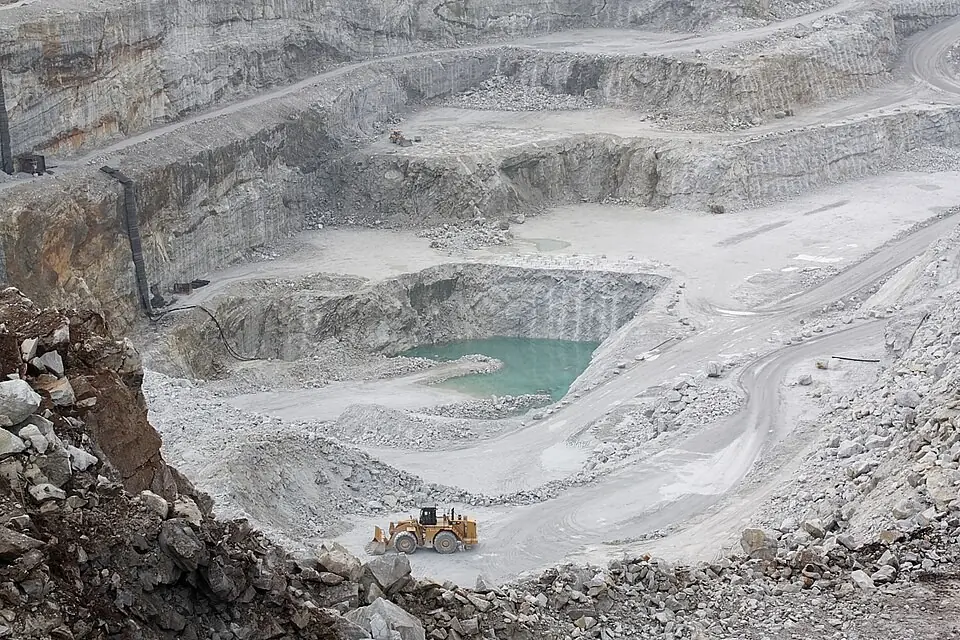
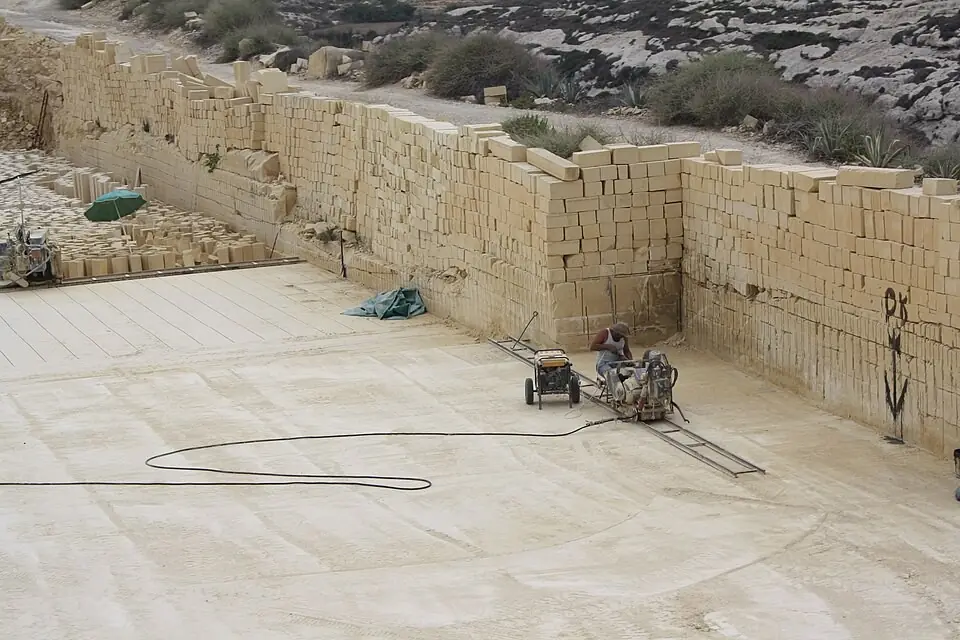
Roptan acts as your limestone supplier in Bangladesh. Tell us the product, the chemistry and the tonnage, and we source cement grade limestone, quicklime, hydrated lime or dolomite from verified sellers, check the analysis of each lot and deliver to your plant or site.

  • Verified sellers
  • Checked before it ships
  • Delivered by Roptan

Get limestone sourced

Prefer to deal with suppliers yourself? Post it on the requirement board

Limestone products

Pick a product and we source it for you, or send one requirement that covers several.

Buying limestone in Bangladesh

Limestone is rock made mostly of calcium carbonate. Burnt in a kiln it becomes quicklime; slaked with water, hydrated lime. Cement and glass plants use limestone and dolomite, steel mills use lime and dolomite as flux, and tanneries at Savar, sugar mills and effluent treatment plants use hydrated lime. Feed mills and fish farms buy ground limestone and dolomite. Most of it is imported, so chemistry varies by source and one trade name can mean two compounds.

As your limestone supplier in Bangladesh, Roptan takes the chemistry, size and packing you need, sources from sellers we have verified, matches each lot's analysis to your limits and delivers to Dhaka, Gazipur, Narayanganj, Chattogram (Chittagong) or your plant on dates fixed in the quote. You deal with Roptan only, or post the requirement on the board.

Limestone we source

Cement grade limestone

Lump or crushed limestone high in calcium carbonate and low in magnesia and silica, the main raw material for clinker and a constituent of blended cement. Cement plants buy it by the shipload against a chemical specification.

Lime powder

A loose trade name. It can mean ground limestone (calcium carbonate), sold by mesh for feed, ponds, paint and plastics, or hydrated lime (calcium hydroxide), a different chemical at a different price. Name the compound and fineness.

Quicklime

Limestone burnt in a kiln to calcium oxide, for steel making, water and effluent treatment and sugar refining. About 1.8 tonnes of limestone go into each tonne, so it costs more. It reacts with water and must stay dry.

Limestone chips

Crushed and screened limestone in set sizes, such as 10 to 40 mm, for lime kiln feed, calcite beds that raise the pH of soft water, and poultry grit. A tight size range burns more evenly in a kiln.

Dolomite

Used in glass, as a flux in steel making, and as a soil and pond conditioner where magnesium is also needed. Pure dolomite carries about 21.9% MgO, so cement plants keep it out of kiln feed.

Hydrated lime

Quicklime slaked with water into calcium hydroxide, safer to handle than quicklime, for pH correction in effluent and water treatment, tannery liming, mortar and soil stabilisation. It carries less calcium per tonne, so compare on available lime.

What to tell a limestone supplier in Bangladesh

End use
Name the process: kiln feed, cement blending, steel, glass, ETP or water treatment, sugar, feed or ponds. Each has its own chemistry, size and impurity limits.
Chemistry limits
State the minimum CaCO3 or CaO and the maximum MgO, SiO2, Fe2O3 and loss on ignition, each on the lot's own analysis by XRF or wet analysis to ASTM C25.
Magnesia for cement
EN 197-1 caps MgO in clinker at 5.0% and needs at least 75% CaCO3 in limestone used as a cement constituent. Dolomitic stone can push magnesia over the limit.
Size or fineness
Give the lump range in mm for kilns and crushers, or the mesh or micron size for powders, for example 200 mesh (about 75 microns), with a maximum residue on a stated sieve.
Reactivity of quicklime
Ask for available CaO and a slaking rate result to ASTM C110, and test a sample on delivery if the lot waited in transit.
Packing and moisture
Bulk by weighbridge, bags of a stated net weight, or one-tonne jumbo bags. Quicklime and powders need lined, sealed bags and covered trucks in the monsoon.
Quantity and call-offs
Give the total tonnage and the monthly draw. Regular call-offs over a contract usually earn a better rate and keep a kiln or ETP from running short.

Analysis and paperwork to ask for

ASTM C25 and ASTM C110
Chemical analysis of limestone, quicklime and hydrated lime, including available lime and loss on ignition, and the physical tests, including fineness and the slaking rate that shows how reactive a quicklime is.
EN 197-1 and EN 459-1
The cement standard, with the 75% CaCO3 minimum for limestone as a constituent and the 5.0% MgO cap on clinker, and the building lime standard with classes such as CL 90.
Safety data sheet to GHS
Quicklime and hydrated lime irritate skin and can seriously damage eyes, and quicklime heats up with water. Ask for the SDS and plan gloves, goggles and dry storage.
VAT invoice, Mushak 6.3
The VAT invoice under the VAT and Supplementary Duty Act 2012, issued with each supply for your accounts and audits.

What moves the price of limestone and lime

  • Purity: higher CaCO3 or CaO with lower magnesia, silica and iron costs more per tonne.
  • Processing: crushing, fine grinding, burning and slaking each add cost, and quicklime needs about 1.8 tonnes of limestone per tonne.
  • Packing: lined bags and jumbo bags cost more than bulk but cut handling losses and spoilage.
  • Origin and freight: land port imports, sea imports and local stock carry different transport costs to your plant.
  • Quantity and terms: shiploads and monthly contracts lower the rate; imported lots move with the exchange rate, and credit is priced in.

Lead times and delivery

Bagged lime powder, hydrated lime and quicklime from stock in Dhaka or Chattogram usually arrive within a week. Truck loads of limestone or dolomite from a land port typically take two to four weeks, and a sea-borne lot several weeks longer; monsoon rain and port congestion add days. Minimums are usually a few tonnes for bagged goods and a full truck for bulk. Roptan confirms dates and minimums in the quote.

Quotes are for delivery to your plant or site unless you ask for an ex-warehouse price. Bulk limestone moves in covered trucks, or by lighter vessel from the port to a river jetty, with a weighbridge slip for each truck; bagged goods are counted and sample bags check-weighed. Quicklime travels dry, sealed and away from water, with its SDS. You receive a VAT invoice (Mushak 6.3).

What we check for this order

  • Trade licence and sourceThe seller's trade licence and the quarry or import origin, since chemistry follows the deposit.
  • Chemical analysis per lotCaO, MgO, silica, iron and loss on ignition for the lot delivered, not one typical sheet reused for every delivery.
  • Weighbridge and bag weightsA weighbridge slip for every bulk truck, and sample bags check-weighed against the printed net weight before you pay.
  • Delivery schedule in the quoteTonnage and dates fixed in the quote, with dry, covered transport for quicklime and powders.

Questions buyers ask

Is lime powder the same as hydrated lime?

Not always. Some sellers use the name for ground limestone (calcium carbonate), which acts slowly and does not react with water; others use it for hydrated lime (calcium hydroxide), which raises pH fast. Name the compound or the use, and we source against a test report that names it.

How should I compare quicklime quotes?

On price per tonne of available lime, not per tonne of product. Divide each delivered price by the available CaO on the lot's analysis, then check the slaking rate. A lower price with less available lime or slow reactivity costs more per batch treated.

Can dolomite replace limestone in cement?

Usually not. Dolomite carries magnesia, and EN 197-1 caps MgO in clinker at 5.0%, so cement plants keep it out of kiln feed and blends. Dolomite suits glass, steel flux, pond treatment and fertiliser blends. We quote the two as separate lots with separate analyses.

How should quicklime be stored in the monsoon?

Dry, covered and off the floor, in sealed bags or a closed silo, away from water and anything that can burn. Damp air slowly slakes quicklime, lowering its reactivity and splitting bags as it swells. Order what you will use soon, and test reactivity if a lot has waited.

Which lime suits an effluent treatment plant?

Hydrated lime is the usual choice for raising pH and helping solids settle, dosed as milk of lime. Large plants sometimes buy quicklime and slake it on site to save cost. Tell us your monthly use, dosing method and storage, and we set a call-off schedule.

How soon will I hear back about limestone?

Within 48 hours of a complete requirement, with a price and a delivery date. A requirement is complete when it has the quantity, where it is needed and by when.

Who do I deal with?

With Roptan, when Roptan manages the order: we buy from the verified seller and deliver to you. With the supplier directly, when you post on the requirement board and choose a quote yourself.