Managed sourcing from Bangladesh, for export and for buyers at home
Get it sourced

Construction and minerals

Bitumen supplier in Bangladesh

Roptan acts as your bitumen supplier in Bangladesh. Tell us the grade, packing and tonnage, and we source 60/70 and 80/100 penetration grade bitumen, emulsion and cutback from verified sellers, check each lot's test certificate and deliver drums or bulk to your plant or site.

  • Verified sellers
  • Checked before it ships
  • Delivered by Roptan

Get bitumen sourced

Prefer to deal with suppliers yourself? Post it on the requirement board

Bitumen products

Pick a product and we source it for you, or send one requirement that covers several.

Buying bitumen in Bangladesh

Bitumen binds the asphalt on highways, city streets and rural roads, and seals roofs and basements against water. Road contractors working for RHD, LGED and city corporations buy most of it, with asphalt plant owners and waterproofing contractors in Dhaka, Chattogram (Chittagong), Gazipur and Sylhet. Much of it is imported, in drums or bulk, and some is produced locally. The grade on a label means little without a test certificate for the lot.

As your bitumen supplier in Bangladesh, Roptan takes the grade, packing, tonnage and paving schedule, sources from sellers we have verified, checks each lot's certificate against the grade limits your contract uses, and confirms one delivered price per net tonne with call-off dates in the quote. You deal with Roptan only, or post the requirement on the board.

Bitumen we source

Bitumen 60/70

Penetration grade bitumen: a standard needle sinks 60 to 70 tenths of a millimetre into it at 25 °C. The harder of the two paving grades, it resists rutting under heavy axle loads and summer heat, so it is the usual choice for highways.

Bitumen 80/100

Penetration of 80 to 100 at 25 °C: softer and easier to work, used where the design calls for it, such as lighter traffic and surface dressing. It is not a cheaper substitute for 60/70; it ruts sooner under heavy summer traffic.

Bitumen emulsion

Bitumen dispersed in water with an emulsifier, sprayed cold for tack coats, surface dressing and patching. Grades are rapid, medium or slow setting, cationic or anionic, to ASTM D2397 or D977. It separates if stored too long.

Cutback bitumen

Bitumen thinned with a petroleum solvent such as kerosene, mainly MC-30 for prime coats on a granular base. The solvent evaporates after spraying, so part of what you pay for leaves the road, and it is flammable.

Bitumen in drums

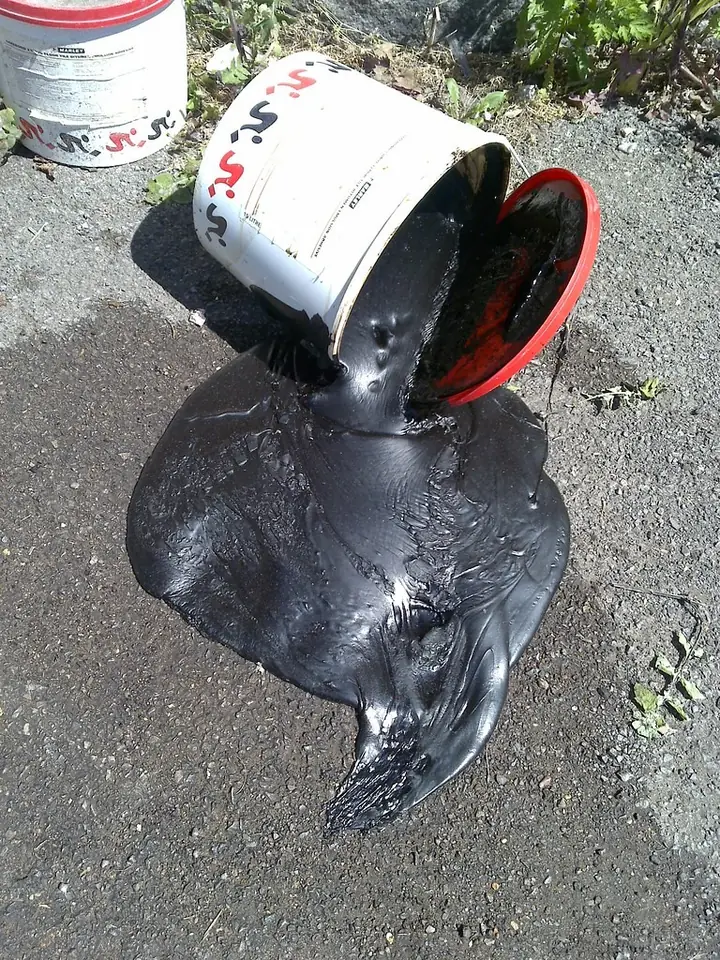
Bitumen filled hot into steel drums, the usual form for small plants, scattered sites and patching. Drums need heating to decant, some product stays on the drum wall, and net weights vary, so compare quotes per net tonne.

Bulk bitumen

Bitumen delivered hot in insulated tankers and pumped into heated storage at the asphalt plant. It removes drum cost, waste and decanting time, so it usually costs less per tonne, but it needs a heated tank and a full tanker call-off.

What to tell a bitumen supplier in Bangladesh

Grade and specification
Copy the grade and specification from your contract, for example 60/70 penetration grade to ASTM D946. A near match can fail the consultant's test.
The job
Asphalt wearing course, prime coat, tack coat, patching, surface dressing or waterproofing. The job decides whether you need penetration grade bitumen, emulsion or cutback, and which grade.
Acceptance tests per lot
Penetration at 25 °C (ASTM D5), softening point (ASTM D36), ductility (ASTM D113) and flash point (ASTM D92) on each lot's certificate, with the lot number marked on drums or the tanker note.
Hardening in the plant
For hot mix, ask for thin film or rolling thin film oven results (ASTM D1754 or D2872). They show how much the binder hardens during mixing.
Drums or bulk
Drums with a stated net weight per drum suit small sites. Bulk by heated tanker needs a heated tank and a pump at your plant.
Quantity and call-offs
Give the total tonnage and weekly call-offs tied to the paving plan, so drums do not sit for weeks in the sun and bulk tanks do not run dry.
Season, site and rejection
Paving stops in rain, so plan deliveries for the dry season. Give the site address, truck access and how drums are unloaded, and agree in the quote what happens to a lot that fails your site test.

Grades, tests and paperwork for bitumen

ASTM D946
The specification for penetration-graded bitumen for paving; 60-70 is one of its grades. 80/100 is sold in Bangladesh but is not a D946 grade, so for 80/100 name the specification and limits your contract applies.
ASTM D5 and ASTM D36
Penetration at 25 °C (100 g, 5 s) and ring and ball softening point: the two results that confirm the grade. A higher softening point means less rutting in hot weather.
ASTM D2397, D977 and D2027
Specifications for cationic and anionic emulsified asphalt, and for medium curing cutbacks such as MC-30 and MC-70. Ask which grade the product meets, with residue and storage stability results for emulsion.
Certificate, SDS and VAT invoice
A lot certificate from the refinery or an accredited lab, a safety data sheet to GHS, since hot bitumen burns and cutback is flammable, and a VAT invoice (Mushak 6.3) with each supply.

What moves the price of bitumen

  • Crude oil prices and the exchange rate, which move import offers from month to month.
  • Packing: drums add the cost of the drum, filling and handling; bulk avoids them but needs heated transport and storage.
  • Net weight per drum: fill varies between sellers, so a lower price per drum can be dearer per tonne.
  • Type: emulsion and cutback carry water or solvent, so compare them on residual bitumen.
  • Season and terms: demand peaks in the dry months, and credit is priced into the rate.

Lead times and delivery

Drummed 60/70 and 80/100 from stock in Chattogram, Dhaka or Khulna usually reach site within a week. Bulk loads depend on a heated tanker slot and typically take one to two weeks. Emulsion is often made to order because of its storage life, and imported lots typically take several weeks; paving-season demand stretches every range. Minimums are usually one truck of drums or one tanker. Roptan confirms dates and minimums in the quote.

Quotes are for delivery to your plant or site unless you ask for an ex-depot price. Drums travel by truck and should come off with a ramp or forklift, not be rolled off the tail, which splits them; bulk arrives hot in insulated tankers with a weighbridge slip. Each lot's certificate travels with the load, and drums carry the lot number. You receive a VAT invoice (Mushak 6.3).

What we check for this order

  • Trade licence and sourceThe seller's trade licence and whether the lot was refined locally or imported, so the grade traces to its batch.
  • A test certificate per lotPenetration, softening point, ductility and flash point for this lot, not a certificate reused from an earlier shipment.
  • Weighbridge and drum countTankers weighed full and empty, and drum count with net weight checked on sample drums.
  • Delivery schedule in the quoteCall-off dates written into the quote and matched to your paving programme.

Questions buyers ask

Should I use 60/70 or 80/100 bitumen?

Use the grade your contract or consultant specifies. If the choice is yours, 60/70 is harder and resists rutting under heavy traffic and summer heat; 80/100 is softer and easier to work for lighter roads and surface dressing. Swapping grades to save money risks rutting and a rejected job.

Do you quote bitumen per drum or per tonne?

Per net tonne, with the drum count and net weight per drum shown. Drum quotes are hard to compare because fill weights differ between sellers and some bitumen always stays on the drum wall. We state both figures so you can compare like for like.

What is the difference between emulsion and cutback?

Both make bitumen fluid without much heating. Emulsion carries bitumen in water; it gives off little vapour and is safer to handle. Cutback carries it in a petroleum solvent that evaporates and is flammable. Use the one your specification names.

How can I check the grade on delivery?

Send a sealed sample to a lab for penetration at 25 °C and softening point. A result outside the grade range means the lot is not the grade ordered, or it was overheated. We can arrange sampling from your delivery and an independent test before you accept the lot.

Is it safe to heat bitumen drums on site?

Only with care. Water inside a drum turns to steam in hot bitumen and makes it foam over, so keep drums dry and heat them slowly. Overheating hardens bitumen and raises fire risk. Follow the heating range on the seller's data sheet and SDS.

How soon will I hear back about bitumen?

Within 48 hours of a complete requirement, with a price and a delivery date. A requirement is complete when it has the quantity, where it is needed and by when.

Who do I deal with?

With Roptan, when Roptan manages the order: we buy from the verified seller and deliver to you. With the supplier directly, when you post on the requirement board and choose a quote yourself.