
Managed sourcing from Bangladesh, for export and for buyers at home
Get it sourced

Construction and minerals

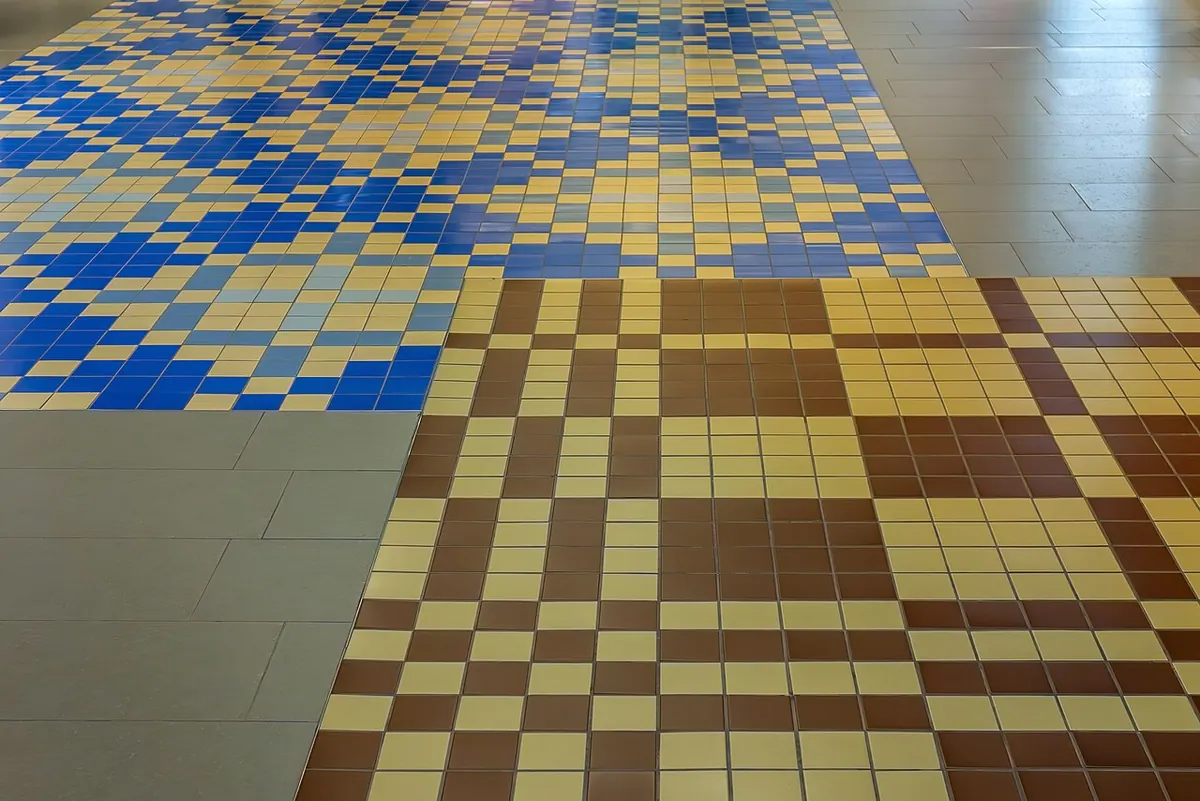
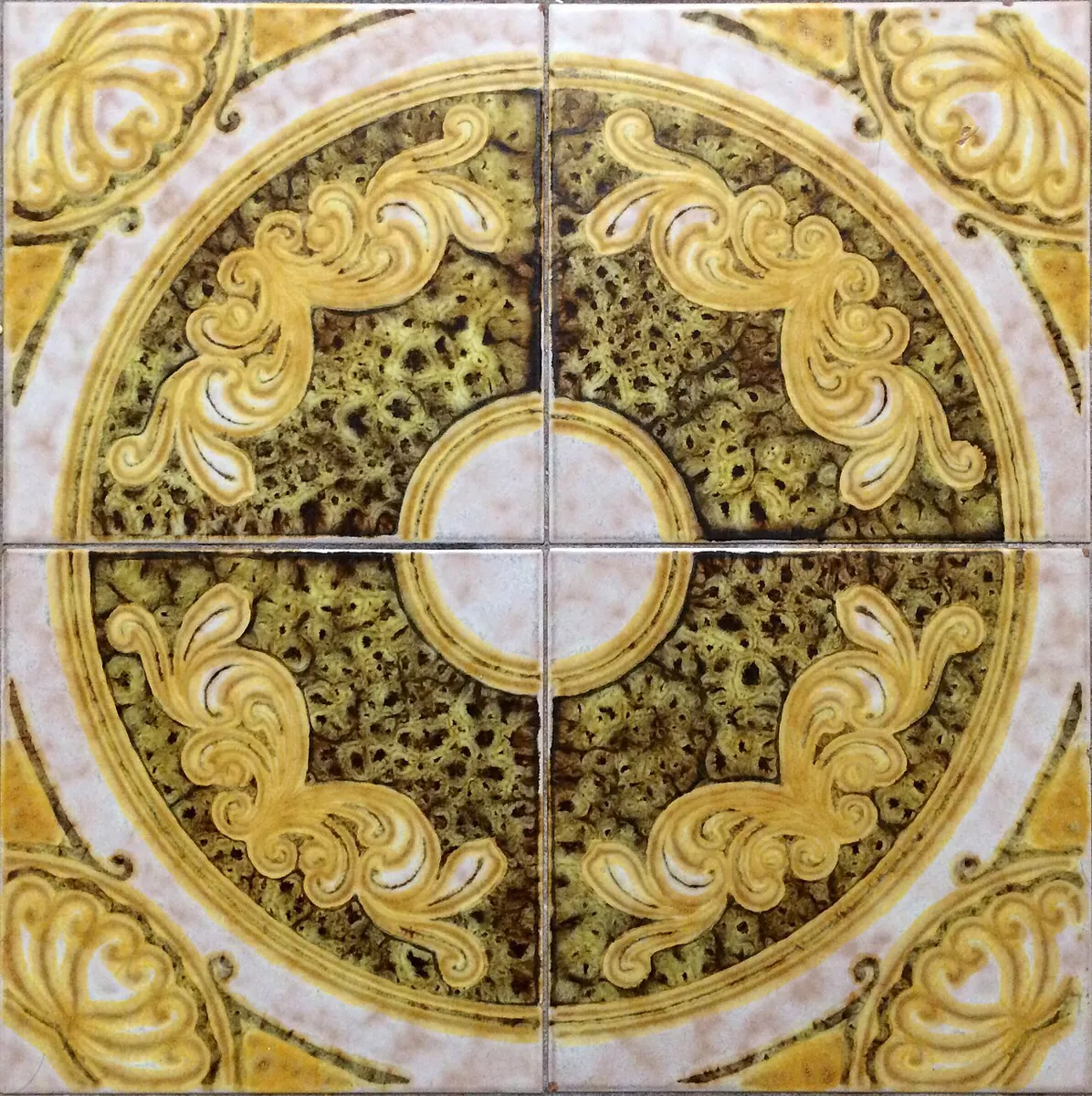
Ceramic tile manufacturer in Bangladesh

Looking for a ceramic tile manufacturer in Bangladesh? Send the size, finish, use, area and site. We source floor, wall and porcelain tiles, toilets and basins, and bricks from verified makers, check test reports, shade and calibre per lot, and deliver or ship FOB Chattogram.

  • Verified sellers
  • Checked before it ships
  • Delivered by Roptan

Get ceramic tiles and sanitary ware sourced

Prefer to deal with suppliers yourself? Post it on the requirement board

Ceramic tile products

Pick a product and we source it for you, or send one requirement that covers several.

Buying ceramic tiles and sanitary ware in Bangladesh

Bangladesh makes glazed ceramic and porcelain tiles, vitreous china sanitary ware, refractory bricks and fired clay bricks. Developers, contractors, hotels and hospitals in Dhaka, Chattogram and Sylhet buy tiles by the thousand square metres, importers abroad buy container loads, and industry buys refractories for boilers, kilns and furnaces. A ceramic tile manufacturer in Bangladesh should state the ISO 13006 group, test results and batch codes for every lot.

Send the tile schedule or sanitary list; we match it to verified makers, put quotes on one basis of body, grade, size, thickness, packing and delivery point, check the test report, confirm that one shade and calibre batch covers each area, and inspect the packed pallets. You deal with Roptan only.

Ceramic tiles and sanitary ware we source

Floor tiles

Glazed ceramic or porcelain tiles for floors, commonly from 300 × 300 to 600 × 1200 mm. Specify abrasion class to ISO 10545-7 (PEI 3 or higher for most home floors), breaking strength and, for wet areas, slip resistance by a named test.

Wall tiles

Glazed wall tiles with water absorption above 10 per cent, group BIII, often 300 × 600 mm, for bathrooms and kitchens. They are light and easy to cut, but not for floors or outdoor walls.

Porcelain tiles

Tiles with water absorption of 0.5 per cent or less, group BIa, glazed, polished or full body, for busy floors, facades and outdoor areas; they resist frost. Large formats need a flat substrate and a C2 adhesive to EN 12004.

Toilets and basins

WCs, basins, pedestals and urinals in vitreous china. Specify S or P trap and rough-in distance, flush volume in litres, tap holes and the standard: EN 997 and EN 14688 for Europe, or ASME A112.19.2 for North America. Buy seat, cistern and fittings as one tested set.

Refractory bricks

Shaped bricks for boilers, kilns and furnaces, graded by alumina content and service temperature: fireclay for moderate heat, high-alumina for hotter zones, insulating bricks for the backing layer. Specify Al2O3 per cent, bulk density, cold crushing strength, porosity and refractoriness under load, tested per lot.

Clay bricks

Fired clay bricks for walls and foundations, graded locally as first class, second class and picked jhama, over-burnt bricks often broken into chips for aggregate. Specify class, compressive strength and water absorption, tested to ASTM C67, and check the kiln's licence and environmental clearance.

How to brief a ceramic tile manufacturer in Bangladesh

Group and use
The ISO 13006 group, for example BIa for porcelain or BIII for wall tiles, matched to floor or wall, indoor or outdoor, dry or wet use.
Size, thickness and edges
Work size in mm, thickness, and rectified or non-rectified edges, with tolerances to ISO 10545-2. Rectified tiles allow narrow joints but cost more.
Grade and surface
First or commercial grade, stated on the carton, and the surface: glossy, matt, satin or textured. Glossy floors are slippery when wet.
Strength, abrasion and slip
Breaking strength to ISO 10545-4, abrasion class to ISO 10545-7 for glazed floors, and a named slip test and value for wet floors and ramps.
Shade, calibre and spare
One shade and calibre batch per area, printed on every carton, since a later batch can differ in tone and size, plus 5 to 10 per cent for cuts and breakage, more for diagonal layouts.
Sanitary and refractory details
For sanitary ware, your drain layout, outlet distance and basin mounting; for refractories, the kiln or furnace type, working temperature, fuel and brick shapes.

Tile, sanitary ware and brick standards

ISO 13006 and EN 14411
Definitions, classification, characteristics and marking of ceramic tiles by water absorption and forming. In the EU, tiles carry CE marking with a declaration of performance to EN 14411.
ISO 10545 series
Test methods: dimensions (part 2), water absorption (3), breaking strength (4), glazed abrasion (7), frost (12), chemicals (13) and stains (14).
DIN 51130, DIN 51097, EN 16165 and ANSI A137.1
Slip resistance: the shod ramp test giving R9 to R13, barefoot classes A, B and C, the pendulum test, and in the US a dynamic coefficient of friction of at least 0.42 for level wet interior floors.
EN 997, EN 14688 and ASME A112.19.2
WC pans and suites, wash basins and ceramic plumbing fixtures: function, flushing and load tests. Ask for the report on your model.
Refractory and brick tests
ASTM C27 classes fireclay and high-alumina brick and ASTM C133 tests its crushing strength; ASTM C67 tests clay brick, and kilns need a licence under the Brick Manufacturing and Brick Kiln Establishment (Control) Act 2013.

What moves the price of tiles and sanitary ware

  • Body and size: porcelain and large formats cost more to make, pack and ship.
  • Surface and edge: polished, rectified, full-body, textured or digitally printed finishes each add cost.
  • Grade: first grade costs more than commercial grade, which allows more surface faults and size variation.
  • Sanitary ware and refractories: glaze, flush fittings and one-piece designs; alumina content and special shapes.
  • Gas: kilns fire on natural gas, so supply cuts raise costs and delay runs.

Lead times and delivery

Typical ranges: stock tiles and sanitary ware usually ship within one to two weeks, made-to-order designs, sizes or colours in three to eight weeks, and refractory bricks in two to six weeks, longer for special shapes. Gas supply cuts at kilns and port congestion add time. Roptan confirms the dates in the quote.

Inside Bangladesh we deliver tiles and sanitary ware to sites and showrooms in Dhaka, Chattogram, Sylhet, Gazipur and elsewhere, with shade and calibre codes listed per pallet. Breakage is recorded on delivery and replaced under the terms in the quote. You receive the delivery challan, the test report, the maker's warranty on sanitary fittings and a VAT invoice (Mushak 6.3); installation is arranged through the seller where you ask.

Buying ceramic tiles and sanitary ware for export

For importers we quote FOB Chattogram (Chittagong), with tiles on strapped pallets or in crates, usually in 20 ft containers, since tiles reach the weight limit first. Documents: commercial invoice, packing list by shade and calibre, bill of lading, certificate of origin, a REX statement on origin for EU GSP or UK DCTS paperwork, ISO 10545 test reports and, for the EU, the declaration of performance. We inspect shade, calibre, faults and packing to ISO 2859-1 before loading, and agree the breakage allowance. Payment is usually by letter of credit.

What we check for this order

  • Trade licence and source of materialCurrent papers in the name on the quote, and the plant that fired the tiles, so the test report matches the product.
  • A test report per lotWater absorption, strength and abrasion class for the batch you receive, dated, not one report reused for every delivery.
  • Shade, calibre and count on deliveryBox codes, box counts and pallets checked against the packing list, truck weight recorded, and breakage noted before signing.
  • A delivery schedule agreedDates and quantities per floor or phase written into the quote, so one batch covers each area.

Questions buyers ask

What is the difference between ceramic and porcelain tiles?

Water absorption. Porcelain tiles absorb 0.5 per cent or less (group BIa), so they are dense and suit heavy traffic and outdoor floors; ceramic floor tiles absorb more and cost less. Ask for the ISO 10545-3 result on your batch, since some tiles sold as porcelain are not.

What do shade and calibre codes on boxes mean?

Each production batch varies slightly in colour (shade) and size (calibre), and boxes carry both codes. Tiles for one room must share them, or colour and joints will not line up. Keep a few spare boxes from the same batch for repairs.

Which tiles suit a wet bathroom floor?

A floor tile with a slip rating for wet, barefoot use, such as a DIN 51097 class or the pendulum value your project sets, in a matt or textured surface. Use a C2 adhesive for porcelain, and waterproof the floor before tiling.

How do I compare tile quotes like for like?

Put them on the same size, thickness, body, finish, grade, edge and packing, and the same delivery point, with square metres per carton and a breakage allowance. A lower price often means commercial grade, a thinner tile or mixed batches.

Which refractory brick do I need for a boiler or furnace?

It depends on the maximum temperature, atmosphere and wear on the lining. Send the working temperature, fuel and brick shapes, or the certificate of the brick you use now; the seller proposes the grade, and we check the test figures per lot.

How soon will I hear back about ceramic tiles and sanitary ware?

Within 48 hours of a complete requirement, with a price and a delivery date. A requirement is complete when it has the quantity, where it is needed and by when.

Who do I deal with?

With Roptan, when Roptan manages the order: we buy from the verified seller and deliver to you. With the supplier directly, when you post on the requirement board and choose a quote yourself.