Buying cement and concrete products in Bangladesh
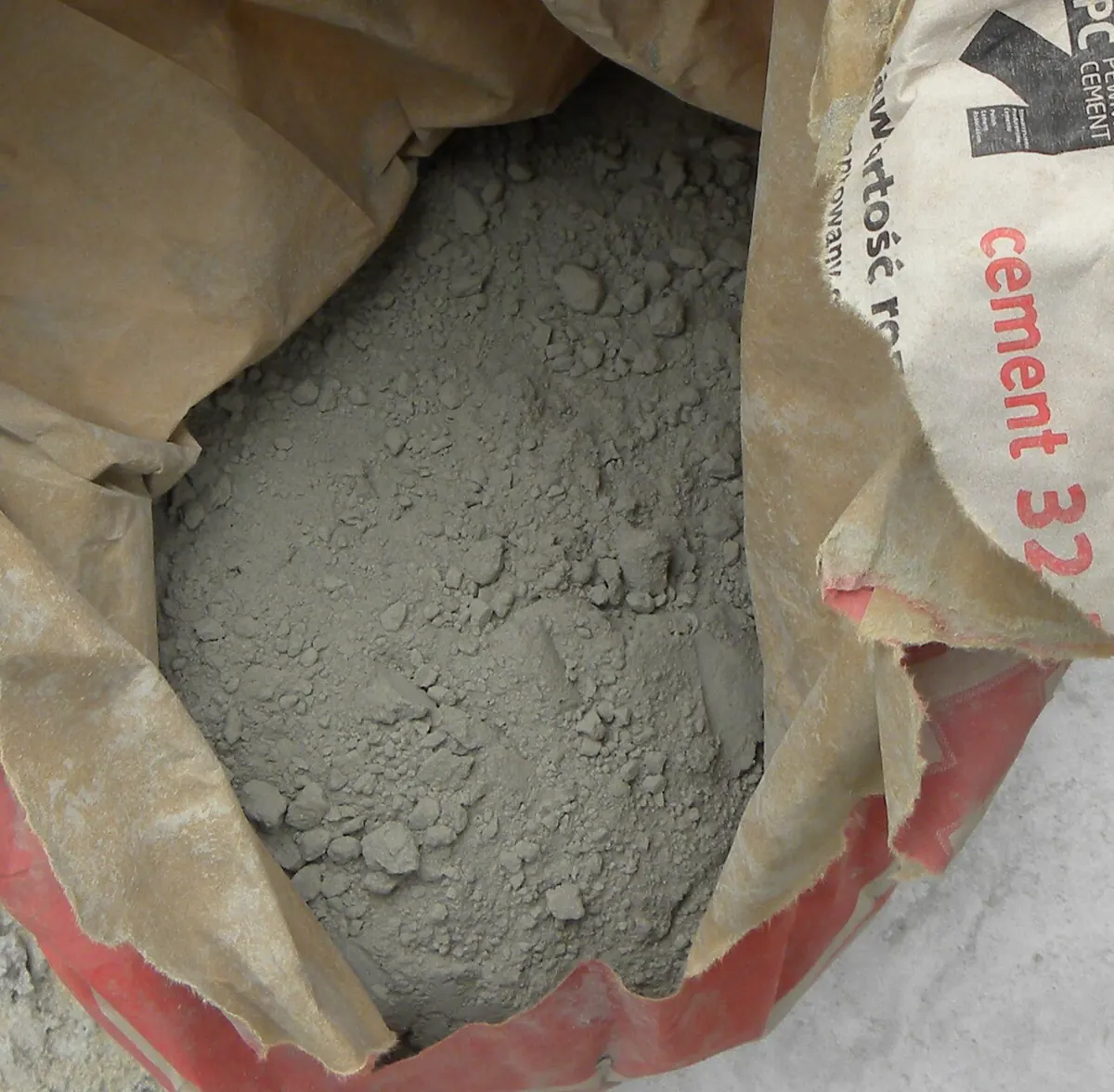
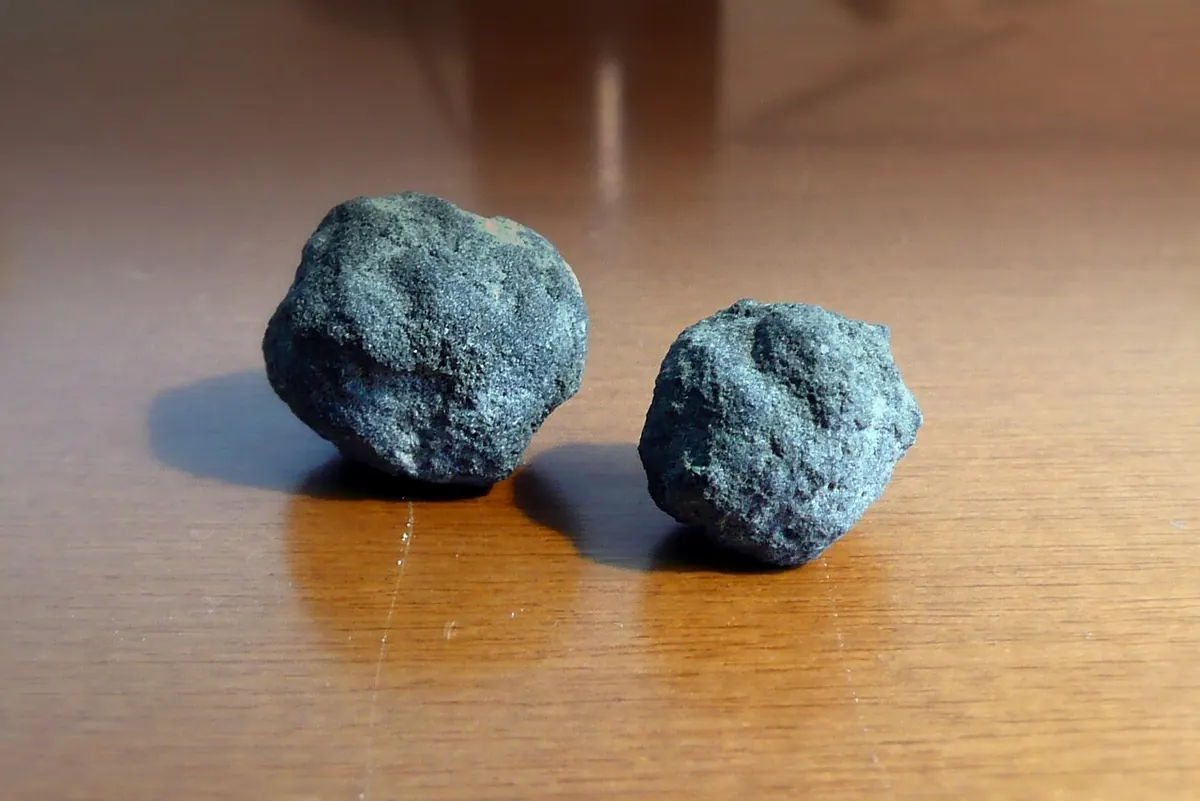
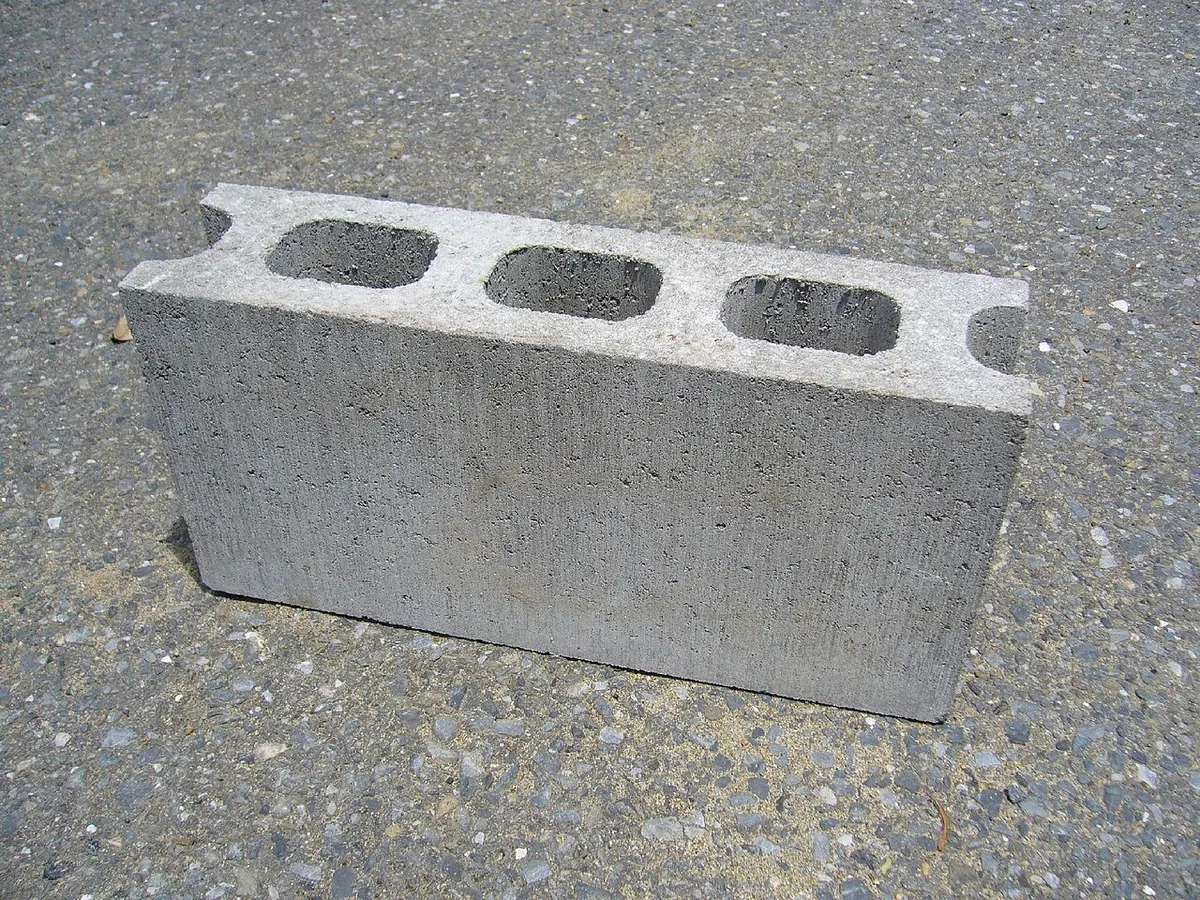
Cement in Bangladesh is ground mostly from imported clinker at mills on the rivers near Dhaka, Narayanganj and Chattogram, and sold in 50 kg bags or in bulk. Contractors, developers, ready-mix and block plants and precast yards buy it weekly, and importers abroad buy cement, clinker and precast products by the lot. A cement supplier in Bangladesh should state the type and strength class to BDS EN 197-1 and give a test certificate for each lot.
Tell us the type, class, tonnage, site and schedule; we match it to verified sellers, put quotes on one basis of type, class, bag or bulk, delivery point and payment terms, check the mill certificate for each lot, weigh each truck and agree the call-off dates. You deal with Roptan only.
How to order from a cement supplier in Bangladesh
- Type and standard
- CEM I, CEM II or CEM III under BDS EN 197-1, or ASTM C150 and C595 types for projects written to American codes. The certificate should name the standard.
- Strength class
- 32.5, 42.5 or 52.5, with N or R for normal or rapid early strength, meaning the minimum MPa on mortar prisms to EN 196-1 at 28 days. A different class changes the concrete design.
- Test certificate
- One per lot, naming the standard and the lot, with independent tests if your consultant asks for them, and who pays.
- Packing and age
- 50 kg bags, PP woven or paper, with the packing date printed, jumbo bags, or bulk in tankers for plants with silos.
- Delivery and access
- Site address, truck access hours, unloading and daily tonnage. Truck movement in Dhaka is restricted in the daytime, so city sites often take delivery at night and have little storage.
- Price basis and call-off
- Ex-mill, delivered to site or FOB, whether unloading is included, and the weekly call-off; regular smaller deliveries keep cement fresh.
Standards and test certificates for cement
- BDS EN 197-1
- Composition, specifications and conformity criteria for common cements, adopted in Bangladesh from EN 197-1: types CEM I to CEM V and classes 32.5, 42.5 and 52.5. Check the type and class printed on the bag.
- BSTI certification mark
- Cement is on BSTI's list of products that need its certification mark. Check that the mill's licence is current and covers the exact type you buy.
- EN 196 series and ASTM C109
- Test methods behind the certificate: EN 196-1 for strength on 40 × 40 × 160 mm prisms, EN 196-3 for setting time and soundness, EN 196-6 for fineness; ASTM C109 tests strength on mortar cubes.
- ASTM C150, C595 and C989
- Portland cement types I to V, blended hydraulic cements, and slag cement for concrete, for projects or buyers that specify American standards.
- Weighbridge verification
- Weighbridges used to sell by weight are verified by BSTI under its metrology role; ask for the slip for each truck.
Lead times and delivery
Typical ranges: bagged cement from stock usually reaches sites around Dhaka and Chattogram within a few days, and large schedules run on weekly or per-pour call-offs. Export lots, clinker and precast products usually take two to six weeks, longer for new moulds. Floods, road restrictions and port congestion add time. Roptan confirms the dates in the quote.
We deliver bagged cement by truck to sites in Dhaka, Chattogram, Gazipur, Narayanganj, Sylhet and elsewhere, and bulk by river vessel where the site has a jetty. Each truck comes with a weighbridge slip, a delivery challan and the lot's test certificate, and you receive a VAT invoice (Mushak 6.3). Bags are counted and damp or torn bags recorded on unloading.
Buying cement and concrete products for export
For buyers abroad we quote FOB Chattogram (Chittagong) or Mongla for bagged or bulk cement and clinker, in containers or in a vessel's hold, or delivery through a land port. Cement is heavy, so a 20 ft container reaches its weight limit before it is full. Documents: commercial invoice, packing list, bill of lading, certificate of origin, a mill test certificate and weight certificate per lot, and a third-party inspection report with a draft survey for bulk. Since 28 day strength comes after sailing, agree which results release payment; payment is usually by letter of credit.
Questions buyers ask
What is the difference between OPC and PCC cement?
OPC (CEM I) is almost all clinker and gypsum and gains strength fast. PCC (CEM II) replaces part of the clinker with slag, fly ash or limestone, gains strength more slowly, gives off less heat and suits most general building. Use the type and class your structural engineer specifies.
Which cement suits coastal or marine work?
Slag cement, CEM III or a slag-rich blend, resists chloride and sulphate attack better than OPC. Near the coast at Chattogram, Khulna or Cox's Bazar, tell us the exposure and follow your engineer's concrete mix.
What should a cement test certificate show?
The type and strength class, the lot or date, and results: compressive strength at 2 or 7 and 28 days, initial and final setting time, fineness, soundness, SO3, chloride and loss on ignition. Match the lot number to the bags delivered.
How long can cement be stored on site?
Use it within weeks rather than months. Cement takes up moisture from humid air and loses strength, faster in the monsoon. Store bags on pallets, under cover and away from walls, in stacks of no more than about 10 bags, oldest first. Hard lumps that do not crumble between the fingers mean it has started to set.
How do I compare cement quotes?
Put them on the same type, class, standard, packing, delivery point, unloading and payment terms. A lower price can mean a lower class, an ex-mill price without transport, or credit terms that cost you elsewhere.
How soon will I hear back about cement and concrete products?
Within 48 hours of a complete requirement, with a price and a delivery date. A requirement is complete when it has the quantity, where it is needed and by when.
Who do I deal with?
With Roptan, when Roptan manages the order: we buy from the verified seller and deliver to you. With the supplier directly, when you post on the requirement board and choose a quote yourself.