Managed sourcing from Bangladesh, for export and for buyers at home
Get it sourced

Construction and minerals

Coal supplier in Bangladesh

Roptan acts as your coal supplier in Bangladesh. Tell us the use, grade and tonnage, and we source steam coal, kiln coal, coke or anthracite from verified sellers, check each lot's analysis on the basis your contract uses, and deliver with weighbridge slips.

  • Verified sellers
  • Checked before it ships
  • Delivered by Roptan

Get coal sourced

Prefer to deal with suppliers yourself? Post it on the requirement board

Coal products

Pick a product and we source it for you, or send one requirement that covers several.

Buying coal in Bangladesh

Coal fires brick kilns, factory boilers and re-rolling mills across Bangladesh, while coke and anthracite serve foundries, steel melting and water filters. The country mines little coal of its own, so buyers depend on imports: by sea from Indonesia, South Africa and Australia through Chattogram (Chittagong), and overland from India. Buy by heat, not by look: calorific value, ash, moisture and sulphur decide what a tonne is worth.

As your coal supplier in Bangladesh, Roptan takes the use, the analysis you need, the size and the tonnage, sources lots from sellers we have verified, compares them on the cost of heat rather than the price per tonne, and confirms one delivered price with dates in the quote. You deal with Roptan only, or post the requirement on the board.

Coal we source

Steam coal

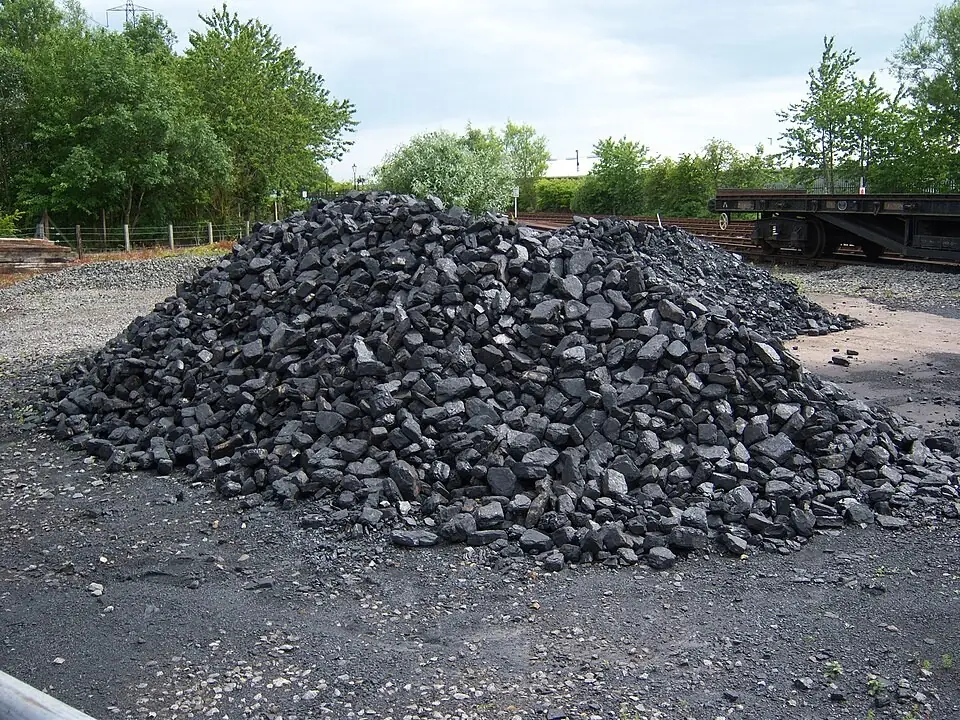
Bituminous or sub-bituminous coal burnt to raise steam in factory boilers, dryers and furnaces. Buy it on gross calorific value, ash, moisture and sulphur on a stated basis, and check the size against your grate or burner.

Coal for brick kilns

Thermal coal sized for the feed holes of zigzag, Hoffmann and tunnel kilns, bought ahead of the dry-season firing. Lower sulphur and ash cost more but ease the emission conditions of your DoE clearance.

Coke

Coal baked without air until hard, porous carbon remains, burnt in foundry cupolas because it burns hot and holds its shape. Buy on fixed carbon, ash, sulphur and lump size. Petroleum coke, a refinery by-product, is a different fuel.

Indonesian coal

Sub-bituminous coal shipped from Indonesia, usually low in ash and sulphur but higher in moisture, so it gives less heat per tonne. Compare offers as received. It can self-heat in large piles, so store it compacted and use it within weeks.

Coal briquettes

Coal fines pressed with a binder into uniform blocks or balls that burn steadily in small boilers, furnaces and kilns and store with less dust. Ask for ash and binder content, crush strength and behaviour in damp storage.

Anthracite coal

The highest rank coal, high in fixed carbon and low in volatile matter, so it burns slowly with little smoke. Used as a carbon raiser in steel and foundry melts and, washed and graded, as filter media in water treatment.

What to tell a coal supplier in Bangladesh

Burning equipment
Say what burns it: fixed or chain grate boiler, fluidised bed, zigzag kiln, cupola or filter. The equipment sets the size, volatile matter and ash it can handle.
Calorific value and basis
State gross calorific value in kcal/kg and the basis: as received (ARB or GAR) or air dried (ADB). The same coal reads higher air dried, so compare on one basis.
Ash, moisture and sulphur
Give a maximum for each. Ash is what you pay to remove, moisture is water you pay freight on, and sulphur makes acid smoke that corrodes economisers and chimneys.
Ash fusion for boilers
Ask for ash fusion temperatures (ASTM D1857). Ash that softens at grate temperature forms clinker that chokes the fire.
Size and fines
Give the size range in mm, for example 0 to 50 mm, and the maximum share of fines. Fines fall through grates and raise dust; oversize lumps burn unevenly.
Sampling and weighing point
Agree where coal is sampled and weighed: load port, discharge or your gate. Weight and quality at your gate are what you burn.
Quantity, season and storage
Give the total tonnage, the monthly draw and your covered storage. Kilns should book before the firing season, when supply tightens, and order to the space they have.

Coal analysis and paperwork to ask for

ASTM D3172
Proximate analysis: moisture, ash, volatile matter and fixed carbon, the four numbers behind every coal grade, on the basis your contract uses.
ASTM D5865 or ISO 1928
Gross calorific value by bomb calorimeter, in kcal/kg or MJ/kg. Check that the report states its basis: as received, air dried or dry.
ASTM D4239
Total sulphur by high-temperature combustion. Sulphur drives corrosion and emissions, so ask for it on every lot.
ASTM D2234 and ASTM D2013
Collection of a gross sample and its preparation. A result means little unless the sample was taken across the whole lot, not from the surface of a pile.
Import certificates and VAT invoice
For ship-borne lots, a certificate of sampling and analysis, a draught survey weight and a certificate of origin; with each supply, a VAT invoice (Mushak 6.3) under the VAT and Supplementary Duty Act 2012.

What moves the price of coal

  • Calorific value: more heat per tonne costs more per tonne, but often less per unit of heat.
  • Moisture and ash: you pay freight on the water, and wet or ashy coal gives less heat for each tonne paid.
  • Origin and freight: sea freight, lighterage at Chattogram, river transport to a ghat and the truck haul to your gate.
  • Season: kiln demand in the dry months lifts prices and stretches supply, so early booking helps.
  • International coal prices, the exchange rate and payment terms, which move import offers month to month.

Lead times and delivery

Coal in stock at yards and river ghats near Dhaka, Narayanganj or Chattogram usually reaches site within a week. Land port lots typically take two to four weeks, and a ship-borne lot bought against a specification several weeks to a few months from contract. Monsoon weather, port congestion and the kiln season stretch these times. Minimums are usually one full truck from stock. Roptan confirms tonnage, quality basis and dates in the quote.

Quotes are for delivery to your kiln or factory unless you ask for an ex-ghat price. Coal moves by lighter vessel to river ghats and then by truck to Dhaka, Gazipur, Narayanganj, Chattogram or Khulna; riverside kilns can take vessel loads. Ask for covered trucks in the monsoon, because rain adds weight you pay for. Every truck is weighed, each lot's analysis is checked before dispatch, and you receive a VAT invoice (Mushak 6.3).

What we check for this order

  • Trade licence and originThe seller's trade licence, the import papers for the lot and the mine or shipment named on them.
  • An analysis per lotProximate analysis, calorific value and sulphur for the actual lot, on the basis your contract uses, not a typical sheet.
  • Weighbridge slip per truckEvery truck weighed, with slips reconciled to the delivery notes and the invoice before payment.
  • Delivery schedule in the quoteDates and tonnages written into the quote, so a kiln's firing season or a boiler's stock does not run short.

Questions buyers ask

What is the difference between GAR and ADB calorific value?

GAR is gross calorific value as received, including all the moisture in the coal as delivered. ADB is on an air dried basis, after surface moisture has gone, so it reads higher for the same coal. Compare offers on one basis; for wet coal, the as received figure is what you burn.

How do I compare coal prices from different sellers?

Compare the cost of heat, not the price per tonne. Convert each quote to a delivered price per unit of calorific value on the same basis, then allow for ash and sulphur. A cheaper tonne with more moisture can cost more per batch of bricks or tonne of steam.

Where do I find an anthracite coal supplier in Bangladesh?

Ask us. We source anthracite for fuel, carbon raising and water filters. For filters, specify effective size, uniformity coefficient and specific gravity, and ask for washed media with low fines; for fuel or carbon raising, specify fixed carbon, ash and sulphur. It is not the usual brick kiln fuel: it is hard to light and costs more than higher volatile coal.

Is Indonesian coal right for my boiler or kiln?

Often, if the equipment was designed for its range. Indonesian coal is usually low in ash and sulphur, which helps with emissions, but higher in moisture, so it gives less heat per tonne. Ask for calorific value as received, check the boiler's design coal, and plan covered storage.

How do I stop a coal stockpile from catching fire?

Keep piles compacted and not too high, avoid heaping fresh coal onto old piles, and use the oldest stock first. Low-rank coal can self-heat in Bangladesh's heat. Check piles with a probe thermometer, and dig out and spread hot spots early.

How soon will I hear back about coal?

Within 48 hours of a complete requirement, with a price and a delivery date. A requirement is complete when it has the quantity, where it is needed and by when.

Who do I deal with?

With Roptan, when Roptan manages the order: we buy from the verified seller and deliver to you. With the supplier directly, when you post on the requirement board and choose a quote yourself.