Managed sourcing from Bangladesh, for export and for buyers at home
Get it sourced

Construction and minerals

Aluminium sheet supplier in Bangladesh

Roptan acts as your aluminium sheet supplier in Bangladesh. Tell us the alloy, temper, thickness and quantity, and we source sheet, coil, chequered plate, composite panels and profiles from verified sellers, check the mill certificate and thickness, and deliver to your workshop or site.

  • Verified sellers
  • Checked before it ships
  • Delivered by Roptan

Get aluminium sheet sourced

Prefer to deal with suppliers yourself? Post it on the requirement board

Aluminium sheet products

Pick a product and we source it for you, or send one requirement that covers several.

Buying aluminium sheet in Bangladesh

Aluminium sheet is light, does not rust and forms easily, so it goes into facades and shopfronts, bus and truck bodies, boats, cold rooms, ducting, signage and windows. Buyers are fabricators in Dhaka, Gazipur and Narayanganj, facade contractors, vehicle body makers and factories in Chattogram (Chittagong). Alloy, temper and coating decide whether a sheet bends cleanly, survives coastal air or keeps its colour, so the grade matters as much as the thickness.

As your aluminium sheet supplier in Bangladesh, Roptan takes the alloy, temper, sizes and finish you need, sources from sellers we have verified, checks the mill certificate, measures thickness and weighs the lot on arrival, and confirms one delivered price per kilogram with dates in the quote. You deal with Roptan only, or post the requirement on the board.

Aluminium sheet we source

Plain aluminium sheet

Flat rolled sheet in alloys such as 1100, 3003 and 5052, from thin gauges to several millimetres, in standard sizes such as 1220 × 2440 mm or cut to size, for cladding, ducting, vehicle bodies, signage and fabrication.

Chequered sheet

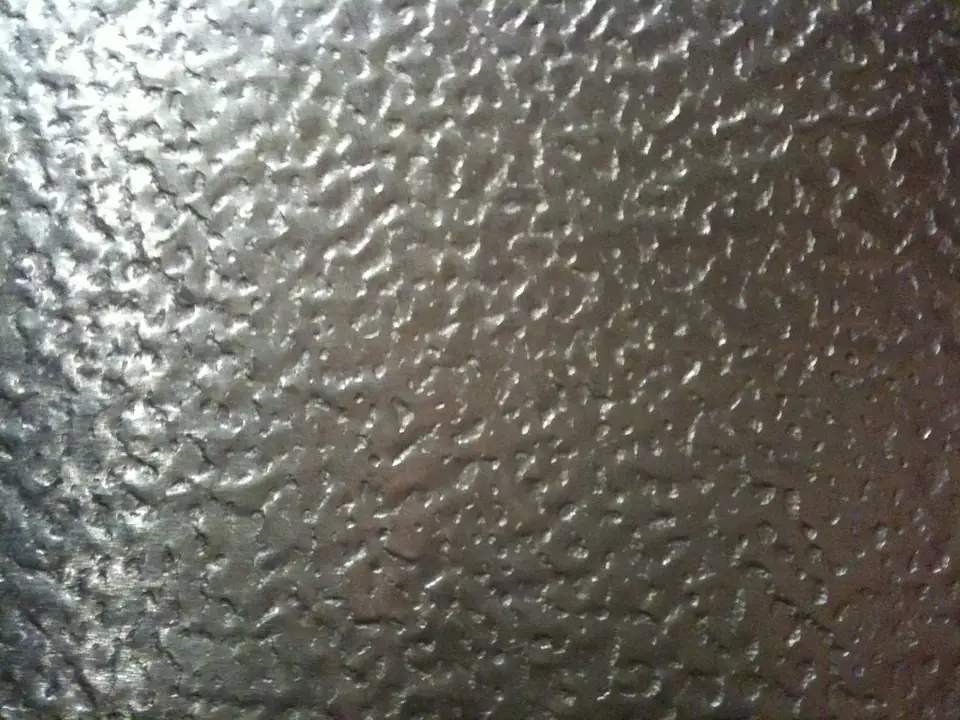
Sheet with a raised diamond or five-bar pattern for floors, stairs, ramps, vehicle and boat decks and trailer beds. Ask whether the stated thickness is measured at the base or over the pattern, because it changes weight and strength.

Aluminium coil

Sheet wound in coils, plain or pre-painted, for roll forming, ducting and fabricators who cut their own lengths. It costs less per kilogram than cut sheets, but you need a decoiler.

Aluminium composite panel

Two thin aluminium skins bonded to a core, usually 3 or 4 mm thick overall, for facades, shopfronts and signs. A polyethylene (PE) core is combustible and suits interiors and signs; facades need an FR or A2 core with a fire classification report.

Perforated sheet

Sheet punched with round, square or slotted holes in a set pattern, for ceilings, facade screens, sunshades, grilles and acoustic panels. Specify hole size, pitch, pattern and open area percentage.

Aluminium profiles

Extruded sections for windows, doors, partitions, curtain walls and frames, usually alloy 6063 in T5 or T6 temper, bought by weight per metre. Specify the section drawing, wall thickness, length and finish: mill, anodised film in microns, or powder coat.

What to tell an aluminium sheet supplier in Bangladesh

Alloy and temper
Name both, for example 3003-H14 for general sheet or 5052-H32 for boats and coastal sites. Alloy sets strength and corrosion resistance; temper decides whether the sheet bends without cracking.
Thickness and tolerance
State thickness in mm and the tolerance standard, ASTM B209 or EN 485-4. A sheet sold as 1.0 mm that measures 0.9 mm carries a tenth less metal.
Sizes or coil data
Give sheet width and length, or coil width, inner diameter and maximum coil weight, so the material fits your shear, decoiler and truck.
Quantity by weight
Give kilograms or tonnes as well as sheet count. Aluminium weighs about 2.7 kg per square metre for each millimetre of thickness, so you can check any per-sheet quote.
Surface and coating
Mill finish, embossed, anodised, powder coated or pre-painted, with the colour code and whether a face needs protective film. For exteriors, PVDF holds colour longer than polyester.
Coastal corrosion and movement
Near the coast, choose 5052 or coated sheet, isolate aluminium from bare steel and copper, and use stainless fasteners with insulating washers. Aluminium expands about twice as much as steel, so long facade runs need slotted fixings.
Fire performance of ACP
For facades, state the fire class your consultant requires under EN 13501-1 and ask for the classification report for the exact panel and core.

Standards and mill papers for aluminium

ASTM B209, EN 485 and EN 573-3
The specifications for rolled sheet and plate: chemistry, tempers, mechanical properties (EN 485-2) and thickness tolerances (EN 485-4), with alloy composition in EN 573-3. Either set works if the certificate names it.
EN 10204 type 3.1
A mill inspection certificate with the tested chemistry and strength of your lot, validated by the mill's inspection department. It proves the alloy; a trader's letter does not.
EN 13501-1
Fire classification of construction products. For ACP on a facade, ask for the classification report showing the class, such as A2-s1,d0 or B-s1,d0, for the exact panel and core.
ASTM B221 or EN 755-2
Specifications for extruded aluminium profiles, with mechanical properties for 6063. Ask for them with the die drawing and the anodised or powder coat film thickness.

What moves the price of aluminium sheet

  • Metal price: aluminium follows the London Metal Exchange plus a regional premium, so quotes move week to week.
  • Alloy and temper: magnesium alloys such as 5052 cost more than 1100 or 3003 for the same weight.
  • Thickness, width and cutting: very thin gauges, wide sheets and cut sizes cost more per kilogram than standard sheets.
  • Finish and core: PVDF coating, anodising and protective film add cost over mill finish, and FR and A2 cores cost more than PE.
  • Order size and terms: full coils cost less per kilogram, and imports move with the exchange rate.

Lead times and delivery

Common alloys, thicknesses and sheet sizes from stock in Dhaka or Chattogram usually arrive within a week. Cut, perforated and coated sheet typically takes one to three weeks, profiles from local extruders two to four weeks, and imported mill orders for special alloys, gauges or colours six to ten weeks. Roptan confirms dates and minimums in the quote.

Quotes are for delivery to your workshop or site unless you ask for an ex-warehouse price. Sheets travel flat on pallets with paper or film between faces, coils on skids and profiles in bundles with end protection. Unload with slings, not chains, and keep sheet dry: water trapped between stacked sheets leaves stains. Each supply comes with the mill certificate, a packing list with weights and a VAT invoice (Mushak 6.3).

What we check for this order

  • Trade licence and mill papersThe seller's trade licence and the mill or importer behind the lot, so the certificate matches the metal.
  • A mill certificate per lotEach lot needs its own chemistry and mechanical results, not a generic data sheet for the alloy.
  • Weight and thickness on deliveryEvery delivery is weighed and sheet thickness measured against the order, with coating thickness on coated sheet, before you pay.
  • Delivery schedule in the quoteDates and quantities written into the quote and sequenced with your fabrication or installation programme.

Questions buyers ask

Which alloy do I need: 1100, 3003 or 5052?

1100 is almost pure aluminium, soft and easy to form, for reflectors, name plates and deep drawing. 3003 adds manganese and is stronger, for roofing, cladding, cold rooms and ducting. 5052 adds magnesium, is stronger again and resists sea air, for vehicle bodies, boats and coastal sites. If a designer specified an alloy, use that one.

Should I buy aluminium by weight or by the sheet?

By weight, or by the sheet with its weight stated. A 1220 × 2440 mm sheet of 1 mm should weigh about 8 kg, so a per-sheet price is easy to check. Weigh a few sheets and measure thickness on delivery.

Is ACP with a PE core safe on a building facade?

Be careful. Polyethylene core panels are combustible. For facades, ask for FR or A2 core panels with an EN 13501-1 classification report for the exact product, and check the fire design with your architect against BNBC 2020 and your FSCD fire licence conditions.

How is chequered plate thickness measured?

Sellers quote either base thickness, excluding the raised pattern, or thickness over the pattern, and the two differ in weight and strength. State which you mean on the order. We check it on delivery with a micrometer on the base and against the weight per sheet.

What finish should aluminium profiles have for windows?

Anodised or powder coated. Anodising is stated as film thickness in microns, and exteriors usually take a thicker class than interiors; powder coat is stated as film thickness and colour code. For coastal or polluted sites, ask for the heavier film and a thickness reading on sample profiles.

How soon will I hear back about aluminium sheet?

Within 48 hours of a complete requirement, with a price and a delivery date. A requirement is complete when it has the quantity, where it is needed and by when.

Who do I deal with?

With Roptan, when Roptan manages the order: we buy from the verified seller and deliver to you. With the supplier directly, when you post on the requirement board and choose a quote yourself.