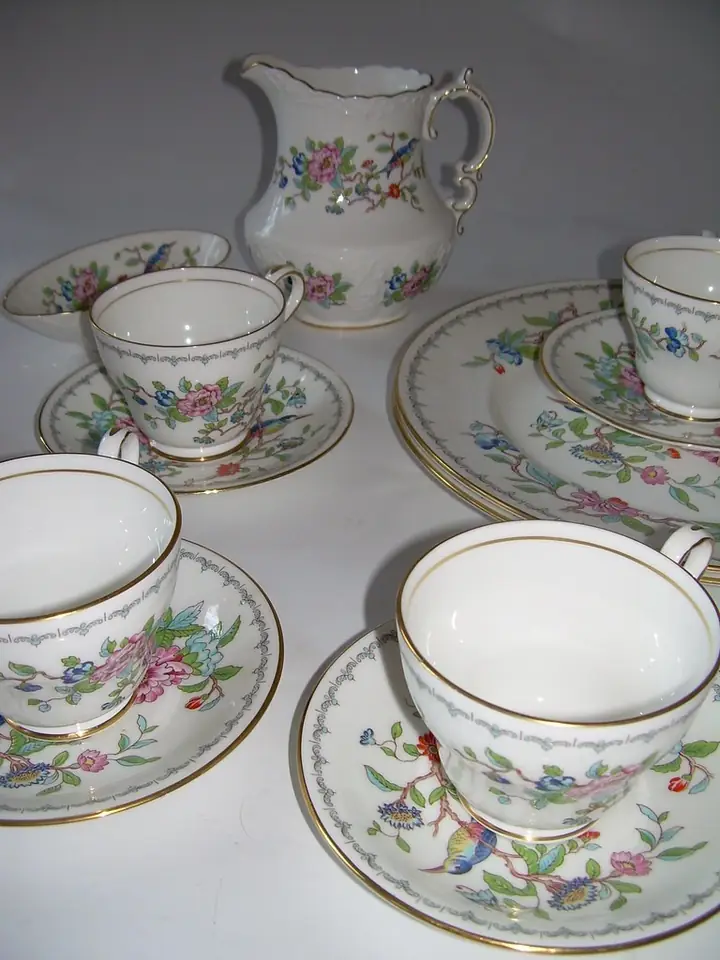
Buying ceramics and tableware in Bangladesh
Bangladesh makes porcelain, bone china and stoneware tableware for export and for its own hotels, restaurants and retailers. Hotels and caterers in Dhaka, Chattogram, Sylhet and Cox's Bazar buy plates, bowls and cups in volume and need the same pattern for years of re-orders; companies order branded mugs; and importers abroad need lead and cadmium results before goods clear. A ceramic tableware manufacturer in Bangladesh has to prove the glaze is safe, not only the shape.
Roptan sources for you. Send the shapes, sizes and decoration, or a sample; we match it to verified makers with the right body and kilns, put quotes on one basis of body, glaze, decoration, packing and tests, check food-contact and durability tests on your pattern, inspect the bulk and deliver. You deal with Roptan only.
How to brief a ceramic tableware manufacturer in Bangladesh
- Body
- Porcelain, bone china or stoneware, with water absorption. Porcelain absorbs almost no water, usually under 0.5%; stoneware absorbs more, which affects dishwasher and microwave use.
- Shapes and sizes
- Diameter, height and capacity in centimetres and millilitres, weight per piece and stacking height, each with a tolerance. Send a drawing or a master sample.
- Glaze and decoration
- In-glaze and under-glaze decoration resist dishwashers and release less metal than on-glaze decals. Gold or platinum lines rule out microwave use.
- Food-contact limits
- Lead and cadmium release tested to ISO 6486-1 and judged against your market's limits: EU Directive 84/500/EEC, US FDA or ISO 6486-2.
- Durability
- Thermal shock (EN 1183), crazing by autoclave (ASTM C424), impact resistance (ASTM C368) and dishwasher resistance (EN 12875) for hotel use.
- Packing and breakage allowance
- Inner dividers, cartons by box compression, an ISTA 1A or 2A drop test for export, and an agreed breakage allowance. Road transport to Chattogram and port handling break badly packed ware.
- Colour consistency and re-orders
- Approve a glaze colour standard and keep it, with the maker's code for each piece. Glaze colour shifts between kiln firings, so each lot is checked against the standard.
Food-safety and durability standards for tableware
- EU Directive 84/500/EEC
- Limits lead and cadmium release from ceramic articles for food. Since Directive 2005/31/EC, goods for the EU need a declaration of compliance.
- US FDA lead and cadmium limits
- The FDA sets limits for lead and cadmium leaching from ceramic ware by article type; goods that exceed them can be detained. California buyers may also ask about Proposition 65.
- ISO 6486-1 and ISO 6486-2
- The test method for lead and cadmium release, using 4% acetic acid for 24 hours, and the permissible limits. Ask which method the lab used.
- EN 1183, ASTM C424, ASTM C368
- Thermal shock, crazing resistance by autoclave, and impact resistance of tableware. Hotel buyers should set pass values.
- EN 12875 and ISO 2859-1
- Resistance to mechanical dishwashing over a stated number of cycles, and AQL sampling for the final inspection of chips, cracks, glaze faults and decal position.
Lead times and delivery
Typical ranges: stock patterns can ship within a few weeks. Samples from existing shapes usually take two to four weeks; a new shape needs moulds first and adds several weeks. Bulk usually takes 45 to 90 days from sample approval, including firing trials and tests. Kiln schedules, decal printing, failed lead release tests and Eid holidays add time, and kilns largely fire on natural gas, so ask how a supply cut would affect the schedule. Roptan confirms the dates in the quote.
Inside Bangladesh we deliver to hotels, restaurants, offices and stores in Dhaka, Chattogram, Sylhet, Cox's Bazar and elsewhere, in cartons with dividers, opened and counted by item on unloading. You receive the packing list, test reports and a VAT invoice (Mushak 6.3). Breakage found on delivery is recorded with photos and replaced under the terms agreed in the quote; keep spare stock of each item.
Buying ceramics and tableware for export
For importers we quote FOB Chattogram (Chittagong) in drop-tested export cartons with inner dividers, palletised where your warehouse needs it. Documents: commercial invoice, packing list, bill of lading, certificate of origin, a REX statement on origin for EU GSP or origin paperwork for the UK DCTS, lead and cadmium test reports from an accredited lab, and the declaration of compliance for EU food-contact ceramics. Agree the breakage allowance and claim process before shipment.
Questions buyers ask
Is the tableware lead-free and safe for food?
It should be proved, not assumed. Ask for lead and cadmium release tests to ISO 6486-1 on your exact glaze and decoration, from an accredited lab, judged against your market's limits. Decoration changes the result, so a test on a plain white plate does not cover a decorated one.
Is it dishwasher and microwave safe?
Porcelain with in-glaze decoration usually is. Gold or platinum decoration is not microwave safe, and on-glaze decals can fade in commercial dishwashers. Ask for dishwasher resistance to EN 12875, state microwave and commercial kitchen use, and have items marked safe only after testing.
Can hotels reorder the same range later?
Yes, if the maker keeps the shape and glaze in production. Ask how long the range will stay available, keep an approved sample on file, and choose rolled edges and a vitrified body to reduce chipping. We record the maker's code for each piece, so replacements match your existing stock.
What is the minimum order for a custom pattern?
It depends on the decoration. Decals and new moulds carry set-up costs, so makers often ask for a few thousand pieces per pattern, and fewer for stock shapes with simple decoration or a logo decal. Tell us your expected yearly volume, which helps plan re-orders; we confirm the minimum in the quote.
How is breakage in transit handled?
Agree it in the order: the packing standard, a breakage allowance and how claims are made with photos on arrival. Specify dividers and carton strength, and ask for an ISTA drop test on export cartons. We count on unloading and report breakage by item, so replacements can be ordered quickly.
How soon will I hear back about ceramics and tableware?
Within 48 hours of a complete requirement, with a price and a delivery date. A requirement is complete when it has the quantity, where it is needed and by when.
Who do I deal with?
With Roptan, when Roptan manages the order: we buy from the verified seller and deliver to you. With the supplier directly, when you post on the requirement board and choose a quote yourself.