Managed sourcing from Bangladesh, for export and for buyers at home
Get it sourced

Construction and minerals

Stone supplier in Bangladesh

Roptan acts as your stone supplier in Bangladesh. Send the size, grading and tonnage, and we source crushed stone, chips, boulders and Sylhet sand from verified sellers, check each lot's test report and deliver with a weighbridge slip for every truck.

  • Verified sellers
  • Checked before it ships
  • Delivered by Roptan

Get stone sourced

Prefer to deal with suppliers yourself? Post it on the requirement board

Stone products

Pick a product and we source it for you, or send one requirement that covers several.

Buying stone in Bangladesh

Crushed stone and chips go into concrete, piling, road base and river protection. Bangladesh has little hard rock of its own, so stone comes from the Sylhet region, overland through land ports from India and Bhutan, or by ship to Chattogram (Chittagong). Buyers are contractors, developers, road builders and ready-mix plants in Dhaka, Gazipur and Narayanganj. Strength, shape and silt differ from lot to lot, so the test report matters more than the trade name.

Roptan works as your stone supplier in Bangladesh: send the product, size, tonnage, site and pour dates; we source from sellers we have verified, compare origins on test results and confirm one delivered price per tonne with dates in the quote. You deal with Roptan only, or post the requirement on the board and member suppliers quote.

Stone we source

Crushed stone

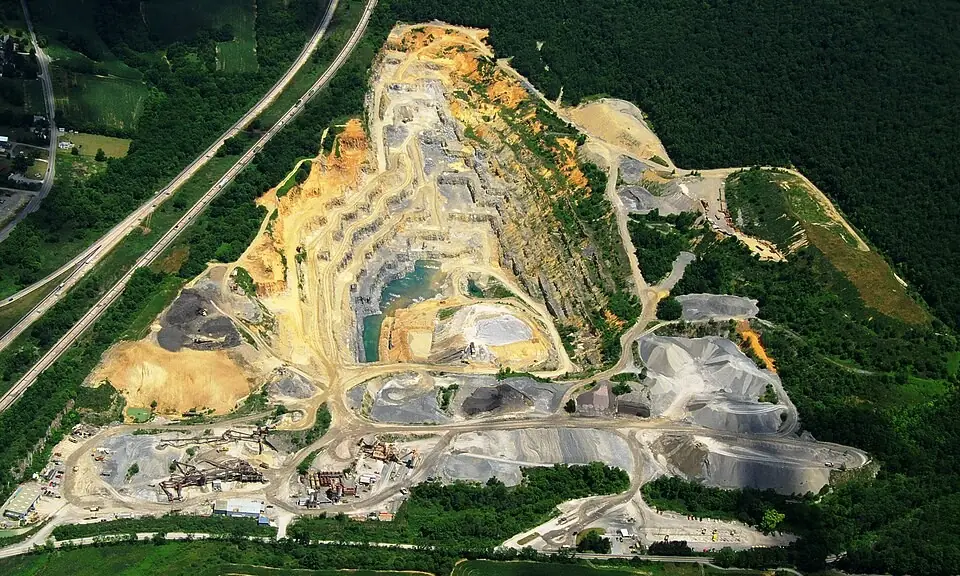
Boulders broken by a crusher into angular pieces for road base and sub-base, hard standing, rail ballast and drainage beds, where sharp edges lock together under load.

Boulders

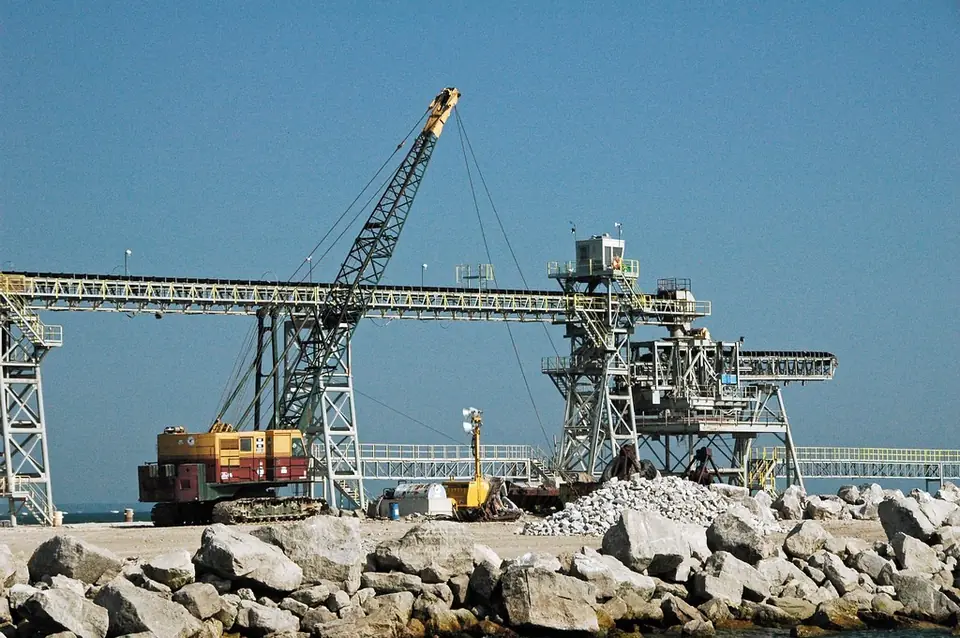
Large uncrushed stone, sold as Sylhet boulders or imported through land ports, for riverbank and embankment protection, gabions and toe walls, or as feed for a site crusher. For river works, state the size range and minimum piece weight.

Stone chips

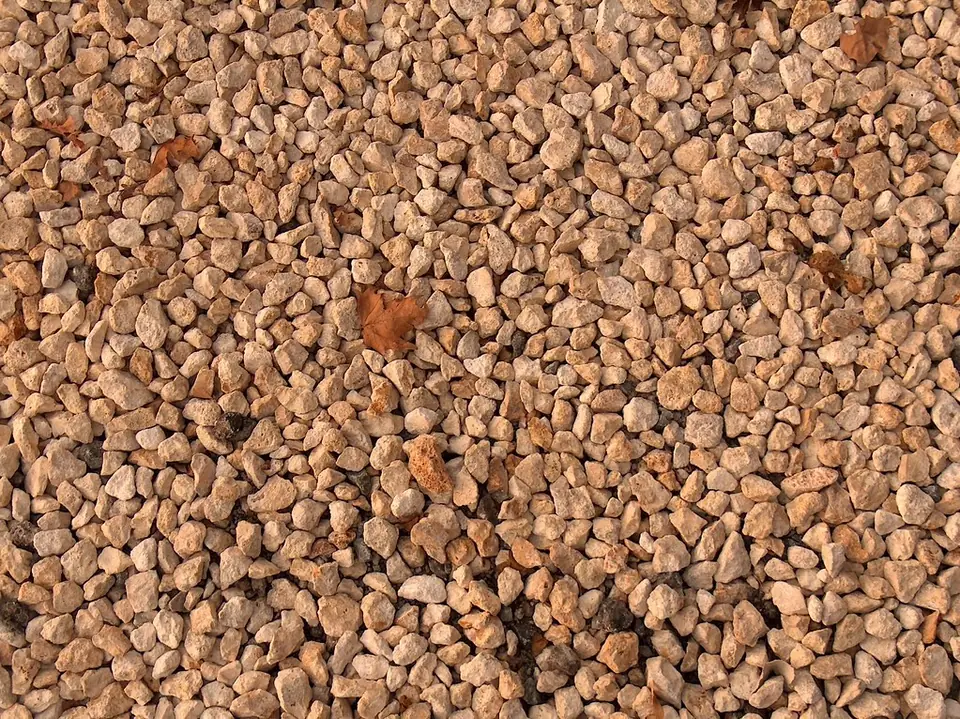
The everyday coarse aggregate for slabs, beams, columns and piles, sold as 20 mm (3/4 inch) or 12 mm (1/2 inch) single size, or graded 5 to 20 mm. Unwashed chips carry dust that raises water demand.

Sylhet sand

Coarse, sharp sand from the Sylhet region, the usual fine aggregate for concrete where local sand is too fine. Grain size is stated as fineness modulus (FM); a higher FM means coarser sand.

River stone

Naturally rounded stone from riverbeds, for drainage layers, filters and landscaping. It mixes with less water than crushed stone but bonds less well with cement paste, so use it in structural concrete only where the design allows.

Gravel

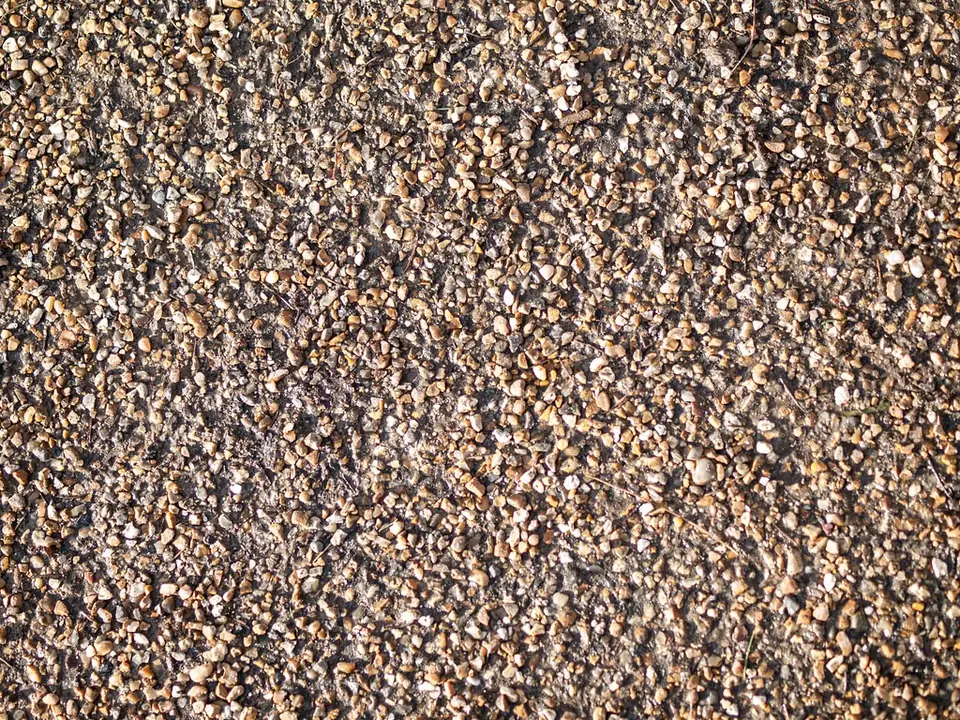
Small stone, rounded or crushed, typically 5 to 40 mm, for drainage blankets, pipe bedding, soakaways and fill under floors. Sellers use the word loosely, so state the size range, washing and a limit on clay.

What to tell a stone supplier in Bangladesh

Use and size
Say what the stone is for, then the size: 20 mm chips, 5 to 20 mm graded, or an ASTM C33 size such as No. 57 (25 to 4.75 mm). Quotes for different sizes cannot be compared.
Origin, or any that passes
Sylhet stone, a land port import or ship-borne stone, or any origin that passes the tests. Origin is often the largest price difference.
Unit of sale
Ask for a price per tonne by weighbridge. The local trade quotes per cft (cubic foot) of loose volume; if a seller does, get the conversion in writing.
Silt and cleanliness
Set a limit on material finer than 75 µm (ASTM C117) and on clay lumps. Silt raises water demand and lowers strength, and riverbed material carries more of it in the monsoon.
Shape and toughness
For road base and heavy-duty concrete, ask for Los Angeles abrasion (ASTM C131) and a limit on flat and elongated particles (ASTM D4791). Flaky chips need more cement paste.
Chlorides near the coast
For reinforced concrete in Chattogram, Khulna and other coastal areas, ask for a chloride test on sand and stone. Salt in aggregate corrodes the reinforcement.
Call-offs and access
Give the total tonnage, loads timed to your pours, the site address, road width, unloading space and the hours trucks can arrive. Riverside sites can take vessel loads to a ghat.

Aggregate tests and paperwork to ask for

ASTM C33
The common specification for concrete aggregates: grading by size number, fineness modulus of 2.3 to 3.1 for sand, and limits on clay, dust and weak particles.
ASTM C136 and ASTM C117
Sieve analysis, and material finer than 75 µm by washing. Together they show grading and silt; ask for both, dated, for each lot.
ASTM C131, C127 and C128
Los Angeles abrasion for toughness, and relative density and water absorption of coarse and fine aggregate. High absorption points to weak or weathered stone.
VAT invoice, Mushak 6.3
The VAT invoice under the VAT and Supplementary Duty Act 2012, issued with each supply alongside the delivery challans and weighbridge slips.

What moves the price of stone

  • Origin and haul: Sylhet, land port and ship-borne stone carry very different freight to Dhaka, Gazipur or Chattogram.
  • Size and grading: smaller sizes, tight graded mixes and washing need more crushing and screening per tonne.
  • Unit of sale: a low rate per cft can cost more per tonne once converted, so compare by weight.
  • Season: demand peaks in the dry months, while river extraction and haulage slow in the monsoon.
  • Fuel, exchange rate and terms: diesel sets freight, imports are paid in foreign currency, and credit is priced into the rate.

Lead times and delivery

Stone held at a yard or river ghat near Dhaka, Narayanganj or Chattogram usually reaches site within a week. Direct loads from Sylhet or a land port typically take one to three weeks, and ship-borne lots longer. Washing, grading and lab tests add days; monsoon rain, river levels and port congestion stretch every range. Minimums are usually one full truck from a yard. Roptan confirms dates and minimums in the quote.

Quotes are for delivery to site unless you ask for an ex-yard price. Stone moves by truck, or by vessel to a ghat near the site and then by truck. Every truck is weighed and the slip travels with it, and Roptan reconciles slips, challans and the lot's test report with the invoice. You receive a VAT invoice (Mushak 6.3). Check the stone as it is tipped, not a week later.

What we check for this order

  • Trade licence and sourceThe seller's trade licence and where the lot was quarried or imported, so you receive the origin you pay for.
  • A test report per lotSieve analysis and silt results for the lot being delivered, not one certificate reused for every delivery.
  • Weighbridge slip per truckEvery truck weighed, with slips totalled against the delivery notes and the invoice before payment.
  • Delivery schedule in the quoteTrucks per day, call-off quantities and dates written into the quote and matched to your pour programme.

Questions buyers ask

Should I buy stone by the tonne or by cft?

By the tonne on a weighbridge, because truck volume in cft changes with how the body was measured, how far the load settled and how wet the sand is. If your contract uses cft, we agree the conversion in writing and still record the weighbridge weight of every truck.

Is Sylhet sand the same as local sand?

No. Sylhet sand is coarser and sharper and is used as fine aggregate in concrete. Local sand is usually much finer and suits filling and some masonry. Ask for the fineness modulus on the test report: concrete sand under ASTM C33 falls between 2.3 and 3.1.

Pakur stone or Dubai stone: which should I buy?

Choose on test results, not the trade name. Buyers ask for stone by names such as Pakur stone, imported overland from India, or Dubai stone, but lots sold under one name vary by quarry and shipment. Compare grading, abrasion and silt for the lot you will receive, then the delivered cost per tonne.

Can you hold a price for a long project?

Yes, for an agreed period. Stone prices follow diesel, freight and the exchange rate, so for work over several months we agree a fixed rate for a set tonnage or a written adjustment rule, stated in the quote before you commit.

Can you supply stone for riverbank protection?

Yes. Boulders and larger crushed stone are used for river and embankment protection, often alongside geo bags and concrete blocks. Tell us the size range, minimum piece weight, quantity and nearest river access; a vessel is often simpler than trucks for these sites.

How soon will I hear back about stone?

Within 48 hours of a complete requirement, with a price and a delivery date. A requirement is complete when it has the quantity, where it is needed and by when.

Who do I deal with?

With Roptan, when Roptan manages the order: we buy from the verified seller and deliver to you. With the supplier directly, when you post on the requirement board and choose a quote yourself.