Managed sourcing from Bangladesh, for export and for buyers at home
Get it sourced

Home and lifestyle

Eyewear manufacturer in Bangladesh

Looking for an eyewear manufacturer in Bangladesh? Send the frame drawing or sample, lenses, market and quantity. We source metal and acetate frames, sunglasses, lenses, safety goggles and reading glasses from verified makers, check the test reports, and ship by air or FOB Chattogram.

  • Verified sellers
  • Checked before it ships
  • Delivered by Roptan

Get eyewear and optical sourced

Prefer to deal with suppliers yourself? Post it on the requirement board

Eyewear products

Pick a product and we source it for you, or send one requirement that covers several.

Buying eyewear and optical in Bangladesh

Bangladesh makes metal and acetate spectacle frames, sunglasses, optical lenses, safety eyewear and ready-made reading glasses for brands, importers and optical chains, often under the buyer's own label, and supplies optical shops, eye hospitals and factories in Dhaka and Chattogram. Eyewear is bought on fit, finish and safety figures: frame size, nickel release, filter category and impact class. An eyewear manufacturer in Bangladesh works to those figures and to the tests your market names.

Send the drawing, a reference frame or your spec sheet; we match it to verified makers, put quotes on one basis of material, plating, hinges, lenses, packaging and tests, have an accredited lab test the pre-production sample, measure sizes and lens powers on the bulk and inspect the packed goods. You deal with Roptan only.

Eyewear and optical we source

Metal spectacle frames

Thin, light frames in stainless steel, titanium or copper-nickel alloys, plated and coated. Specify size on the boxing system, hinge type, plating and coating. Parts in skin contact must meet the EU nickel release limit.

Acetate frames

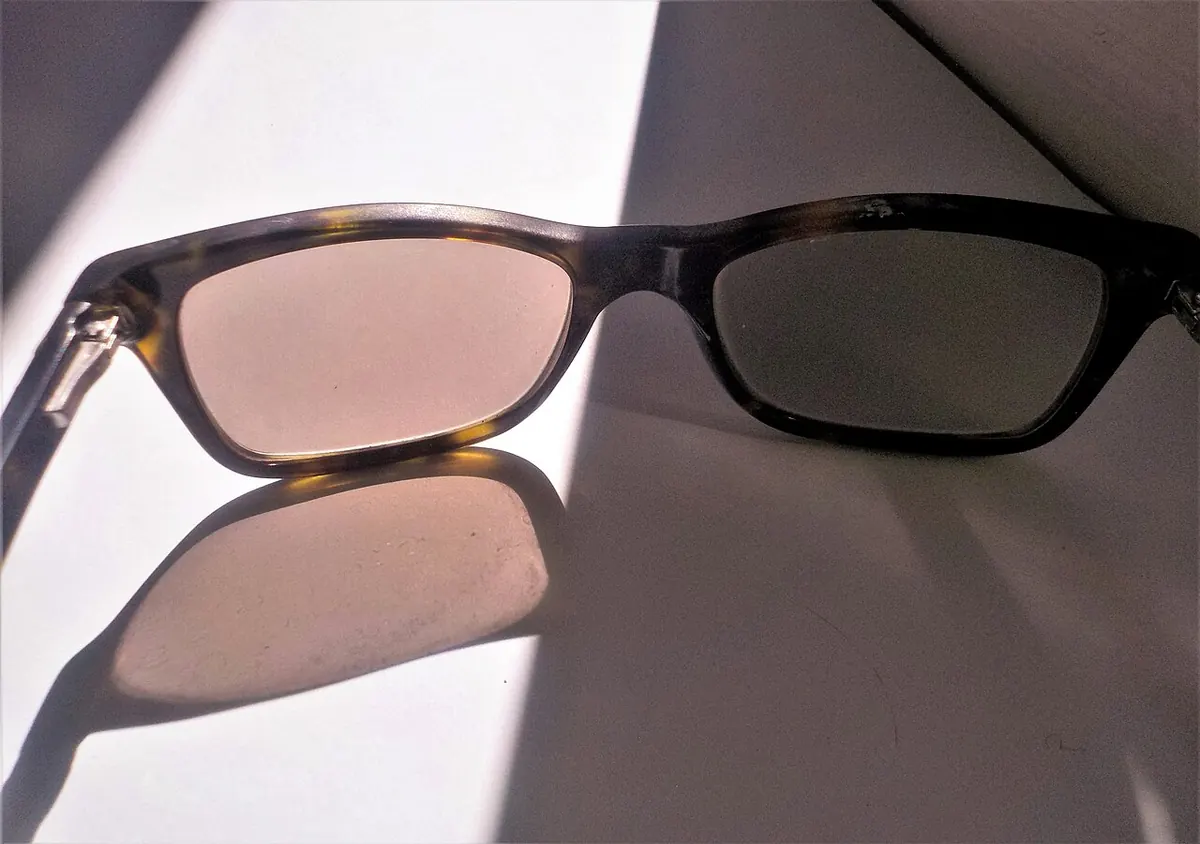
Frames milled and polished from cellulose acetate sheet, with metal core wires in the temples. Specify sheet colour and thickness, hinge and polish, and approve the exact sheet on the sample, since colours vary by batch. Acetate softens with heat, so a frame in a hot container can warp.

Sunglasses

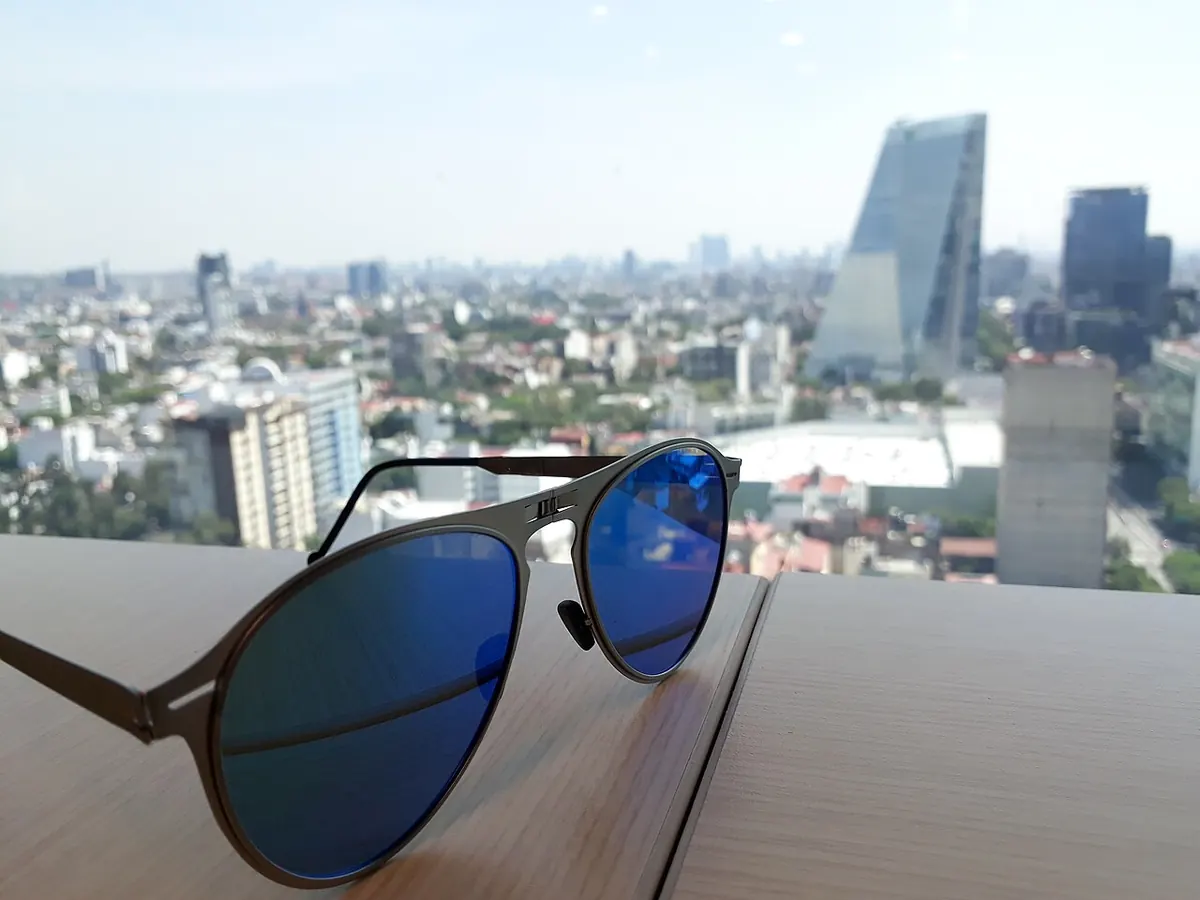
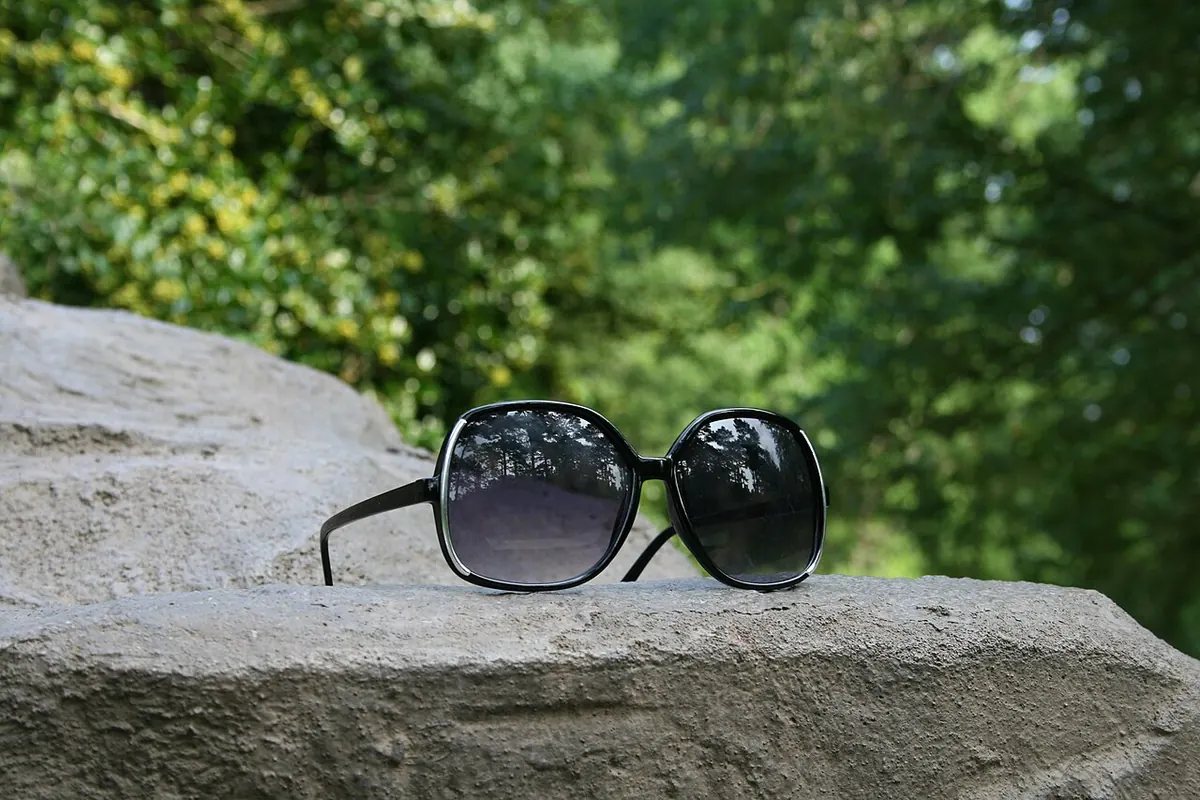
Metal, acetate or injection-moulded frames with tinted, polarised or mirrored lenses. Lenses are graded by how much light they pass, from category 0 to category 4, which is not for driving. Specify the category, UV protection and lens material, with the results on a test report.

Optical lenses

Single-vision, bifocal and progressive lenses, uncut or edged, in hard resin, polycarbonate, high-index plastic or glass. Specify refractive index (1.50, 1.59, 1.60, 1.67 or 1.74), coatings, diameter and power range. Polycarbonate resists impact and suits children's and sports frames.

Safety goggles

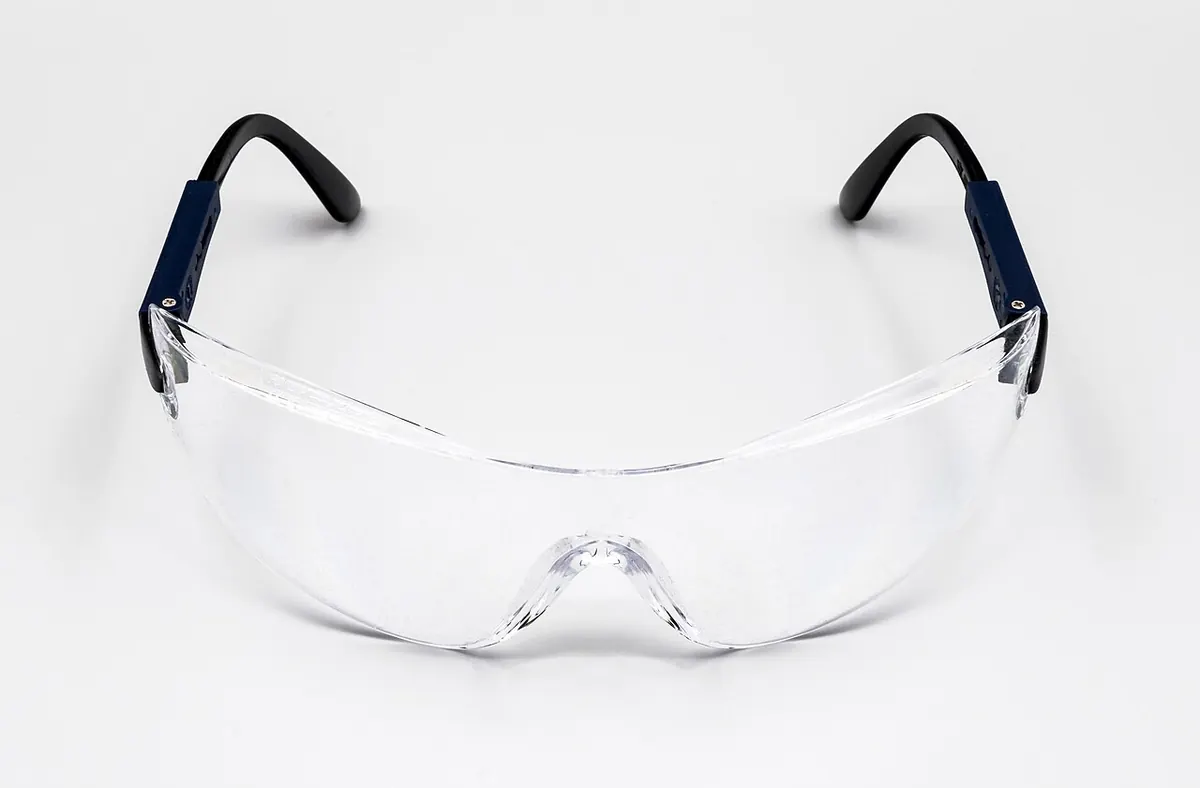
Goggles and safety spectacles for factories, labs and sites. Specify optical class, impact rating (S, F, B or A under EN 166, or ANSI/ISEA Z87.1 for the US), anti-fog coating and ventilation. Anti-fog matters on hot, humid factory floors.

Reading glasses

Ready-to-wear near-vision spectacles in fixed powers, usually from +1.00 to +3.50 dioptres. Specify frame, power range, centration distance and display packing. ISO 16034 covers them, in the EU they are class I medical devices, and powers are checked with a lensmeter on bulk pieces.

How to brief an eyewear manufacturer in Bangladesh

Frame size
Lens width, bridge and temple length in mm on the boxing system, as marked inside the temple, for example 52□18 140, with tolerances, for every size you sell.
Materials and plating
Base metal or acetate grade, plating type and thickness in microns, and coating. Plating quality decides how long the finish lasts, and humid, salty air near the coast corrodes thin plating in storage.
Nickel release
Parts in direct and prolonged skin contact must meet the REACH nickel limit for the EU, tested on the plated finish you order, so each new finish needs its own result.
Lens specification
Material, refractive index, power range and tolerances, tint or filter category, polarisation, coatings and UV cut-off, for example UV400, with the transmittance curve from the lab.
Hinges and mechanical tests
Standard or spring hinges, nose pads, temple tips and screws. Hinges take the most wear, so ask for the ISO 12870 endurance, bridge deformation and perspiration tests on the sample.
Branding and packing
Logo on temple, lens or case, and the method: laser, print or inlay. Case, cloth and retail box, with size, model and colour codes marked and silica gel in the carton.

Eyewear standards, tests and certificates

ISO 12870
Spectacle frames: requirements and test methods, including dimensional stability at raised temperature, resistance to perspiration, bridge deformation and hinge endurance. Ask for a dated report per model.
ISO 12312-1 and the EU PPE Regulation
Sunglasses for general use: filter categories 0 to 4, UV transmittance, marking and labelling. In the EU sunglasses are personal protective equipment under Regulation (EU) 2016/425 and carry CE marking with a declaration of conformity.
REACH nickel release
Frame parts in prolonged skin contact must not release more than 0.5 µg/cm² of nickel per week, tested on the plated frame; EN 16128 is the reference method for spectacle frames and sunglasses.
EN 166, ANSI/ISEA Z87.1 and 21 CFR 801.410
Personal eye protection for work in Europe and the US, with impact ratings and marks on frame and lens; EU safety eyewear needs a notified body certificate. The US rule 21 CFR 801.410 requires eyeglass and sunglass lenses to be impact resistant, with the drop ball test as the referee test.
EU medical device rules
Ready-made reading glasses are class I medical devices under Regulation (EU) 2017/745, with technical documentation and CE marking, and a brand selling under its own name usually takes on the manufacturer's duties.

What moves the price of eyewear

  • Frame material: titanium and patterned acetate cost more than stainless steel or injection-moulded plastic.
  • Plating and coating: thicker plating, ion plating, multi-colour finishes and extra polishing steps add cost.
  • Lenses: higher index, polarisation, photochromic tint and multi-layer coatings can move the price more than the frame.
  • Case, packaging and compliance files per model: ISO 12870, ISO 12312-1, nickel and PPE certificates.

Lead times and delivery

Typical ranges: samples of existing models usually take two to four weeks; new shapes need tooling or new acetate colours bought by the sheet and take longer. Bulk usually takes 45 to 75 days from sample approval, depending on material, plating and lens coatings. Lab tests, PPE certification and printed cases add time. Roptan confirms the dates in the quote.

Inside Bangladesh we deliver to optical shops, eye hospitals, distributors and factories in Dhaka, Chattogram, Gazipur and elsewhere, packed by model, colour and power, with the packing list, test reports and a VAT invoice (Mushak 6.3). Safety goggles for factories come with the certificate that matches their marking, and readers are checked for power before dispatch.

Buying eyewear and optical for export

Eyewear is light and valuable, so many orders go by air: we quote FCA Dhaka airport, or FOB Chattogram (Chittagong) for large sea shipments. Documents: commercial invoice, packing list, air waybill or bill of lading, certificate of origin, a REX statement on origin for EU GSP or UK DCTS paperwork, test reports, and the EU declaration of conformity for sunglasses and safety eyewear. We inspect the bulk to AQL under ISO 2859-1, checking fit, hinges, finish, lens power and UV. Payment is usually a deposit with the balance before dispatch, or a letter of credit.

What we check for this order

  • Trade licence and ERCCurrent, and in the name on the quote, or the BEPZA papers of a seller inside an export processing zone.
  • Lab reports on your finish and modelNickel release, filter category, impact and frame tests dated and naming this model, its plated colour and its lens, not a catalogue report.
  • Approved samples before bulkSize, colour, plating, hinges, lenses, marking and packing approved by you in writing, with a sealed sample kept for inspection.
  • A visit before the first bulk orderMachining, plating or coating, lens fitting and packing seen in person, with the seller's own test tools.

Questions buyers ask

What does 52□18 140 on a frame mean?

It is the boxing system size: a 52 mm lens width, an 18 mm bridge and a 140 mm temple length. Give all three with tolerances in your order, for every size you sell.

Which standard applies to sunglasses?

ISO 12312-1, for sunglasses for general use. It sets filter categories 0 to 4, UV limits and labelling, and category 4 is marked as not for driving. In the EU, sunglasses are PPE and carry CE marking; in the US, lenses must be impact resistant under FDA rules.

Do metal frames need a nickel test?

For the EU, yes, for parts in direct and prolonged skin contact. REACH limits nickel release, and the test is done on the finished, plated frame, so each new finish needs its own result.

Which safety goggles suit a Bangladeshi factory?

Match the hazard: under EN 166, impact rating F for low-energy particles and B for medium energy, plus field of use 3 where liquids splash. Hot, humid floors fog lenses, so ask for an anti-fog coating marked N. We check the markings on the bulk against the certificate.

How do I compare eyewear quotes like for like?

Compare material, plating type and thickness, hinges, lens material and coatings, tests included, packaging and the shipping term. A lower price often means thinner plating, plain hinges or uncoated lenses.

How soon will I hear back about eyewear and optical?

Within 48 hours of a complete requirement, with a price and a delivery date. A requirement is complete when it has the quantity, where it is needed and by when.

Who do I deal with?

With Roptan, when Roptan manages the order: we buy from the verified seller and deliver to you. With the supplier directly, when you post on the requirement board and choose a quote yourself.