Buying mannequins and display in Bangladesh
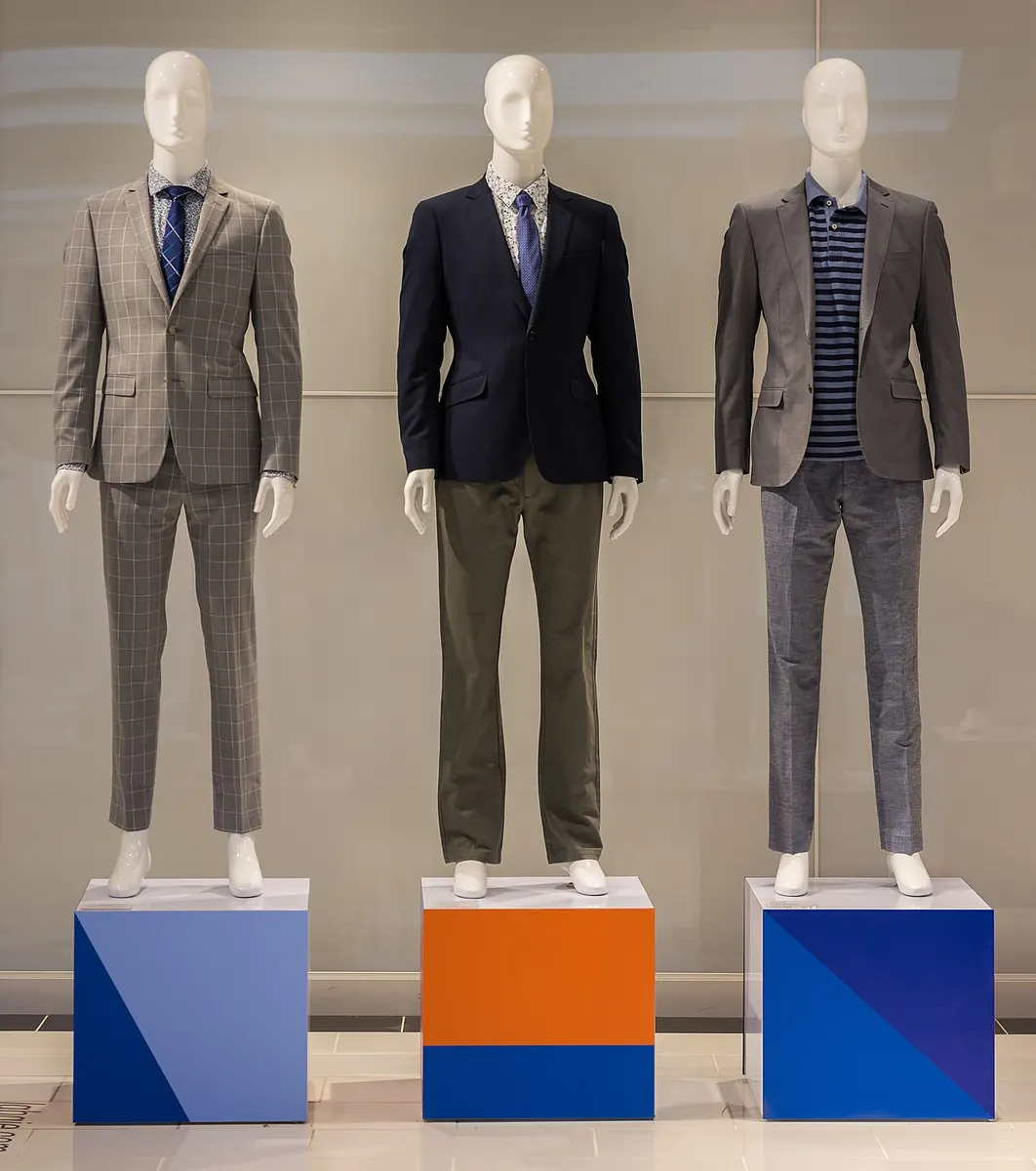
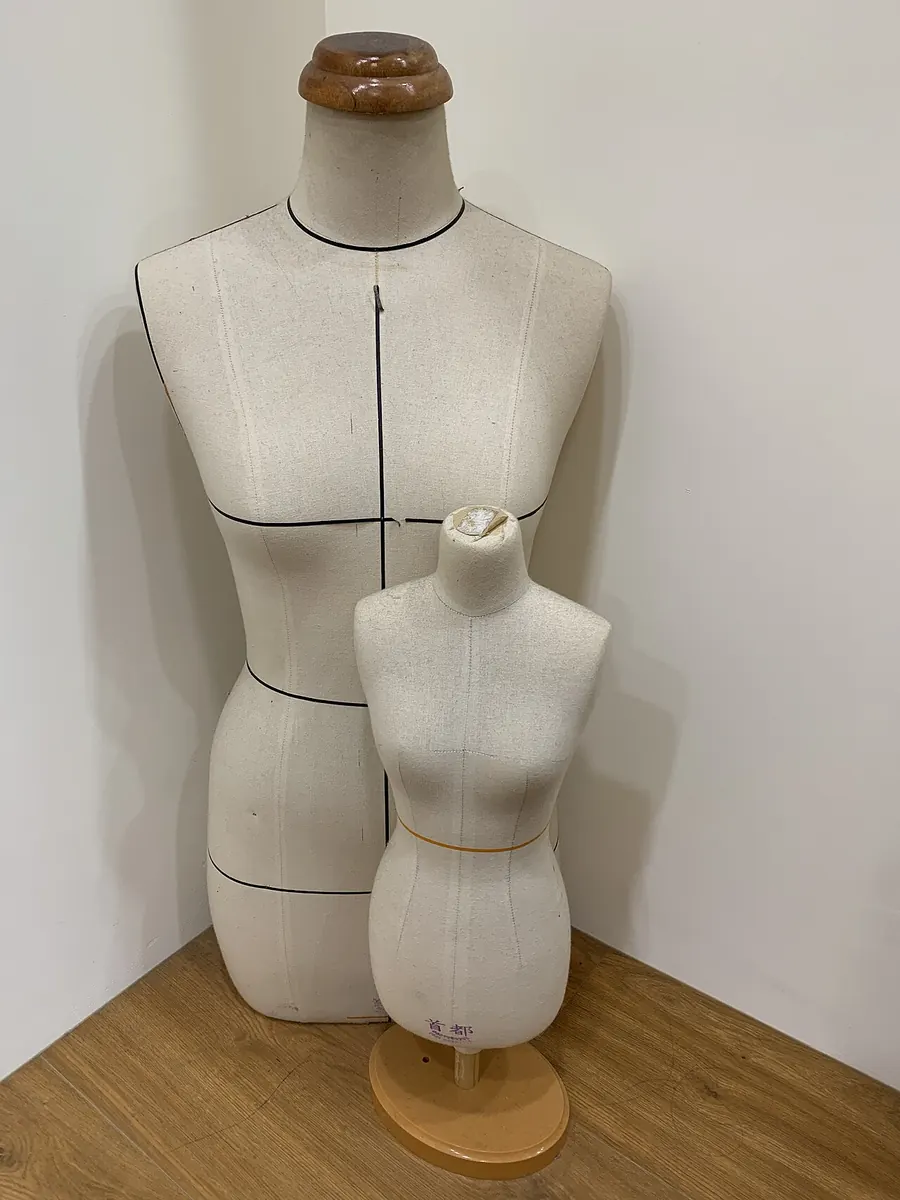
Bangladesh makes full-body mannequins, torso forms, dress forms and display heads for fashion retailers, store fitters and display companies abroad, and supplies shops, showrooms and garment factories at home, where dress forms serve sample rooms in Dhaka, Gazipur and Chattogram. A mannequin manufacturer in Bangladesh works to a size chart and a finish standard, and packs each figure so it arrives unmarked.
A first order usually goes wrong in the details: a size that does not fit your clothes, a finish that chips in transit, or arms that will not take a jacket. Send a photo, drawing or sample with your size chart; we match it to verified makers, approve a sample for pose, size and finish, and check paint, fittings and packing on the bulk. You deal with Roptan only.
How to brief a mannequin manufacturer in Bangladesh
- Size chart
- Height and body measurements in cm, matched to the garment size you sell, with tolerances, or send a sample garment. A figure a size off makes every garment hang wrong.
- Material and shell
- Fibreglass-reinforced polyester for strength and fine detail, or moulded plastic for light weight and fewer breakages. State wall thickness and weight per piece, since thin shells crack.
- Finish and colour
- Gloss or matt, skin tone or colour against a physical standard, and paint adhesion checked with a cross-cut test to ISO 2409. Colour drifts between paint batches, so approve a panel.
- Fittings and stability
- Arm, hand and waist joints, calf or foot rod, glass or steel base, spare fittings in the carton, and a base heavy enough that the figure does not tip when dressed.
- Curing and odour
- Resin and paint fully cured before packing, or pieces smell of solvent and stick to their wraps in a hot container; the monsoon slows curing.
- Packing and roll-out
- One figure per carton, each part wrapped, foam or pulp inserts, a drop test to ISTA 1A or 2A, the carton size, and quantities per phase if stores open in stages.
Tests and documents for mannequins
- ISO 2409
- Cross-cut test for paint adhesion. Ask for the result on the finished surface, because chips at joints and edges show in store.
- EN 12150
- Thermally toughened safety glass. Glass bases should be toughened to it, so a break leaves small blunt pieces rather than shards.
- ISTA 1A and 2A
- Transit tests for packed goods, covering drops and vibration. A pass on the packed figure lowers breakage in transit.
- REACH
- For the EU, a supplier declaration on substances of very high concern in resins, paints and plastics above 0.1 per cent, which the importer must pass on.
- ISO 9001 and social audits
- A quality management certificate with a scope that covers display products, and an amfori BSCI or Sedex SMETA report where your retailer requires one, recent and naming the site.
Lead times and delivery
Typical ranges: samples from existing moulds usually take two to three weeks, a new sculpt and moulds four to eight weeks before the first sample, and bulk 30 to 60 days from sample approval, since output depends on how many moulds the seller runs for your figure. Custom colours, make-up and the monsoon, which slows curing and paint drying, add time. Roptan confirms the dates in the quote.
Inside Bangladesh we deliver to stores, showrooms, sample rooms and fashion schools in Dhaka, Gazipur, Savar, Chattogram and elsewhere, one figure per carton, with the packing list and a VAT invoice (Mushak 6.3). Figures are unpacked and checked for chips on delivery, damage is recorded for replacement under the order terms, and phased store deliveries follow the roll-out schedule in the quote.
Buying mannequins and display for export
For importers we quote FOB Chattogram (Chittagong), usually in 40 ft high cube containers, since mannequins fill a container by volume long before weight. Documents: commercial invoice, packing list, bill of lading, certificate of origin, a REX statement on origin for EU GSP or UK DCTS paperwork, ISPM 15 marks on any wooden packing, and the test reports or declarations your market needs. We inspect to AQL under ISO 2859-1 for finish, cracks, size and fittings. Payment is usually a deposit with the balance against documents, or a letter of credit.
Questions buyers ask
Fibreglass or plastic mannequins: which should I choose?
Fibreglass gives finer detail and a painted finish that suits windows and realistic figures, but it chips if knocked. Moulded plastic is lighter, tougher and often cheaper, which suits busy floors, kids' ranges and shops that change displays often.
How are mannequins packed for export?
One figure per carton, each part wrapped, with foam or pulp inserts, fittings bagged and the carton marked for orientation. We ask for a drop test on the first packed sample. Because mannequins fill containers by volume, detachable arms and legs lower freight per piece.
Can a mannequin be made to my brand's size chart?
Yes. Send your size chart and a sample garment. The maker adjusts or sculpts a figure to your measurements and makes a sample for you to fit. A new size needs new moulds, so it costs more and takes longer than a stock figure.
What is the minimum order for mannequins?
It depends on whether the mould exists. Standard poses from existing moulds often start at a few pieces per style, while a new pose needs enough pieces to cover the mould. We confirm the minimum and any mould cost in the quote.
What mistakes do first-time mannequin buyers make?
Choosing from photos without checking the size against their own clothes. Ordering fixed arms that stop jackets going on. Forgetting bases or rods. Picking gloss finishes that show every scratch. Accepting weak packing, so figures arrive chipped. And not ordering spare hands and arms, which break first.
How soon will I hear back about mannequins and display?
Within 48 hours of a complete requirement, with a price and a delivery date. A requirement is complete when it has the quantity, where it is needed and by when.
Who do I deal with?
With Roptan, when Roptan manages the order: we buy from the verified seller and deliver to you. With the supplier directly, when you post on the requirement board and choose a quote yourself.