
Managed sourcing from Bangladesh, for export and for buyers at home
Get it sourced

Machinery and handling

Conveyor belt supplier in Bangladesh

Use Roptan as your conveyor belt supplier in Bangladesh: tell us the material, capacity, length and lift, and we source belting, rollers and belt, roller, modular or screw conveyors from verified sellers, check them against the specification and deliver them, installed by the seller.

  • Verified sellers
  • Checked before it ships
  • Delivered by Roptan

Get conveyor belts sourced

Prefer to deal with suppliers yourself? Post it on the requirement board

Conveyor belt products

Pick a product and we source it for you, or send one requirement that covers several.

Buying conveyor belts in Bangladesh

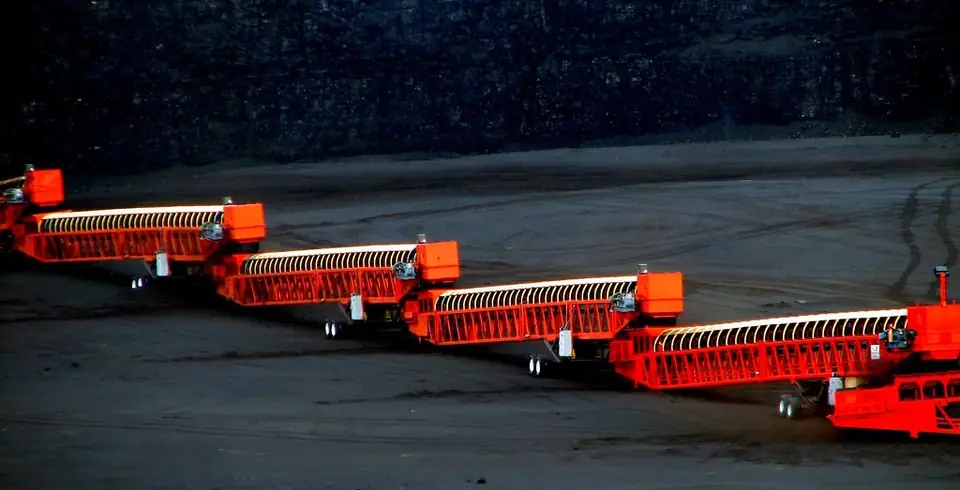
Conveyors move clinker, cement, stone, coal, grain and feed in bulk plants and mills, and cartons, bags and food along packing and dispatch lines. Buyers include cement plants near Chattogram (Chittagong) and Narayanganj, rice and feed mills, stone crushers around Sylhet, food and pharmaceutical plants, garment packing sections in Gazipur and warehouses around Dhaka. Belts wear out and are replaced, so belting is a repeat purchase and cost per tonne carried matters more than price per metre.

A conveyor belt supplier in Bangladesh can quote a belt by width alone; a belt that lasts is chosen from the material, the tension and the site. Tell us your line by form or chat. We source from verified sellers, compare quotes on the same belt rating and scope, check the belt certificate and build, and deliver; the seller installs and commissions it. You deal with Roptan only.

Conveyor belts we source

Belt conveyors

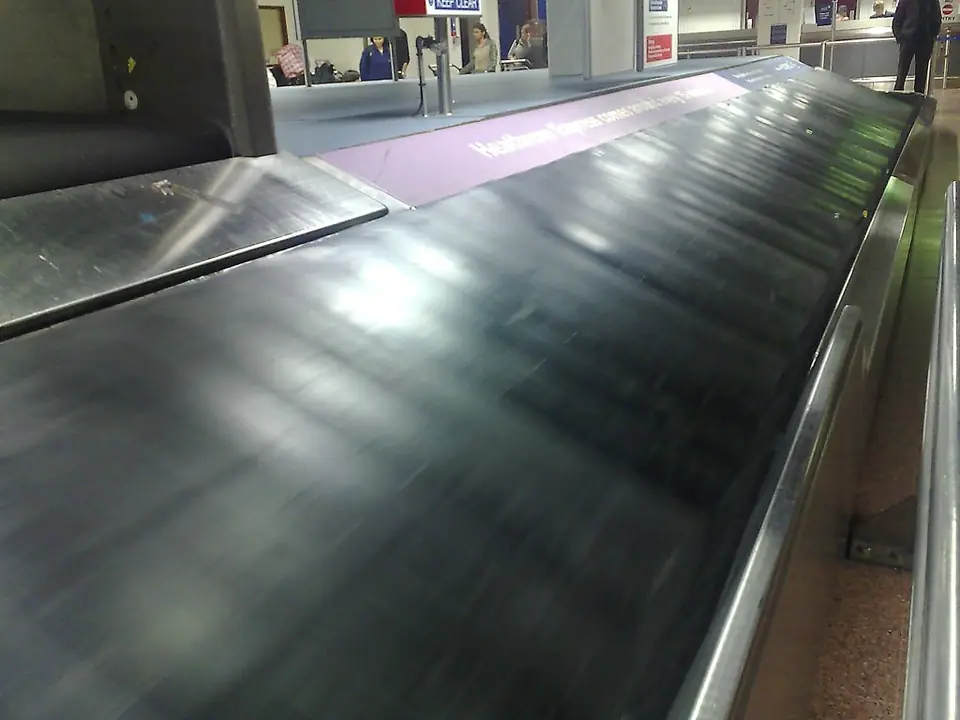
Troughed belts on idlers for bulk materials, and flat belts on slider beds for cartons and bags, driven by a motor and gearbox. Specify capacity, length, lift, belt width and speed; the seller calculates power and belt tension.

Roller conveyors

Gravity or powered rollers for boxes, crates and pallets on packing and dispatch lines; powered zones with sensors cost more but stop items colliding. At least three rollers should sit under the smallest item, so give item sizes and weights.

Modular belt conveyors

Interlocking plastic modules driven by sprockets, for food, drinks and pharmaceutical lines, washdown areas, curves and transfers. A damaged section is replaced module by module. Choose polypropylene or acetal to suit temperature and product, on stainless steel frames.

Screw conveyors

A rotating screw in a trough or tube that moves cement, flour, grain, feed and sludge over short runs, sealed against dust. Specify material, bulk density, capacity, length and angle; with abrasive materials, wear on flights and hanger bearings is the main running cost.

Conveyor belting

New and replacement belts sold by the metre and made endless on site: EP fabric for most bulk duty, steel cord for long or heavily loaded conveyors, PVC and PU for light and food lines. Specify rating, plies, cover thickness and grade.

Conveyor rollers

Idlers in standard diameters and lengths, in steel or HDPE, with sealed bearings for dusty and wet sites. Ask for runout tolerance and seal type; rollers that seize or run out of true cut belts and draw more power.

What a conveyor belt supplier in Bangladesh needs to know

Material and capacity
Name, bulk density, lump size, temperature, moisture and abrasiveness, and tonnes per hour at peak; or item size, weight and rate for packing lines. Hot or oily loads need special covers.
Layout
Length, lift, incline angle, curves and transfer points, with a sketch; steep inclines need chevron or cleated belts, and transfer points are where spillage and wear concentrate.
Belt rating
A carcass from a tension calculation, for example EP 630/4, with cover thicknesses on both faces and the cover grade; common widths are 500, 650, 800 and 1,000 mm.
Wet season
Covers over outdoor runs, rubber or ceramic lagging on the drive pulley so a wet belt grips, sealed roller bearings, and drives and panels above flood level.
Coast and corrosion
Near Chattogram port and the coast, a hot-dip galvanised structure or a paint system to ISO 12944 for marine air; stainless steel 304 or 316 for food and washdown.
Drive and power
Three phase, 50 Hz, motor kW and gearbox, soft start or variable speed drive, and interlocks with the machines before and after.
Guarding and safety
Guards at nip points and drives, emergency pull-cords along the length and stop buttons at loading points; DIFE checks machine guarding under the Bangladesh Labour Act 2006. Safety devices are often missing from low quotes.
Scope and spares
Design, fabrication, erection, belt jointing and commissioning; who does civil and electrical work; and prices for spare belting, idlers and a joint kit, so one failure does not stop the line.

Standards and test papers for conveyors and belting

DIN 22101
Design calculation for belt conveyors carrying bulk materials: power, belt tension and pulley sizes. Ask for the calculation sheet for your line.
ISO 14890 or DIN 22102
Fabric belt specifications: strength, elongation, ply adhesion and cover grades. Ask for the belt maker's test certificate for the batch, with the ISO 4649 abrasion figure for abrasive loads.
ISO 340
Flame test for conveyor belts. Specify fire resistant belts where coal, grain dust or fuel are handled indoors or in closed galleries.
EU Regulation 1935/2004
Food contact materials. For food lines, ask for a declaration of compliance for the belt, and stainless steel 304 or 316 in contact areas.
EU Machinery Directive 2006/42/EC
CE marking under it shows an imported conveyor's maker assessed guarding and stops. Ask for the declaration of conformity.

What moves the price of a conveyor

  • Length, width and lift: structure steel, belt area and drive power grow with each.
  • Belt type: EP fabric, steel cord, PVC, PU or modular plastic, with cover grade and thickness; heat, oil, fire resistant and food grade compounds cost more.
  • Structure finish: painted mild steel, hot-dip galvanised or stainless steel 304 or 316.
  • Drive and controls: gearmotor, variable speed drive, sensors, PLC and interlocks.
  • Idlers, pulleys and accessories: sealed bearings, lagged pulleys, impact beds, belt cleaners, covers, skirting and dust extraction.
  • Site work and splicing: erection, alignment, hot vulcanised joints on site and commissioning under load.

Lead times and delivery

Conveyor belting in common widths and ratings, and standard rollers, are often in stock in Dhaka and Chattogram and can arrive within days to two weeks. Locally fabricated conveyors typically take three to eight weeks from approved drawing; imported systems and special belts usually take eight weeks to four months. Roptan confirms dates, and any minimum length for special belting, in the quote.

We deliver belting and conveyors to your site, from a cement plant in Narayanganj to a warehouse in Gazipur. The seller erects and aligns the structure, joins the belt by hot vulcanising or mechanical fasteners, trains the belt and commissions the line: empty run, loaded run, tracking, speed, capacity, motor current, pull-cords and stops. Handover papers: layout drawing, calculation sheet, belt certificate, joint record, electrical drawings, spare list, warranty and a VAT invoice (Mushak 6.3).

What we check for this order

  • Trade licence and import documentsThe seller's licence and the bill of entry for imported belting or drives, so origin and description match the quote.
  • Brand authorisation or stated originA letter from the belt or drive maker, or the origin stated plainly with the maker's batch certificate.
  • Spare parts and serviceWho holds matching belt, rollers, bearings and gearbox parts in Bangladesh, and who can vulcanise a joint on site.
  • Warranty in writingPeriod, cover for belt, drive and structure, and exclusions for misalignment, overload or normal wear.

Questions buyers ask

What belt rating do I need?

It follows from belt tension, which comes from capacity, length, lift and speed. The seller calculates it, for example to DIN 22101, and picks a carcass such as EP 630/4: polyester and nylon fabric, 630 N/mm total strength, four plies. Ask for the calculation, not a rating chosen by habit.

Can you replace the belt on my existing conveyor?

Yes. Send belt width, length or pulley centres, the marking on the old belt, cover thicknesses and grade, pulley diameters and joint type: hot vulcanised, cold bonded or mechanical fasteners. A stronger, thicker belt may need larger pulleys than you have, so check the maker's minimum pulley diameter. The seller makes the joint on site.

Which conveyor suits a garment or food packing line?

Powered roller conveyors for cartons, and flat PVC or PU belts for bags and loose items. For food, choose food-grade belts or modular plastic belts on stainless steel 304 or 316 frames that can be washed down. Give item sizes, weights and the rate per hour.

How do conveyors cope with the monsoon?

Specify covers over outdoor belts, lagging on the drive pulley so a wet belt grips, sealed bearings in the rollers, and galvanised or painted steel. Keep drives and panels above flood level. Near the coast, galvanising and stainless fasteners are worth the extra cost.

How do I compare conveyor belt quotes?

Make sure every quote is for the same width, carcass rating, number of plies, cover thickness and grade, and states the splice method. Then compare price per metre and warranty. A belt that is lower priced per metre but has thinner covers or a weaker carcass usually costs more per tonne carried.

How soon will I hear back about conveyor belts?

Within 48 hours of a complete requirement, with a price and a delivery date. A requirement is complete when it has the model or specification, where it is needed and by when.

Who do I deal with?

With Roptan, when Roptan manages the order: we buy from the verified seller and deliver to you. With the supplier directly, when you post on the requirement board and choose a quote yourself.