Buying transformers and switchgear in Bangladesh
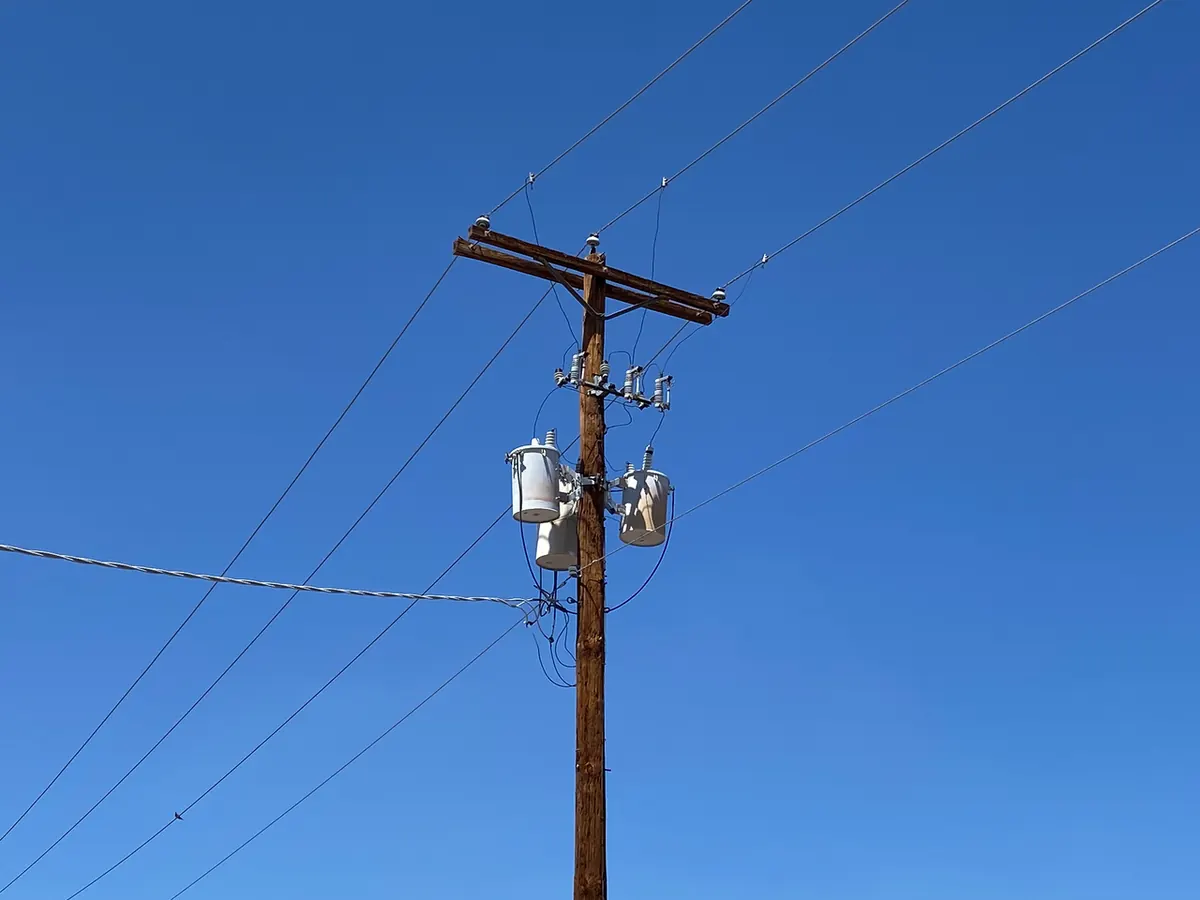
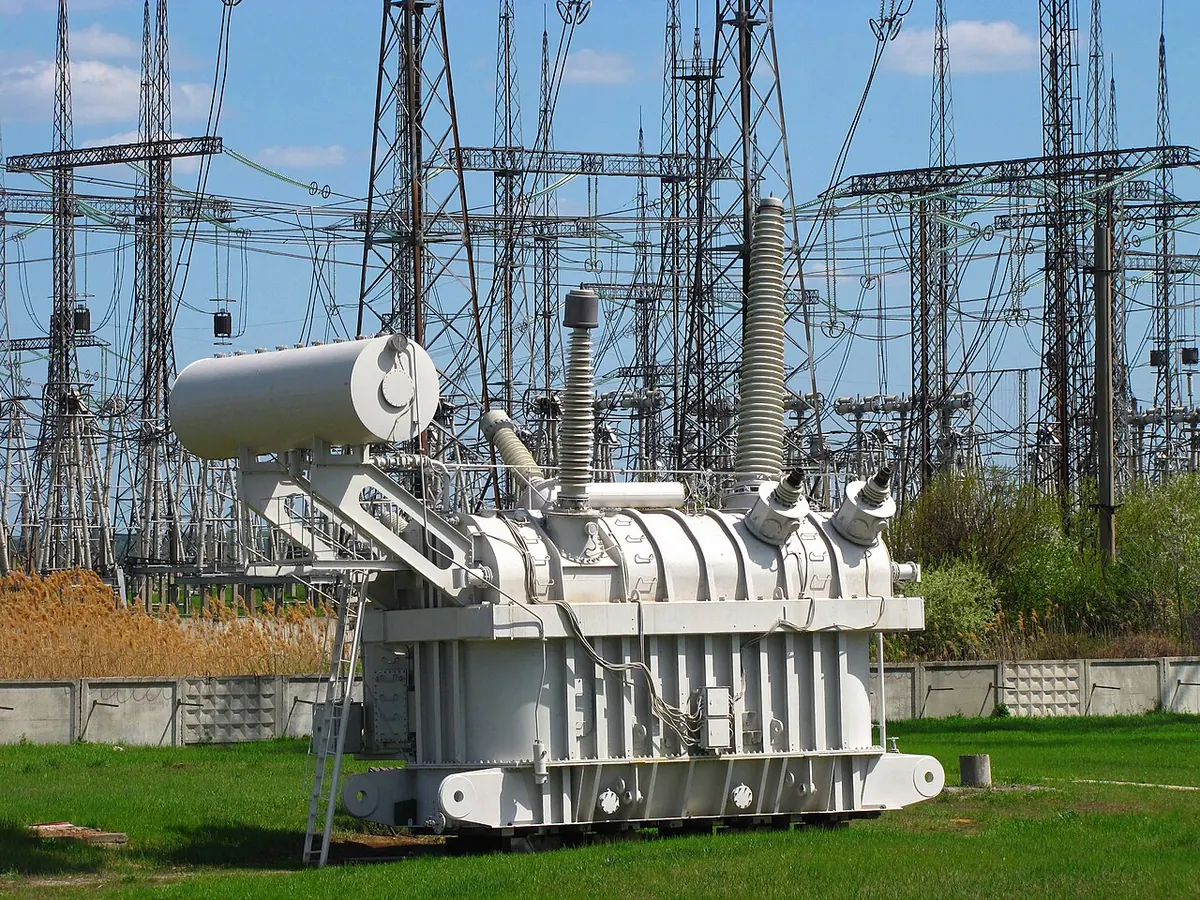
Bangladesh builds distribution transformers for its 11 kV and 33 kV networks and larger units for 33/11 kV substations, and panel builders assemble the LT switchgear around them. Importers and contractors abroad buy by project or tender. At home, factories taking an 11 kV supply in Gazipur, Narayanganj and Chattogram, developers and hospitals in Dhaka, and utilities buy complete substations: HT switchgear, transformer, LT panel and a power factor improvement (PFI) panel.
A transformer runs for decades, so its losses can cost more than its price. Roptan takes your single-line diagram to a verified transformer manufacturer in Bangladesh, gets quotes on the same ratings and guaranteed losses, checks type test reports, witnesses routine tests and delivers to your substation or ships from Chattogram (Chittagong). You deal with Roptan only, or post the requirement on our board.
What to send a transformer manufacturer in Bangladesh
- Rating and voltages
- Give kVA or MVA, voltages such as 11/0.415 kV, vector group and tap range, typically plus or minus 5% in 2.5% steps. Size on maximum demand plus growth.
- Guaranteed losses
- State maximum no-load and load losses in watts, or your loss capitalisation formula, and a penalty per kW above the figure.
- Impedance
- State the percentage impedance, typically 4 to 6% for distribution sizes. It sets downstream fault levels and voltage drop, so match it to your breakers and any unit in parallel.
- Site conditions
- IEC 60076 assumes air no hotter than 40 °C, so say if the unit sits in a closed room or on a rooftop. Near the coast, ask for longer bushing creepage under IEC 60815, and give plinth height above flood level.
- Room and access
- Substation rooms in Dhaka buildings are often tight, so send room size, door width and the lifting route.
- Switchgear duty
- For panels and breakers, give the fault level at the board in kA, the incoming supply and the loads.
Standards, type tests and routine tests to ask for
- IEC 60076
- The power transformer series. Routine tests on every unit cover winding resistance, ratio and vector group, impedance, losses and dielectric tests; temperature rise (part 2) is a type test and short-circuit withstand (part 5) a special test; part 11 covers dry-type units.
- IEC 60296 and IEC 60156
- Mineral insulating oil, and the breakdown voltage test on it. Ask for the oil certificate, and a breakdown voltage result on site before energising.
- IEC 61869-2
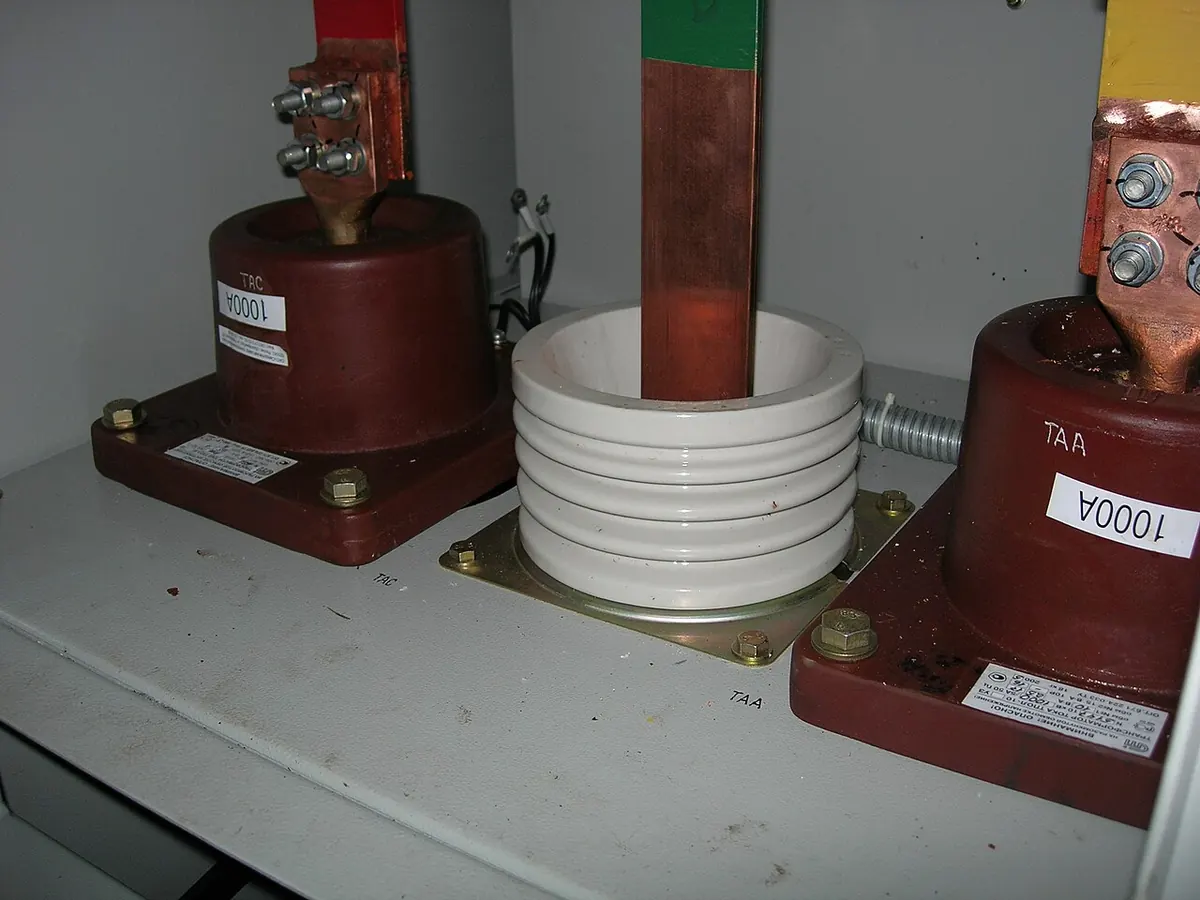
- Current transformers. Ask for the routine test sheet for each CT, and check ratio, class and burden on the rating plate.
- IEC 61439-1 and 61439-2
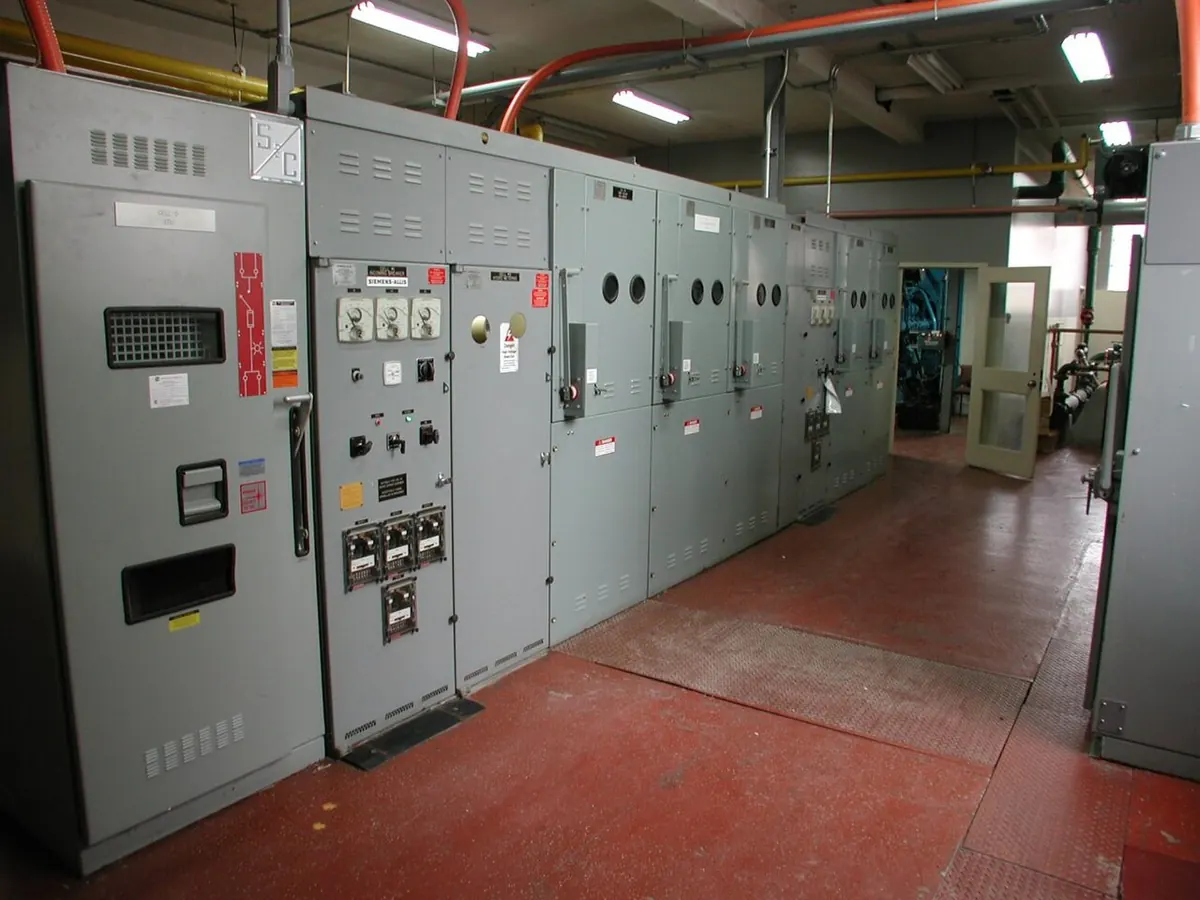
- Low-voltage switchgear assemblies. Ask for design verification, including short-circuit and temperature-rise evidence, and a routine verification record for each panel.
- IEC 62052-11 and IEC 62053-21
- General requirements and accuracy classes for static electricity meters. Meters for a utility must also pass the utility's own acceptance tests.
Lead times and delivery
Standard distribution transformers are often built within 2 to 6 weeks, and some ratings are held in stock; LT panels usually take 3 to 6 weeks after drawing approval, depending on breaker supply. Power transformers with on-load tap changers typically take 3 to 6 months. Imported parts and witnessed tests add time. Roptan confirms dates in the quote.
We deliver to your substation room or plinth anywhere in Bangladesh, with lifting planned for the site. The seller installs and, before energising, tests insulation resistance, ratio and oil breakdown voltage and sets the protection relays. You receive routine test reports per serial number, the oil certificate, drawings, the warranty and a VAT invoice (Mushak 6.3). Agree who arranges the utility's inspection before connection.
Buying transformers and switchgear for export
For importers we quote FOB Chattogram, or FCA at Benapole land port where a road route suits. Distribution transformers ship oil-filled on skids or in ISPM 15 crates; larger units ship with radiators and bushings removed, filled with nitrogen or dry air, with an impact recorder. Documents: commercial invoice, packing list with weights, bill of lading, certificate of origin, routine and type test reports, oil certificate, drawings and manuals.
Questions buyers ask
Oil-filled or dry-type transformer: which do I need?
Oil-filled units cost less and suit outdoor substations with space and oil containment; sealed tanks keep moist air away from the oil in humid sites. Cast resin dry-type units cost more but carry less fire risk, so they suit indoor rooms, basements, hospitals and high-rise buildings. Your consultant and the building's fire rules decide.
Why compare losses if one transformer is cheaper?
No-load loss is paid every hour the unit is energised, whatever the load, and load loss rises with the square of the current. Value each kW of loss over the unit's life at your tariff and loading, add it to the price, and the lowest total is the better buy.
Copper or aluminium windings?
Both work when designed for the rating. Aluminium is lighter and usually cheaper but needs a larger coil for the same losses; copper gives a more compact unit. Specify the losses and impedance you need, then compare guaranteed losses, short-circuit evidence and size, not the metal alone.
How do we size a power factor improvement panel?
From measured data: log kW and kVAr at the main incomer over a normal working week, then size capacitor steps to reach your target power factor without overcorrecting at light load. Where drives and UPS create harmonics, ask for detuned reactors with the capacitors. Sizing from the transformer rating usually buys too much.
Can we witness tests, and how is warranty agreed?
Yes. Routine tests on each unit can be witnessed by you, your consultant or an inspector before dispatch, with the programme agreed in the quote; type tests are shown as reports on the same design. Warranty is agreed in the quote: get the period, cover, exclusions and who repairs in Bangladesh in writing.
How soon will I hear back about transformers and switchgear?
Within 48 hours of a complete requirement, with a price and a delivery date. A requirement is complete when it has the quantity, where it is needed and by when.
Who do I deal with?
With Roptan, when Roptan manages the order: we buy from the verified seller and deliver to you. With the supplier directly, when you post on the requirement board and choose a quote yourself.