Managed sourcing from Bangladesh, for export and for buyers at home
Get it sourced

Electrical and electronics

Cable manufacturer in Bangladesh

Looking for a cable manufacturer in Bangladesh? Send the cable type, size, voltage rating, standard and lengths. We source house wiring, power, solar cables and enamelled copper wire from verified makers, test conductor resistance on your lot, and deliver or ship FOB Chattogram.

  • Verified sellers
  • Checked before it ships
  • Delivered by Roptan

Get cables and wires sourced

Prefer to deal with suppliers yourself? Post it on the requirement board

Cable products

Pick a product and we source it for you, or send one requirement that covers several.

Buying cables and wires in Bangladesh

Cables made in Bangladesh go into buildings, factories, the 11 kV distribution network, solar plants and appliances. Importers abroad buy house wiring cables, flexible cords and enamelled copper wire. At home, the buyers are electrical contractors and developers in Dhaka and Chattogram (Chittagong), factories in Gazipur and Narayanganj, utilities and solar installers, and the fan, motor and transformer makers who wind their own coils.

Cable looks the same from outside, so the risk is inside: thinner copper, fewer strands, short coils or weaker insulation. Roptan takes your cable schedule to a verified cable manufacturer in Bangladesh, checks type test reports, measures conductor resistance on samples from your lot, and delivers to site or ships FOB Chattogram. You deal with Roptan only, or post the requirement on our board.

Cables and wires we source

House wiring cables

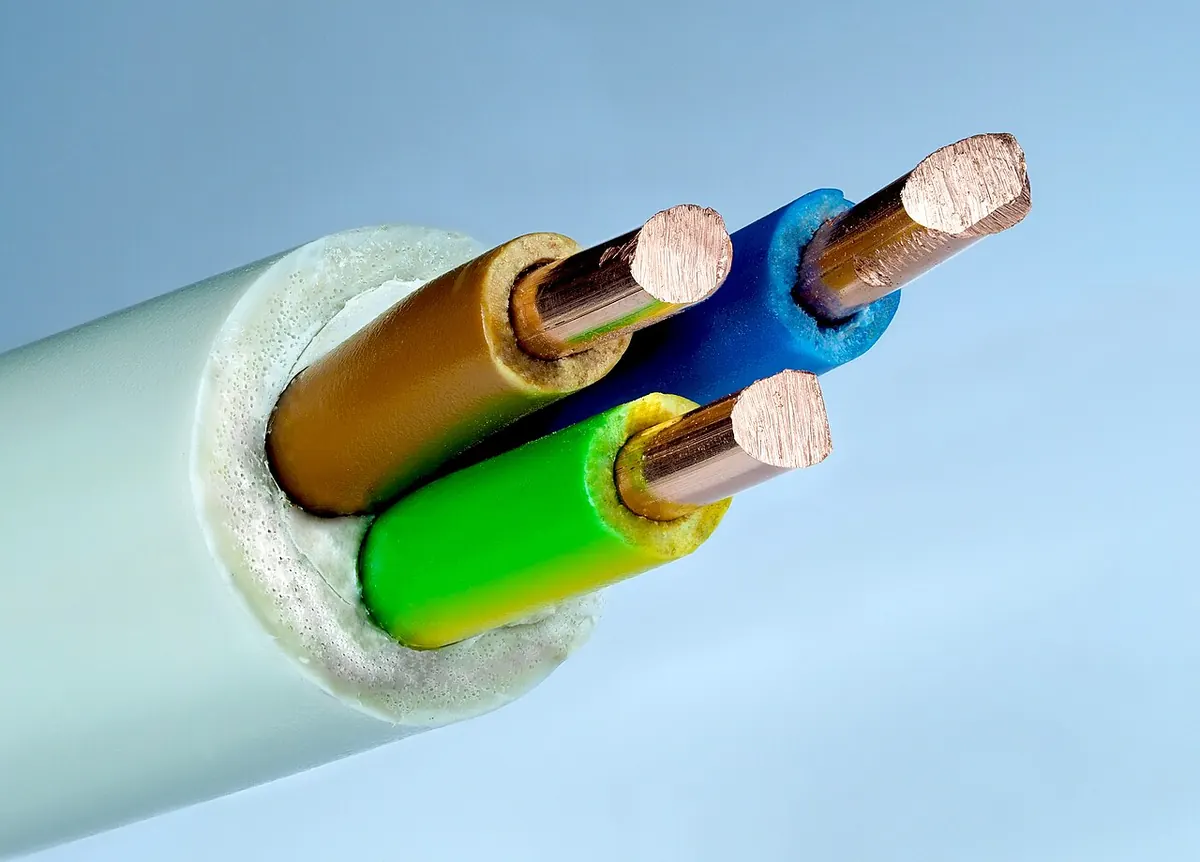
PVC-insulated copper cables for lights, sockets and distribution boards, fixed in conduit, usually 1.5 to 10 mm², solid or stranded, to IEC 60227 or its national version. Stranded conductors pull through conduit more easily.

Power cables

Copper or aluminium multi-core cables with XLPE or PVC insulation, armoured for direct burial, to IEC 60502: 0.6/1 kV for low-voltage feeders and medium-voltage types for 11 kV networks.

Enamelled copper wire

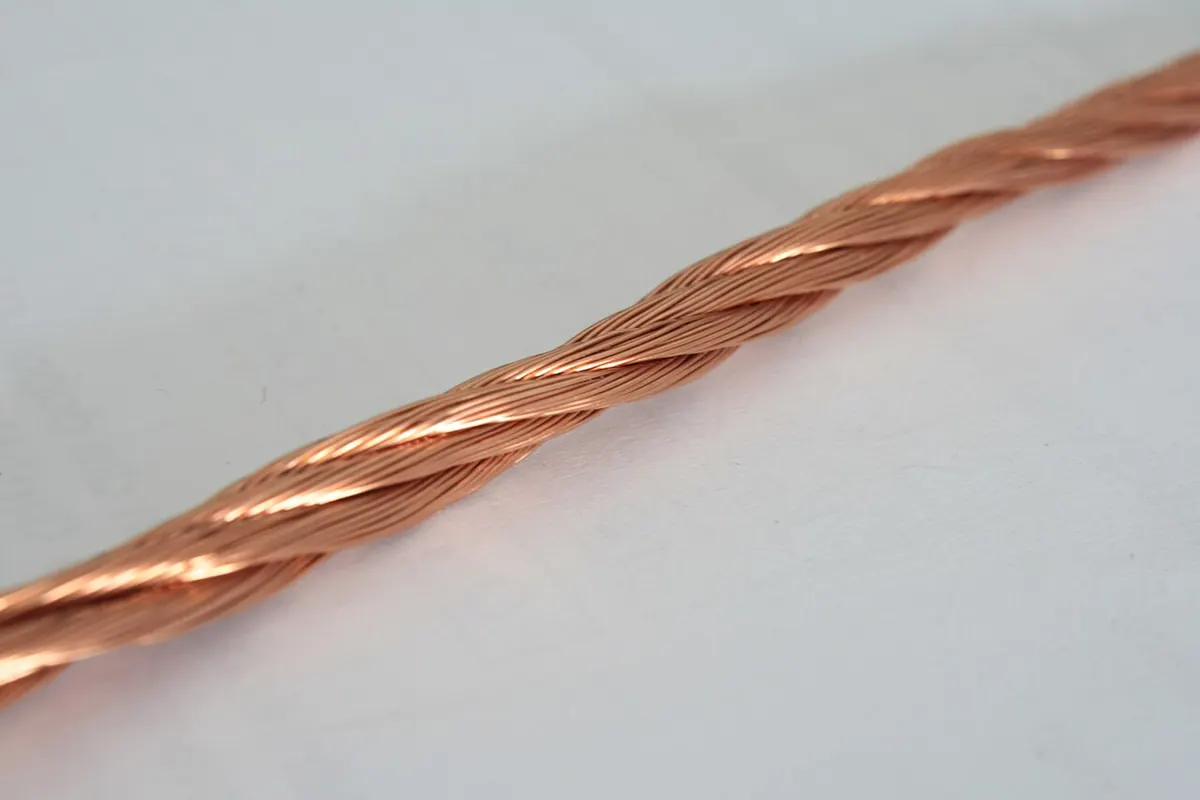
Copper wire with a baked enamel film for motor, fan, pump and transformer windings, sold by weight on spools, to the IEC 60317 series. Specify bare diameter, enamel grade, thermal class such as 155 or 180 °C, and the spool type.

Flexible cords

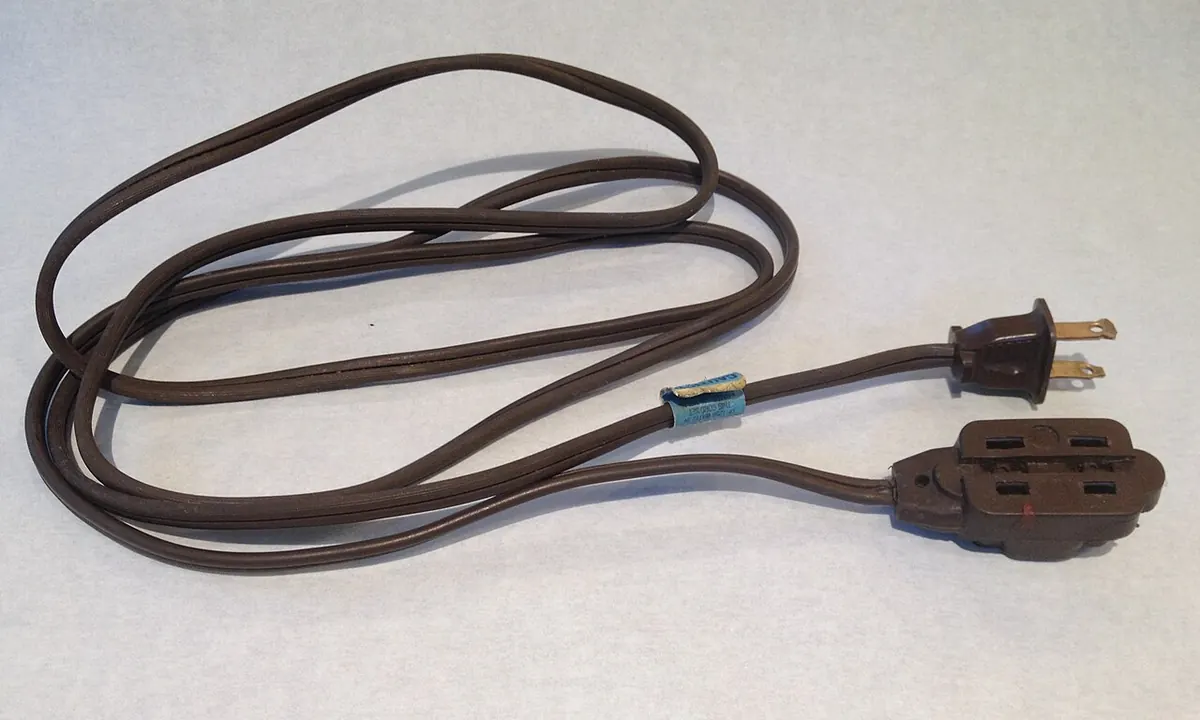
Multi-core cords with fine-stranded class 5 conductors for appliances, extension leads and machines that move, usually 300/500 V. PVC sheaths suit light indoor use; rubber sheaths suit heavy and outdoor use.

Solar cables

Single-core cables for PV strings, usually 4 or 6 mm², with tinned copper and cross-linked, halogen-free insulation, rated 1.5 kV DC to EN 50618 or IEC 62930.

Data and coaxial cables

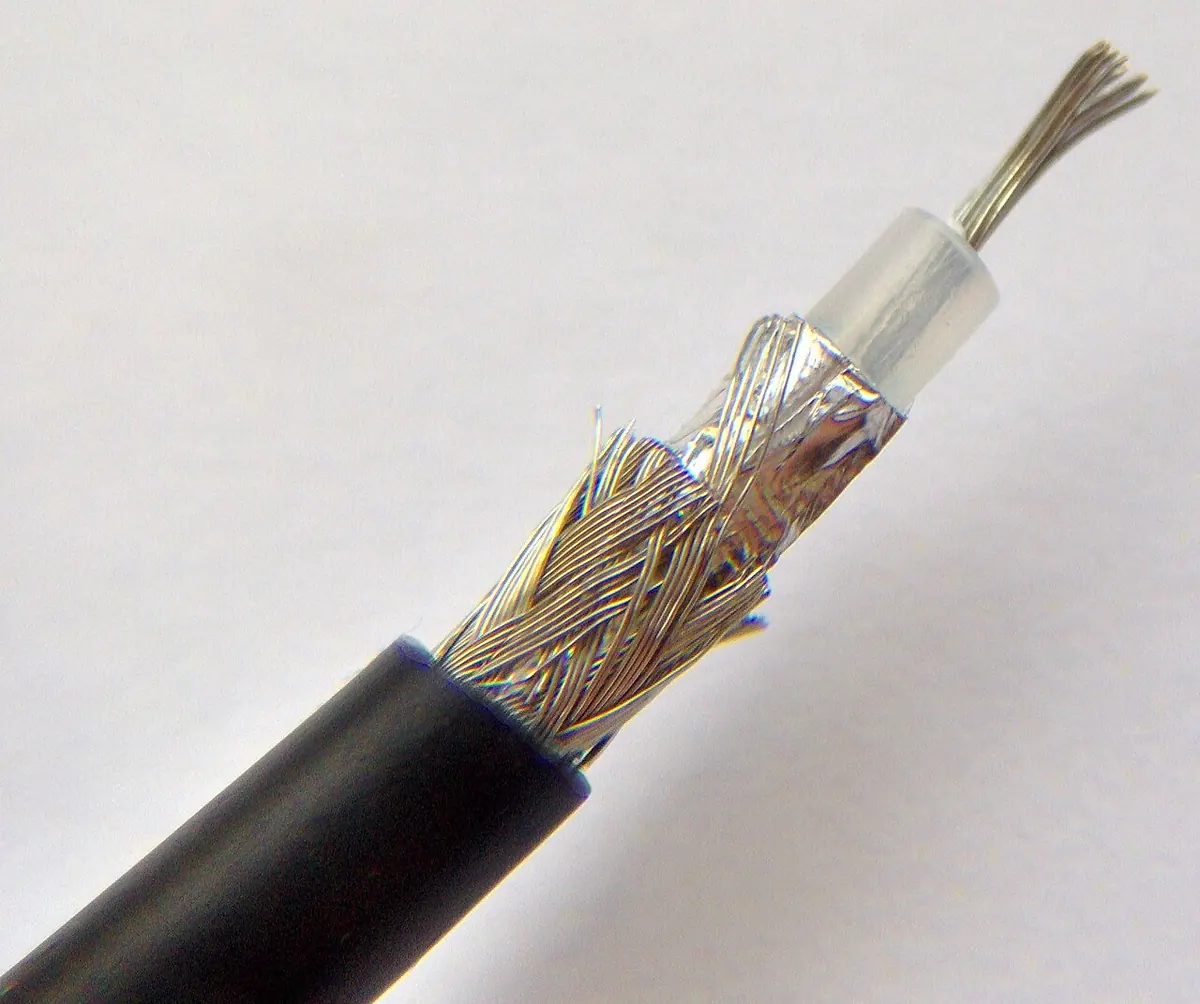
Twisted-pair network cables to Cat 5e or Cat 6, and 75 ohm coaxial cables such as RG6 and RG59 for CCTV and cable TV. Ask for solid copper: copper-clad aluminium costs less but does not meet the category standards.

What to tell a cable manufacturer in Bangladesh

Standard and type
Name the standard and type designation, for example IEC 60227 single core or IEC 60502 armoured four core. The standard fixes insulation thickness, test voltages and marking.
Conductor
Copper or aluminium, cross-section in mm² and conductor class: 1 solid, 2 stranded, 5 flexible.
Voltage rating
State U0/U, the voltage to earth and between conductors, such as 450/750 V for building wire or 0.6/1 kV for low-voltage power cable; for medium voltage, give the system voltage.
Installation and site
Say whether the run is in air, conduit, tray or buried, with temperature, grouping and any flooding. Heat and bunching cut the current rating, and buried medium-voltage cable in wet ground needs water blocking.
Fire behaviour
For hospitals, high-rise buildings and escape routes, ask for flame retardant cable to IEC 60332 and, where smoke matters, low smoke halogen-free types tested to IEC 61034 and IEC 60754.
Lengths, drums and marking
State coil or drum lengths, the length tolerance and whether drums are returnable, and ask for type, size, voltage, standard, brand, batch and metre marks printed on the sheath.

Cable standards and acceptance tests

IEC 60227
PVC-insulated cables up to 450/750 V, covering building wire and flexible cords. Ask for routine test records and a type test report for the size range quoted.
IEC 60502-1 and 60502-2
Power cables with extruded insulation from 1 kV to 30 kV. Ask for a routine test sheet for every drum; screened medium-voltage cables get partial discharge and voltage tests.
IEC 60228
Conductor classes and maximum resistance per km at 20 °C. A resistance test on a sample finds undersized copper.
IEC 60317 and IEC 60851
Specifications for enamelled winding wires, and their test methods: dimensions, elongation, breakdown voltage, pinholes and heat shock. Ask for a test sheet per lot.
EN 50618 and IEC 62930
Cables for photovoltaic systems rated 1.5 kV DC, with sunlight, ozone and temperature tests. Ask for a certificate from an accredited body.
EN 50575 (EU CPR)
Cables fixed in EU buildings need a reaction-to-fire class from Aca to Fca, a declaration of performance and CE marking. Confirm the class before quoting.

What moves the price of cable

  • Copper: most of the cost, so quotes follow the international copper price and hold only for days.
  • Conductor: aluminium costs less than copper for the same current but needs a larger size; fine-stranded flexible conductors cost more to make.
  • Insulation and construction: XLPE, halogen-free, rubber and solar compounds cost more than PVC, and armour and screens add metal and weight.
  • Tests: third-party type tests, witnessed routine tests and EU CPR classification.
  • Lengths and packing: short cut lengths, non-returnable drums and heat-treated wooden drums raise the price per metre.

Lead times and delivery

Common house wiring and flexible sizes are often in stock and deliver within days to two weeks. Power cables made to order typically take 3 to 6 weeks, and medium-voltage cables or special compounds longer, often 6 to 10 weeks. Witnessed tests, new type tests and imported compound add time. Roptan confirms dates and any minimum length per size in the quote.

We deliver coils and drums to sites and factories in Dhaka, Chattogram, Gazipur and Narayanganj, with cable ends sealed and drums rolled only in the direction of the arrow. For medium-voltage cable, jointing, termination and the tests after laying are done by the seller or your electrical contractor, as agreed in the quote. You receive routine test sheets matched to drum numbers, the warranty and a VAT invoice (Mushak 6.3).

Buying cables and wires for export

For importers we quote FOB Chattogram, usually by the full container, with drums blocked and lashed, coils palletised and wooden drums heat-treated and marked to ISPM 15. Documents: commercial invoice, packing list with drum numbers, lengths and weights, bill of lading, certificate of origin, routine test sheets, type test reports and, for EU GSP, a REX statement on origin. Before loading we arrange a check of marking, length and conductor resistance on sample drums.

What we check for this order

  • Trade licence, ERC and BSTICurrent, in the name on the quote, with BSTI certification where the cable type requires it for sale in Bangladesh.
  • Type tests for the construction quotedReports from the factory lab or an accredited third party for the same type, voltage, insulation and size range.
  • Conductor resistance on your lotSamples from your drums measured at 20 °C against IEC 60228 limits, with strand count, insulation thickness and length marks, before payment.
  • A visit to the plantBefore the first order we see wire drawing, stranding, extrusion and the test bay, and get warranty terms in writing.

Questions buyers ask

How can I tell if a cable has less copper than its stated size?

Measure conductor resistance per km at 20 °C against the IEC 60228 maximum for that size and class. An undersized conductor, fewer strands or copper-clad aluminium fails it even when the insulation looks right. Weighing a metre of stripped conductor is a second check. We test samples from your lot before payment.

Should power cables have XLPE or PVC insulation?

XLPE for most new work. It runs at 90 °C against 70 °C for PVC, so the same size carries more current. PVC remains common for smaller low-voltage cables. In hot plant rooms and bunched trays, the XLPE margin matters.

Can I use ordinary wire for rooftop solar panels?

No. PV strings need solar cable to EN 50618 or IEC 62930, rated 1.5 kV DC and resistant to sunlight and ozone. PVC building wire is not made for years of rooftop sun at DC string voltages, and its insulation degrades early.

Why do cable quotes expire so quickly, and what is the minimum order?

Copper is most of the price and moves every day, so many makers hold a quote for a few days or fix the price on the day of order. Stock sizes sell by the coil or drum; cable made to order usually carries a minimum length per size, often a full drum.

Which cable standard should an export order follow?

The one your market and installers use. IEC 60227 and IEC 60502 are common; some markets ask for national versions, and cables fixed in EU buildings need a CPR fire class under EN 50575. Tell us the standard and type designation, and we source a maker whose type tests cover it.

How soon will I hear back about cables and wires?

Within 48 hours of a complete requirement, with a price and a delivery date. A requirement is complete when it has the quantity, where it is needed and by when.

Who do I deal with?

With Roptan, when Roptan manages the order: we buy from the verified seller and deliver to you. With the supplier directly, when you post on the requirement board and choose a quote yourself.