Managed sourcing from Bangladesh, for export and for buyers at home
Get it sourced

Bicycles, vehicles and ships

Ship and boat manufacturer in Bangladesh

Looking for a ship and boat manufacturer in Bangladesh? Send the vessel type, main dimensions, class, flag and route. We source vessels from verified yards, compare quotes on the same specification, check class approval, surveys and trials, and follow the build to delivery.

  • Verified sellers
  • Checked before it ships
  • Delivered by Roptan

Get ships and boats sourced

Prefer to deal with suppliers yourself? Post it on the requirement board

Ship and boat products

Pick a product and we source it for you, or send one requirement that covers several.

Buying ships and boats in Bangladesh

Shipyards on the Karnaphuli in Chattogram (Chittagong), around Narayanganj and Dhaka, and in Khulna build coastal cargo vessels, tugs, pontoons, passenger vessels, fishing trawlers and dredgers, and some build sea-going ships to class for foreign owners. At home, the buyers are inland and coastal operators, port and river authorities and dredging contractors. A vessel is a project, not a product, so contract terms matter as much as price.

A ship and boat manufacturer in Bangladesh builds to a contract, drawings and class rules, so the specification and survey regime decide the result. Roptan turns your requirement into one technical specification, sources from verified yards, checks drawing approval, surveyor attendance, trials and certificates, and arranges delivery. You deal with Roptan only, or post the requirement on our board.

Ships and boats we source

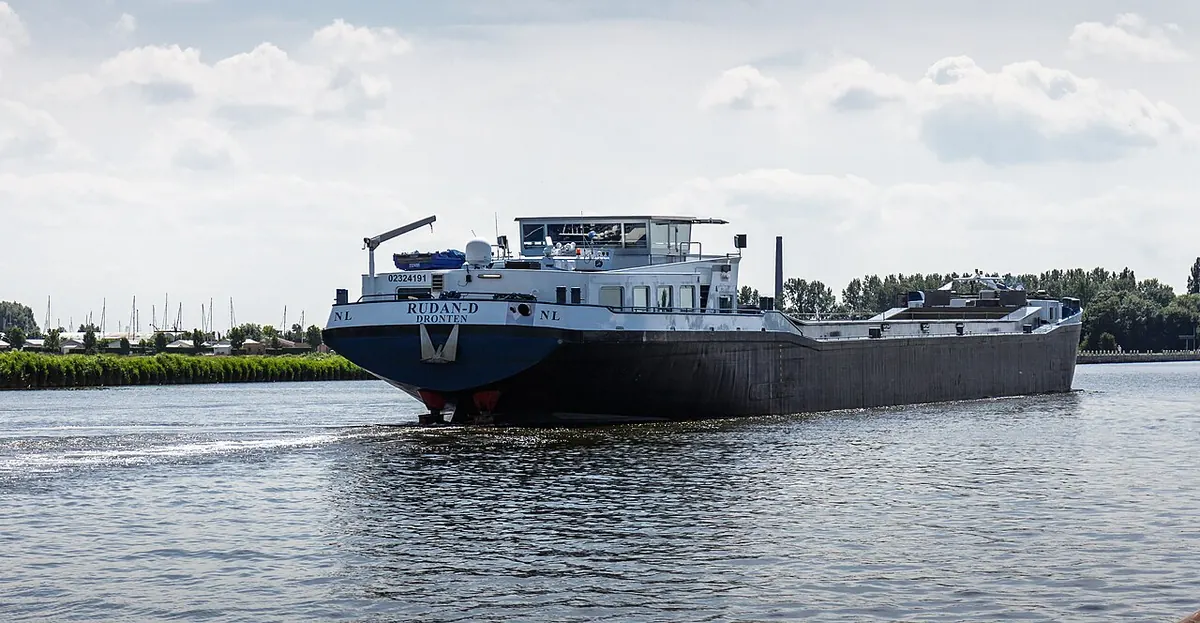
Coastal cargo vessels

Coastal and inland cargo ships, oil tankers and container feeders, sized by deadweight (DWT), the tonnes of cargo, fuel and stores they can carry. Specify hold or tank volume, draught for your channels, service speed and trading area.

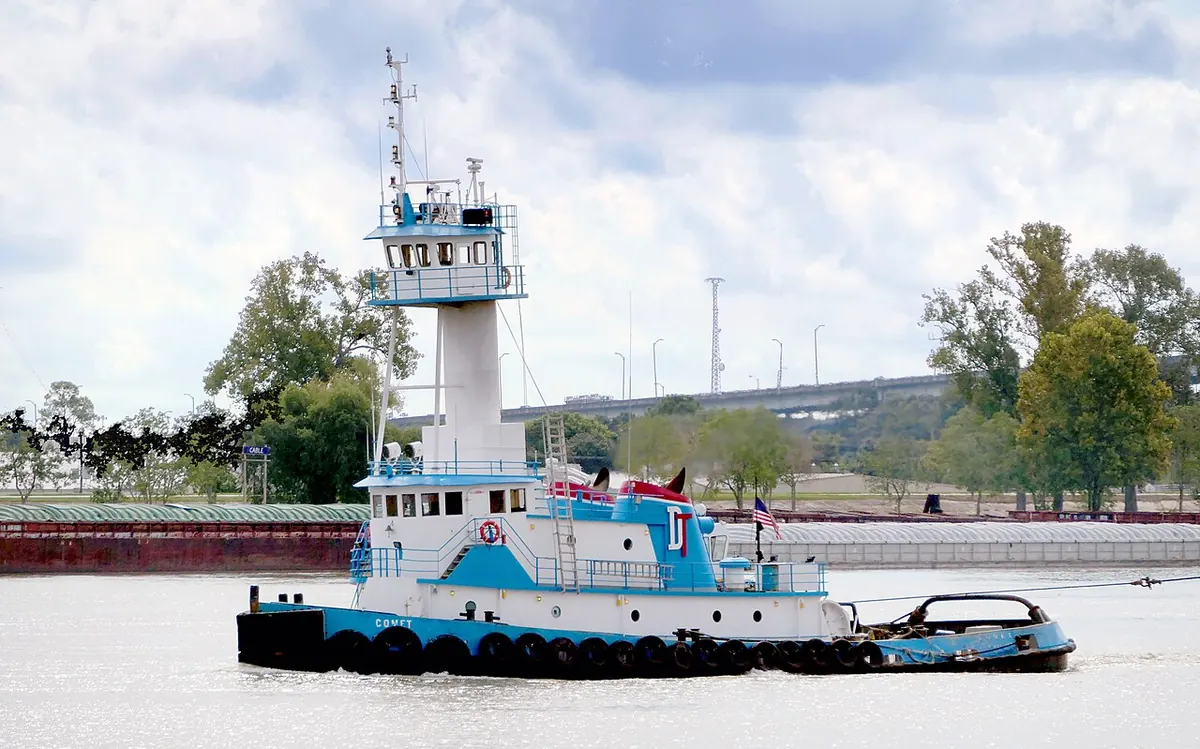
Tugboats

Harbour, river and coastal tugs with twin screws or azimuth stern drives that push in any direction. Specify bollard pull in tonnes, free running speed, towing winch or hook, fendering and fire-fighting equipment.

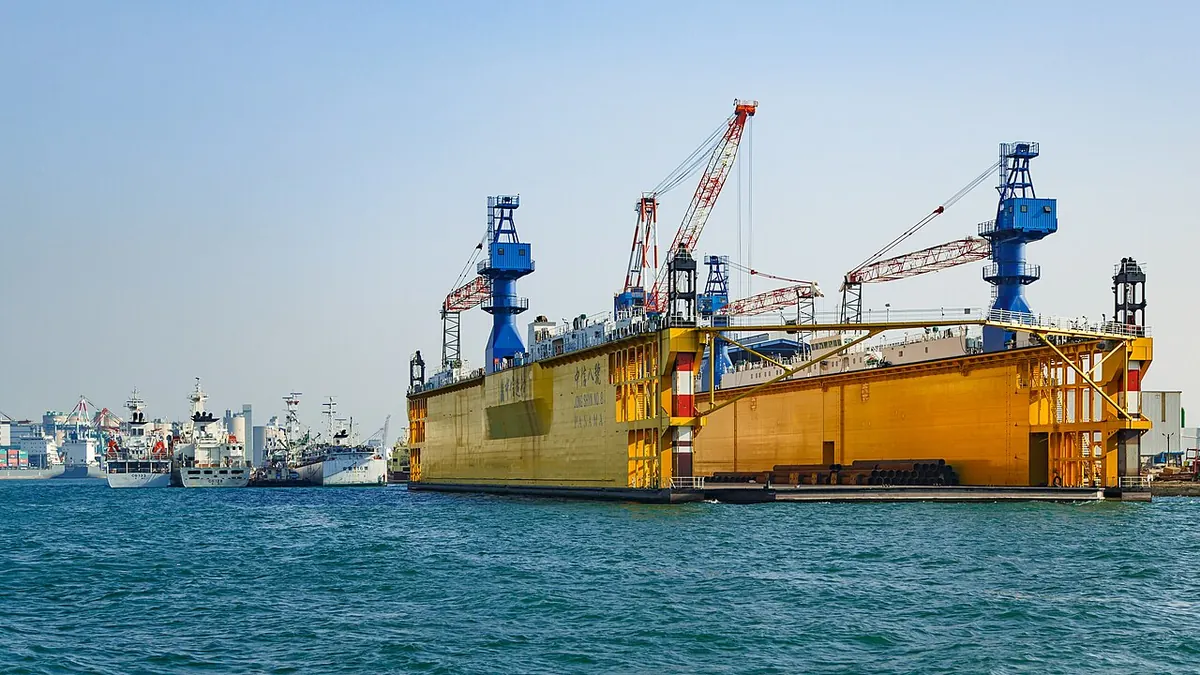
Pontoons and floating docks

Steel pontoons for jetties, ferry landings, cranes and work platforms, and floating docks that lift vessels for repair, rated by lifting capacity. Specify main dimensions, deck load in tonnes per m², freeboard, watertight compartments, mooring and coating.

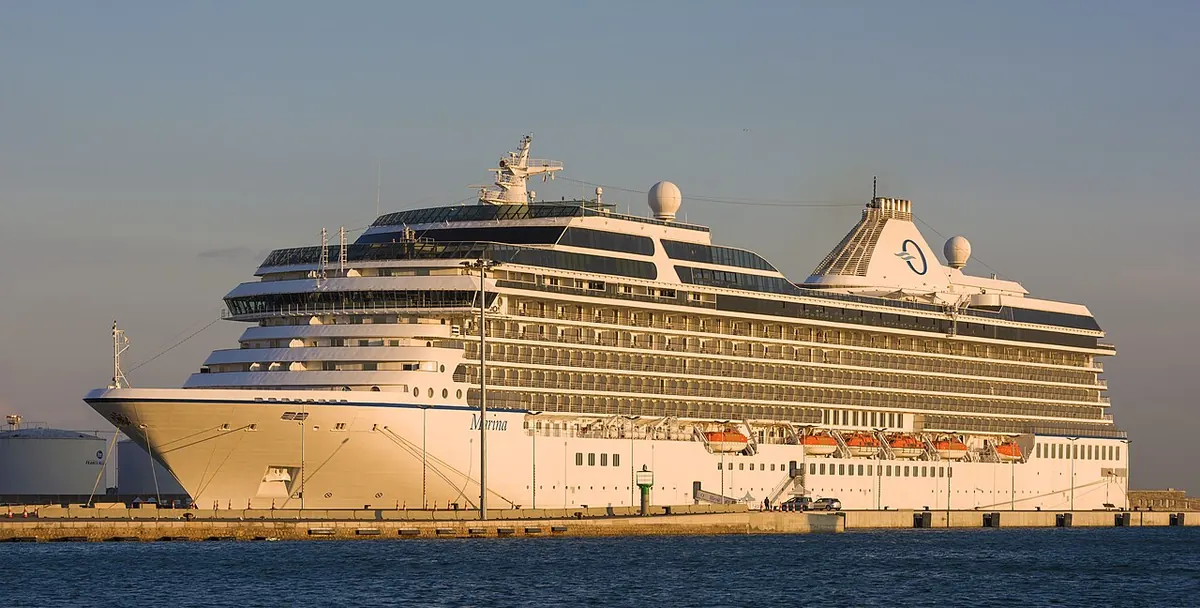
Passenger vessels

River and coastal launches, ferries, waterbuses and tourist craft rated by passenger numbers. Specify route and weather limits, speed, seating, stability to the flag's rules, life-saving appliances for everyone aboard, fire safety and escape routes.

Fishing trawlers

Steel trawlers and fishing vessels. Specify length, fish hold volume in m³ and insulation, ice or refrigerated sea water cooling, trawl winch and net drum, endurance and engine power, and agree who supplies fishing gear.

Dredgers

Cutter suction dredgers for rivers and land filling, sized by discharge pipe diameter, and trailing suction hopper dredgers that carry spoil on board. Specify dredging depth, soil type, output in m³ per hour, pump power and discharge pipe length.

What to send a ship and boat manufacturer in Bangladesh

Service and route
Describe the cargo or duty, route, channel depths and weather limits: river, coastal or open sea. They decide hull form, draught, freeboard and the rules the vessel is built to.
Main particulars
Give length overall, breadth, depth, design draught, deadweight or passenger numbers, and any gross tonnage limit if fees or crewing rules depend on it.
Class and flag
Name the class society and notation and the flag. Class approves drawings and attends building; the flag issues statutory certificates. Changing either after design approval costs time and money.
Propulsion and maker's list
State engine power in kW, speed, fuel, gearbox and propeller, generator capacity, deck machinery and navigation equipment, each by type and origin, with service support where the vessel works.
Materials and welding
Hull steel with class certificates, such as grade A or AH36, plate thickness, the coating system with dry film thickness in microns, and weld testing agreed with class.
Trials and acceptance
Define trials for speed, endurance, manoeuvring, anchoring and steering, bollard pull for tugs, and the inclining experiment, with the figures that count as a pass.
Heat and river water
Tropical heat needs engine room ventilation and air-conditioned accommodation; silt-laden river water needs strainers and cooling systems that can be cleaned easily.

Class, statutory rules and handover certificates

IACS member class society
Sea-going vessels are built to the rules of a class society, which approves drawings, attends building and issues class certificates. Ask for the yard's past vessels under the society you name.
Department of Shipping
Bangladesh's maritime administration: it registers Bangladesh-flag vessels, inland ones included, and issues their survey and fitness certificates.
SOLAS, MARPOL and Load Lines
International conventions on safety, pollution prevention and freeboard for ships on international voyages, where size and type bring them in, with certificates from the flag state or class.
Stability booklet and inclining test
An approved stability booklet based on the inclining experiment, giving loading conditions for the master. No vessel should be handed over without it.
Builder's certificate and protocol of delivery
The papers that transfer the vessel and let you register it: builder's certificate, protocol of delivery and acceptance, and bill of sale.

What moves the price of a vessel

  • Steel weight: lightship weight, plate thickness and class steel grades drive hull cost, and steel prices move over a long build.
  • Main engine, gearbox and propulsion, usually imported: power, origin and service support take a large share of the contract price.
  • Class and flag: survey fees, drawing approvals and certified materials; a classed vessel costs more but insures and resells more easily.
  • Outfitting: accommodation, air conditioning, navigation and communication equipment.
  • Trials, guarantees and delivery: sea trials, bank refund guarantees for stage payments, delivery voyage or heavy-lift shipping.

Lead times and delivery

Small craft, pontoons and river vessels typically take 3 to 9 months from contract, and larger coastal vessels, tugs, trawlers and dredgers 9 to 18 months. Imported engines and equipment, class drawing approval, the yard's order book and the monsoon, which slows outdoor work, set the pace. Roptan confirms milestone dates in the quote and contract.

For owners in Bangladesh, the vessel is handed over at the yard or delivered under its own power after trials, with its survey certificates, the stability booklet, as-built drawings, manuals, the spare parts list, trial reports and the guarantee terms, usually 12 months. The yard supports registration and crew familiarisation. You receive a VAT invoice (Mushak 6.3) where it applies.

Buying ships and boats for export

For foreign owners, delivery is usually at the yard under a protocol of delivery and acceptance, since a vessel is delivered under the shipbuilding contract rather than FOB. It then sails with a delivery crew, goes on a heavy-lift ship or under tow; small craft and pontoons ship as deck cargo from Chattogram. Documents: builder's certificate, bill of sale, class and statutory certificates, stability booklet, export papers, certificate of origin, drawings and manuals.

What we check for this order

  • Trade licence and ERCCurrent, and in the name on the contract, so export documents and payment papers match the yard.
  • Class approval and recordsApproved drawings, class surveyor attendance records and hull steel certificates checked at each milestone, and similar vessels the yard has delivered.
  • Guarantee and spare parts in writingGuarantee period and cover, how defects abroad are handled, and the spare parts supplied with the vessel.
  • A visit to the yardBefore the contract we see the slipway, steel stock, welding, a vessel under construction, past deliveries and how the yard launches.

Questions buyers ask

Does my vessel need class, and which society?

Sea-going ships almost always do, because flag states, insurers and banks expect it, usually from an IACS member; inland and harbour craft may be built to the flag's own rules, though class helps insurance, finance and resale. Name the class and notation in the contract.

How are shipbuilding payments usually made?

In stages tied to milestones, commonly contract signing, steel cutting, keel laying, launching and delivery. Ask for a bank refund guarantee against each advance, so you can recover money if the yard fails to deliver, and pay the last instalment only after trials and acceptance. Small craft may use a simple deposit and balance.

How is bollard pull proved on a tug?

By a test at trials: the tug pulls at full power against a load cell fixed ashore, in deep water with little current, for a set time, witnessed by class or your surveyor. Write the minimum bollard pull and the test method into the contract.

Can a vessel built in Bangladesh sail to my port on its own?

Often, yes. Coastal and sea-going vessels can make a delivery voyage with a delivery crew, insurance and provisional registration under your flag; river craft, pontoons and dredgers usually go on a heavy-lift ship or under tow. Confirm who pays for fuel and crew.

How do I follow the build from abroad, and what if it is late?

Appoint a surveyor to attend key stages alongside class, with inspection points fixed in the contract; we also report at each milestone with photos and class records before you release a payment. The contract should set capped liquidated damages per day of delay after a grace period, and a right to cancel after a longer delay.

How soon will I hear back about ships and boats?

Within 48 hours of a complete requirement, with a price and a delivery date. A requirement is complete when it has the quantity, where it is needed and by when.

Who do I deal with?

With Roptan, when Roptan manages the order: we buy from the verified seller and deliver to you. With the supplier directly, when you post on the requirement board and choose a quote yourself.