Managed sourcing from Bangladesh, for export and for buyers at home
Get it sourced

Metals and recycling

Metal scrap exporter in Bangladesh

Looking for a metal scrap exporter in Bangladesh? Send the grade, specification, tonnage and delivery terms. We source ferrous and non-ferrous scrap from verified yards and mills, check grade, composition, radiation and weight on each lot, and ship FOB Chattogram.

  • Verified sellers
  • Checked before it ships
  • Delivered by Roptan

Get metal scrap sourced

Prefer to deal with suppliers yourself? Post it on the requirement board

Metal scrap products

Pick a product and we source it for you, or send one requirement that covers several.

Buying metal scrap in Bangladesh

Bangladesh generates metal scrap from ship recycling at Sitakunda near Chattogram (Chittagong), from steel mills, foundries and factories, and from cable, motor and building demolition. Buyers abroad take graded scrap, mill scale, slag and metal-bearing ash. At home, re-rolling mills and foundries in Chattogram, Narayanganj and Dhaka buy melting scrap.

A metal scrap exporter in Bangladesh sells by grade and weight, and both are easy to dispute once the ship sails. Roptan turns your specification into one order, sources from verified yards and mills, confirms the grade can be exported, checks each lot's grade, composition, moisture, radiation and weight, and ships from Chattogram. You deal with Roptan only, or post the requirement on our board.

Metal scrap we source

Heavy melting scrap

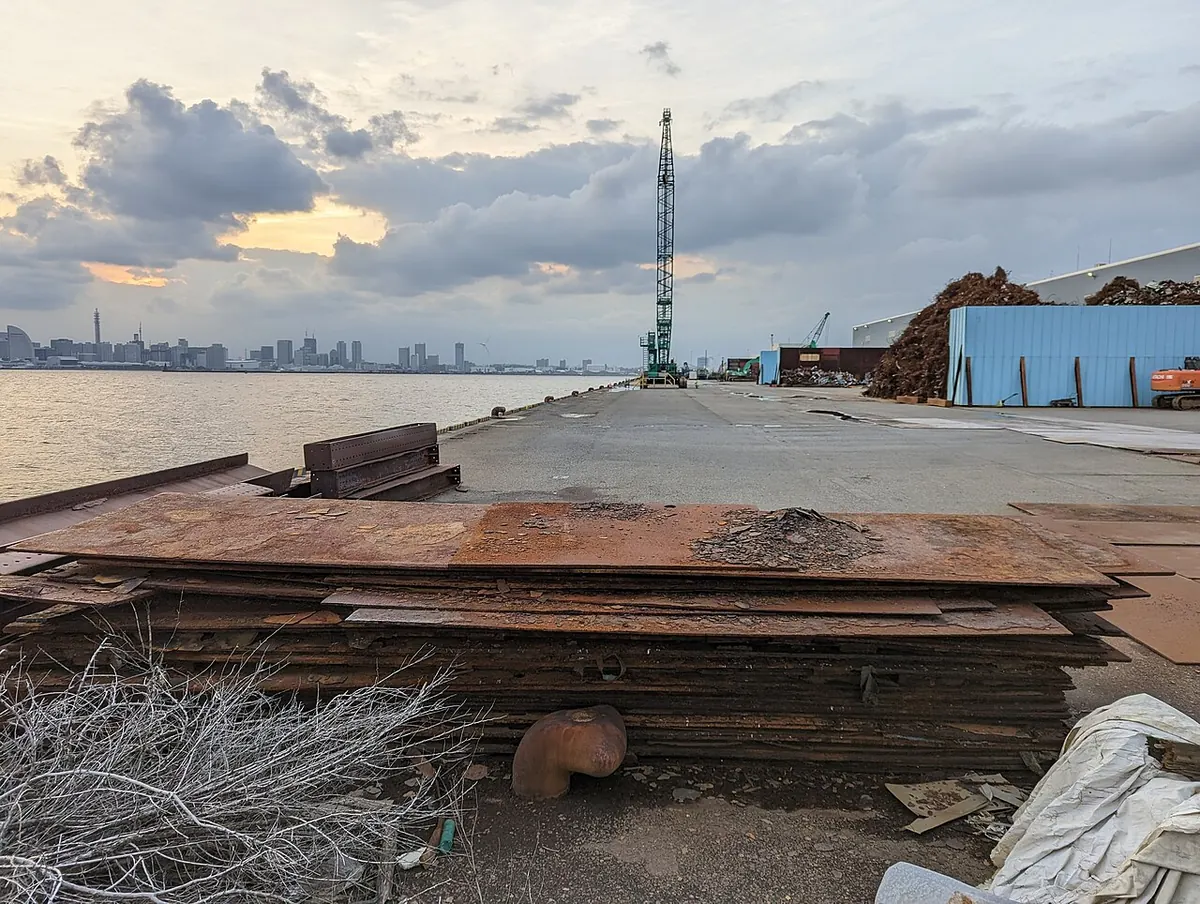
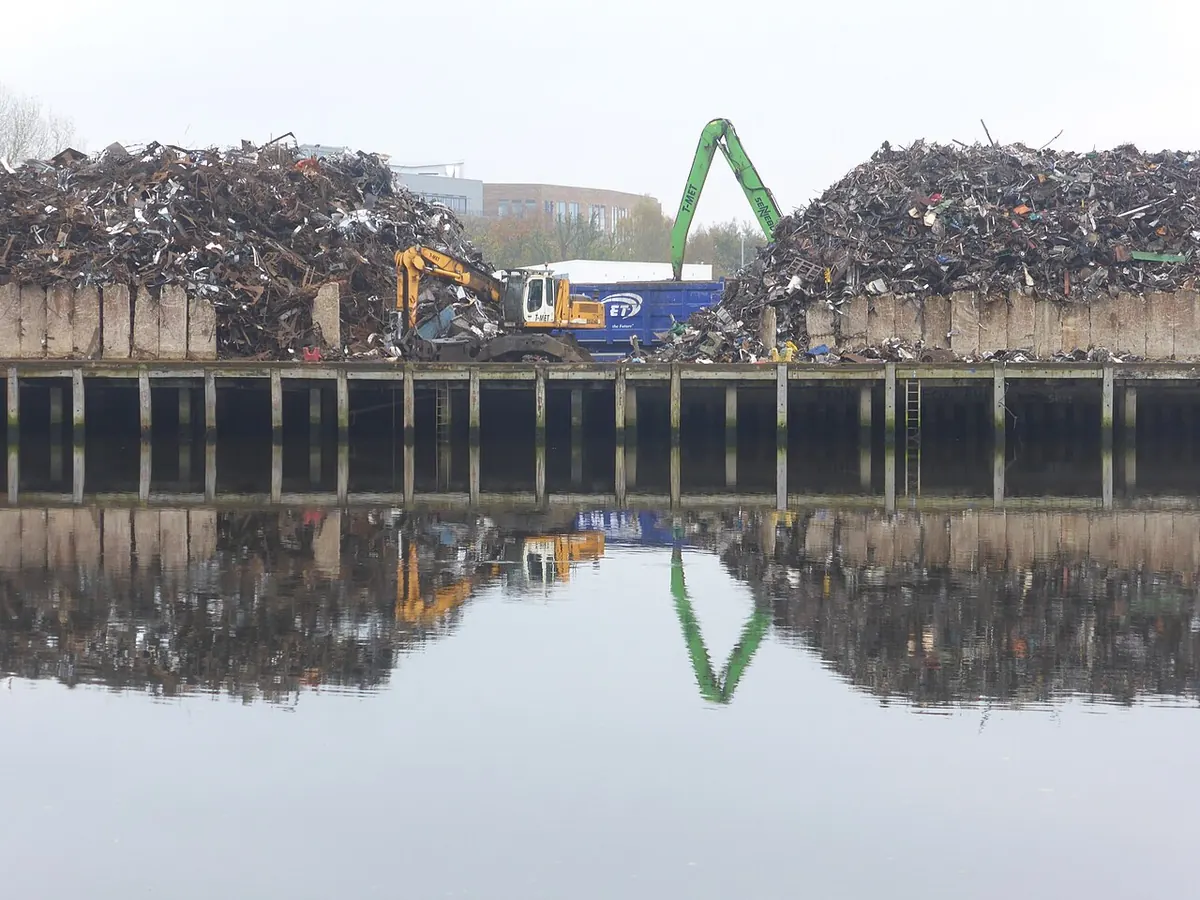
Ferrous melting scrap cut to charging-box size and graded under ISRI specifications as HMS 1 or HMS 2, often traded as an 80:20 blend. Rust, coatings and non-metallic content set the price.

Copper scrap

Bare bright wire, clean and mixed copper wire, heavy solids and tube, insulated cable and turnings. Specify the grade by ISRI name, such as Barley, Berry or Birch, or your national standard, with minimum copper content and limits for insulation, oil and moisture.

Aluminium scrap

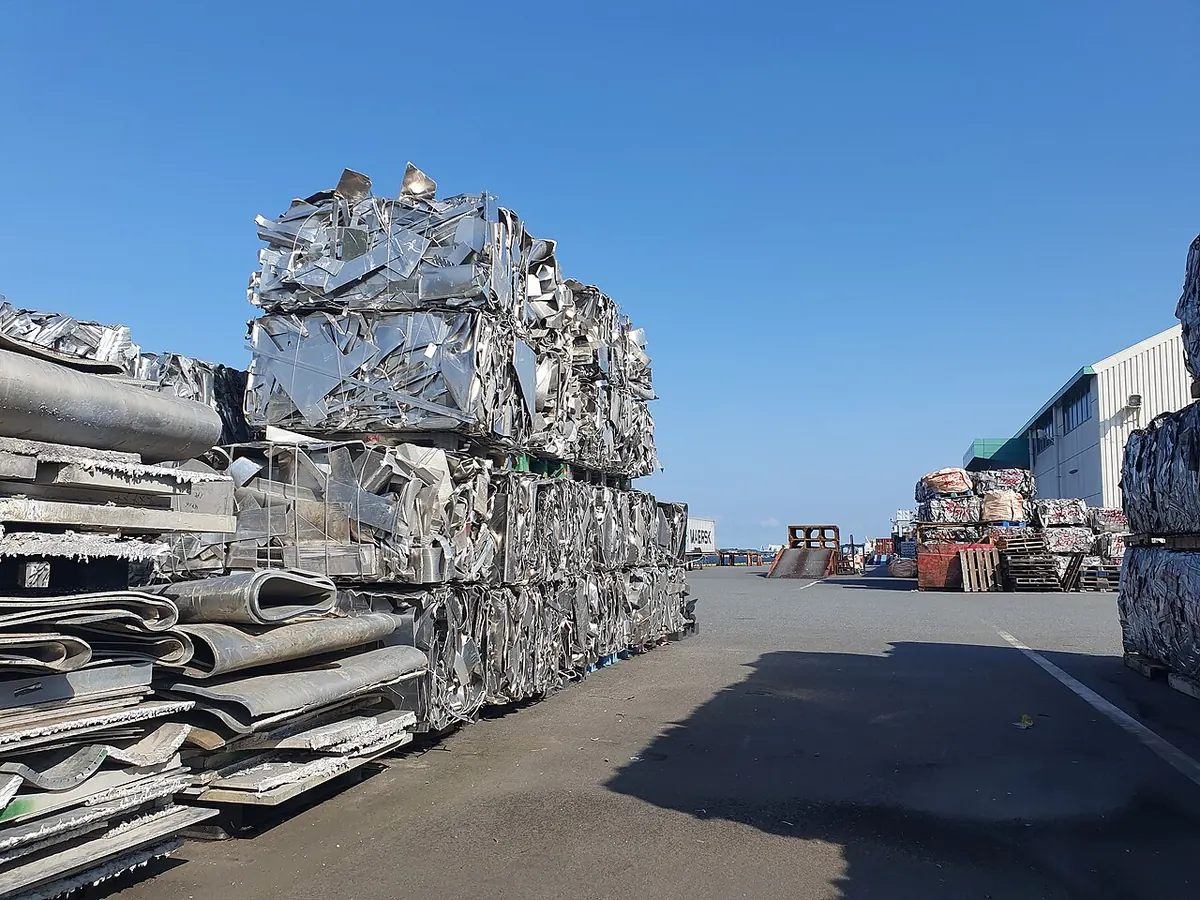
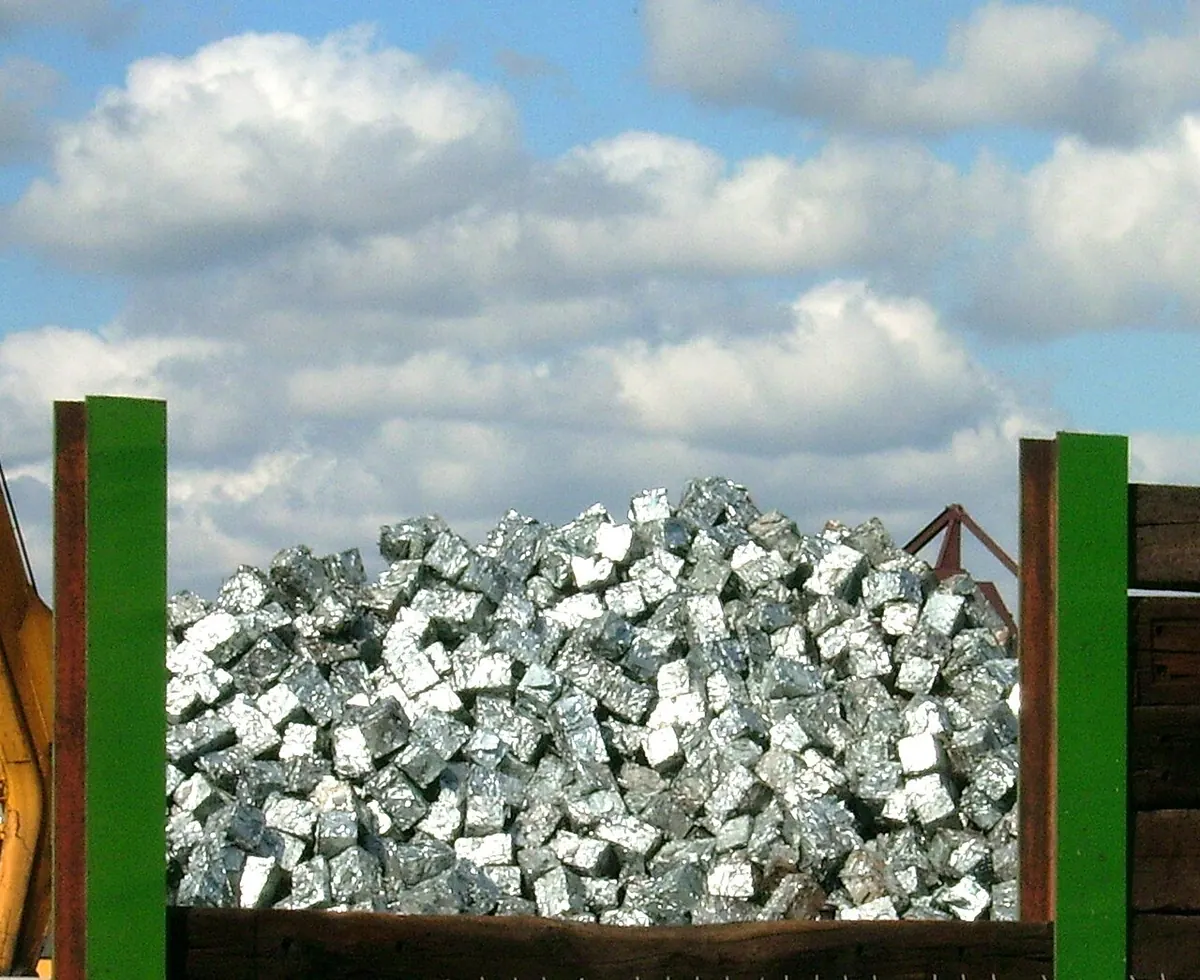
Extrusion scrap, cast aluminium, old sheet, wire and cable and used beverage cans. Keep alloy families apart: 6063 extrusion, castings and cans are priced differently, and iron, paint, plastic and zinc contamination is deducted or rejected.

Nickel and stainless scrap

Stainless steel scrap such as 304, about 18 percent chromium and 8 percent nickel, and 316, which adds molybdenum, and nickel alloy scrap. Alloy content sets the price, so lots are sorted with a handheld XRF analyser.

Mill scale and slag

Mill scale, the iron oxide flake from hot rolling, sold on iron content for sintering and cement making, and steelmaking or non-ferrous slag, sold on metal content or as road aggregate. Oil in mill scale lowers its value.

Metal-bearing ash

Zinc ash and dross from galvanising, aluminium dross and skimmings, and other smelting residues, sold on metal content by assay. Some are hazardous waste under the Basel Convention, so classification and consent are checked before any quote.

What to tell a metal scrap exporter in Bangladesh

Grade and specification
Name the grade by ISRI code or name, or your national standard, with allowed sizes, coatings and contaminants. Mixed or unnamed lots cause most price deductions and claims.
Composition and how it is measured
State minimum metal content and impurity limits, such as copper and tin in HMS or nickel and molybdenum in stainless, and the method: handheld XRF, spectrometer or lab assay.
Size and preparation
Give piece, bundle or bale size. HMS is cut to charging-box size; turnings are often briquetted or bagged; baled scrap loads more tonnes per container.
Free of hazards
Require lots free of radioactive material, explosives, sealed containers and cylinders, and hazardous residues, with a radiation certificate before loading. A sealed container can explode in a furnace.
Moisture and weather
Monsoon rain adds weight and rust. Agree the maximum moisture and how it is deducted, and keep non-ferrous grades under cover before loading.
Weight basis and tolerance
Agree metric tonnes, weighbridge or draft survey basis, the tolerance, and whose weights and analysis are final: at loading by an agreed inspector, or at discharge.
Exportability
Confirm the grade can be exported under Bangladesh's current Export Policy, and whether your country needs Basel consent or a pre-shipment inspection certificate.

Scrap specifications, tests and export papers

ISRI scrap specifications
Widely used grade definitions for ferrous and non-ferrous scrap, such as HMS 1 and 2, Barley and Taint/Tabor. Quote the ISRI name or code in the contract, with your own limits.
Basel Convention
Controls cross-border movement of hazardous waste through prior informed consent. Clean iron, steel, copper, aluminium and nickel scrap in solid form is on its non-hazardous list; some ashes, drosses, slags and contaminated scrap are not.
Radiation check
A survey of each lot or container with a calibrated detector before loading, with a certificate of the readings. Many buyers, ports and mills require it.
Weighment and SOLAS verified gross mass
Weighbridge slips for each truck or container, and the verified gross mass (VGM) declared to the shipping line before loading.
Pre-shipment inspection certificate
Some importing countries require inspection before loading by an agency they have registered. Tell us your port and rule, and we book the agency with the seller.

What moves the price of metal scrap

  • Metal prices: copper, aluminium and nickel scrap are priced against exchange prices less a discount by grade, so the pricing date matters.
  • Grade and purity: clean, single-grade lots earn a smaller discount, and a little contamination can move a lot down a grade.
  • Preparation: cutting, baling, briquetting and sorting by alloy cost money but load more tonnes per container.
  • Moisture, oil and attachments, deducted on weight or price.
  • Freight: container rates on your route can move landed cost as much as grade.
  • Inspection: radiation checks, analysis, independent weighing and pre-shipment inspection.

Lead times and delivery

Lots in stock at a yard can usually be sorted, inspected and loaded within 1 to 3 weeks of sample approval. Larger tonnages typically take 3 to 6 weeks, and contract volumes ship in monthly lots as yards and mills generate the material. Basel consent for regulated residues can take months. Roptan confirms dates and any minimum tonnage in the quote.

Inside Bangladesh we deliver by truck to mills, foundries and yards, weighed on a verified weighbridge at loading and at receipt, with photos of the grade and the analysis. You receive weighbridge slips, the inspection report and a VAT invoice (Mushak 6.3), and grade or moisture disputes are settled against the agreed specification before the balance is paid.

Buying metal scrap for export

For foreign buyers we quote FOB Chattogram, or CFR on request, with heavy grades loaded in 20 ft containers to their weight limit and light and non-ferrous grades baled or bagged in 40 ft units, photographed container by container before sealing. Documents: commercial invoice, packing and weight list with container and seal numbers, bill of lading, certificate of origin, radiation certificate, analysis report, a pre-shipment inspection certificate where your rules require it, and Basel papers for regulated residues.

What we check for this order

  • Trade licence and ERCCurrent, in the name on the quote, with the grade confirmed as exportable before any deposit.
  • Grade and composition per lotAnalysis or sorting records showing each lot meets the agreed grade, with XRF readings for alloys, assays for ash, and photos before loading.
  • Weighment and pre-shipment inspectionWeighbridge slips, container weights, loading photos, seal numbers and an inspection report with a radiation check, before the container leaves the yard.
  • A visit to the yard or millBefore the first order we see the stock, sorting, test instruments and weighbridge.

Questions buyers ask

What is the difference between HMS 1 and HMS 2?

Thickness and coating. Under ISRI, HMS 1 is iron and steel about 6 mm (1/4 inch) thick and over; HMS 2 allows thinner steel, from about 3 mm (1/8 inch), and galvanised material. Blends such as 80:20 state the share of each.

Do you check scrap for radiation?

Yes. Each lot or container is surveyed with a calibrated detector before loading, and a certificate states the readings. Radioactive sources hidden in scrap are a known risk. Any reading above background stops the lot until the cause is traced.

Can metal-bearing ash or dross be exported?

Sometimes. It depends on the material's composition and its Basel Convention listing: some residues, and scrap contaminated with oil or batteries, need the importing and transit countries' written consent before shipment. We check the classification, Bangladesh's export rules and your import permit before quoting, with a lab analysis of the lot.

Whose weight is final, loading or discharge?

Whatever the contract says, so settle it before the first container. Each container is weighed empty and loaded on a calibrated weighbridge. Sellers usually want loading weights final, backed by slips and an inspector; a common middle path is loading weights final within an agreed tolerance.

How are copper and stainless scrap priced and graded?

Copper and aluminium are priced against the exchange price, as a percentage or a discount per tonne fixed on an agreed date, reflecting grade, recovery and freight. Stainless is graded by alloy and cleanliness and sorted with a handheld XRF, since a magnet cannot tell 304 from 316. Each lot's analysis reaches you before loading.

How soon will I hear back about metal scrap?

Within 48 hours of a complete requirement, with a price and a delivery date. A requirement is complete when it has the quantity, where it is needed and by when.

Who do I deal with?

With Roptan, when Roptan manages the order: we buy from the verified seller and deliver to you. With the supplier directly, when you post on the requirement board and choose a quote yourself.