Managed sourcing from Bangladesh, for export and for buyers at home
Get it sourced

Footwear and leather

Sandal and slipper manufacturer in Bangladesh

Need a sandal and slipper manufacturer in Bangladesh? Send the style, material, sizes and pairs per colour. We source flip-flops, EVA slides, PVC sandals, rain boots and slippers from verified makers, check hardness, weight, strap strength and chemical tests, and deliver locally or FOB Chattogram.

  • Verified sellers
  • Checked before it ships
  • Delivered by Roptan

Get rubber and plastic footwear sourced

Prefer to deal with suppliers yourself? Post it on the requirement board

Sandal and slipper products

Pick a product and we source it for you, or send one requirement that covers several.

Buying rubber and plastic footwear in Bangladesh

Rubber and plastic footwear is injection moulded from PVC and EVA, compression moulded from EVA and rubber, or die-cut from sheet. Makers around Dhaka, Gazipur, Narayanganj and Chattogram supply importers abroad, and shops, hotels and promotional buyers at home. Choosing a sandal and slipper manufacturer in Bangladesh starts with the material and process, because moulds, hardness, weight per pair and price follow from that choice.

Roptan sources for you. Send a sample or tech pack, the size run, colours and the date; we match it to verified makers, put quotes on one basis of material, hardness, weight per pair and packing, approve a pre-production sample, arrange lab tests and inspect the bulk. You deal with Roptan only.

Rubber and plastic footwear we source

Flip-flops

A flat sole with a Y strap held by plugs through the sole, die-cut from rubber or EVA sheet or moulded in one piece. Rubber grips and lasts; EVA is lighter and costs less. Ask for a plug pull-out test, the usual failure point.

EVA slides

Slides injection moulded from EVA (ethylene-vinyl acetate) foam, in one piece or with a separate strap that can carry a logo. Specify Asker C hardness, weight per pair and a heat shrinkage test, because EVA shrinks in a hot container.

PVC sandals

Jelly sandals, beach styles and garden shoes moulded from plasticised PVC, often straps and sole in one shot. PVC takes bright colours and washes clean but is heavier than EVA, and its plasticiser must meet your market's phthalate limits.

Rain boots

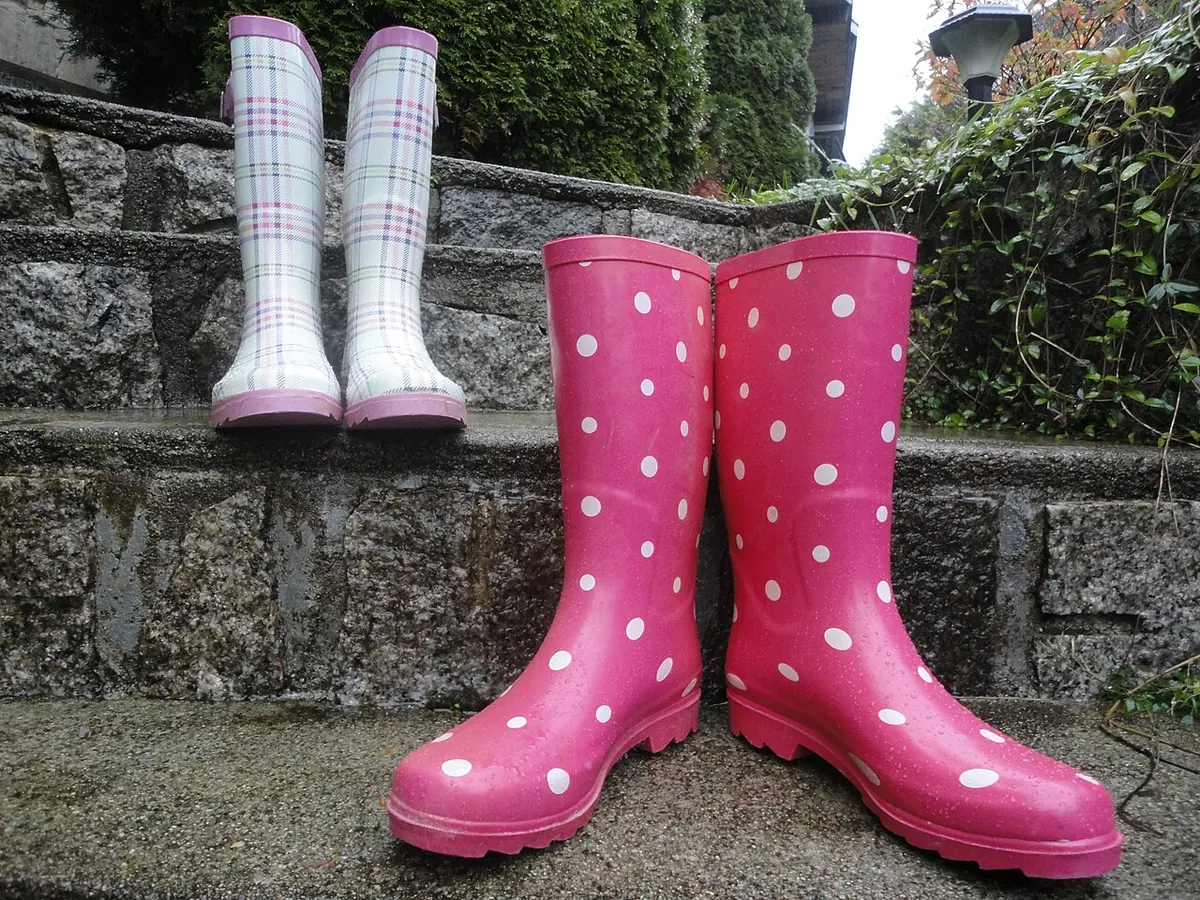
Ankle or knee boots for monsoon, farm, fishery and factory use. PVC boots are injection moulded and cost less; natural rubber boots are built on lasts and vulcanised, and stay flexible in the cold. Toe-capped boots are usually specified as safety footwear to ISO 20345.

Clogs

One-piece moulded clogs, usually EVA foam, with vent holes and a heel strap, for garden, kitchen and hospital wear. Catering and healthcare buyers usually ask for a slip resistance test to ISO 13287; heel straps and vents change the mould.

Casual slippers

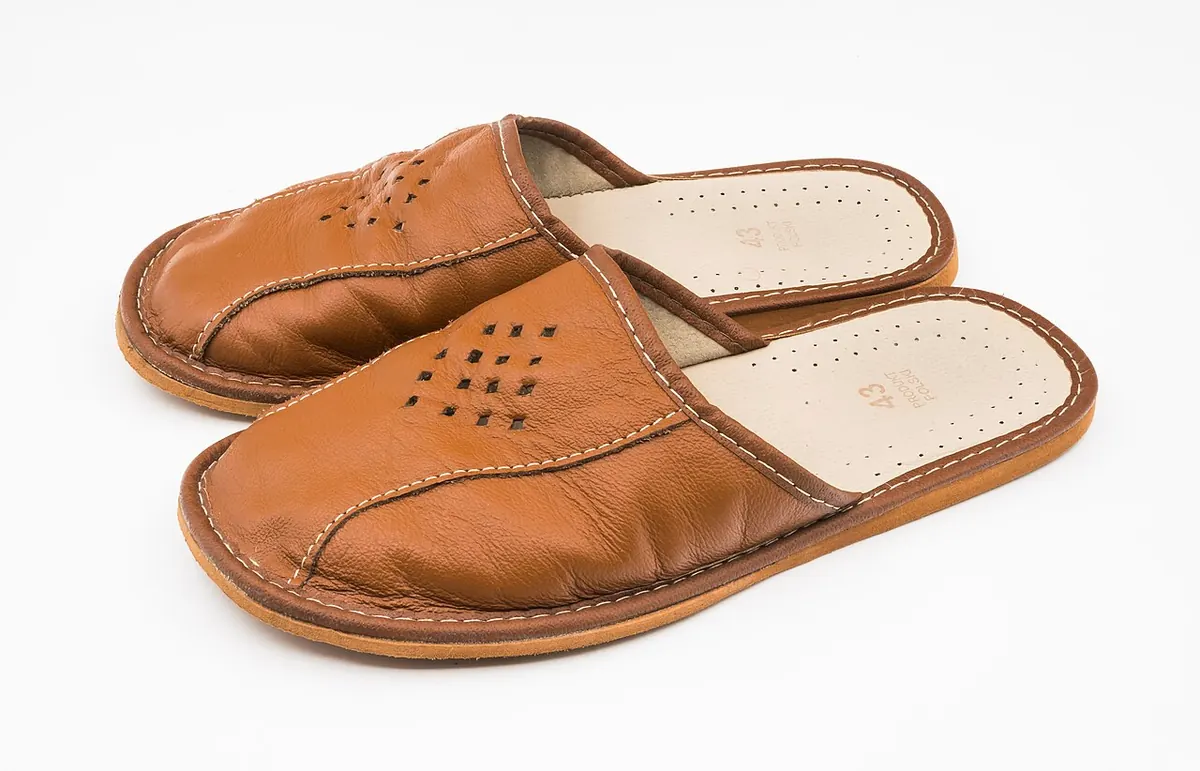
Indoor slippers with textile, terry, PU or EVA uppers on soft EVA or TPR (thermoplastic rubber) soles, including hotel slippers packed per pair. Specify the upper fabric, sole thickness, sizes and an anti-slip pattern for tiles.

How to brief a sandal and slipper manufacturer in Bangladesh

Material and process
Name the compound for each part (EVA, PVC, natural rubber, TPR or PU) and the process: injection moulded, compression moulded or cut from sheet, which sets mould cost and edge finish.
Hardness and weight
Shore A for rubber and PVC, Asker C for EVA foam, measured on bulk pairs, and weight per pair in a stated size with a tolerance. Lighter, softer foam wears faster.
Sizes, size run and moulds
Size system (EU, UK or US), pairs per size and colour, and whether the maker's moulds fit. Moulded footwear needs a mould per size or double size, so a wide run raises tooling cost.
Wear, slip and strap tests
Abrasion loss in mm³ to ISO 4649, slip resistance to ISO 13287, flex tests by SATRA methods and strap pull-out force in newtons, each with the minimum you accept.
Restricted substances
Your list, covering at least phthalates in PVC and PAHs in rubber parts that touch the skin under REACH, plus formamide in EVA foam if listed.
Heat, monsoon and packing
EVA shrinks and PVC softens in heat, and cartons take up damp in the monsoon. Ask for stabilised soles, dry cartons, silica gel and no dimethyl fumarate sachets, then state pairs per carton and the Incoterm.

Tests, standards and certificates for moulded footwear

REACH Annex XVII
Entry 51 limits DEHP, DBP, BBP and DIBP to 0.1% of the plasticised material; entry 50 limits each listed PAH to 1 mg/kg in rubber or plastic parts touching skin. Ask for an accredited lab report per colour.
ISO 4649, ISO 7619-1, ISO 13287
Abrasion loss, Shore hardness and slip resistance of footwear. Agree the method and pass mark before sampling, since each buyer sets its own minimums.
ISO 20345
Safety footwear, including rubber and PVC boots with toe caps tested to 200 J impact and 15 kN compression. Ask for the certificate and the test report.
Directive 94/11/EC
Footwear sold in the EU must be labelled with the material of the upper, the lining and sock, and the outer sole, by pictogram or words.
CPSIA
US children's footwear must meet lead limits of 100 ppm in the material and 90 ppm in paint, backed by a Children's Product Certificate from third-party tests.

What moves the price of sandals and slippers

  • Material and weight per pair: natural rubber and PU usually cost more than EVA or PVC, and dense soles use more compound than foam.
  • Moulds: a new style needs a mould per size, quoted separately or spread over the order.
  • Construction: one-piece moulding costs less than hand-fitted straps, stitched uppers or glued footbeds.
  • Colours and branding: each colour needs its own compound batch, and logos add set-up.
  • Tests and packing: lab reports per colour, single polybags, hang tags and printed boxes add cost per pair.

Lead times and delivery

Typical ranges: samples in two to three weeks from an existing mould, four to six weeks when new moulds are cut, and bulk usually 30 to 60 days after sample approval. Lab tests, special colours, imported compound, peak season and the Eid holidays add time; a failed chemical test means a new batch. Roptan confirms the dates in the quote.

Inside Bangladesh we deliver to your warehouse, shop or hotel in Dhaka, Chattogram or elsewhere, packed in pairs by size and colour in labelled cartons, with the packing list, test reports and a VAT invoice (Mushak 6.3). Cartons are counted and kept dry, because damp cartons collapse when stacked.

Buying rubber and plastic footwear for export

For importers we quote FOB Chattogram (Chittagong), or FCA Dhaka airport for samples. Light footwear fills a container by volume before weight, so the quote states pairs per carton and cartons per 40 ft high cube. Documents: commercial invoice, packing list, bill of lading, certificate of origin, a REX statement on origin for EU GSP or UK DCTS paperwork, the seller's ERC, lab reports and an AQL inspection report to ISO 2859-1.

What we check for this order

  • Trade licence and ERCCurrent, and in the name on the quote, so the invoice, bill of lading and payment documents match the maker.
  • Audits and certificates with datesamfori BSCI or Sedex SMETA reports checked for date, result and site; an undated certificate does not count.
  • Restricted substances testedPhthalates, PAHs and the rest of your list tested on bulk colours at an accredited lab, not only on a sales sample.
  • A visit before the first bulk orderWe see the moulding, strap assembly and packing set-up, and the moulds for your sizes, before bulk starts.

Questions buyers ask

What is the difference between EVA, PVC and rubber flip-flops?

EVA is a light, soft foam that compresses and wears with use, so it suits slides and clogs. PVC is heavier, waterproof and moulds with the straps in one piece, so it suits jelly sandals and rain boots. Natural rubber grips on wet floors, lasts longer and costs more. Choose by use, then fix hardness and weight.

How are sizes handled for moulded footwear?

Each size needs its own mould, and some slides come in double sizes such as 36/37 from one mould. State the size system and the pairs per size per carton. EU sizes step by one Paris point, two-thirds of a centimetre, so check the first moulded pairs against your fit sample.

Who owns the moulds if I pay for them?

You should, and the order should say so. Ask for a mould agreement that names you as owner, lists the moulds by size, and requires the seller to keep them in working order and release them on request. If the cost is spread over a quantity, agree when ownership passes.

What tests do flip-flops need for the EU market?

At least phthalates in PVC parts and PAHs in rubber parts under REACH Annex XVII, plus anything your restricted substances list adds. Many buyers also set minimums for abrasion, strap pull-out and slip resistance. We check that each report names the style, colour and lot, and that the lab holds ISO/IEC 17025 accreditation.

What is the minimum order for sandals with our logo?

It depends on moulds and colours. From an existing mould, makers often start at a few thousand pairs per style, with minimums per colour because each colour needs its own compound batch. A logo needs a mould insert or a print screen, quoted separately. Roptan confirms the minimum in the quote.

How soon will I hear back about rubber and plastic footwear?

Within 48 hours of a complete requirement, with a price and a delivery date. A requirement is complete when it has the quantity, where it is needed and by when.

Who do I deal with?

With Roptan, when Roptan manages the order: we buy from the verified seller and deliver to you. With the supplier directly, when you post on the requirement board and choose a quote yourself.