Managed sourcing from Bangladesh, for export and for buyers at home
Get it sourced

Footwear and leather

Footwear component manufacturer in Bangladesh

Looking for a footwear component manufacturer in Bangladesh? Send the last, drawings or samples, the material and pairs per size. We source uppers, outsoles, insoles, midsoles, counters and trims from verified makers, check hardness and chemical tests, and deliver to your factory or FOB Chattogram.

  • Verified sellers
  • Checked before it ships
  • Delivered by Roptan

Get footwear components sourced

Prefer to deal with suppliers yourself? Post it on the requirement board

Footwear component products

Pick a product and we source it for you, or send one requirement that covers several.

Buying footwear components in Bangladesh

Shoe factories need components that fit their lasts and pass their buyers' tests: closed uppers, rubber and TPR outsoles, EVA midsoles, insole boards and footbeds, heels, counters, laces and trims. Makers around Dhaka, Gazipur, Narayanganj and Chattogram supply shoe factories at home and importers abroad. A footwear component manufacturer in Bangladesh is judged on fit to the last, repeatable hardness and weight, and test reports for each lot.

Roptan sources for you. Send the last or a sample, drawings, the size breakdown and dates; we match them to verified makers, put quotes on one basis of material, hardness, weight per pair, tooling and packing, approve a size set against your last, arrange tests and inspect each lot before dispatch. You deal with Roptan only.

Footwear components we source

Uppers

Cut and stitched uppers in leather, PU synthetic, mesh or knit, delivered closed and ready for lasting. Specify material and thickness per part, lining, stitch density, the last number and graded patterns per size; price follows panel count and stitching.

Outsoles

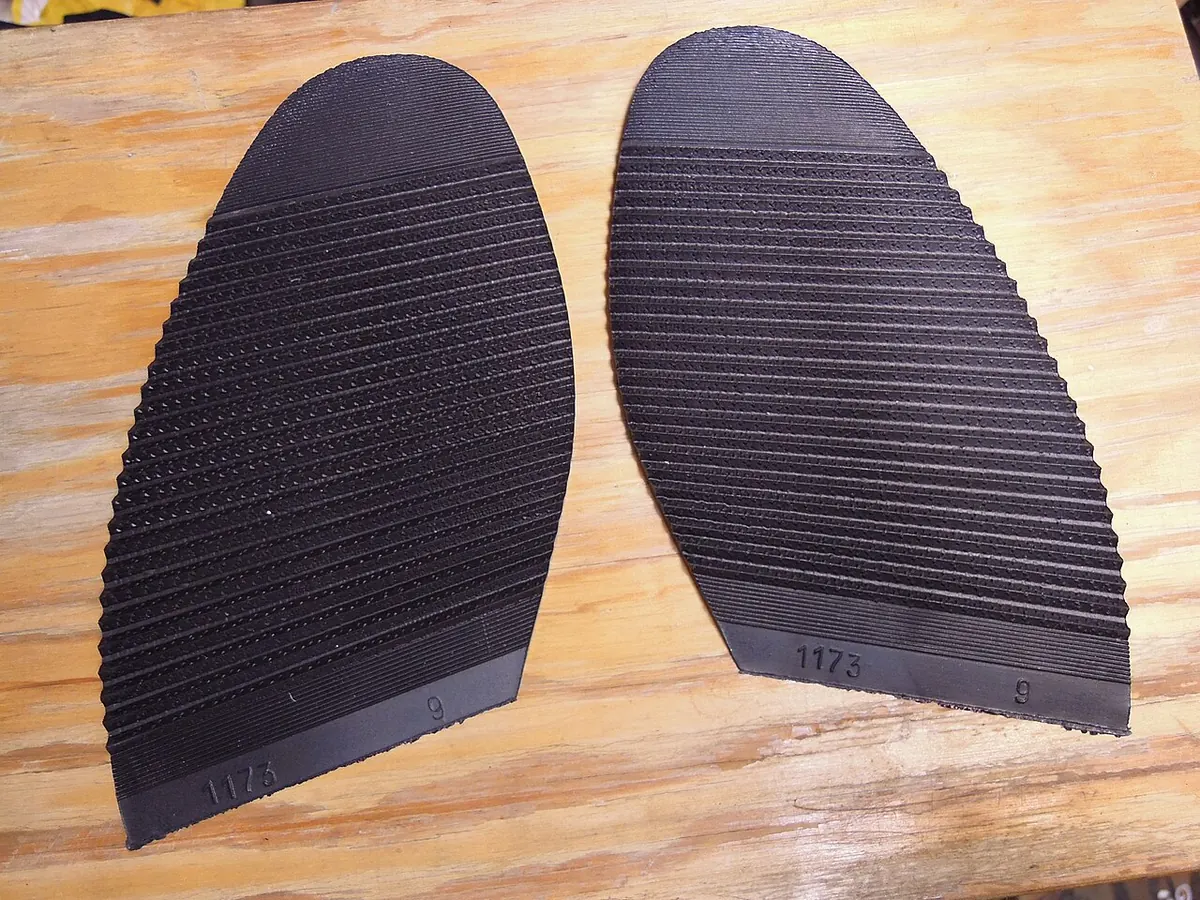
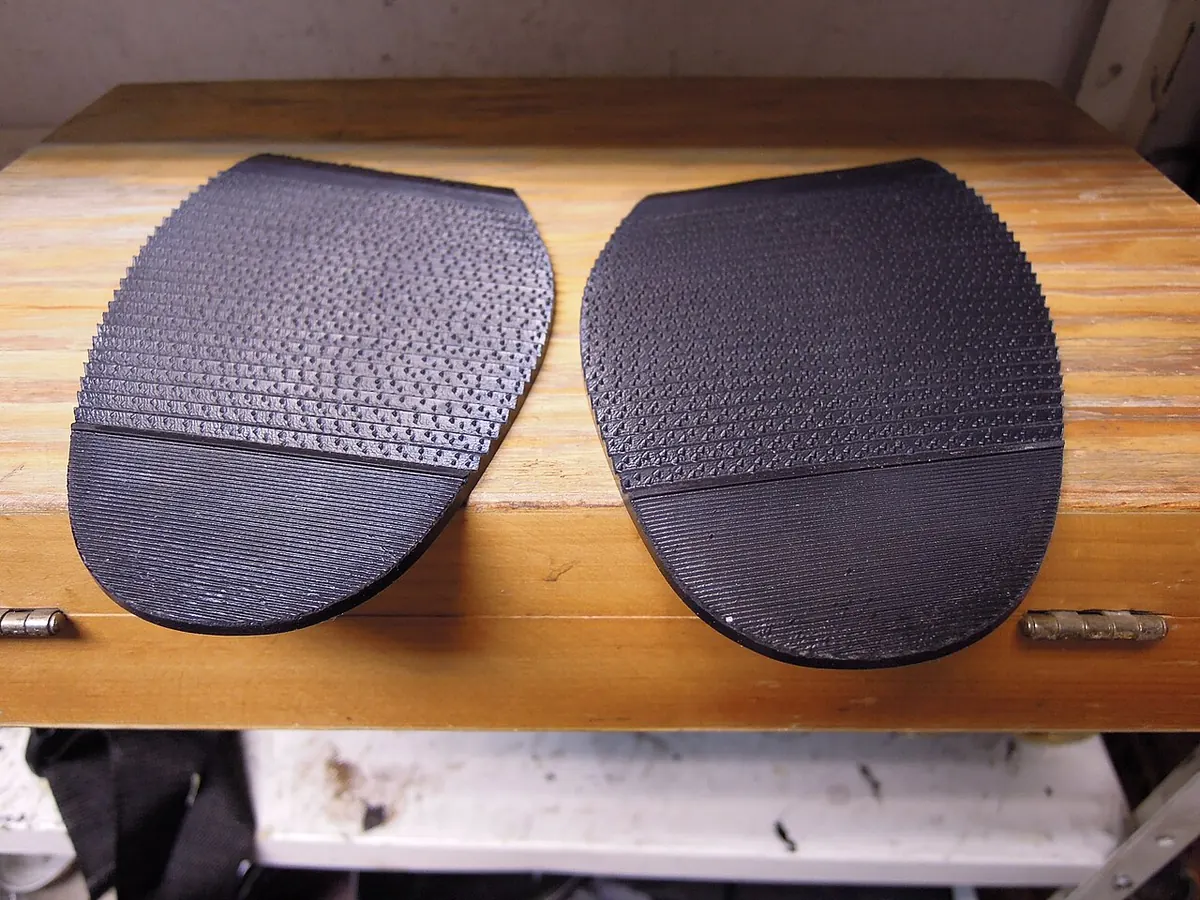
Rubber outsoles are usually compression moulded, TPR and PVC injection moulded and PU poured. Specify compound, Shore A hardness, abrasion loss to ISO 4649, flex and slip resistance; NBR resists oil better than natural rubber for workshop shoes.

Insoles

Two parts share the name: the board insole the upper is lasted onto, in cellulose or non-woven fibre, and the removable footbed in EVA, PU or latex foam. Specify thickness, stiffness, water absorption and any penetration-resistant insert.

EVA midsoles

Cushioning midsoles in EVA foam, compression moulded and trimmed or injection moulded to shape. Specify hardness in Asker C, density, compression set and a heat shrinkage limit, since softer foam cushions more but flattens sooner.

Heels and counters

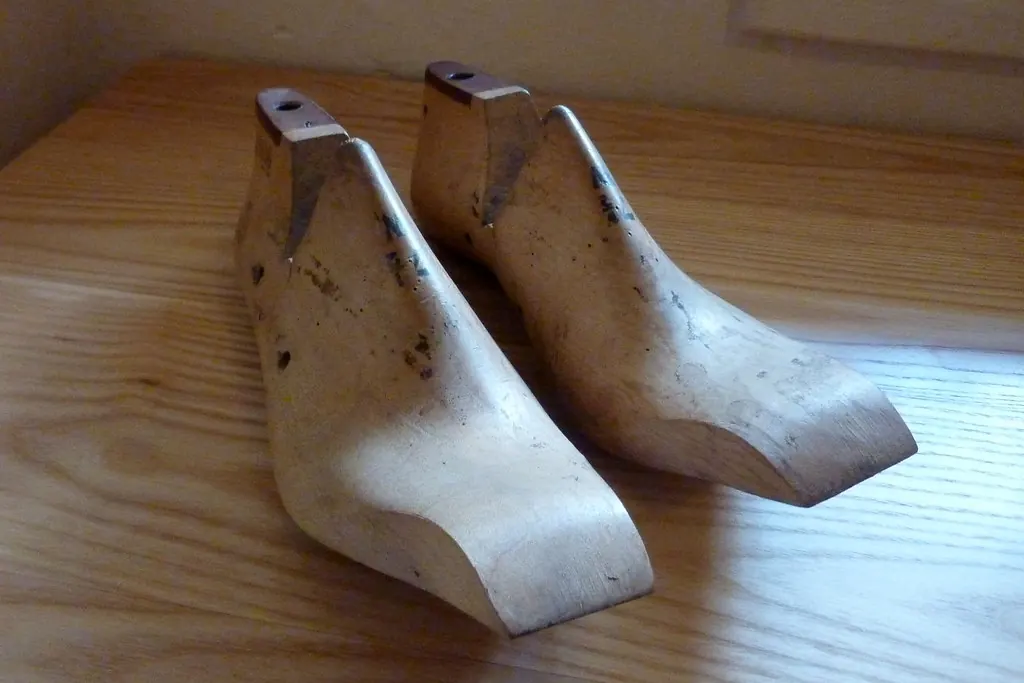
Heels in ABS, wood or stacked leather with a replaceable top piece, and counters and toe puffs in thermoplastic sheet or leather board that hold the shoe's shape. They must match your last, so send it or its drawing.

Laces and trims

Flat, round or waxed laces in polyester or cotton with plastic or metal tips, plus eyelets, buckles, hook-and-loop tape, webbing and labels. Specify lace length for the eyelet count, breaking strength and nickel release to EN 1811 for metal touching skin.

How to brief a footwear component manufacturer in Bangladesh

Last and size grading
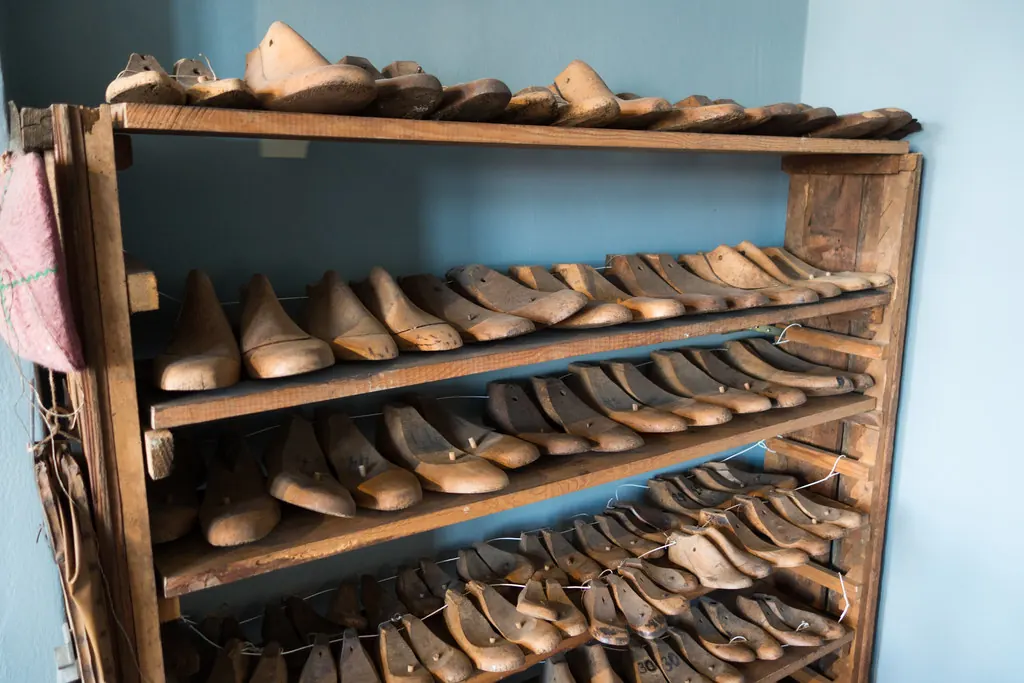
Send the last or its number and the size range. Components are graded per size, so approve a size set, not a single sample size, before bulk.
Material and compound
Leather grade, textile or synthetic for uppers; natural rubber, SBR, NBR, TPR, PU, PVC or EVA for soles, with any regrind allowed.
Hardness, density and weight
Shore A for rubber, TPR and PU, Asker C for EVA, density in g/cm³ and weight per pair, each with a tolerance measured on bulk pairs.
Performance tests
Abrasion loss in mm³ to ISO 4649, flex cycles, sole bond strength in N/mm and slip resistance, each with its method and pass level, so every maker quotes against the same target.
Restricted substances
Chromium VI in leather under 3 mg/kg to ISO 17075, phthalates in PVC, PAHs in rubber and nickel release from metal trims, tested on bulk lots against your list.
Colour standard
A physical colour standard and the light source used to judge it, since soles, uppers and trims from different makers must match, and shop lamps differ from daylight.
Heat, humidity and packing
EVA shrinks in heat, and leather, insole board and textiles take up monsoon moisture. Ask for stabilised parts, dry cartons, silica gel and pairs bundled by size with a spare allowance.

Tests and standards for shoe components

ISO 4649 and ISO 7619-1
Rotating drum abrasion loss and Shore hardness for rubber and plastic soles. Ask for results per compound batch, not a generic data sheet.
ISO 20345
Safety footwear, tested as a whole shoe. Ask the component maker for reports from shoes built with its toe caps or inserts, tested at 200 J impact and 15 kN compression.
REACH Annex XVII
Chromium VI in leather at 3 mg/kg (entry 47), PAHs in rubber and plastic parts touching skin (entry 50), phthalates in plasticised parts (entry 51) and nickel release (entry 27).
LWG certification
For leather uppers and linings, the tannery's Leather Working Group rating and expiry, matched to the tannery named on the leather invoice.
Directive 94/11/EC
EU footwear labels state the material of the upper, the lining and sock, and the outer sole, so each component maker must declare materials correctly.

What moves the price of footwear components

  • Compound and material: oil-resistant NBR, PU systems and full grain leather cost more than general blends and PU synthetics.
  • Tooling: a mould per size for soles and midsoles, cutting dies for uppers, and who pays for and owns them.
  • Weight per pair: heavier soles use more compound, so the weight tolerance matters as much as the unit price.
  • Work content: panel count, stitch rows, overlays, colours and finishing steps in an upper.
  • Order size per size and colour, and tests per lot, which cost less than rejected finished shoes.

Lead times and delivery

Typical ranges: samples in two to four weeks from existing moulds, four to six weeks with new sole moulds or upper patterns, and bulk usually 30 to 60 days after size set approval, longer for wide size runs or leather dyed to order. Imported compound, special colours and the Eid holidays add time. Roptan confirms the dates in the quote.

Inside Bangladesh we deliver to your shoe factory in Dhaka, Gazipur, Savar, Narayanganj, Chattogram or an export processing zone, pairs bundled and counted by size, with the packing list, test reports and a VAT invoice (Mushak 6.3) or the documents your EPZ status needs. Deliveries can be split to follow your production plan, so parts arrive in the order you last them.

Buying footwear components for export

For importers we quote FOB Chattogram (Chittagong), or FCA Dhaka airport for development samples and urgent size fills. Soles and midsoles fill containers by volume, so the quote states cartons per container. Documents: commercial invoice, packing list by size and pair count, bill of lading or air waybill, certificate of origin, the seller's ERC, test reports per compound batch or leather lot, and an inspection report with AQL sampling to ISO 2859-1.

What we check for this order

  • Trade licence and ERCCurrent, and in the name on the quote, so invoices and export documents match the maker of your parts.
  • Audits and certificates with datesamfori BSCI or Sedex SMETA for the factory and LWG for any leather, each checked for date, site and expiry.
  • Restricted substances testedHardness, abrasion and restricted substances tested on bulk batches at an accredited lab, not only on the development sample.
  • A visit before the first bulk orderWe see the mixing, moulding, cutting and stitching set-up, and sample parts tried on your last, before bulk starts.

Questions buyers ask

What is the difference between TPR, rubber and PU outsoles?

TPR is a thermoplastic rubber that moulds quickly and costs less, but wears faster and softens with heat. Vulcanised rubber resists abrasion and grips well, and NBR adds oil resistance. PU is lighter and cushioned. Whichever you choose, fix hardness and abrasion limits in the specification.

Can soles be matched to our existing last?

Yes. Send the last or size-graded drawings, or 3D files with a sole sample. The maker cuts or adapts a mould per size, moulds trial pairs, and you approve the fit on a size set in writing before bulk. Parts made to the wrong last are a common cause of rejected lots.

Who pays for sole moulds?

Usually the buyer, as a one-time charge per size, and the order should name you as owner and say where the moulds are kept. Some sellers absorb or refund the charge above an agreed volume. We show the mould cost as a separate line, so quotes compare on unit price and tooling.

Do components need their own chemical tests?

Yes, when your buyer tests the finished shoe, because a failure is traced back to a part: chromium VI in leather, phthalates in PVC trims, PAHs in black rubber soles. Testing each component lot first costs less than reworking finished pairs. We check that every report names the part, colour and lot.

What is the minimum order for soles and trims?

It depends on the part. From an existing mould, makers often run a few thousand pairs across a size run, with minimums per size and colour set by the mould and the compound batch; laces and trims are often sold by the reel or the gross. Roptan confirms the minimum in the quote.

How soon will I hear back about footwear components?

Within 48 hours of a complete requirement, with a price and a delivery date. A requirement is complete when it has the quantity, where it is needed and by when.

Who do I deal with?

With Roptan, when Roptan manages the order: we buy from the verified seller and deliver to you. With the supplier directly, when you post on the requirement board and choose a quote yourself.