Managed sourcing from Bangladesh, for export and for buyers at home
Get it sourced

Medical and lab

Pharmaceutical manufacturer in Bangladesh

Looking for a pharmaceutical manufacturer in Bangladesh? Send the molecule, strength, dosage form, pack and target market. We source tablets, capsules, injectables, syrups, creams, drops and veterinary medicines from DGDA-licensed makers, check registration, GMP and batch papers, and coordinate shipment by sea or air.

  • Verified sellers
  • Checked before it ships
  • Delivered by Roptan

Get pharmaceuticals sourced

Prefer to deal with suppliers yourself? Post it on the requirement board

Pharmaceutical products

Pick a product and we source it for you, or send one requirement that covers several.

Buying pharmaceuticals in Bangladesh

Bangladesh makes most of the medicines it uses and also exports generics. Plants around Dhaka, Gazipur, Narayanganj and Chattogram make tablets, capsules, injectables, liquids, creams, eye drops and veterinary products under licences from the Directorate General of Drug Administration (DGDA). Buyers are licensed importers, distributors and tender buyers abroad, and hospitals and health programmes at home. A pharmaceutical manufacturer in Bangladesh is chosen on registration, GMP evidence and batch papers before price.

Roptan sources for you. Send the product list with strengths, pack sizes, quantities and target market; we match it to licensed makers whose product is registered, collect the dossier and certificates, put quotes on one basis of specification, shelf life and pack, check each batch's certificate of analysis and coordinate shipment. We quote only to buyers licensed to import or distribute medicines. You deal with Roptan only.

Pharmaceuticals we source

Tablets and capsules

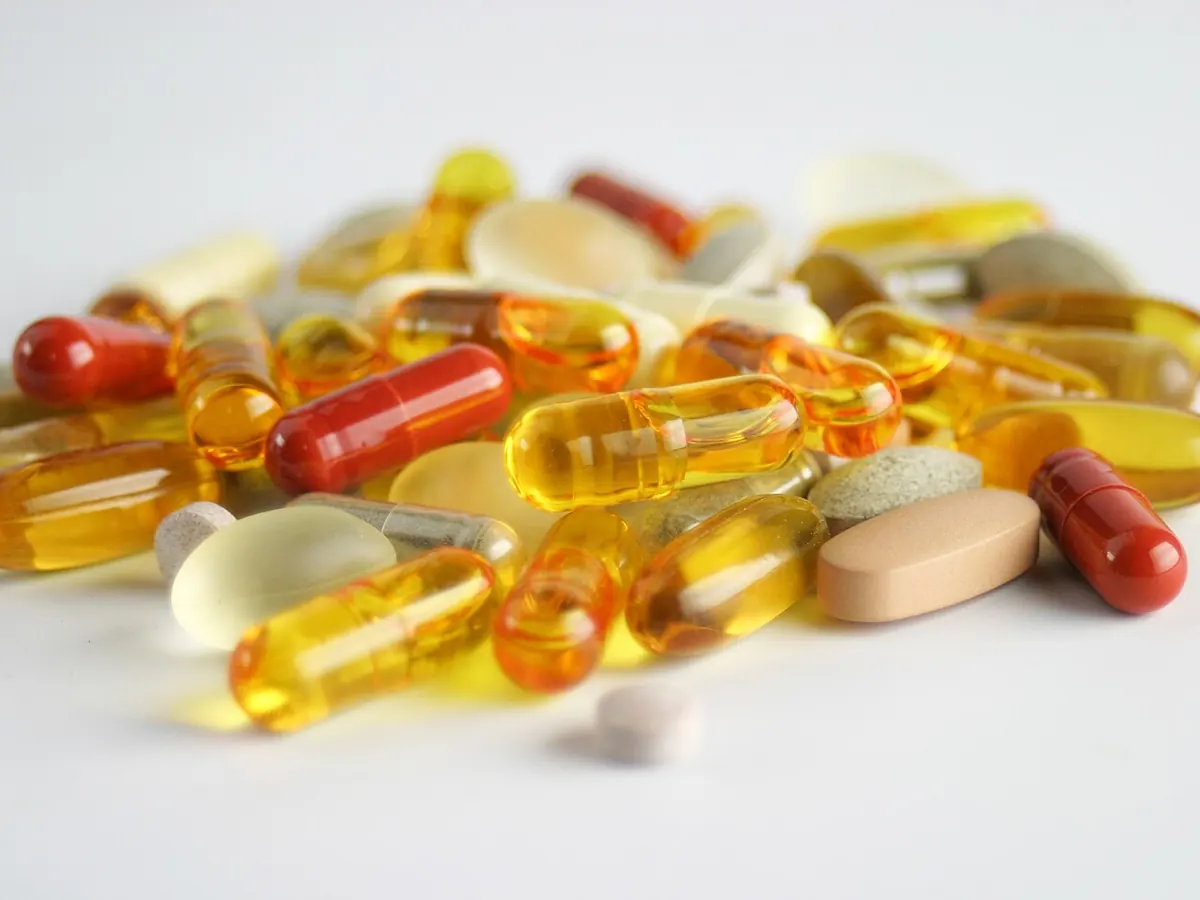
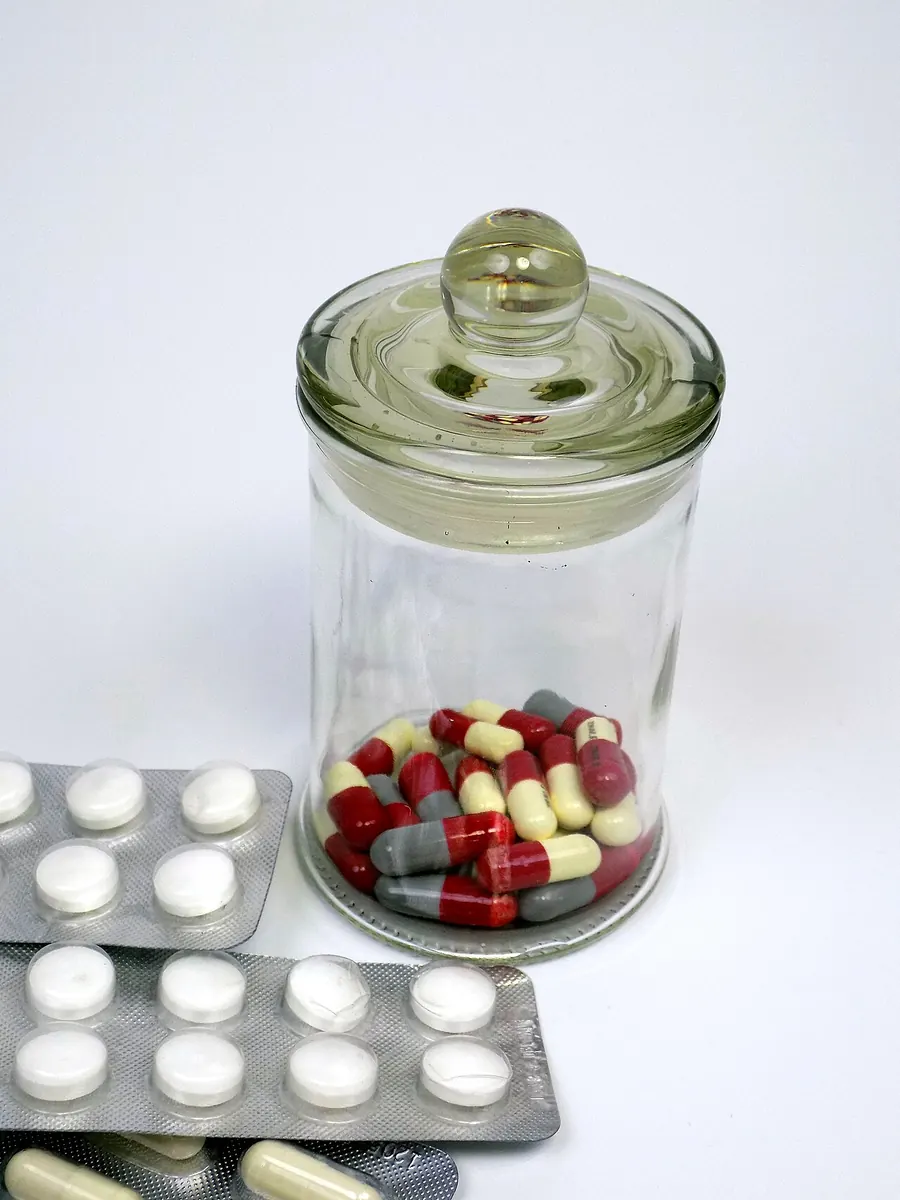
Plain, film-coated, enteric-coated and modified-release tablets, and hard gelatin, plant-based HPMC or soft gel capsules. Specify molecule, strength, pharmacopoeia, dissolution and pack: Alu-Alu blisters protect moisture-sensitive products better than PVC or PVDC blisters.

Injectables

Sterile liquids and dry powders in Type I glass vials or ampoules, prefilled syringes and large volume infusions. Batches are tested for sterility and endotoxins before release, and some products need a cold chain at 2 to 8 °C, planned before ordering.

Syrups and suspensions

Syrups are solutions; suspensions carry fine particles and must be shaken. Many antibiotic suspensions ship as dry powder mixed with water before use, which keeps longer. Specify strength per 5 ml, preservative, amber glass or PET bottle, closure and measuring device.

Creams and ointments

Creams are emulsions containing water; ointments are greasy, with little or no water. Both come in aluminium or laminated tubes. Specify strength, base, tube size and stability data for hot, humid markets, since heat can separate a cream.

Eye and ear drops

Sterile solutions and suspensions in plastic dropper bottles with tamper-evident caps, preserved for multi-dose use or in single-dose units. Multi-dose eye drops carry an in-use period after opening, often four weeks, and only plants with sterile production can make them.

Veterinary medicines

Boluses, powders, injectables, oral solutions and premixes for cattle, poultry and aquaculture. Most markets register them separately from human medicines, so check your route first, and labels for food animals must state withdrawal periods for meat, milk and eggs.

What to send a pharmaceutical manufacturer in Bangladesh

Product and strength
Generic name (INN), strength, dosage form and release type, and the reference product where your regulator asks for bioequivalence data.
Pharmacopoeia and specification
The monograph that applies (BP, USP or Ph. Eur.) or your own specification, with assay, impurities, dissolution and microbial limits, so every certificate tests to one standard.
Registration route
Whether the product is registered in your country, who will hold the registration, and the dossier format your regulator asks for, often the CTD.
Stability and climate
Stability data at your market's long-term condition, for example 30 °C and 75% RH for climatic zone IVb, and the shelf life that data supports.
Pack and artwork
Blister, bottle, tube or vial, pack size, leaflet language, your registration number and the batch and expiry format, matched to the registered text.
Cold chain
For products stored at 2 to 8 °C, validated shippers or reefer containers with temperature loggers, and who is responsible at each handover.
Serialisation and quantities
2D codes or tamper-evident seals where your market requires them, units per year and first order, and dates, since makers produce in fixed batches.

Licences, GMP and export papers for medicines

DGDA licence and registration
The Directorate General of Drug Administration licenses each plant and registers each product. Ask for the manufacturing licence and the registration for the exact strength and form.
WHO-GMP
Good manufacturing practice at the plant, shown by an inspection certificate. Some plants also hold approvals from foreign regulators; check the date, site and dosage forms covered.
CoPP
The Certificate of Pharmaceutical Product under the WHO certification scheme, issued by DGDA for a registered product. Many importing regulators ask for it with the dossier.
Export permission and free sale certificate
DGDA's permission to export the product, and proof that it is sold legally in Bangladesh, both listed in the quote's document list.
Pharmacopoeial release tests
Sterility (USP <71>), bacterial endotoxins (USP <85>) and particulate matter (USP <788>) for injectables, and microbial limits for non-sterile products, reported per batch.

What moves the price of medicines

  • Active ingredient: the API, often imported, sets much of the cost and follows world supply and the exchange rate.
  • Dosage form: sterile injectables and eye drops cost more to make than plain tablets.
  • Pack: Alu-Alu blisters, glass vials, dropper bottles and leaflets in several languages cost more.
  • Batch size: orders that fill whole batches cost less per unit than part batches.
  • Registration support: dossiers, samples, stability data and bioequivalence studies add one-time cost.

Lead times and delivery

Registration in your market comes first and usually takes months, sometimes longer. Once the product is registered and the artwork approved, a production batch usually takes about two to three months, including packing materials, testing and release. Registered stock can ship sooner. Sterile products, cold chain bookings and API supply can add time. Roptan confirms the dates in the quote.

Inside Bangladesh, medicines are sold only through licensed channels, so for hospitals, clinics, NGOs and health programmes we arrange supply through the maker or its licensed distributor, delivered to your store in Dhaka, Chattogram or elsewhere with a VAT invoice (Mushak 6.3), the batch certificate of analysis and expiry dates checked. Products kept at 2 to 8 °C travel in validated cold boxes or refrigerated vehicles with temperature records.

Buying pharmaceuticals for export

For importers we quote FOB Chattogram (Chittagong) for sea freight, or FCA Dhaka airport, which suits sterile, cold chain and smaller lots. Documents: commercial invoice, packing list, bill of lading or air waybill, certificate of origin, DGDA export permission, the CoPP and WHO-GMP certificate, a free sale certificate where asked, batch certificates of analysis and temperature records. Samples can be tested at an ISO/IEC 17025 accredited lab, and we check batch numbers, expiry and cold chain packing before loading.

What we check for this order

  • DGDA licence and product registrationThe plant's manufacturing licence and the registration for the exact product, strength and pack in the quote, in the maker's name.
  • GMP status with datesThe WHO-GMP certificate and any foreign approvals, checked for scope, site, dosage form and expiry, not a logo on a brochure.
  • A certificate of analysis per batchResults against the stated pharmacopoeia, with batch, manufacturing and expiry dates that match the packs and your shelf-life minimum.
  • Storage and transport termsStorage temperature, cold chain responsibility and remaining shelf life on delivery, agreed in writing before dispatch.

Questions buyers ask

Do medicines need registration in my country before import?

Yes. Regulators require each medicine to be registered before sale, so plan registration before the first commercial order. The maker supplies the dossier, CoPP and samples; the registration is usually held by a licensed importer or agent in your country. Controlled medicines, such as opioids, also need an import authorisation.

What is a CoPP and why do importers ask for it?

A Certificate of Pharmaceutical Product, issued under the WHO certification scheme by the exporting country's regulator, here DGDA. It confirms the product's licence status where it is made and that the plant is inspected for GMP. Many importing regulators ask for it with the registration dossier.

Why does the climatic zone matter?

Shelf life is proven by stability studies at set temperature and humidity, and a product tested only for temperate markets may degrade faster in hot, humid ones. Zone IVb uses 30 °C and 75% RH as the long-term condition, so ask which zone the data covers.

How do I compare quotes for medicines?

Check that each quote has the same active ingredient, strength, specification, pack, shelf life, stability zone, documents and Incoterm. A lower price may mean a shorter shelf life, a different pack or documents charged later. First orders are commonly paid by letter of credit. Roptan sets quotes out line by line.

What is the minimum order for a pharmaceutical product?

Usually one production batch per product and strength, packed to your artwork, because makers plan production in full batches. Batch sizes differ by plant and product, and tender orders are often planned as several batches. Tell us your yearly and first-order quantities, and Roptan confirms each maker's minimum in the quote.

How soon will I hear back about pharmaceuticals?

Within 48 hours of a complete requirement, with a price and a delivery date. A requirement is complete when it has the quantity, where it is needed and by when.

Who do I deal with?

With Roptan, when Roptan manages the order: we buy from the verified seller and deliver to you. With the supplier directly, when you post on the requirement board and choose a quote yourself.