Managed sourcing from Bangladesh, for export and for buyers at home
Get it sourced

Jute, leather and export goods

Leather goods manufacturer in Bangladesh

Looking for a leather goods manufacturer in Bangladesh? Tell us the product, leather grade, finish and quantity. We source wallets, belts, bags, gloves and shoes from verified makers, check the leather, hardware and chemical tests, and deliver locally or FOB Chattogram.

  • Verified sellers
  • Checked before it ships
  • Delivered by Roptan

Get leather goods sourced

Prefer to deal with suppliers yourself? Post it on the requirement board

Leather goods products

Pick a product and we source it for you, or send one requirement that covers several.

Buying leather goods in Bangladesh

Bangladesh tans cow, buffalo, goat and sheep hides, mostly at the BSCIC leather industrial estate at Savar, where tanneries moved from Hazaribagh to share a central effluent treatment plant. Makers around Dhaka, Savar, Gazipur and Chattogram turn that leather into bags, wallets, belts, gloves and shoes for importers and brands abroad and for local companies and shops. Choosing a leather goods manufacturer in Bangladesh starts with where and how the leather was tanned.

Roptan sources for you. Send the tech pack or a sample, quantities and the date; we match it to verified makers, confirm the tannery and its LWG status, put quotes on one basis of leather grade, thickness, hardware and packing, approve a pre-production sample and inspect the bulk before delivery. You deal with Roptan only.

Leather goods we source

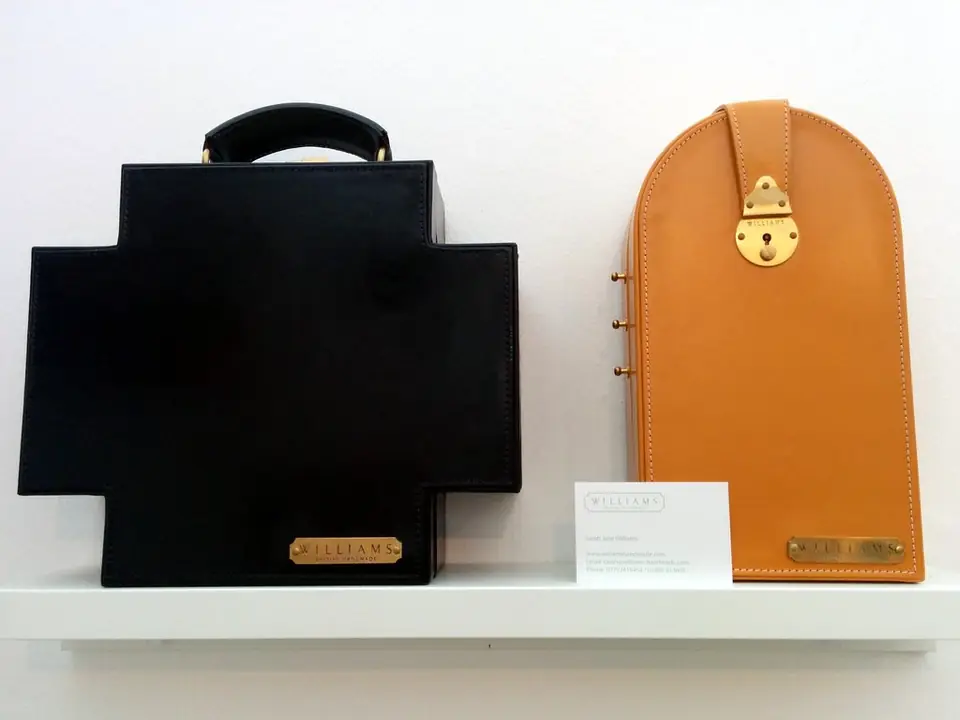
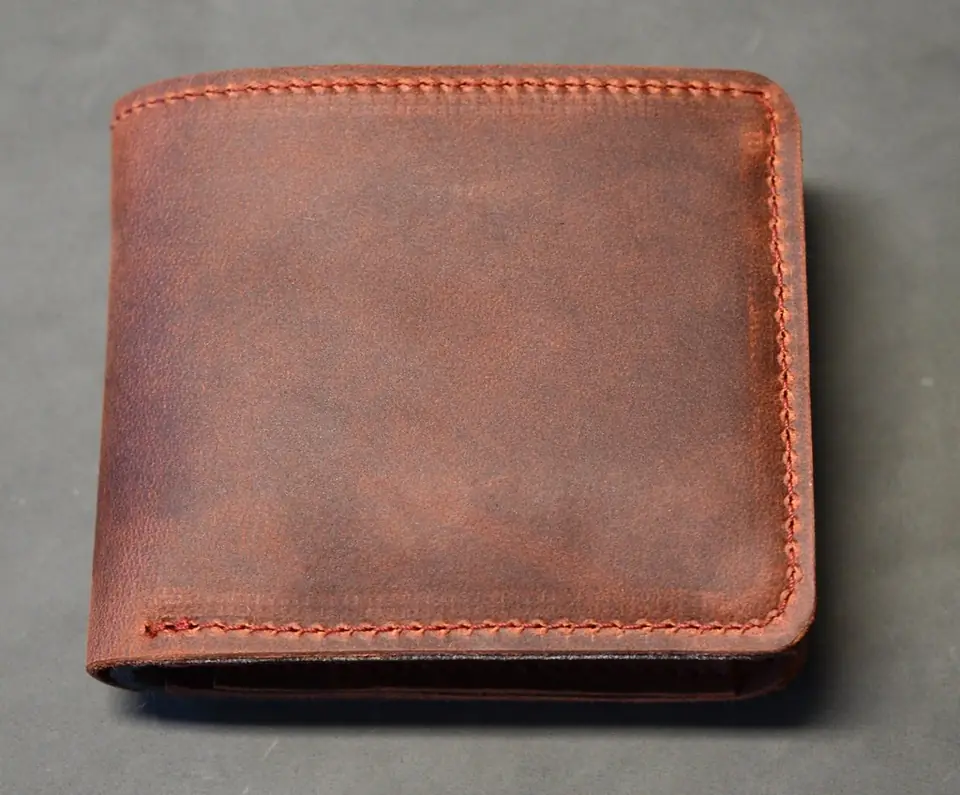
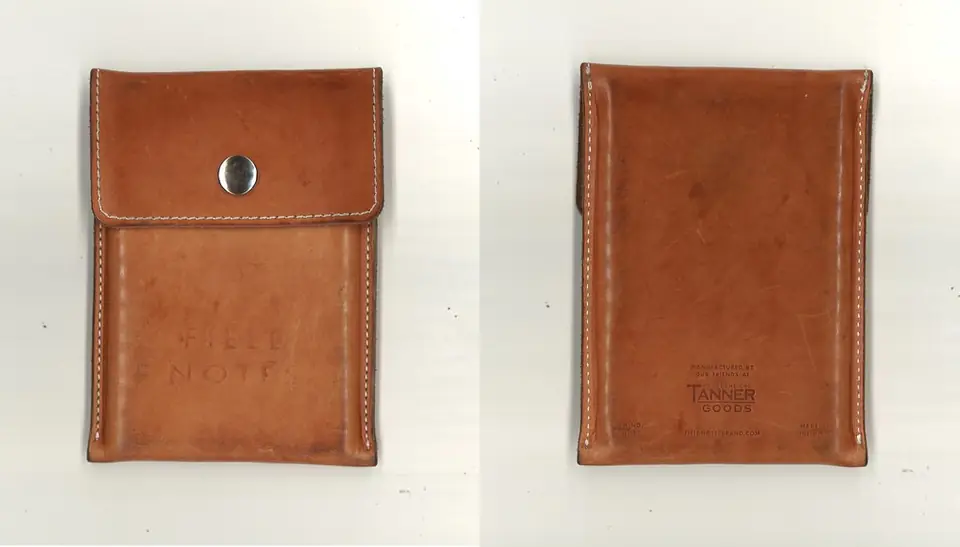
Leather wallets

Small leather goods in cow, goat or sheep leather, usually 0.8 to 1.2 mm thick. Specify leather and finish, card slots, lining, any RFID-blocking layer, edge finish (painted or turned) and stitches per inch.

Leather belts

One-piece or laminated straps in full grain, top grain or corrected grain leather, often vegetable-tanned for firmness. Specify width, thickness, sizes measured to the middle hole, edge finish, buckle metal and plating; EU buckles need a nickel release result to EN 1811.

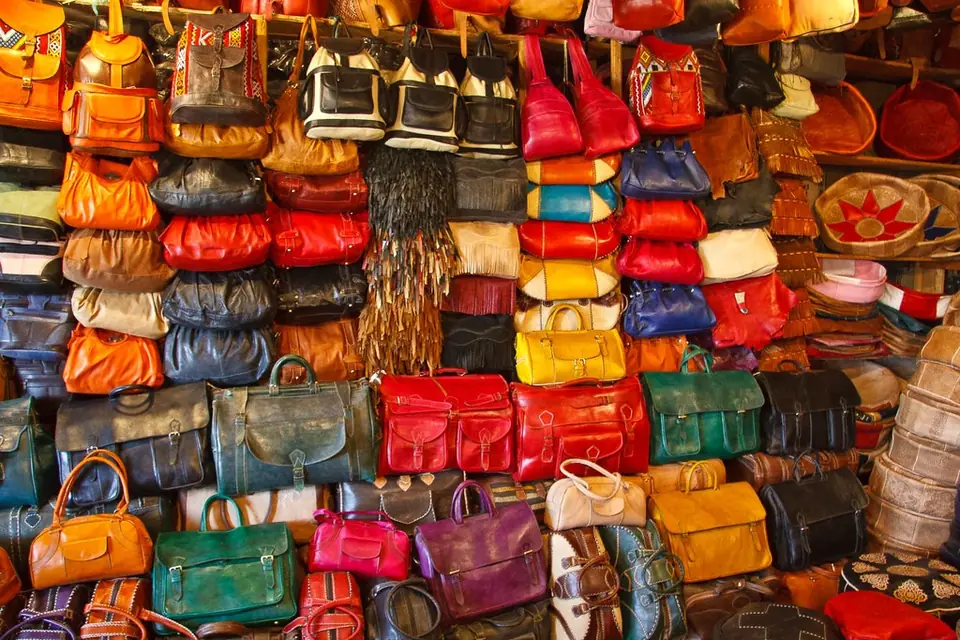
Leather handbags

Totes, shoulder bags and clutches in larger panels, where the grade shows. Specify leather and thickness per panel, lining, reinforcement, hardware and a strap load test, plus rub fastness to ISO 11640 on light leathers.

Leather backpacks

Daypacks and laptop bags. Specify leather, panel thickness, padding, sleeve size, zips, strap attachment and seam strength. Heavy loads need reinforced strap anchors and a load test at the weight you state.

Leather gloves

Dress and driving gloves in soft goat or sheep leather by hand size; work gloves in cow split or grain leather. Work gloves sold in Europe are protective equipment under Regulation (EU) 2016/425 and need EN 388 and EN ISO 21420 results.

Leather shoes

Specify upper leather, lining, sole and construction: cemented soles are glued, stitched soles can be replaced. Send a sample for the last. Safety shoes to EN ISO 20345 have toe caps tested to 200 J; EU material labelling follows Directive 94/11/EC.

How to brief a leather goods manufacturer in Bangladesh

Leather type and grade
Animal, tannage (chrome, vegetable or chrome-free) and grade: full grain, top grain, corrected grain or split, with the finish. Swatches beat descriptions, because a photo cannot show the grade.
Thickness
Thickness in mm per component (body, lining, strap), measured to ISO 2589, with a tolerance. Thinner leather lowers cost and strength together.
Physical tests
Tear strength (ISO 3377-2), flex resistance (ISO 5402-1) and rub fastness (ISO 11640), with minimum results for the end use.
Chemical limits
Chromium VI under 3 mg/kg, tested to ISO 17075, plus azo dyes (ISO 17234-1) and formaldehyde (ISO 17226) against your restricted substances list.
Hardware
Metal, plating and finish for buckles, zips and rings; nickel release to EN 1811 and salt spray hours to ISO 9227, because humid coastal air corrodes weak plating.
Mould control
Moisture at packing, silica gel, and anti-mould sachets free of dimethyl fumarate, which the EU bans. Monsoon humidity can grow mould on leather within weeks.
Construction, branding and packing
Stitches per inch, thread, edge finish, lining and reinforcement on the tech pack; embossed or debossed logo or metal badge with size and position; dust bags, boxes and cartons.

Standards, tests and certificates for leather goods

LWG certification
Leather Working Group environmental audit of the tannery, rated Gold, Silver, Bronze or Audited. Check the tannery name, rating and expiry on the certificate.
REACH chromium VI limit
Leather articles in contact with skin must not contain chromium VI at 3 mg/kg or more, tested to ISO 17075 on the finished leather.
ISO 2589, ISO 3377-2, ISO 5402-1, ISO 11640
Thickness, tear strength, flex resistance and rub fastness of leather. Ask for the report on your leather lot, not a generic tannery sheet.
EN ISO 20345, EN 388, EN ISO 21420
Safety footwear, and protective gloves for mechanical risks and general requirements. Buyers of work gear need the certificate and test report.
Export Registration Certificate
The ERC issued by the CCI&E, current and in the name on the export documents, plus ISO 2859-1 AQL sampling for the final inspection.

What moves the price of leather goods

  • Leather: animal, grade and tannage; full grain costs more than top grain, corrected grain or split.
  • Cutting yield: bigger panels and clean grain need more hide per piece, and leather is bought by the square foot.
  • Hardware: solid brass and durable plating cost more than zinc alloy with thin plating.
  • Handwork and construction: edge painting, hand stitching, lining, reinforcement and pockets add time.
  • Order size and tests: small runs spread dies, patterns and samples over fewer pieces; chemical tests and LWG leather cost extra.

Lead times and delivery

Typical ranges: samples usually take two to four weeks, longer for a new design that needs patterns, and bulk about 45 to 90 days from the approved sample. Custom leather colours need a full tannery batch, imported hardware and failed chemical tests add time, and tanneries are busy after Eid ul-Adha, the main rawhide season. Roptan confirms the dates in the quote.

Inside Bangladesh we deliver to your office, shop or warehouse in Dhaka, Chattogram or elsewhere, packed per piece with dust bags or boxes as ordered, with the packing list, inspection and test reports and a VAT invoice (Mushak 6.3). Corporate gift orders can carry an embossed logo and go per recipient or per branch, packed with silica gel against mould.

Buying leather goods for export

For importers we quote FOB Chattogram (Chittagong), or air freight from Hazrat Shahjalal International Airport in Dhaka for samples and urgent lots, since leather goods carry high value per carton. Documents: commercial invoice, packing list, bill of lading or air waybill, certificate of origin, a REX statement on origin for EU GSP or origin paperwork for the UK DCTS, chemical test reports and the tannery's LWG certificate where your buyer requires it.

What we check for this order

  • Leather as statedAnimal, grain type, thickness and finish checked on the bulk against the approved swatch, since split leather sold as full grain is a known risk.
  • Tannery LWG status and chemical testsThe tannery's LWG rating and expiry, and a chromium VI report on your lot, where your market asks for them.
  • Export Registration CertificateCurrent, and in the name on the quote, so the export documents match the maker.
  • A visit before the first bulk orderWe see the cutting and finishing set-up and your leather in stock before bulk, not after something goes wrong.

Questions buyers ask

What is the difference between full grain, top grain, corrected grain and split leather?

Full grain keeps the hide's natural surface, with small marks, and ages well. Top grain has that surface lightly sanded and finished, so it is smoother and more even. Corrected grain is buffed harder and coated or embossed to hide flaws, at a lower price. Split comes from the lower layer and is often coated or made into suede. 'Genuine leather' is not a grade.

Where is leather tanned in Bangladesh?

Mostly at the BSCIC leather industrial estate at Savar, near Dhaka, where tanneries moved from Hazaribagh to share a central effluent treatment plant. Ask which tannery supplied your leather and whether it holds an LWG rating; many export buyers require one.

What chemical tests do leather goods need for Europe?

At least chromium VI under 3 mg/kg (ISO 17075) for parts touching skin, azo dyes (ISO 17234-1), and nickel release for metal parts (EN 1811). Many buyers add formaldehyde and other substances through their restricted substances list. We check the report for each colour and lot.

What is the minimum order for leather goods with our logo?

It depends on the product and the leather. Makers often start at a few hundred pieces per style and colour, fewer when the leather is in stock; a custom leather colour needs a full tannery batch. A logo pressed into the leather needs only a small metal die, a one-time cost shown as a separate line.

Can you supply safety shoes for factories?

Yes. Specify EN ISO 20345 with the category you need, sizes by headcount, and a sole suited to your floor, for example oil or heat resistant. The seller provides the test report or certificate, and we deliver packed by size with a VAT invoice.

How soon will I hear back about leather goods?

Within 48 hours of a complete requirement, with a price and a delivery date. A requirement is complete when it has the quantity, where it is needed and by when.

Who do I deal with?

With Roptan, when Roptan manages the order: we buy from the verified seller and deliver to you. With the supplier directly, when you post on the requirement board and choose a quote yourself.