Managed sourcing from Bangladesh, for export and for buyers at home
Get it sourced

Plastics and polymers

Plastic household goods manufacturer in Bangladesh

Need a plastic household goods manufacturer in Bangladesh? Send the item, resin, capacity, colours and quantity. We source kitchenware, containers, buckets, melamine, bathware and brushes from verified makers, check resin, weight and food-contact tests, and deliver locally or FOB Chattogram.

  • Verified sellers
  • Checked before it ships
  • Delivered by Roptan

Get plastic household goods sourced

Prefer to deal with suppliers yourself? Post it on the requirement board

Plastic household goods products

Pick a product and we source it for you, or send one requirement that covers several.

Buying plastic household goods in Bangladesh

Injection, blow and compression moulders around Dhaka, Gazipur, Narayanganj and Chattogram make buckets, tubs, containers, kitchen tools, bath stools, melamine plates and brushes, mostly from imported PP and polyethylene, for supermarkets, hotels and institutions at home and importers abroad. Choosing a plastic household goods manufacturer in Bangladesh comes down to resin grade, part weight, mould quality and, for anything that touches food, a migration test that matches your market.

Roptan sources for you. Send samples, drawings or photos with capacities and colours; we match them to verified makers, put quotes on one basis of resin, weight per piece, packing and mould terms, approve a pre-production sample, arrange food-contact tests and inspect the bulk before dispatch. You deal with Roptan only.

Plastic household goods we source

Kitchenware

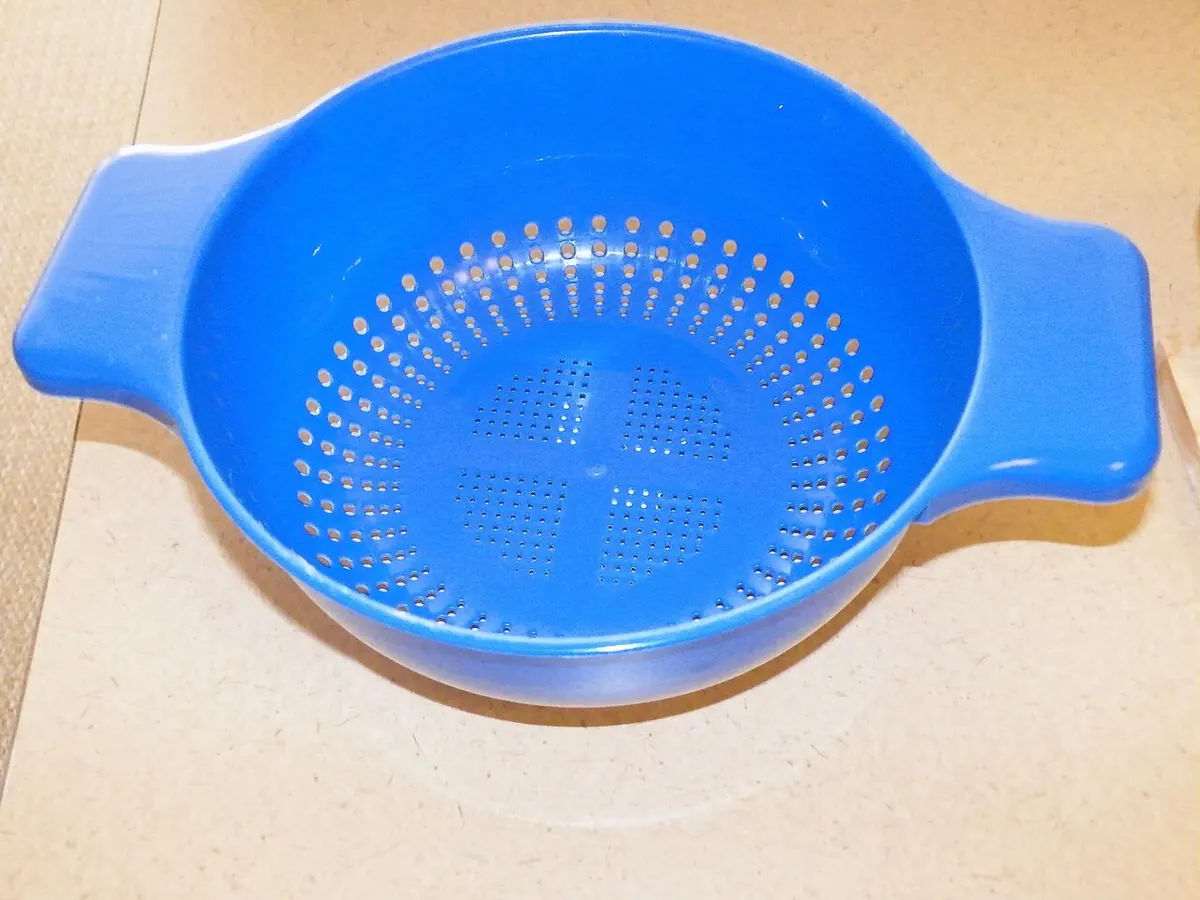
Moulded kitchen tools, jugs, colanders, bowls and trays, mostly in PP, which takes hot water and dishwashers. Specify resin, part weight in grams, heat resistance and a food-contact declaration with migration results for your market.

Food storage containers

PP boxes with snap or clip lids, sometimes with silicone seals, or PET and PS for cold display. Specify capacity in ml, lid seal, stacking, and freezer and microwave use, because each claim needs a test on box, lid and seal.

Buckets and tubs

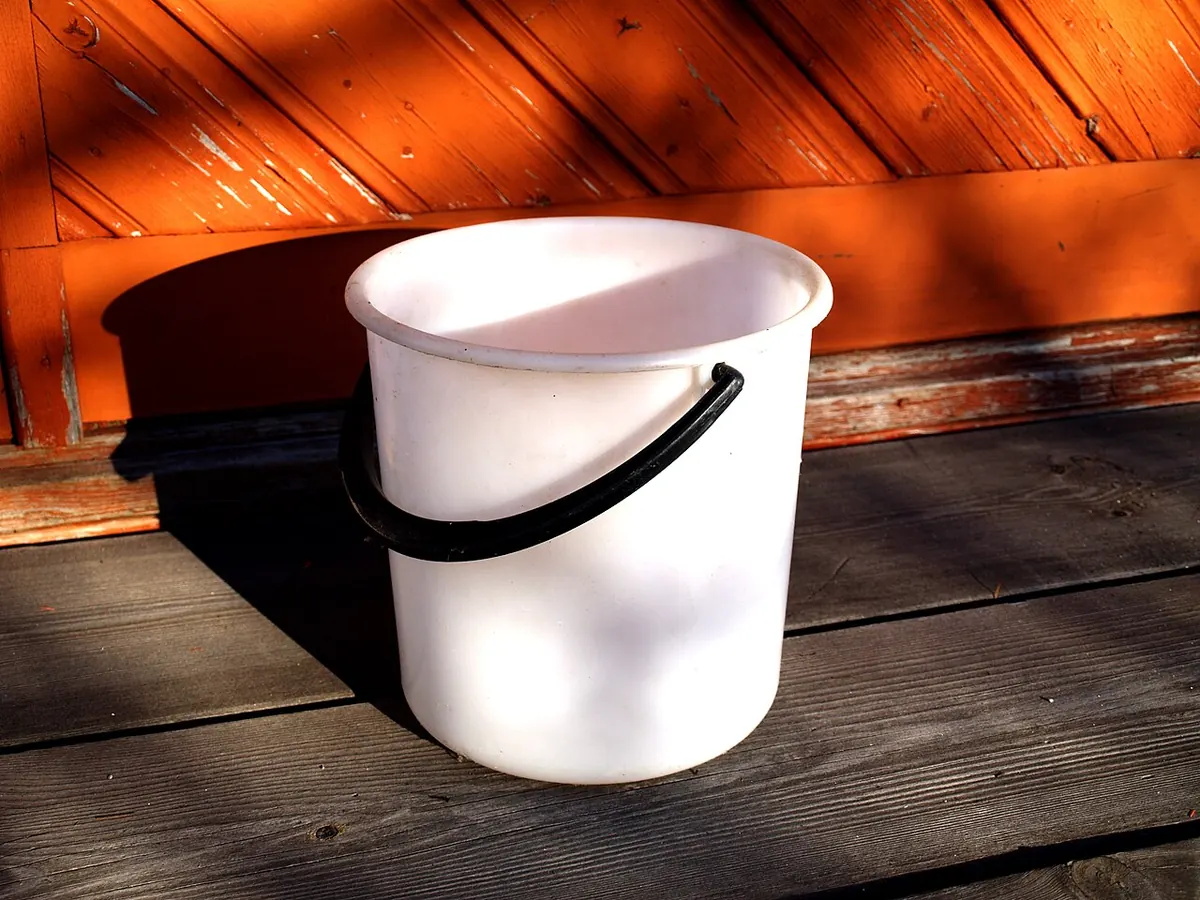
Buckets, tubs and basins in PP or HDPE by capacity in litres, wall thickness and weight. Specify the handle, a drop test when filled, UV stabiliser for outdoor use and whether recycled resin is allowed. Buckets nest, which saves freight.

Melamine tableware

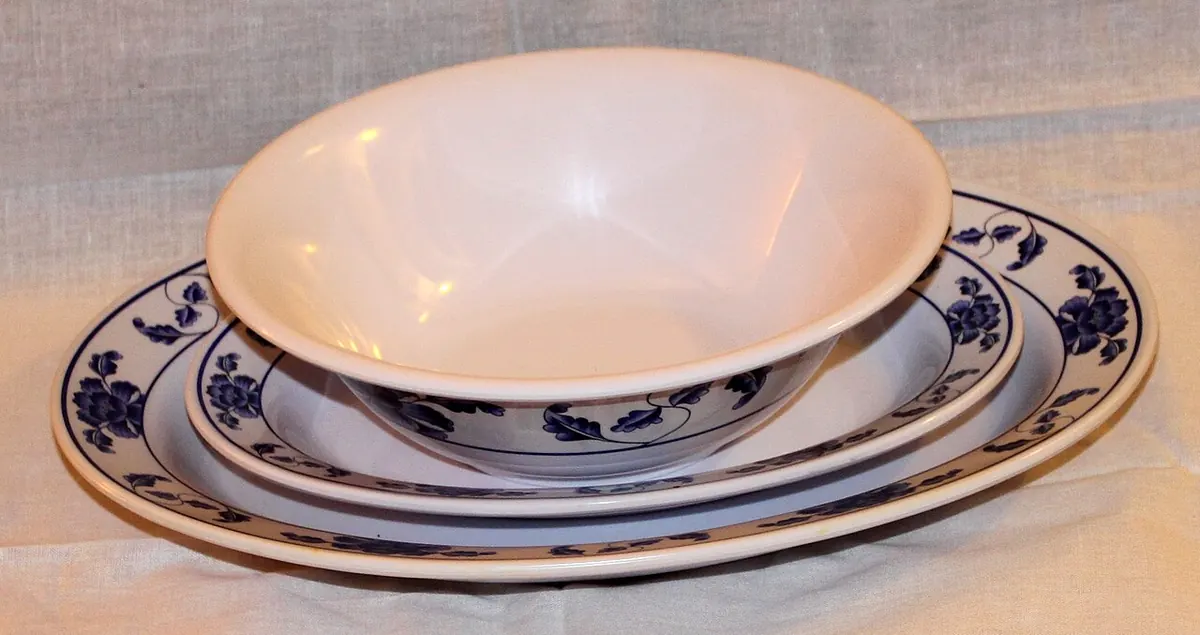
Compression moulded melamine-formaldehyde, hard and break resistant, with printed decals, but not for microwave use. EU rules limit migration to 2.5 mg/kg melamine and 15 mg/kg formaldehyde, so ask for a report per design.

Bathware

Bath stools, mugs, soap cases, racks and laundry baskets in PP or ABS. Specify colour, weight and, for stools, a load test at the stated weight; anti-slip feet matter on wet tiles, and colours across a set must match.

Brooms and brushes

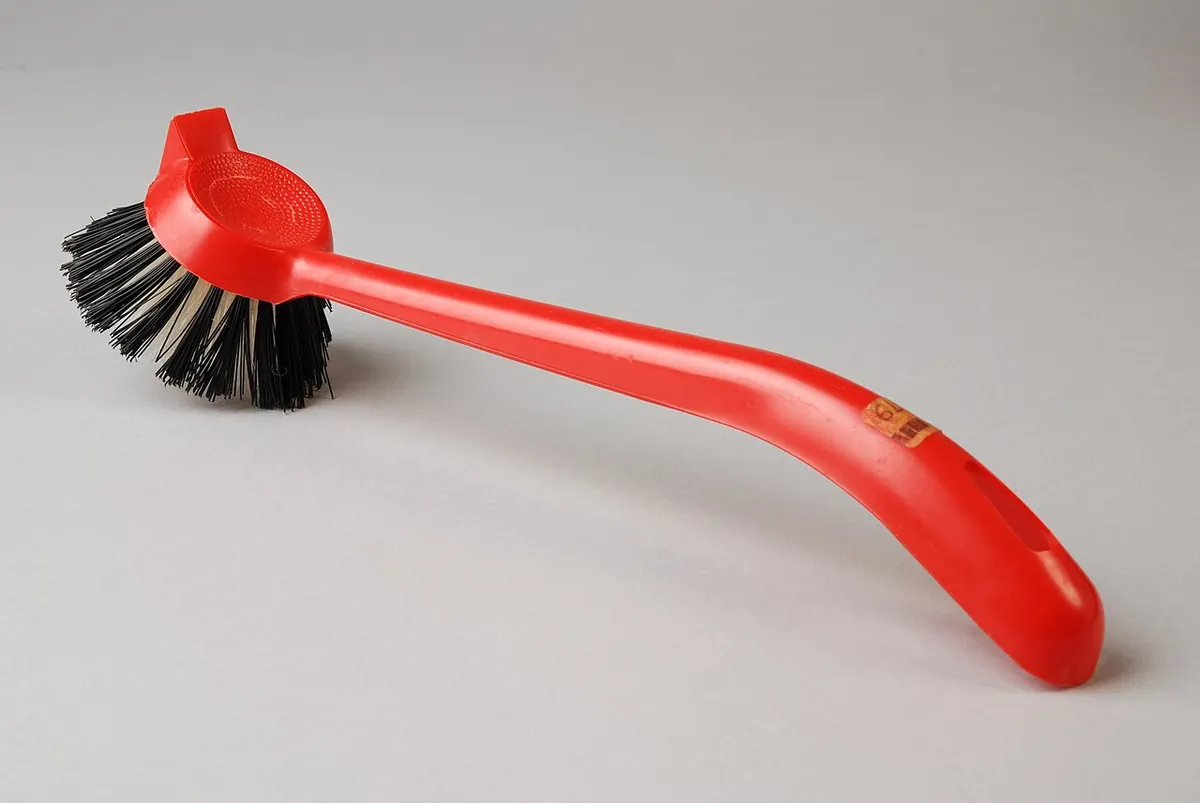
Brooms, floor and toilet brushes with PP or PET filaments set in moulded heads on plastic, coated steel or wood handles. Specify filament diameter, tuft count, a tuft pull-out test and the head-to-handle joint, the usual failure point.

How to brief a plastic household goods manufacturer in Bangladesh

Resin and grade
PP, HDPE, LDPE, ABS, PS or melamine-formaldehyde, with the grade and whether regrind or recycled resin is allowed. Recycled resin is not for food contact unless its process is approved.
Weight and wall thickness
Part weight in grams with a tolerance, and minimum wall thickness at stated points. Resin is most of the cost, so a lower price often means less plastic in each piece.
Food-contact compliance
For the EU, a declaration of compliance under Regulation (EU) 10/2011 with overall migration within 10 mg/dm²; for the US, the right part of FDA 21 CFR 177.
Use temperature
State microwave, dishwasher, freezer and hot-fill use. PP takes microwave reheating; PS and melamine do not, and heat raises migration from any plastic.
Colour and pigments
A physical colour standard, pigments free of lead and cadmium tested to your list, and UV stabiliser for goods left in sun, which fades and embrittles plain PP.
Moulds and tooling
Whether existing moulds fit, the cavities per mould, and who owns the moulds you pay for. A new mould is the largest one-time cost; agree it in writing with the mould number.
Strength tests and packing
Drop tests on filled buckets, load tests on stools and racks and lid seal checks on bulk pieces, then polybag, carton and nesting, since bulky goods fill a container by volume.

Food-contact rules and tests for household plastics

Regulation (EU) 10/2011
Plastic food-contact materials: authorised substances, an overall migration limit of 10 mg/dm² and specific limits, tested with food simulants. Ask for the declaration of compliance and the lab report.
FDA 21 CFR 177
US rules for food-contact polymers: 177.1520 for PP and PE, 177.1460 for melamine-formaldehyde moulded articles. Ask for the resin supplier's compliance letter.
Regulation (EC) 1935/2004
The EU framework for all food-contact materials, with traceability and the glass and fork symbol or the words 'for food contact' on articles sold empty.
Resin identification code
The number in the triangle on the base, 5 for PP and 2 for HDPE, tells users and recyclers the material. Ask for it on every piece.

What moves the price of plastic household goods

  • Resin price: PP and HDPE are mostly imported and follow oil and freight markets, so quotes carry a short validity.
  • Part weight: grams per piece set most of the cost; lighter parts cost less and are weaker.
  • Moulds: a new mould is quoted separately or spread over an agreed quantity.
  • Decoration: printed, in-mould labelled or decal pieces cost more than plain colours.
  • Packing and tests: single boxes, printed labels and migration reports add cost, while nesting lowers freight.

Lead times and delivery

Typical ranges: samples from existing moulds in one to two weeks; new moulds usually four to eight weeks before the first trial shots; bulk three to six weeks after sample approval. Food-contact tests at an accredited lab, special colours and imported resin add time, and melamine decals need their own approval. Roptan confirms the dates in the quote.

Inside Bangladesh we deliver to your warehouse, shop, hotel or institution in Dhaka, Chattogram or elsewhere, nested and cartoned or bundled in polybags, with the packing list, test reports and a VAT invoice (Mushak 6.3). We count pieces and check colours per carton, and branded giveaway orders can be split by branch.

Buying plastic household goods for export

For importers we quote FOB Chattogram (Chittagong). Buckets, tubs and containers fill a container by volume, so nesting and carton size decide the landed cost; the quote states pieces per 40 ft high cube. Documents: commercial invoice, packing list, bill of lading, certificate of origin, a REX statement on origin for EU GSP or UK DCTS paperwork, the seller's ERC, food-contact declarations and migration reports, and an AQL inspection report to ISO 2859-1.

What we check for this order

  • Trade licence and ERCCurrent, and in the name on the quote, so export documents match the moulder of your goods.
  • Material declarationsResin grade and supplier on the invoice, plus the food-contact declaration and migration report for pieces that touch food.
  • Moulds and capacity in writingWho owns the moulds, their condition, and machine capacity booked for your order, confirmed before any deposit.
  • A visit before the first orderWe see the moulding, printing and packing set-up, and the resin in stock, and seal the approved sample for inspection.

Questions buyers ask

Is melamine tableware microwave safe?

No. Melamine-formaldehyde is made for serving, not heating: in a microwave or with very hot, acidic food, more melamine and formaldehyde migrate. EU rules limit migration to 2.5 mg/kg melamine and 15 mg/kg formaldehyde. Mark the pieces as not for microwave use and ask for a migration report on each design.

Can plastic kitchenware with bamboo fibre be sold in the EU?

Not as a food-contact article. EU authorities treat bamboo and other plant fibres added to plastic as unauthorised additives under Regulation (EU) 10/2011, so such items are refused. Choose melamine, PP or another authorised material and describe it truthfully on the label.

What is the difference between PP and HDPE buckets?

PP is stiffer and takes heat better, so it suits thin-walled containers and hot water. HDPE is tougher in cold and under impact, which suits heavy-duty buckets. Both need UV stabiliser for outdoor use. Specify capacity, weight and a filled drop test, not the resin alone.

How many pieces fit in a container?

It depends on size and packing, not weight. Buckets and tubs nest, so far more fit than boxed items, and high cube containers suit light, bulky goods. Ask for the carton size and pieces per carton, and we work out the load for a 20 or 40 ft container before you order.

What is the minimum order for household plastics with our logo?

It depends on the mould and colours. From an existing mould, makers often run a few thousand pieces per colour, because each colour change costs purging time and resin. Printed or embossed logos need screens or mould inserts, quoted separately. Roptan confirms the minimum in the quote.

How soon will I hear back about plastic household goods?

Within 48 hours of a complete requirement, with a price and a delivery date. A requirement is complete when it has the quantity, where it is needed and by when.

Who do I deal with?

With Roptan, when Roptan manages the order: we buy from the verified seller and deliver to you. With the supplier directly, when you post on the requirement board and choose a quote yourself.