Managed sourcing from Bangladesh, for export and for buyers at home
Get it sourced

HVAC and cold chain

HVAC supplier in Bangladesh

Roptan acts as your HVAC supplier in Bangladesh. Send us floor areas, room use, hours and drawings, and we source VRF, ducted, air handling and precision systems from verified, authorised sellers, check the heat load and the offer, and deliver to site.

  • Verified sellers
  • Checked before it ships
  • Delivered by Roptan

Get HVAC systems sourced

Prefer to deal with suppliers yourself? Post it on the requirement board

HVAC products

Pick a product and we source it for you, or send one requirement that covers several.

Buying HVAC systems in Bangladesh

HVAC systems cool, dehumidify and ventilate offices, hospitals, hotels, malls, factories and data rooms, and in large buildings air conditioning is often the largest electricity user. In Bangladesh the load is shaped by heat, a long humid monsoon, dust and an unsteady grid, so moisture removal and electrical protection matter as much as capacity. Buyers are developers, contractors, factory engineers and facility teams in Dhaka, Chattogram, Gazipur and Narayanganj. Choosing an HVAC supplier in Bangladesh starts with a heat load calculation.

You send the requirement once. We send one design brief to verified sellers who hold brand authorisation, check that capacities are stated at the same conditions, and compare equipment, installation materials, efficiency and after sales on one sheet. We deliver the equipment; the seller installs, tests and commissions the system. To deal with sellers yourself, post the requirement on our board.

HVAC systems we source

VRF systems

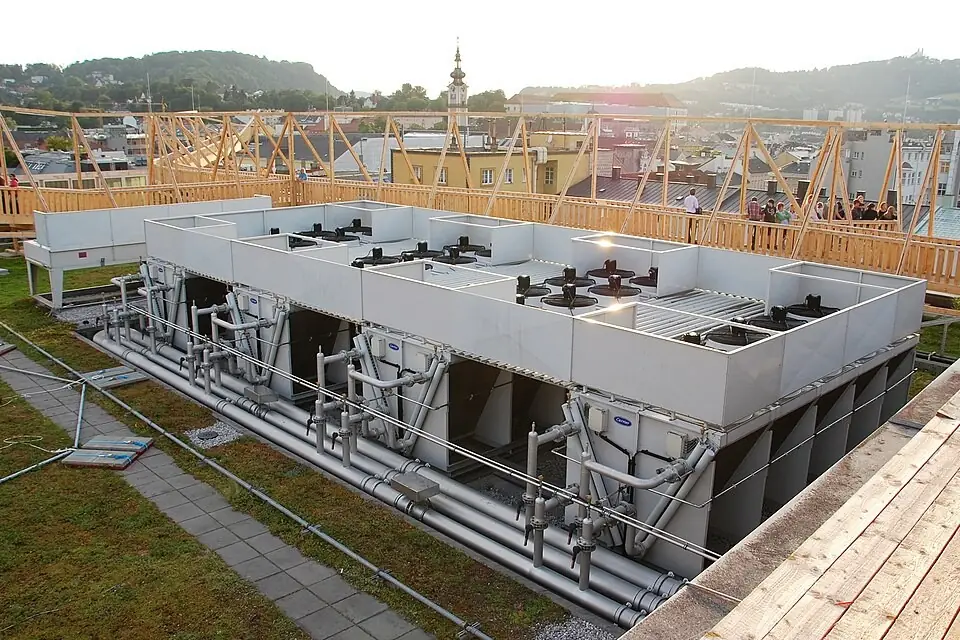
Variable refrigerant flow systems link many indoor units to outdoor units through refrigerant piping, with inverter compressors that follow the load. They suit offices, hotels and apartments with varied zones. Check pipe length and height limits against your building, and efficiency at part load.

Ducted split units

An indoor fan coil above the ceiling, ducted to grilles, with one outdoor condensing unit. It suits shops, showrooms, meeting rooms and small offices. State the external static pressure the ducting needs, or airflow falls short, and compare quotes including ducting, insulation, grilles and drains.

Air handling units

Large fan and coil units, usually on chilled water, that filter, cool, dehumidify and distribute air through ducts in hospitals, malls, factories and cleanrooms. Specify airflow, coil conditions, filter classes, fresh air share and casing performance to EN 1886.

Fan coil units

Small fan and coil units served by a central chiller, in ceiling, wall or floor versions, for hotels, hospitals and offices that want room by room control. Specify cooling at your chilled water temperatures, fan speed steps, noise level and a drain pan sized for heavy condensate.

Rooftop packaged units

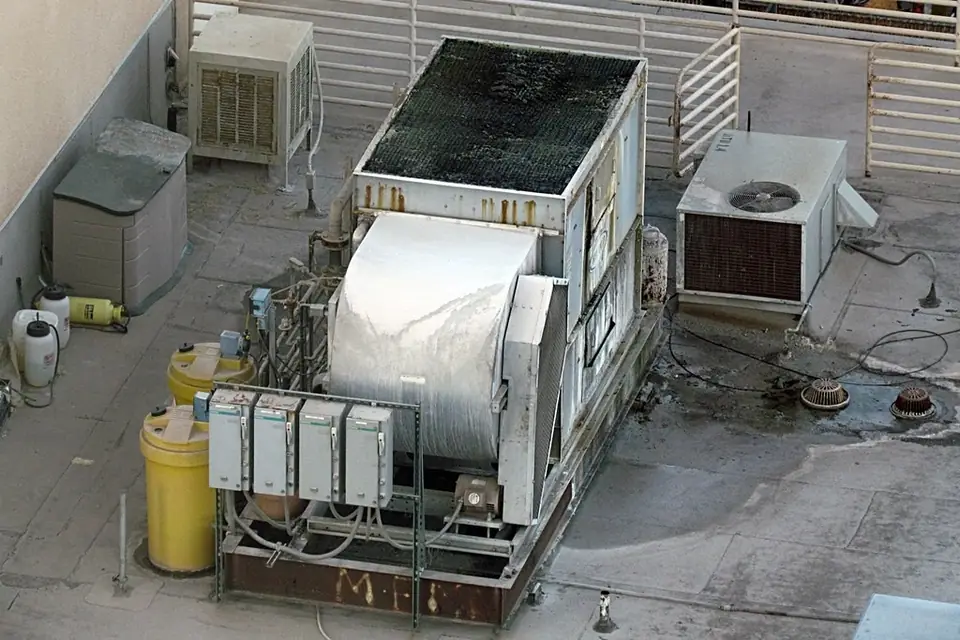
All components in one weatherproof casing on the roof, ducted into the space below, for single-storey sheds, supermarkets and halls. Ask for capacity at your peak outdoor temperature and a structural check that the roof can take the weight.

Precision air conditioners

Units for data centres and telecom rooms that remove mostly sensible heat and hold temperature and humidity in tight bands all year. ASHRAE guidance recommends server inlet air of 18 to 27 °C. Plan N+1 redundancy and backup power.

How to specify an HVAC system

Heat load
Ask for a room-by-room load in kW or TR (1 TR is 3.517 kW), with sensible and latent heat shown. In the monsoon, latent load is a large share.
Design conditions
State outdoor design temperature and humidity for your city and the indoor target, for example 24 °C and 55 percent relative humidity. Ratings at milder conditions overstate what a unit delivers in a Bangladesh summer.
Fresh air and filtration
Give fresh air rates, often set to ASHRAE 62.1, and filter classes to ISO 16890 or MERV ratings. More outdoor air means more moisture to remove, and Dhaka dust loads filters quickly.
Electrical supply
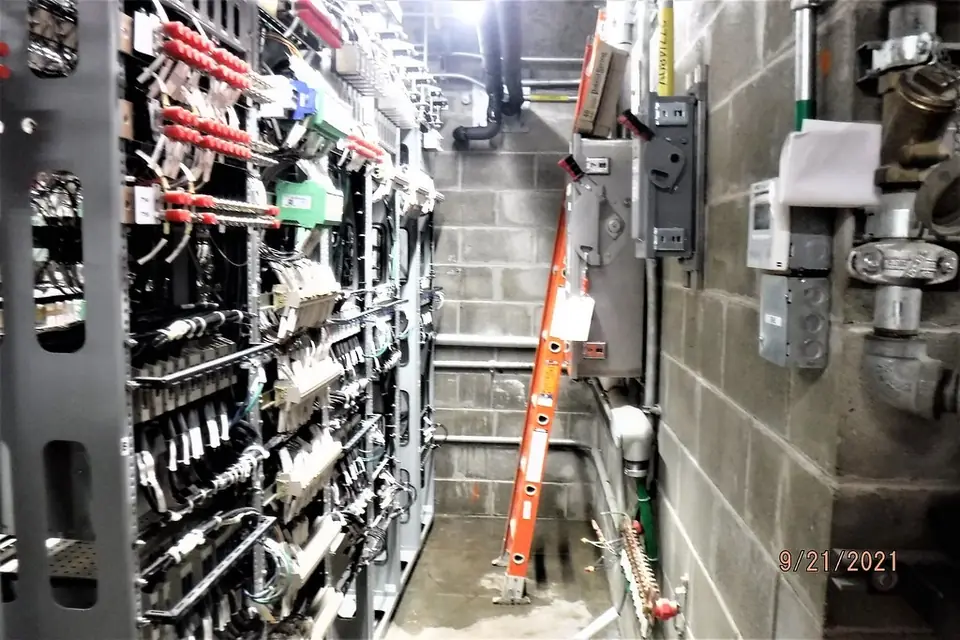
Three phase at 50 Hz, spare capacity and how much the voltage swings. Ask for phase failure and voltage protection on every outdoor unit, and a generator sized for compressor starting.
Coastal and corrosive air
Near the coast or dyeing and chemical plants, specify coated condenser coils and stainless or coated casings.
Space and routes
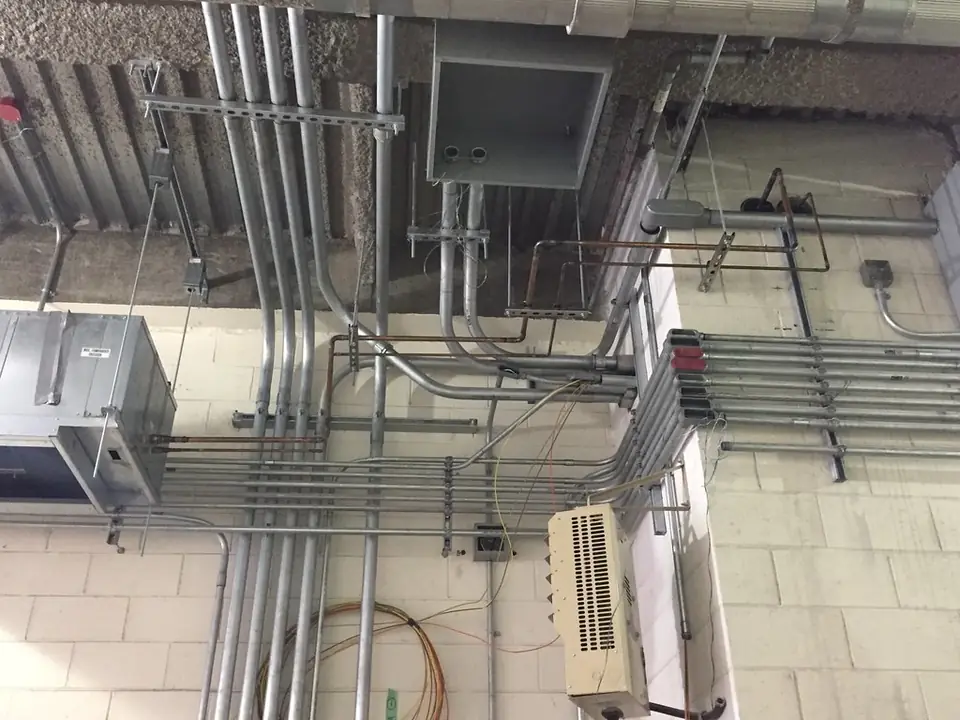
Give roof or balcony space for outdoor units, shaft sizes and false ceiling depth, with floor plans. Copper pipe length, ducting and insulation explain many gaps between quotes.
Refrigerant, condensate and controls
Specify R-32 or R-410A, not R-22. Show condensate drain routes with falls, traps and pumps where gravity fails. Say whether you need a central controller or a link to a building management system.

Standards and tests to ask an HVAC supplier in Bangladesh for

AHRI certification
AHRI certifies rated capacity and efficiency, for example AHRI 1230 for VRF and AHRI 550/590 for chillers. Ask for the certificate for the exact model quoted.
ASHRAE 62.1 and 52.2
ASHRAE 62.1 sets minimum ventilation rates for acceptable indoor air quality; ASHRAE 52.2 rates filters by MERV. Use them to fix fresh air and filtration in the brief.
EN 1886 for AHUs
Classes air handling unit casings for strength, air leakage, filter bypass, thermal transmittance and thermal bridging. Ask for the class figures, not a brochure claim.
BNBC 2020
The Bangladesh National Building Code 2020 covers building services, including air conditioning and ventilation, and fire protection in buildings. Ducts that pass through fire-rated walls need fire dampers.
Commissioning records
Refrigerant pressure and vacuum test records, the testing, adjusting and balancing (TAB) report, control checks and as-built drawings, signed at handover.

What moves the price of an HVAC system

  • System type and capacity: VRF, chilled water with AHUs and FCUs, ducted splits or rooftop units differ in cost per TR installed.
  • Origin: Japanese, Korean, Chinese, European and American equipment differ in price, efficiency and parts support.
  • Efficiency: inverter compressors, EC fans and higher rated efficiency cost more to buy and less to run.
  • Piping, ducting and insulation lengths, which rise with building height and layout.
  • Fresh air treatment and filtration grade, especially for hospitals and cleanrooms, and coil coatings for coastal sites.
  • Controls: central controllers and BMS links add cost but cut wasted energy.

Lead times and delivery

Split and VRF units held in stock can typically be delivered within 1 to 3 weeks. VRF, precision and other equipment imported to order usually takes 8 to 12 weeks, and AHUs built to specification 6 to 12 weeks, plus clearance at Chattogram. Pipe and duct routes, false ceilings and lifting access set the installation time. Roptan confirms each date in the quote.

We deliver to site anywhere in Bangladesh. The seller installs the equipment, pressure tests and evacuates the refrigerant piping, charges and commissions the system, balances the airflows and trains your facility staff. Handover includes as-built drawings, test records, the TAB report, O&M manuals and the warranty certificate registered with the brand's local agent, with a VAT invoice (Mushak 6.3).

What we check for this order

  • Trade licence and installation recordWe confirm the seller's licence and ask for running systems of similar size and type, with the client named, so references can be called.
  • Brand authorisationA letter from the brand or its Bangladesh distributor confirming the seller may sell and install the equipment quoted, so warranty and spares are honoured locally.
  • Warranty and after sales in writingUnit and compressor warranty periods, service visit frequency, response times and spare parts pricing, included or priced, confirmed before you commit.
  • A visit to a working installationBefore the order is placed, we arrange a visit to a running system of the same type, ideally in a similar building, so you can check noise, comfort and finish.

Questions buyers ask

How many TR does my office need?

It depends on the heat load, not floor area alone. Occupancy, lighting, computers, west-facing glass, fresh air and humidity all add to it. Ask every seller for a room-by-room calculation. Rules of thumb per square metre often undersize rooms with heavy glazing or crowds.

VRF or chilled water: which suits my building?

VRF suits small and medium buildings with many zones and no plant room, usually costs less to install and can grow zone by zone. Chilled water with AHUs and FCUs suits large buildings, hospitals and long operating hours. Ask sellers to price both with energy use, so the choice rests on total cost.

How do I protect HVAC equipment from voltage swings and load shedding?

Specify phase failure, phase reversal and under and over voltage protection on every outdoor unit and panel. Size the generator for compressor starting; inverter compressors start gently, which is easier on a generator. Record supply voltage at commissioning so later faults can be traced.

Is an unofficial import a risk?

It can be. Units brought in outside the maker's authorised channel may carry no local warranty, and spare parts can be hard to find. Ask for the brand authorisation letter and the warranty terms in writing, and compare quotes that use the same supply channel.

Can I keep my existing R-22 system?

It can run while parts and gas are available, but HCFC-22 is being phased out under the Montreal Protocol and servicing will get harder and dearer. Plan replacement with R-32 or R-410A equipment when compressors fail or major repairs fall due.

How soon will I hear back about HVAC systems?

Within 48 hours of a complete requirement, with a price and a delivery date. A requirement is complete when it has the capacity, where it is needed and by when.

Who do I deal with?

With Roptan, when Roptan manages the order: we buy from the verified seller and deliver to you. With the supplier directly, when you post on the requirement board and choose a quote yourself.