Managed sourcing from Bangladesh, for export and for buyers at home
Get it sourced

HVAC and cold chain

Dehumidifier supplier in Bangladesh

Roptan acts as your dehumidifier supplier in Bangladesh. Tell us the room, the humidity you must hold, the temperature and what you store or make, and we source portable, industrial, desiccant and pool units from verified sellers, check capacity at your conditions and deliver.

  • Verified sellers
  • Checked before it ships
  • Delivered by Roptan

Get dehumidifiers sourced

Prefer to deal with suppliers yourself? Post it on the requirement board

Dehumidifier products

Pick a product and we source it for you, or send one requirement that covers several.

Buying dehumidifiers in Bangladesh

Dehumidifiers hold humidity down where damp damages goods or processes: stores for yarn, fabric, leather, paper, tea and seeds, pharmaceutical production, printing rooms, archives, server rooms, cold stores and indoor pools. In the monsoon months outdoor relative humidity in Bangladesh often stays above 80 percent, so mould, caking and corrosion are common from Dhaka and Gazipur to Chattogram and Sylhet. A dehumidifier supplier in Bangladesh should size to your moisture load, not to room size alone, and state capacity at conditions like yours.

You send the requirement once. We send one moisture brief to verified sellers, get every offer rated at the same temperature and humidity, check brand authorisation, references and warranty, and compare price with power use per litre removed. We deliver; for ducted and large units, the seller installs and commissions them and logs humidity at handover.

Dehumidifiers we source

Portable dehumidifiers

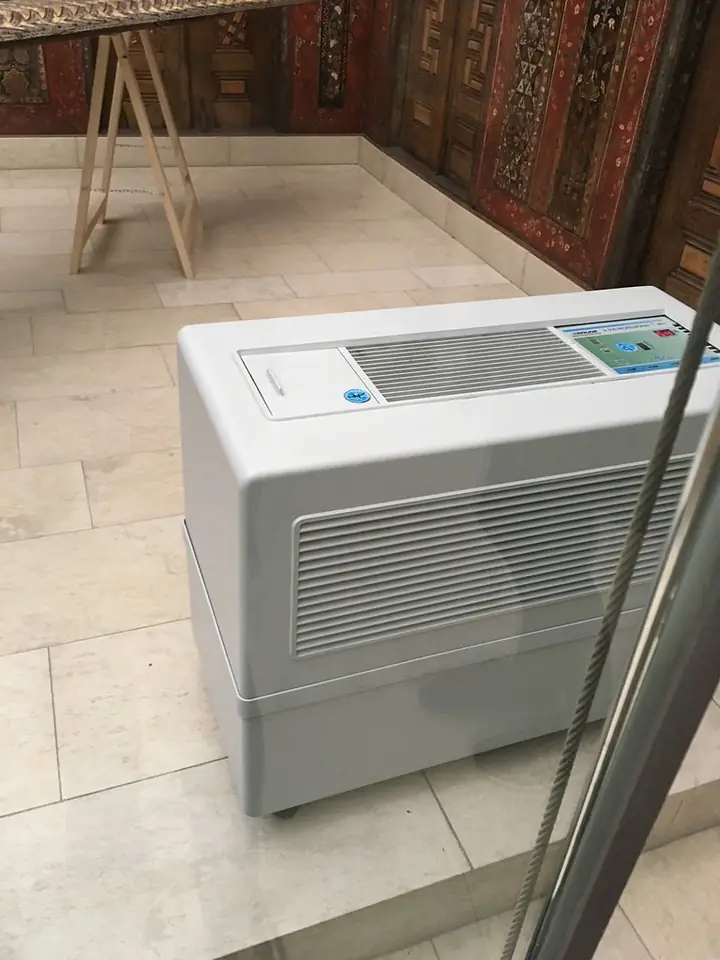
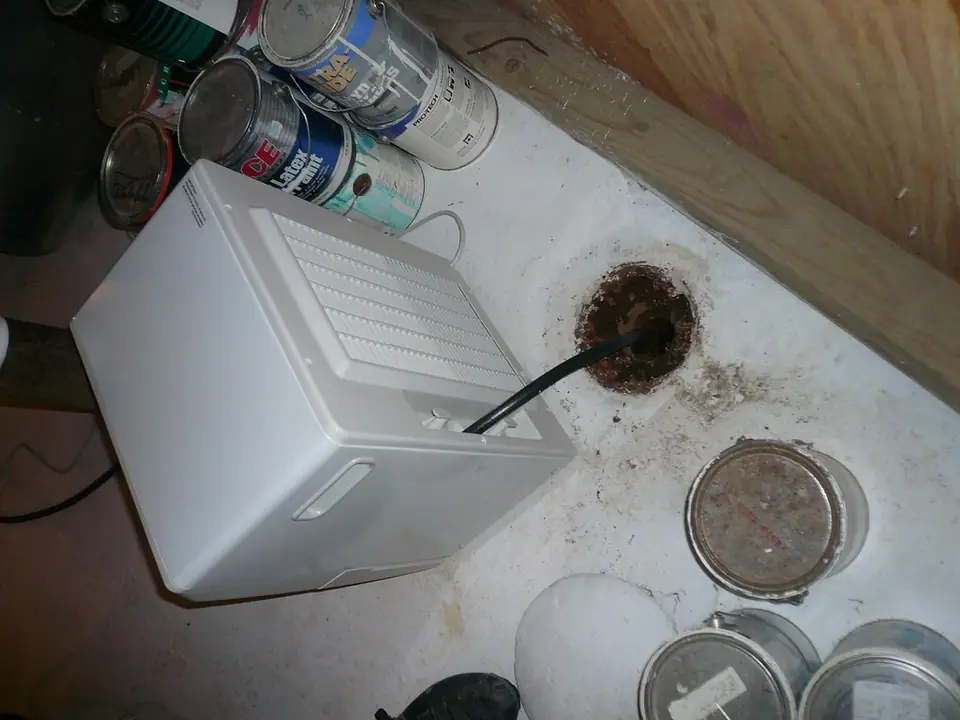
Refrigerant units on wheels for offices, small stores, labs and homes. Choose by litres per day at your conditions, with a humidistat and a continuous drain hose so the tank never needs emptying. They suit sealed rooms of modest size.

Industrial dehumidifiers

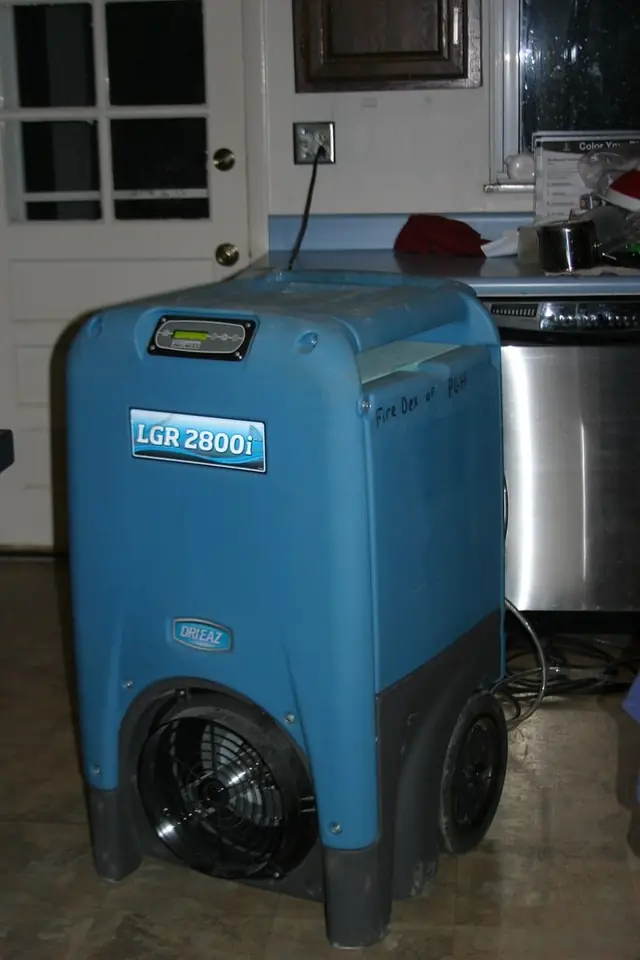
Larger refrigerant units with steel casings and industrial compressors and fans, built to run day and night in production rooms, stores and drying rooms. Specify capacity at your conditions, three phase supply where needed, coated coils and a condensate drain or pump.

Desiccant dehumidifiers

A rotating desiccant wheel, often silica gel, absorbs moisture and is dried by a heated reactivation airstream. They reach low dew points and work in cool rooms, which suits pharmaceutical areas and cold stores. Specify process airflow and outlet dew point; reactivation heat is the main running cost.

Ceiling mounted units

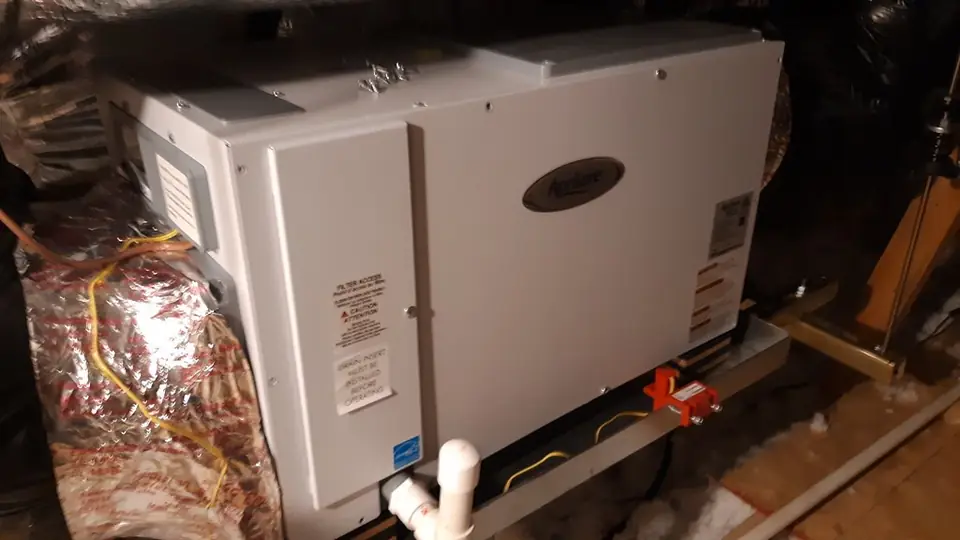
Units hung above the ceiling and ducted to the room, for labs, stores, archives and shops in Dhaka buildings where floor space is scarce. Specify the condensate drain route, since leaks above ceilings damage stock, access panels for filters and the noise level in the room.

Warehouse dehumidifiers

High capacity units, refrigerant or desiccant and often ducted, that hold a large store at a set humidity through the monsoon. Size on air leakage, door openings and moisture from goods, seal the building first, and compare quotes on the same leakage assumptions.

Pool dehumidifiers

Units that remove moisture evaporating from indoor pools in hotels and clubs, often recovering the heat to warm pool water or air. Specify coated coils and casings for chlorinated air, and capacity from pool area and water temperature.

How to specify a dehumidifier

Target conditions
State the humidity to hold, as relative humidity or dew point, and the room temperature, for example 50 percent at 25 °C. Lower targets and cooler rooms need bigger or desiccant units.
Capacity basis
Ask for capacity in litres per day and power input at your temperature and humidity, not only the label rating, often given at 30 °C and 80 percent. Figures at different conditions cannot be compared.
Moisture load
List the sources: air leaking in, door openings, fresh air, people, wet goods and open water. Monsoon outdoor air is usually the main load.
Room size and sealing
Give the volume in m³ and describe doors, gaps and ventilation. Seal the room first; no capacity beats an open door, and sealing costs less than extra capacity.
Temperature range
Refrigerant units lose output and can ice up in cool rooms. For cold stores or very low humidity, choose a desiccant unit.
Power and drainage
Single or three phase at 50 Hz, voltage stability, automatic restart after load shedding, and where condensate can drain by gravity; otherwise add a condensate pump.
Control and records
Specify a humidistat, remote alarms and, for pharmaceutical or archive rooms, calibrated humidity loggers that keep records for audits.

Standards and tests to ask a dehumidifier supplier in Bangladesh for

IEC 60335-2-40
The safety standard for electric heat pumps, air conditioners and dehumidifiers. Ask for the test report, especially for units with flammable refrigerants such as R-290.
Rated capacity data
Litres per day and power input at the same stated temperature and humidity, from the maker's test data, for every model offered.
Refrigerant
R-22 is being phased out under the Montreal Protocol; newer units use R-410A, R-32 or R-290. Ask which one is used and what a recharge costs.
Calibrated humidity measurement
Hygrometers and loggers calibrated at an ISO/IEC 17025 accredited lab, with certificates, so the humidity you pay to hold is measured correctly.
Commissioning record
Room humidity and temperature before and after pull-down, condensate flow, current drawn, controls checked and settings recorded.

What moves the price of a dehumidifier

  • Capacity at your conditions: a unit sized for a cool or dry target is larger than its label suggests.
  • Type: refrigerant units cost less to buy; desiccant units cost more and need reactivation heat, but reach lower humidity.
  • Build: steel or stainless casings, coated coils for pools and corrosive air, and ducting.
  • Controls and extras: condensate pumps, humidity logging, remote alarms and automatic restart.
  • Installation: ducting, drains, electrical work and access to ceiling spaces.
  • Running cost: power per litre removed at your conditions, and filter and rotor upkeep.

Lead times and delivery

Portable and small industrial units held in stock can typically be delivered within a few days to two weeks. Desiccant, pool, ceiling and large ducted units built or imported to order usually take 6 to 12 weeks, plus clearance at Chattogram. Ducting design, custom coatings and electrical work on site add time. Roptan confirms each date and the stock position in the quote.

We deliver to site across Bangladesh. Portable units come ready to run. For ducted, desiccant and pool units, the seller installs them, connects drains and ducts, commissions the unit, shows the controls and logs humidity until the room reaches target. Handover includes the commissioning record, settings, O&M manual and warranty certificates, with a VAT invoice (Mushak 6.3).

What we check for this order

  • Trade licence and installation recordWe confirm the seller's licence and ask for units of the same type running in similar rooms, with the client named.
  • Brand authorisationA letter from the brand or its distributor confirming the seller may sell and service the model quoted, so warranty and spares are honoured in Bangladesh.
  • Warranty and after sales in writingCompressor, wheel, heater and control warranty terms, service visits, filters and spare parts, included or priced, confirmed before you commit.
  • A visit to a working installationFor larger systems, before the order is placed, we arrange a visit to a unit working in a similar room, with its humidity records.

Questions buyers ask

What capacity dehumidifier does my warehouse need?

It depends on the moisture load, mainly outdoor air leaking in, plus door openings and damp goods, not floor area. The seller should calculate it from room volume, air leakage, target humidity and monsoon outdoor conditions, then pick capacity at those conditions. Sealing gaps and fitting faster doors can cut the capacity needed.

Refrigerant or desiccant: which should I buy?

Refrigerant units cost less and remove water with less energy in warm, humid rooms above about 20 °C with targets near 50 percent. Desiccant units suit cool rooms, cold stores and targets below about 40 percent, where refrigerant units lose output. Many large sites combine both: refrigerant for bulk removal, desiccant to finish.

Why do litres per day figures differ so much between sellers?

Because each is measured at different conditions. A unit rated at 30 °C and 80 percent relative humidity shows a much larger figure than the same unit at 27 °C and 60 percent. Ask every seller for capacity and power input at the same conditions, close to your room's, before you compare prices.

Why is my dehumidifier running all day without lowering humidity?

Usually the room leaks air: open doors, gaps, or exhaust fans pulling in outdoor air. Or the unit is rated at conditions far from yours, or its coil is iced or dirty. Seal the room, clean the filter and coil, and compare capacity at your temperature.

What humidity should I keep for leather, garments and paper?

Many stores keep relative humidity below about 60 percent, a common limit for mould control, and often aim for 45 to 55 percent. Your buyer or product specification may set a figure; use it. Hold temperature steady too, because relative humidity changes as temperature swings, and keep a logger to show the store stayed in range.

How soon will I hear back about dehumidifiers?

Within 48 hours of a complete requirement, with a price and a delivery date. A requirement is complete when it has the capacity, where it is needed and by when.

Who do I deal with?

With Roptan, when Roptan manages the order: we buy from the verified seller and deliver to you. With the supplier directly, when you post on the requirement board and choose a quote yourself.